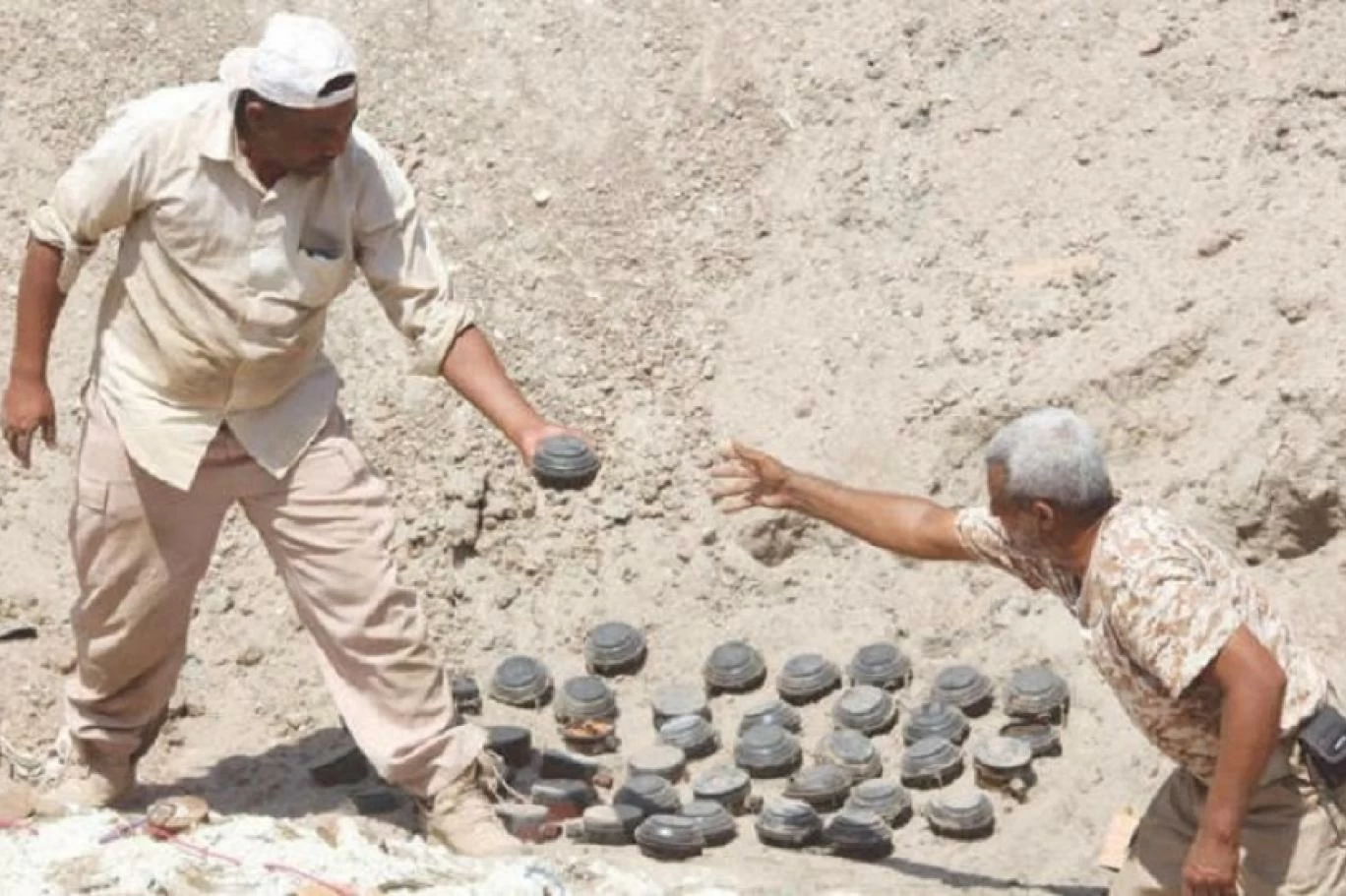
قدر تقرير صادر عن مركز المخا للدراسات الإستراتيجية، عدد ضحايا ألغام مليشيا الحوثي بأكثر من 11807 مدنيين بين قتيل وجريح، بعد أكثر من عقد على اندلاع الحرب.
تهديد واسع للمدنيين
وأكد أن الألغام والذخائر غير المنفجرة لا تزال تشكل تهديداً واسعاً للمدنيين في اليمن.
التقرير الذي حمل عنوان «القاتل المخفي: تقرير عن انتشار الألغام ومخلفات الحرب في اليمن»، أفاد بأن الضحايا شملوا 4262 قتيلاً و7491 مصاباً، موضحاً أن الأرقام تمثل الحالات الموثقة فقط، في ظل صعوبة الوصول إلى مناطق واسعة من البلاد.
وقال المركز إن الألغام التي زرعها الحوثيون منذ سيطرتهم على صنعاء في سبتمبر 2014 لم تقتصر على مناطق القتال، بل امتدت إلى المنازل والأراضي الزراعية ومجاري السيول ومنابع المياه والطرق الريفية.
وأشار إلى أن طبيعة التلغيم والتمويه تجعل المدنيين، خصوصاً المزارعين والرعاة والأطفال والنساء، بين أكثر الفئات تعرضاً للخطر، بينما تؤدي الإصابات في كثير من الحالات إلى إعاقات دائمة وبتر الأطراف.
مشروع مسام لنزع الألغام
وأعلن التقرير أن مشروع «مسام» السعودي لنزع الألغام، الذي أطلقه مركز الملك سلمان للإغاثة والأعمال الإنسانية في 2018، تمكن حتى نهاية يولي 2026 من تطهير 83.7 مليون متر مربع من الأراضي اليمنية ونزع 578226 لغماً وذخيرة غير منفجرة وعبوة ناسفة.
وتشمل الكميات التي أزالها المشروع، بحسب التقرير، 409726 ذخيرة غير منفجرة و152285 لغماً مضاداً للدبابات و7604 ألغام مضادة للأفراد و8611 عبوة ناسفة.
وقال إن فرق المشروع نزعت خلال يوليو وحده 7101 لغم وذخيرة وعبوة ناسفة، بمعدل يقارب 229 قطعة يومياً، وطهرت نحو 1.6 مليون متر مربع من الأراضي.
وأضاف أن عمليات نزع الألغام أودت بحياة 32 من العاملين في المشروع، بينهم خمسة خبراء أجانب.
الألغام تتركز في مناطق الاختناق
ونقل التقرير عن المدير العام لمشروع «مسام» أسامة القصيبي قوله: إن الفرق لم تتسلم خرائط لمواقع الألغام، الأمر الذي دفعها إلى مسح الأراضي ميدانياً وبناء قاعدة بيانات جغرافية اعتماداً على مواقع الألغام التي يتم العثور عليها وإزالتها.
وأفاد القصيبي بأن الألغام تتركز في ما وصفها بـ«نقاط الاختناق» التي يعتمد عليها السكان في حياتهم اليومية، مثل الممرات والمزارع ومنابع المياه، مشيراً إلى أن مناطق سبق تطهيرها شهدت عمليات تلغيم جديدة بعد تغير السيطرة العسكرية عليها.
وأكد مركز المخا أن مشكلة الألغام في اليمن تتجاوز الخسائر البشرية إلى تعطيل الزراعة وحركة السكان وتأخير عودة النازحين ورفع كلفة إعادة الإعمار، إذ يتعين تطهير الطرق والأراضي والمرافق قبل إعادة استخدامها.
وأوصى باستمرار عمليات نزع الألغام ودعم الفرق الميدانية، وتعزيز جهود التوعية بمخاطر الألغام، وتوثيق بيانات التلوث ومشاركة الخبرات بين الجهات العاملة في هذا المجال، بما يساعد على توفير بيئة أكثر أماناً لعودة السكان ودعم التعافي في اليمن.
A report issued by the Al-Mokha Center for Strategic Studies estimated the number of victims of Houthi mines at more than 11,807 civilians, including dead and injured, after more than a decade since the outbreak of the war.
Widespread Threat to Civilians
It confirmed that mines and unexploded ordnance continue to pose a widespread threat to civilians in Yemen.
The report, titled "The Hidden Killer: A Report on the Spread of Mines and War Remnants in Yemen," stated that the victims included 4,262 dead and 7,491 injured, noting that these figures represent only documented cases, given the difficulty of accessing large areas of the country.
The center stated that the mines planted by the Houthis since their control of Sana'a in September 2014 were not limited to combat areas but extended to homes, agricultural lands, flood channels, water sources, and rural roads.
It pointed out that the nature of the mining and camouflage makes civilians, especially farmers, herders, children, and women, among the most at risk, while injuries in many cases lead to permanent disabilities and amputations.
Masam Mine Clearance Project
The report announced that the Saudi "Masam" mine clearance project, launched by the King Salman Humanitarian Aid and Relief Center in 2018, managed to clear 83.7 million square meters of Yemeni land and remove 578,226 mines, unexploded ordnance, and explosive devices by the end of July 2026.
According to the report, the quantities removed by the project include 409,726 unexploded ordnance, 152,285 anti-tank mines, 7,604 anti-personnel mines, and 8,611 explosive devices.
It stated that the project teams removed 7,101 mines, ordnance, and explosive devices in July alone, at an average of about 229 pieces per day, and cleared approximately 1.6 million square meters of land.
It added that mine clearance operations have claimed the lives of 32 project workers, including five foreign experts.
Mines Concentrated in Bottleneck Areas
The report quoted the director general of the "Masam" project, Osama Al-Qusaybi, as saying that the teams did not receive maps of mine locations, which forced them to conduct field surveys and build a geographic database based on the locations of mines that are found and removed.
Al-Qusaybi stated that the mines are concentrated in what he described as "bottleneck points" that residents rely on for their daily lives, such as pathways, farms, and water sources, noting that areas previously cleared have witnessed new mining operations after changes in military control over them.
The Al-Mokha Center confirmed that the problem of mines in Yemen goes beyond human losses to disrupt agriculture, the movement of people, delay the return of displaced persons, and increase the cost of reconstruction, as roads, lands, and facilities must be cleared before being reused.
It recommended continuing mine clearance operations, supporting field teams, enhancing awareness efforts about the dangers of mines, documenting contamination data, and sharing experiences among organizations working in this field, which would help provide a safer environment for the return of residents and support recovery in Yemen.