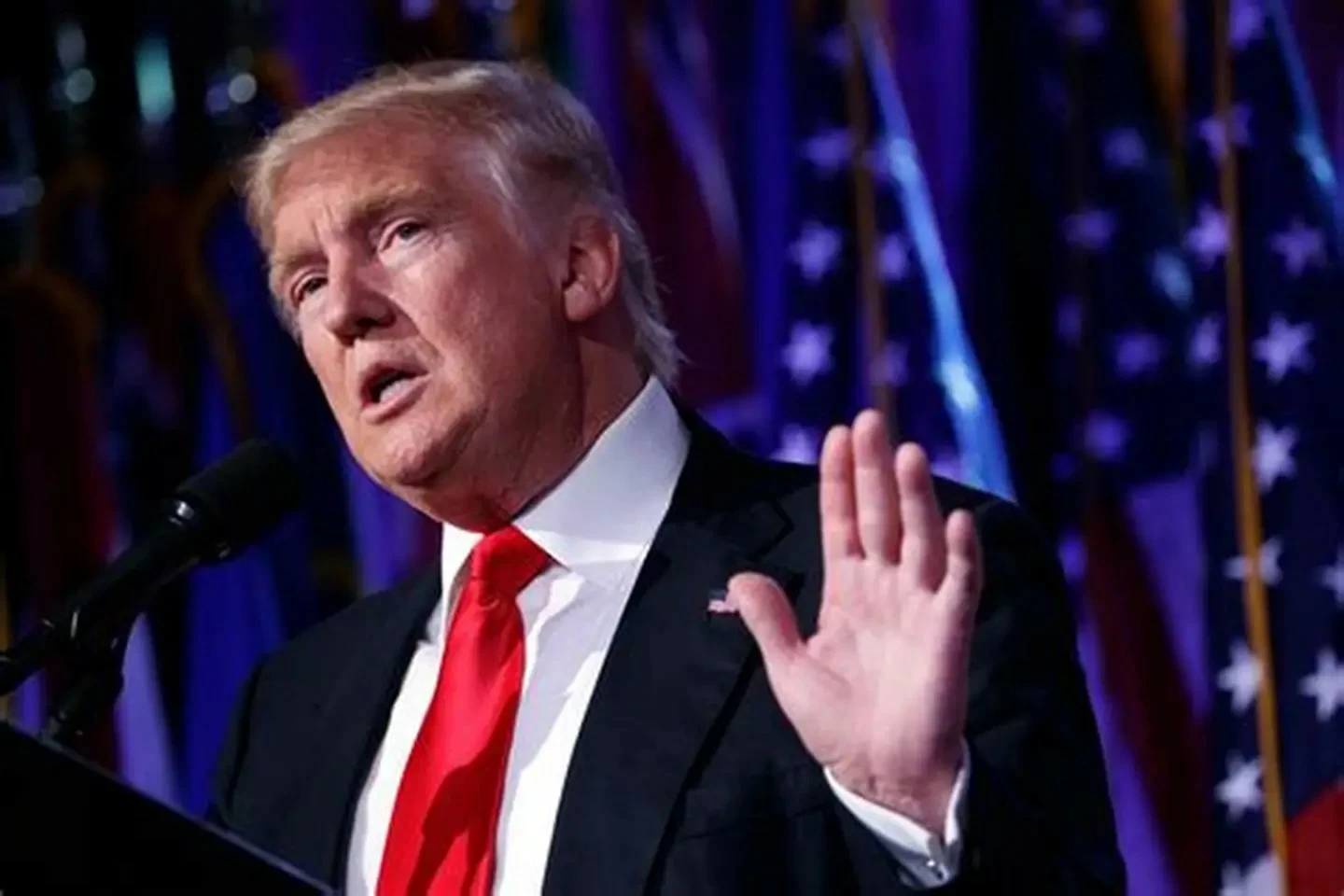
هدّد الرئيس الأمريكي دونالد ترمب بتصعيد الحرب على إيران، وأعلن أنه اعتباراً من الآن، في كل مرة تطلق فيها إيران النار على سفينة في مضيق هرمز، سواء كان ذلك بصاروخ أو قذيفة أو طائرة مسيّرة أو أي وسيلة أو سلاح آخر، ستقوم الولايات المتحدة بقصف وتدمير جسر أو محطة كهرباء. وأكد ترمب في منشور على منصة «إكس» (الأربعاء)، أن ذلك سيشمل المحطات الواقعة بجوار العاصمة طهران أو داخلها. وكان ترمب لوح، (الثلاثاء)، بإعادة الصراع إلى نقطة البداية، بشن هجوم باستخدام قنابل خارقة للتحصينات على «جبل الفأس»، القريب من منشأة نطنز النووية، الذي لم يتعرض لضربات خلال حرب الـ12 يوماً العام الماضي أو الحرب الحالية، في خطوة توسع نطاق الحرب إلى المنشآت النووية، مع وصول النزاع إلى «مفترق طرق». وقال الرئيس الأمريكي: «سنستهدف تلك المنطقة على الأرجح قريباً جداً»، مكرراً تهديداً سابقاً باستهداف الجبل، مضيفاً أنه «لا يوجد ما يمكنهم فعله لمنع ذلك». وهدّد باتخاذ إجراءات عسكرية ضد جماعة الحوثي، التي تحظى بدعم إيراني منذ سنوات، إذا مضت في خطتها بعرقلة الملاحة في البحر الأحمر، الذي أصبح يمثل بديلاً متزايد الأهمية عن مضيق هرمز. وفي حال نفذ ترمب تهديده بتوجيه ضربة جديدة إلى جبل الفأس، ستكون أول هجمة على موقع نووي رئيسي منذ الضربة التي أمر بها في 28 فبراير. وحتى الآن، جرى استثناء معظم المواقع النووية الإيرانية من الضربات الجديدة، ربما لأن قصفها مجدداً سيجعل من الصعب إزالة اليورانيوم المخصب من البلاد، إذا كانت الولايات المتحدة جادة في ذلك. ويعتقد مفتشون دوليون أنه من غير المرجح أن يحتوي موقع «جبل الفأس» على كميات كبيرة من اليورانيوم، إن وجدت أصلاً. وبدلاً من ذلك، يرجحون وجود أجزاء من أجهزة الطرد المركزي أو أجهزة مكتملة تحت الجبل، وهو هدف شديد التحصين يصعب تدميره حتى باستخدام أكبر القنابل الأمريكية الخارقة للتحصينات.
U.S. President Donald Trump threatened to escalate the war on Iran, announcing that from now on, every time Iran fires at a ship in the Strait of Hormuz, whether with a missile, shell, drone, or any other means or weapon, the United States will bomb and destroy a bridge or power station. Trump confirmed in a post on the "X" platform (Wednesday) that this would include stations located near or within the capital Tehran. Trump hinted on (Tuesday) at bringing the conflict back to square one by launching an attack using bunker-buster bombs on "Mount Fakh", near the Natanz nuclear facility, which had not been targeted during last year's 12-day war or the current war, in a move that expands the scope of the war to nuclear facilities, as the conflict reaches a "crossroads." The U.S. President stated, "We will likely target that area very soon," reiterating a previous threat to target the mountain, adding that "there is nothing they can do to prevent that." He threatened to take military action against the Houthi group, which has received Iranian support for years, if they proceed with their plan to disrupt navigation in the Red Sea, which has become an increasingly important alternative to the Strait of Hormuz. If Trump carries out his threat to strike Mount Fakh, it would be the first attack on a major nuclear site since the strike he ordered on February 28. So far, most Iranian nuclear sites have been excluded from new strikes, perhaps because bombing them again would make it difficult to remove enriched uranium from the country, if the United States is serious about that. International inspectors believe it is unlikely that the "Mount Fakh" site contains large amounts of uranium, if any at all. Instead, they suspect there are parts of centrifuges or complete devices under the mountain, which is a heavily fortified target that is difficult to destroy even using the largest U.S. bunker-buster bombs.