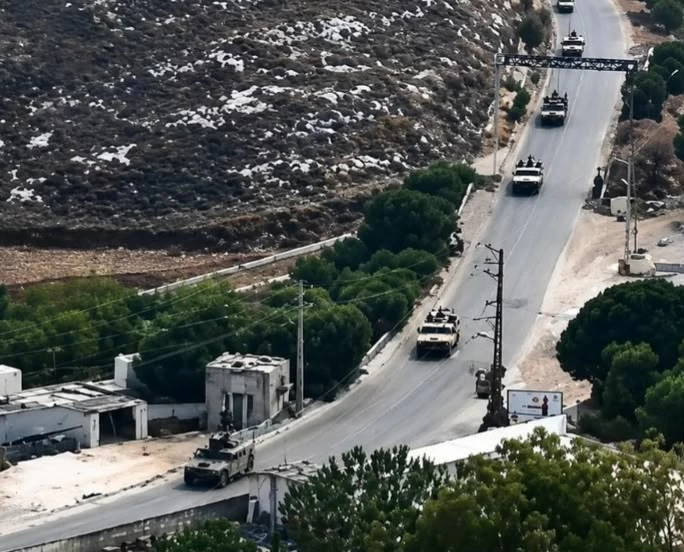
فيما يلتقي الرئيس الأمريكي دونالد ترمب نظيره اللبناني جوزيف عون خلال ساعات في البيت الأبيض، دخلت الترتيبات الأمنية جنوب نهر الليطاني مرحلة اختبار عملية ودقيقة صباح اليوم (الثلاثاء)، مع بدء وحدات الجيش اللبناني والفرق الهندسية التابعة له الانتشار في بلدة زوطر الغربية (قضاء النبطية)، في أول تطبيق عملي لمفهوم «المناطق التجريبية» المنبثق عن الاتفاق الإطاري المبرم برعاية أمريكية وتنسيق ثلاثي.
وجاء هذا الانتشار عقب انسحاب آليات الجيش الإسرائيلي من البلدة في ساعات الفجر الأولى، بعد ليلة شهدت تنفيذ عدة تفجيرات لمواقع وبنى تحتية في محيط بلديتي زوطر الشرقية والغربية. وفور خروج القوات الإسرائيلية، باشرت فرق الهندسة في الجيش اللبناني عمليات مسح واسعة لشوارع البلدة وأحيائها السكنية لتفكيك المتفجرات ومخلفات الحرب، بالتوازي مع تنفيذ تفجيرات خاضعة للسيطرة لتأمين النقاط الميدانية تمهيداً لتثبيت التموضع العسكري.
وفيما تواصلت الاتصالات المكثفة عبر مجموعة التنسيق العسكري الخاصة بلبنان لمتابعة مجريات الحركة الميدانية، أصدرت قيادة الجيش اللبناني توجيهات حازمة دعت فيها المواطنين إلى عدم التوجه إلى البلدة في الوقت الراهن، والالتزام الكامل بتعليمات الوحدات المنتشرة ريثما يستقر الوضع الأمني بشكل كامل، مشيرة في الوقت ذاته إلى استمرار مهماتها في مناطق جنوبية أخرى مثل فرون وصريفا.
وعلى الجانب الإسرائيلي، تحظى خطوة اليوم بمتابعة دقيقة وترقب واسع في الأوساط العسكرية، حيث تُعتبر زوطر الغربية بمثابة «اختبار ميداني» لمدى قدرة الجيش اللبناني على تسلم زمام المبادرة الأمنية، ومنع عودة مظاهر السلاح أو البنى التحتية غير الشرعية إلى المناطق المنكوبة. وتربط تل أبيب أي خطوات انسحاب لاحقة في بلدات أخرى بنجاح هذا النموذج التجريبي وتقييم نتائج الأداء الميداني للجيش.
هذه التطورات الميدانية لها حساسية خاصة لتزامنها مع اتصالات سياسية ودولية عالية المستوى تقودها واشنطن، إذ يُنظر إلى نجاح الانتشار في زوطر الغربية كشرط أساسي لدفع المفاوضات نحو التهدئة الشاملة وتثبيت آليات الانسحاب المتدرج على طول الشريط الحدودي.
As U.S. President Donald Trump meets with his Lebanese counterpart Joseph Aoun in the White House within hours, security arrangements south of the Litani River entered a phase of practical and precise testing this morning (Tuesday), with units of the Lebanese Army and its engineering teams beginning to deploy in the town of Zoutar al-Gharbiyeh (Nabatieh District), marking the first practical application of the concept of "experimental areas" stemming from the framework agreement brokered by the U.S. and coordinated through a trilateral effort.
This deployment followed the withdrawal of Israeli military vehicles from the town in the early hours of the morning, after a night that witnessed several explosions targeting sites and infrastructure around the municipalities of Zoutar al-Sharqi and al-Gharbiyeh. As soon as the Israeli forces left, engineering teams from the Lebanese Army began extensive surveying of the town's streets and residential neighborhoods to dismantle explosives and war remnants, alongside controlled detonations to secure field points in preparation for establishing military positioning.
While intensive communications continued through the military coordination group specific to Lebanon to monitor the developments of the field movement, the Lebanese Army Command issued firm directives urging citizens not to head to the town at this time and to fully comply with the instructions of the deployed units until the security situation stabilizes completely, while also noting the continuation of their missions in other southern areas such as Froun and Sarifa.
On the Israeli side, today's step is being closely monitored and widely anticipated within military circles, as Zoutar al-Gharbiyeh is considered a "field test" of the Lebanese Army's ability to take charge of security initiatives and prevent the return of armed manifestations or illegal infrastructure to the affected areas. Tel Aviv links any subsequent withdrawal steps in other towns to the success of this experimental model and the evaluation of the army's field performance results.
These field developments have particular sensitivity as they coincide with high-level political and international communications led by Washington, as the success of the deployment in Zoutar al-Gharbiyeh is viewed as a fundamental condition for advancing negotiations towards comprehensive calm and establishing mechanisms for gradual withdrawal along the border strip.