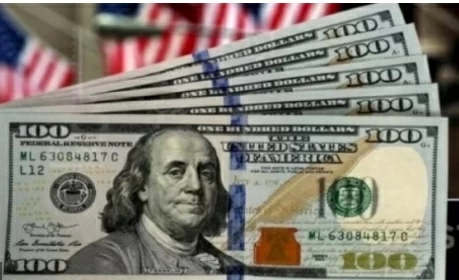
تراجع مؤشر الدولار خلال تعاملات اليوم، مع توقف مؤقت للضربات العسكرية بين الولايات المتحدة وإيران، ما أدى إلى هبوط أسعار النفط، بينما يترقب المستثمرون اجتماعات بنوك مركزية رئيسية هذا الأسبوع. وانخفض مؤشر الدولار، الذي يقيس أداء العملة الأمريكية أمام سلة من ست عملات رئيسية، بنسبة 0.20% إلى 101.281 نقطة.
نهج حذر
ويتوقع المستثمرون على نطاق واسع تثبيت أسعار الفائدة من قبل الفيدرالي (الأربعاء) القادم، يليه بنك إنجلترا (الخميس)، ثم بنك اليابان (الجمعة)، مع استمرار تبني نهج حذر تجاه التضخم.
ووفقاً لصحيفة «وول ستريت جورنال» وما نشرته قناة العربية أخيراً، كان المسؤولون في الاجتماع السابق منقسمين بالتساوي تقريباً؛ فريق يرى أن رفع الفائدة قد يصبح ضرورياً خلال العام، وفريق آخر يعتقد أن السياسة الحالية كافية.
وبحسب الصحيفة، أصبح القرار أكثر تعقيداً، حيث إن أي موجة جديدة من ارتفاع أسعار الطاقة قد تجعل التضخم العام أكثر عناداً، في وقت لا يزال فيه التضخم الأساسي عند 2.6%، أي أعلى من هدف الفيدرالي البالغ 2%.
إعادة الحسابات
وفقاً لما نشرته قناة العربية أخيراً، فإن الأسواق بدأت تعيد حساباتها، حيث ارتفعت توقعات رفع الفائدة في اجتماع 28 و29 يوليو الجاري إلى نحو 40%، مقارنة بنحو 10% فقط قبل أيام.
لكن هذه الأرقام لا تختصر كل الغموض، فهناك عامل آخر: رئيس الفيدرالي الجديد كيفن وارش، الذي يتحدث بصرامة عن ضرورة استعادة استقرار الأسعار، لم يوضح حتى الآن ما إذا كان يرى أن ذلك يتطلب رفع الفائدة فوراً أم الانتظار. وهذا ما يجعل اجتماع (الأربعاء) مختلفاً، فرفع الفائدة سيبعث رسالة واضحة بأن الفيدرالي مستعد للتحرك سريعاً أمام أي تهديد جديد للتضخم، أما التثبيت فلن ينهي الجدل، بل قد يؤجله ببساطة.
The dollar index declined during today's trading, with a temporary halt to military strikes between the United States and Iran, leading to a drop in oil prices, while investors are awaiting meetings of major central banks this week. The dollar index, which measures the performance of the U.S. currency against a basket of six major currencies, fell by 0.20% to 101.281 points.
Cautious Approach
Investors widely expect the Federal Reserve to hold interest rates steady at the upcoming meeting (Wednesday), followed by the Bank of England (Thursday), and then the Bank of Japan (Friday), while continuing to adopt a cautious approach towards inflation.
According to the Wall Street Journal and what was recently published by Al Arabiya, officials at the previous meeting were almost evenly divided; one group believes that raising interest rates may become necessary during the year, while another group thinks the current policy is sufficient.
According to the newspaper, the decision has become more complicated, as any new wave of rising energy prices could make overall inflation more stubborn, at a time when core inflation remains at 2.6%, which is above the Fed's target of 2%.
Reassessing the Situation
According to what was recently published by Al Arabiya, markets have begun to reassess their expectations, with the likelihood of an interest rate hike at the meeting on July 28 and 29 rising to about 40%, compared to only about 10% a few days ago.
However, these figures do not encapsulate all the uncertainty, as there is another factor: the new Fed Chair, Kevin Warsh, who speaks firmly about the need to restore price stability, has not yet clarified whether he believes this requires an immediate rate hike or waiting. This makes the (Wednesday) meeting different; raising interest rates would send a clear message that the Fed is ready to act quickly in the face of any new threat to inflation, while holding rates steady would not end the debate but could simply postpone it.