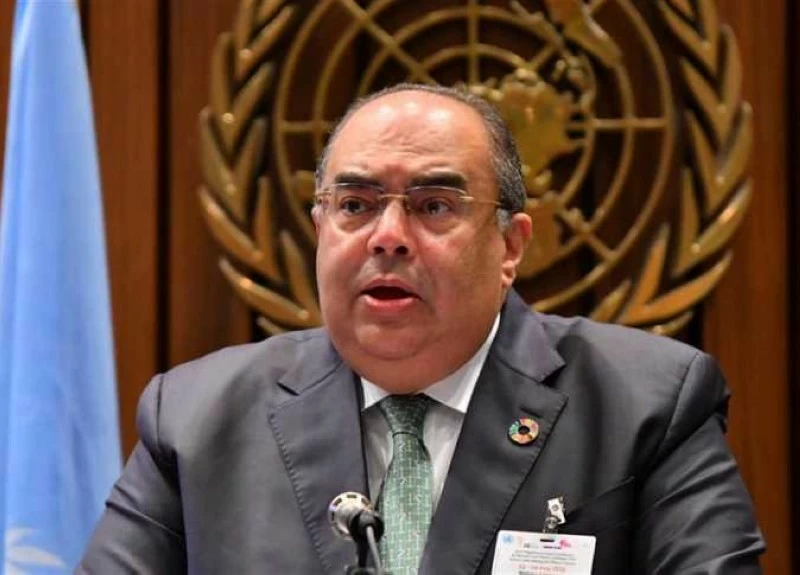
كشف المبعوث الخاص للأمم المتحدة لتمويل التنمية محمود محيي الدين، إن قرار المحكمة العليا الأمريكية بشأن الرسوم الجمركية لا يمكن اعتباره ضربة قاضية للأجندة الاقتصادية والتجارية للرئيس دونالد ترمب، بقدر ما يعكس حالة من الاضطراب والغموض وعدم اليقين التي تكتنف مشهد التجارة الأمربكية في المرحلة الراهنة.
ترسانة إجراءات
وقال محيي الدين، في مقابلة مع «العربية Business»، إن الرئيس الأمريكي لا يزال يمتلك ترسانة من الإجراءات القانونية المستندة إلى قوانين أخرى، من بينها قانون عام 1974، بما يجعل النتيجة النهائية غير محسومة بعد، سواء من حيث اعتبار القرار ضربة قوية أو مجرد انتكاسة مؤقتة.
رد سريع
وأوضح أن رد الفعل السريع من جانب ترمب، بإعلانه زيادة الرسوم الجمركية بنسبة 10% ثم رفعها إلى 15% خلال أقل من 24 ساعة، يثير عدة تساؤلات، أولها ما يتعلق باسترداد المدفوعات التي جرى تحصيلها، والتي تُقدَّر بين 132 و170 مليار دولار، باعتبارها رسوماً قد تُعد غير قانونية وواجبة السداد.
تساؤلات مطروحة
وأشار إلى أن من بين التساؤلات المطروحة أيضاً مصير الاتفاقات التي أُبرمت وفق الإجراءات السابقة مع عدد من الدول مثل المملكة المتحدة وأستراليا، التي توصلت إلى نسب رسوم عند حدود 10%.
وتساءل عما إذا كانت ستخضع للنسبة الجديدة البالغة 15%؟ أم ستظل الاتفاقات السابقة ملزمة للطرفين؟
The United Nations Special Envoy for Financing Development, Mahmoud Mohieldin, stated that the U.S. Supreme Court's decision regarding tariffs cannot be considered a knockout blow to President Donald Trump's economic and trade agenda, as much as it reflects a state of turmoil, ambiguity, and uncertainty surrounding the current landscape of American trade.
A Arsenal of Measures
Mohieldin said in an interview with "Al Arabiya Business" that the U.S. president still possesses an arsenal of legal measures based on other laws, including the 1974 Act, which makes the final outcome still undecided, whether in terms of considering the decision a strong blow or merely a temporary setback.
Quick Response
He explained that Trump's quick reaction, announcing a 10% increase in tariffs and then raising it to 15% within less than 24 hours, raises several questions, the first of which concerns the recovery of payments that were collected, estimated between $132 billion and $170 billion, as they may be considered illegal tariffs that are due for repayment.
Questions Raised
He pointed out that among the questions raised is the fate of agreements made under previous procedures with several countries such as the United Kingdom and Australia, which reached tariff rates around 10%.
He wondered whether these would be subject to the new rate of 15%? Or would the previous agreements remain binding for both parties?