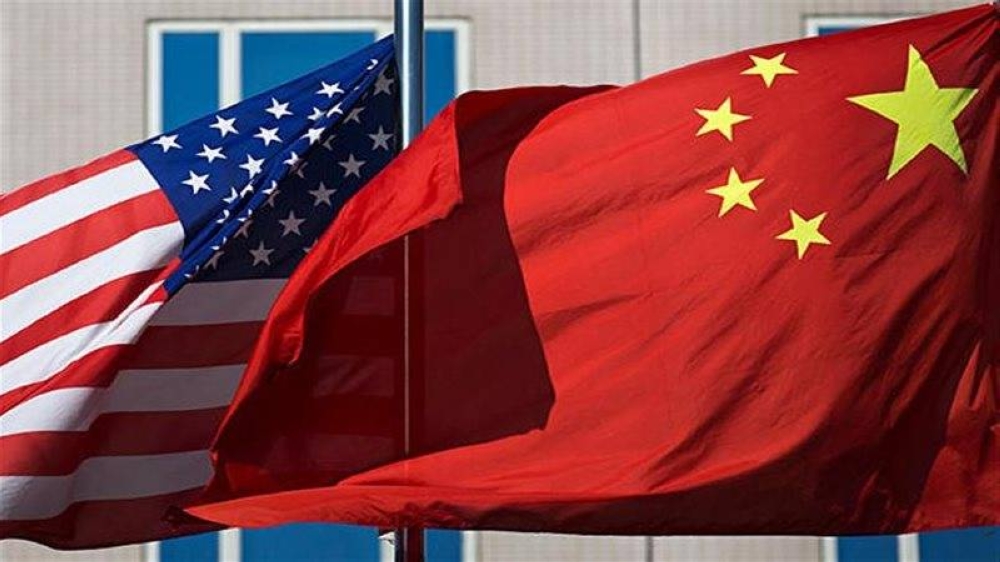
أعلنت الولايات المتحدة رفع القيود المفروضة على تصدير برمجيات تصميم الرقائق الإلكترونية ومنتجي الإيثان إلى الصين، في خطوة تعكس استمرار تخفيف التوترات التجارية بين واشنطن وبكين، بالتزامن مع تنازلات من الجانب الصيني بشأن تصدير المعادن النادرة.
وأفادت ثلاث من كبرى شركات تطوير برمجيات التصميم الإلكتروني (EDA) في العالم، وهي «سينوبسيس» و«كادينس ديزاين سيستمز» و«سيمنس»، أنها بدأت بإعادة توفير برمجياتها وخدماتها التقنية للعملاء في الصين.
وفي وقت سابق، ألغت الولايات المتحدة متطلبات الترخيص التقييدية التي فُرضت في مايو ويونيو الماضيين على منتجي الإيثان لتصدير منتجاتهم إلى الصين.
وكانت هذه القيود جزءًا من سلسلة إجراءات اتخذتها إدارة الرئيس الأمريكي دونالد ترمب رداً على تعليق الصين لتصدير المعادن النادرة والمغناطيسات المرتبطة بها في أبريل الماضي، وهي خطوة جاءت كرد فعل على الرسوم الجمركية التي فرضتها الولايات المتحدة في وقت سابق من العام.
وقد تسبب قرار الصين في تعطيل سلاسل التوريد لصناعات السيارات، والطيران، والرقائق الإلكترونية، والمقاولين العسكريين، مما هدد بإفشال مفاوضات صفقة تجارية ثنائية.
وأعلنت وزارة التجارة الصينية، يوم الجمعة، أن الجانبين توصلا إلى إطار اتفاق يتضمن مراجعة الصين لطلبات تصدير المواد الخاضعة للرقابة، بينما تلغي الولايات المتحدة القيود المقابلة.
ونقلت مصادر مطلعة عن المناقشات داخل الحكومة الأمريكية لوكالة «رويترز» قولها: الولايات المتحدة تصعّد لتخفف التوتر، فقد فرضت قيوداً على العديد من المنتجات لدفع الصين إلى التراجع عن موقفها بشأن المعادن النادرة.
وأضافت المصادر أن التزام الطرفين بهذا الإطار سيؤدي إلى رفع المزيد من القيود، مما يعيد الأوضاع إلى ما كانت عليه في فبراير ومارس الماضيين.
وأعلنت شركة «سيمنس» في بيان رسمي أنها استأنفت مبيعاتها ودعمها الفني للعملاء الصينيين بعد إخطارها من وزارة التجارة الأمريكية بإلغاء قيود التصدير، وارتفعت أسهم الشركة بنسبة 1.7% بعد افتتاح السوق يوم الخميس.
من جانبها، أكدت «سينوبسيس» أنها ستكمل تحديثات أنظمتها لاستعادة الوصول والدعم للعملاء الصينيين خلال ثلاثة أيام عمل، وفقاً لرسالة داخلية للشركة اطلعت عليها «رويترز»، ولم ترد وزارة التجارة الأمريكية على طلبات التعليق حتى الآن.
وكانت القيود طويلة الأمد على برمجيات التصميم الإلكتروني تهدد بتقويض صناعة تصميم الرقائق في الصين، حيث تسيطر «سينوبسيس» و«كادينس» و«سيمنس» على أكثر من 70% من سوق هذه البرمجيات في الصين، وفقاً لوكالة الأنباء الصينية «شينخوا».
ولم يتضح بعد ما إذا تم رفع إجراءات أخرى فرضتها الولايات المتحدة، مثل تعليق تراخيص شركة «جي إي إيروسبيس» لتصدير محركات طائرات لشركة «كوماك» الصينية لطائرتها C919، أو قيود على موردي المعدات النووية لمحطات الطاقة الصينية.
The United States announced the lifting of restrictions on the export of electronic chip design software and ethane producers to China, in a move that reflects the ongoing easing of trade tensions between Washington and Beijing, coinciding with concessions from the Chinese side regarding the export of rare metals.
Three of the world's largest electronic design automation (EDA) software development companies, namely "Synopsys," "Cadence Design Systems," and "Siemens," reported that they have begun to restore their software and technical services to clients in China.
Earlier, the United States canceled the restrictive licensing requirements imposed in May and June on ethane producers to export their products to China.
These restrictions were part of a series of measures taken by the administration of former U.S. President Donald Trump in response to China's suspension of rare metals and related magnets exports last April, a step that was a reaction to tariffs imposed by the United States earlier in the year.
China's decision had disrupted supply chains for the automotive, aerospace, semiconductor, and military contracting industries, threatening to derail negotiations for a bilateral trade deal.
The Chinese Ministry of Commerce announced on Friday that both sides had reached a framework agreement that includes China reviewing export requests for controlled materials, while the United States lifts corresponding restrictions.
Informed sources quoted discussions within the U.S. government to Reuters, stating: the United States is escalating to ease tensions, having imposed restrictions on many products to push China to back down on its stance regarding rare metals.
The sources added that both parties' commitment to this framework will lead to the lifting of more restrictions, restoring conditions to what they were in February and March.
Siemens announced in an official statement that it has resumed its sales and technical support for Chinese customers after being notified by the U.S. Department of Commerce about the lifting of export restrictions, and the company's shares rose by 1.7% after the market opened on Thursday.
For its part, Synopsys confirmed that it will complete updates to its systems to restore access and support for Chinese customers within three business days, according to an internal message from the company seen by Reuters, and the U.S. Department of Commerce has not yet responded to requests for comment.
Long-standing restrictions on electronic design software threatened to undermine the chip design industry in China, where Synopsys, Cadence, and Siemens control more than 70% of the market for this software in China, according to the Chinese news agency Xinhua.
It remains unclear whether other measures imposed by the United States have been lifted, such as the suspension of GE Aerospace's licenses to export aircraft engines to China's COMAC for its C919 aircraft, or restrictions on suppliers of nuclear equipment for Chinese power plants.