في أعقاب انتهاء العلاقات التعاقدية بين البحرين وبريطانيا العظمى في عام 1971، دشنت البلاد مرحلة جديدة من عملية البناء الوطني والتنظيم الإداري للدولة، حيث أصدر أمير البلاد الراحل الشيخ عيسى بن سلمان آل خليفة مراسيم متتالية، قضت بتغيير مسمى مجلس الدولة إلى مجلس الوزراء وتغيير مسمى أعضاء مجلس الدولة إلى وزراء وكذلك تغيير مسمى الدوائر إلى وزارات، وتعيين الشيخ خليفة بن سلمان آل خليفة رئيساً لأول مجلس وزراء في تاريخ البحرين، فقام بتشكيل حكومته الأولى في 15 أغسطس 1971 من عشرة وزراء، انتقاهم ممن توسم فيهم الخير والصلاح والخبرة من أبناء البحرين المتعلمين المخلصين وبعض أبناء الأسرة الخليفية الكريمة الحاكمة.
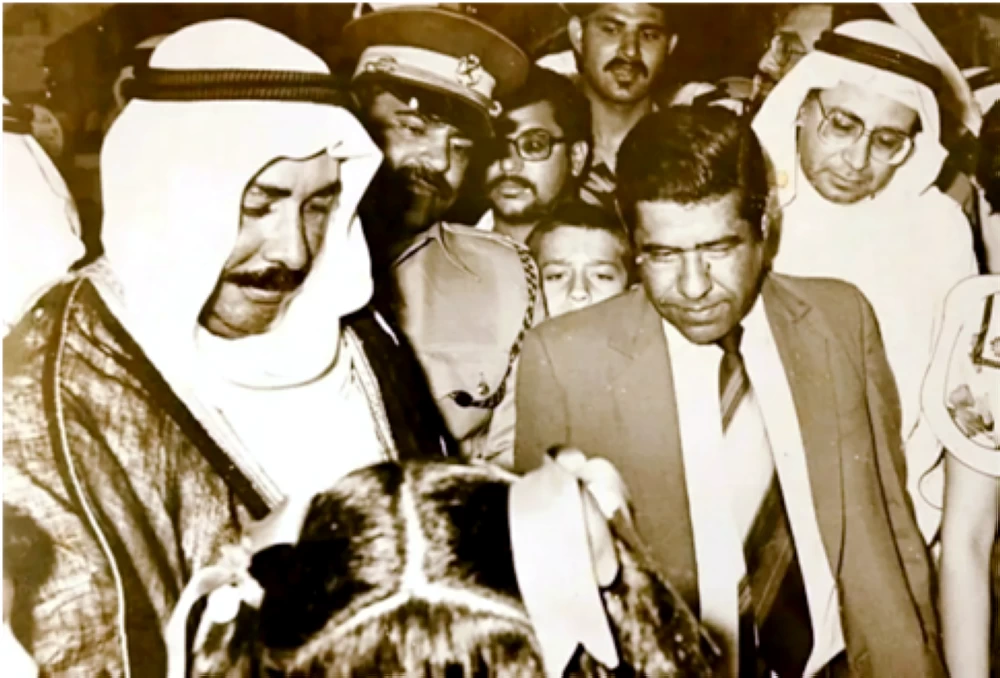
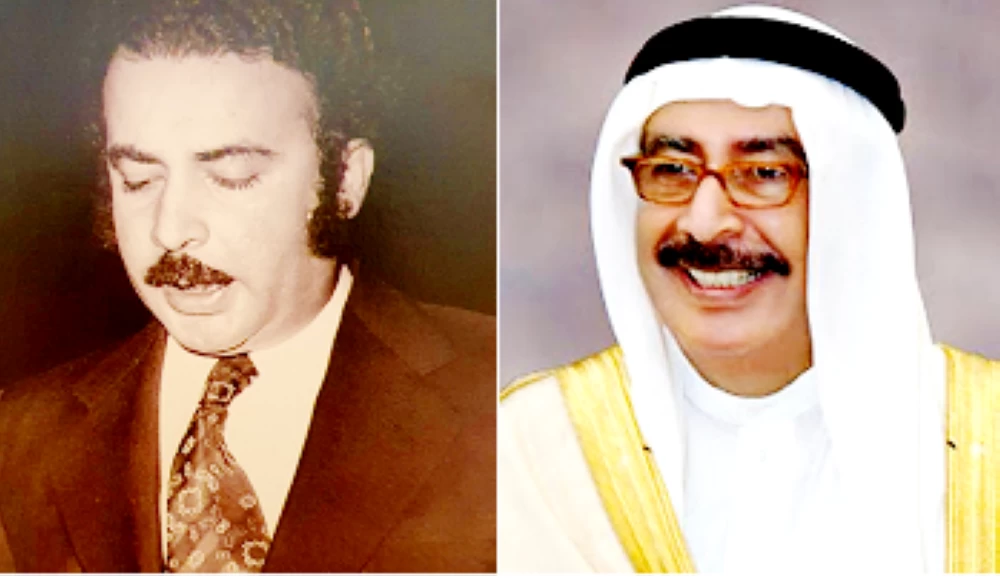
أحد هؤلاء الوزراء كان الأستاذ جواد سالم العريض، الذي سنستعرض سيرته ومسيرته في هذه المادة، استناداً إلى ما كتب عنه في المطبوعات البحرينية المختلفة، ولاسيما كتاب «كنتُ شاهداً على ما حدث»، الذي صدر في 2025 عن مؤسسة الأيام للنشر، وهو كتاب يجمع بين التاريخ الوطني للبحرين والسيرة الذاتية للعريض، من إعداد وتوثيق عباس مزعل والدكتور أحمد سالم العريض، اللذين حاولا أن يخرجا الكتاب بأسلوب أقرب إلى الشهادة الموثقة منه إلى المذكرات الخاصة. ثم كتاب «سالم عبدعلي العريض.. حصاد التجربة والأدوار الصعبة 1902 ــ 1982»، وهو كتاب صدر عن المؤسسة العربية للدراسات والنشر في بيروت في سنة 2020 من تأليف الدكتور أحمد سالم العريض ووسام السبع، عن سيرة والد المترجم له.
لم يكن العريض فقط من أوائل رجالات الدولة الذين اعتمد عليهم الأمير خليفة بن سلمان آل خليفة رحمه الله في بناء الدولة الوطنية وأجهزتها الحكومية، ولم يكن ممن خدموا الوطن من خلال الحقائب والمسؤوليات الرسمية المختلفة التي أسندت إليه منذ ستينات القرن العشرين فحسب، وإنما كان أيضاً صوت البحرين الرصين الهادئ، وخزينتها القانونية والمعرفية في جلسات المجلس التأسيسي الذي وضع أول دستور عصري للبحرين في عام 1972، ثم في جلسات أول برلمان وطني منتخب في عام 1973. حيث كان العريض عضواً في المجلسين بحكم منصبه الوزاري، فأبلى بلاء حسناً في مداخلاته وتعقيباته.
كتب عنه الصديق الأستاذ محمد بن دينة بجريدة الأيام البحرينية (8/5/2010) تحت عنوان «عندما يجسد العريض مقولة الملك (حلمت بوطن)» فقال ما مفاده، إن العريض عرف بأنه «مُقلّ في التصريحات الصحفية والظهور في وسائل الإعلام رغم أنه أمضى أكثر من أربعة عقود في العمل الرسمي الحكومي، فهو لا يزال يحمل قناعة تامة بضرورة (العمل في صمت)، رغم أنه ترك بصمات واضحة إزاء المسؤوليات التي أوكلت إليه أو أشرف عليها».
وتطرق بن دينة إلى كتاب ألفه العريض بعنوان «خط تحت الماء»، رسم فيه خريطة مصغرة للشرق الأوسط وشؤونه السياسية التي تعج بالكثير من المشكلات الإقليمية والنزاعات الحدودية، ومن بينها النزاع بين البحرين وقطر والذي نظرته وفصلت فيه محكمة العدل الدولية بشأن إقليم الزبارة وجزر حوار. فقال إن الكتاب: «يعتبر وثيقة لتاريخ هذا الخلاف وجذوره، خاصة وأنه يتضمن عرضاً للمسائل التاريخية والدلائل المحيطة بالنزاع. وقد ركزت مقدمة الكتاب على تحليل طبيعة النزاع وما بذل من جهود لتسويته، فيما خصصت أجزاؤه الأربعة للتفاصيل، خاصة من المنظور التاريخي للنزاع من خلال تاريخ العائلات الحاكمة وحدود سلطاتهم في الإقليم، ونفوذ القوى الأجنبية في الخليج على نشأة الكيانات السياسية في البحرين وقطر. أما الجزء الرابع، فقد تضمن سبل حل النزاع والجهود العديدة لحله ووساطات مجلس التعاون الخليجي، ومراحل ووقائع ونظر الدعوى أمام محكمة العدل الدولية.. كما ألقى هذا الجزء نظرة على أهمية الحكم الصادر عن محكمة العدل الدولية في 16 مارس 2001».
ولد جواد سالم عبد علي محمد العريض في عام 1940، في قلب المنامة القديمة التي وصفها بأنها مدينة تتجاور فيها الثقافات والأديان والمذاهب، وتتعانق فيها الأصالة بالتنوّع، مضيفاً: «في المنامة ترى المتناقضات وتعيش بينها... ترى المثقف صاحب الشهادات الذي يتقن بعض اللغات، والأمي، الذي بالكاد يعرف أن بين يديه حبراً على الورق، وليس نقش على حناء، وفيها الطقوس الدينية والخطباء والعلماء والمجالس، كما فيها المسيحيون واليهود والبهرة والبهائيون».
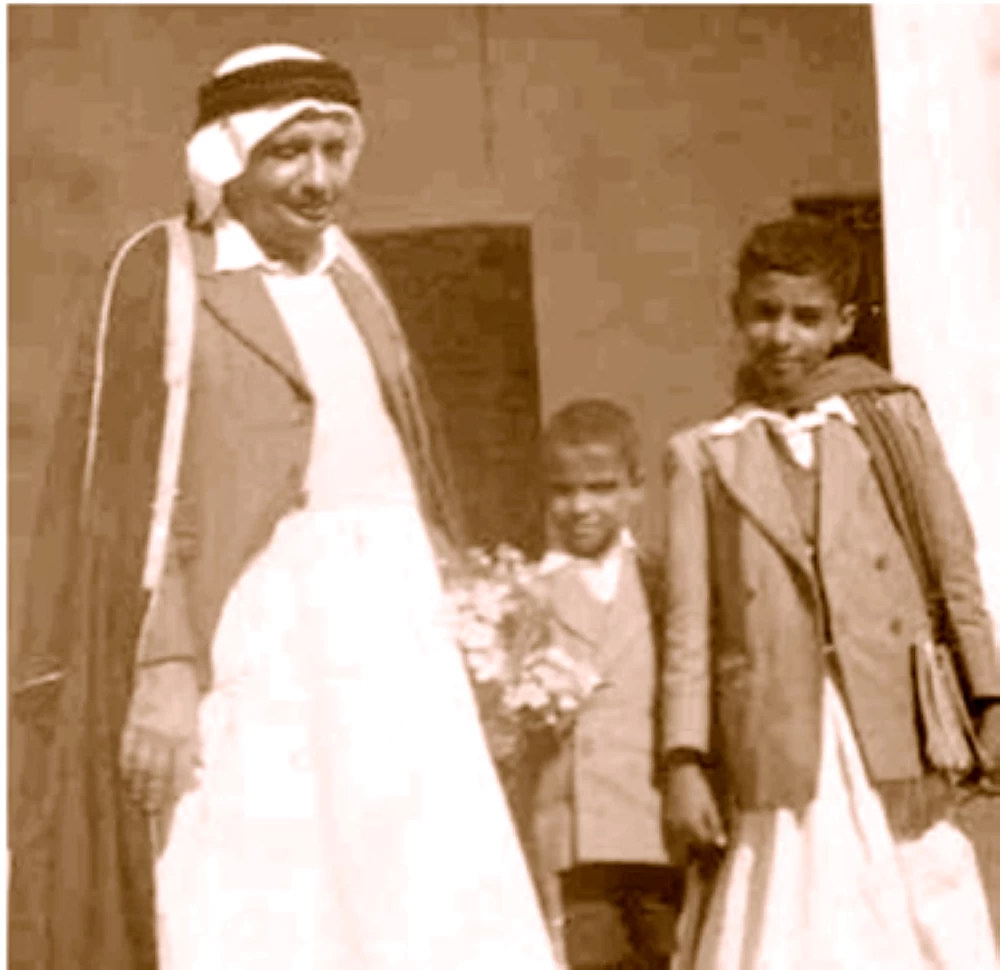
في هذه البيئة التعددية، نشأ صاحبنا ابناً لوالده «سالم عبد علي محمد العريض»، الذي مثل ظاهرة فريدة ومثيرة ومميزة في طبيعته الشخصية المعجونة بروح التحدي والمثابرة والطموح وفي أسلوب عمله بالمواقع المهنية التي شغلها. إذ إنه ولد في بومباي في عام 1902 لأسرة بحرينية عربية كريمة، ودرس بها كل مراحله الدراسية حتى نال شهادة الحقوق التي أهلته لممارسة مهنة المحاماة أمام المحاكم الهندية زمن الهند البريطانية، ولهذا يوصف سالم العريض (والد المترجم له) بأنه «من طلائع المثقفين البحرينيين الذين حملوا مشاعر التنوير الثقافي في أكثر من موقع، وساهموا بقسط وافر في دعم الانطلاقة الطموحة للتعليم النظامي في البحرين، وإرساء النهضة الإدارية الحديثة فيها» بحسب كلام المؤلف وسام السبع. وحينما عاد إلى البحرين في عام 1927، عمل في الجمارك ثم انتقل للعمل كمعلم للرياضيات واللغة الإنجليزية بالمدرسة الجعفرية بالمنامة (تغير اسمها إلى المدرسة الغربية ثم إلى مدرسة أبوبكر الصديق)، قبل أن يختتم حياته المهنية الطويلة مديراً للمحاكم البحرينية، وهو الموقع الذي قدم فيه خلاصة خبرته القانونية، مظهراً درايته العميقة بالتطبيقات العملية للأحكام الإسلامية في الهند البريطانية والخليج العربي.
وتعود أصول عائلة العريض، التي ينحدر منها المترجم له إلى عشيرة العريض العربية التي استمدت اسمها من منطقة تمتد من موقع بالقرب من المدينة المنورة إلى منطقة العارض النجدية. وطبقاً لبعض المصادر (مثل كتاب «بحر الأنساب المحيط» لمحمد بن أحمد بن عميد الدين النجفي)، فإن العائلة هاجرت إلى العراق واستقرت في النجف واشتغلت بالتجارة، قبل يقرر قسم منها الانتقال إلى البحرين، وقسم آخر العودة إلى السعودية. وكان أول من جاء منهم إلى البحرين وسكن منطقة الحورة هو الشيخ محمد العريض وذلك في عام 1686. وقد أنجبت العائلة للبحرين العديد من أعلامها ومنهم، إضافة إلى المترجم له ووالده، الشاعر الكبير إبراهيم عبدالحسن العريض، رحمه الله، وابنته الشاعرة ثريا العريض (عضو مجلس الشورى السعودي سابقاً)، ونجله الراحل الدكتور جليل العريض (نائب رئيس جامعة البحرين الأسبق للشؤون الأكاديمية)، والتاجر الحاج منصور العريض الذي يعد من وجوه مدينة المنامة التاريخيين ومن رواد تجارة اللؤلؤ في أوائل القرن العشرين، والرسام التشكيلي الراحل عبدالكريم علي العريض.
تلقى جواد سالم العريض تعليمه الابتدائي في أربعينات القرن العشرين بالمدرسة الغربية في المنامة، وقت أن كانت تحت إدارة المربي حسن جواد الجشي، ثم أكمل مرحلته الثانوية في ثانوية المنامة التي تأثر فيها بمعلميه المصريين. ولعل هذا ما جعله يختار جامعة القاهرة مكاناً لدراسته الجامعية، التي انتهت بحصوله على ليسانس اللغة الإنجليزية وآدابها. بعدها سافر العريض إلى المملكة المتحدة لدراسة القانون تأسياً بوالده، فحصل على شهادة عليا في القانون من جامعة ليدز البريطانية.
أخبرنا العريض، أن وعيه تشكل مبكراً، وقبل أن يسافر إلى الخارج، بسبب مرافقته الدائمة لوالده إلى الأنشطة الثقافية والرياضية التي كانت تقيمها أندية المنامة، ناهيك عن اهتمام أسرته بتوجيه أبنائها وبناتها إلى القراءة والاطلاع والبحث باستمرار. ويقول، إن ذلك كان سبباً من أسباب تعلقه بهوايات عديدة رافقته طوال حياته، كالتصوير والرسم والموسيقى. وعن أبيه قال: «كان أبي عماد البيت وعمود خيمته»، وأضاف، أنه كان محباً للعلم والثقافة، وصارماً وحنوناً في وقت واحد، وكان مرجعاً له في كل كبيرة وصغيرة.
6 مناصب وزارية
قلنا، إن جواد سالم العريض هو أول من تولى حقيبة العمل والشؤون الاجتماعية في البحرين في التشكيل الوزاري الأول سنة 1971، بعد أن كان رئيساً لدائرة العمل والشؤون الاجتماعية في مجلس الدولة، الذي كان بمثابة السلطة التنفيذية في المرحلة الانتقالية قبيل الاستقلال. وشغل العريض، قبل أن يترأس دائرة العمل، منصب المدعي العام بوزارة العدل في الفترة من 1969 إلى 1970 بسبب خلفيته القانونية، فكان أول بحريني يتولى هذا المنصب في تاريخ البحرين. ولهذا يصف وزارة العدل بأنها مدرسته الأولى التي كونت شخصيته الإدارية والقانونية، ويقول: «بدأت مسيرتي العملية في وزارة العدل وهي أولى المحطات التي تعلمت فيها أن العدالة ليست مجرد نصوص، بل ممارسة يومية تتطلب النزاهة والانضباط. كان عليّ أن أتعلم كيف يدار القانون لا كيف يقرأ فقط، وكيف يكون القرار منصفاً قبل أن يكون نافذاً».
بعد انتخابات المجلس الوطني في ديسمبر 1973، تقدمت الحكومة باستقالتها بموجب القواعد الديمقراطية والدستورية المعمول بها، وتم تشكيل حكومة جديدة. في هذه الحكومة أسند للعريض منصب وزير الدولة لشؤون مجلس الوزراء بدلاً من حقيبة العمل والشؤون الاجتماعية، التي ذهبت إلى الأستاذ إبراهيم محمد حميدان. وفي التشكيل الوزاري الثالث في عام 1975 حافظ العريض على منصبه، لكنه انتقل في تعديل وزاري أجري في 14 فبراير 1982 إلى منصب وزير الصحة خلفاً للدكتور علي محمد فخرو، الذي اختير لشغل حقيبة التربية والتعليم، وظل كذلك حتى 26 يونيو 1995، حينما تشكلت وزارة جديدة، عهد فيها إليه بمنصب وزير الدولة فيما ذهبت حقيبة الصحة إلى الدكتور فيصل رضي الموسوي. وفي 17 أبريل 2001 أسند إليه منصب وزير الدولة لشؤون البلديات وشؤون البيئة، وهو المنصب الذي ظل ممسكاً به حتى 11 نوفمبر 2002، حينما كلفه رئيس مجلس الوزراء بحقيبة العدل خلفاً للشيخ عبدالله بن خالد آل خليفة. وظل يشغل هذه الحقيبة إلى جانب منصب مستشار رئيس الوزراء للشؤون القانونية حتى 11 ديسمبر 2006، وهو تاريخ توليه أعلى مناصبه وهو منصب نائب رئيس مجلس الوزراء (الأمير سلمان بن حمد آل خليفة) حتى 13 يونيو 2022، حيث خلفه في هذا المنصب الشيخ خالد بن عبدالله آل خليفة.
من الأمم المتحدة إلى محكمة العدل الدولية
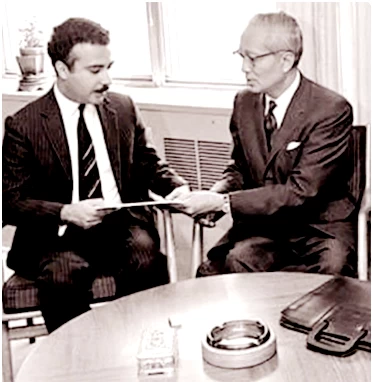
في حياة العريض محطات كثيرة من العمل الوطني والتفاني في خدمة وطنه وأهله وناسه، لكن هناك محطتين جديرتين بالإشارة. المحطة الأولى كانت في عام 1971، حينما اختاره رئيس الوزراء الراحل الأمير خليفة بن سلمان آل خليفة ليسافر إلى نيويورك ممثلاً عن دولة البحرين، ليقدم إلى الأمين العام للأمم المتحدة السيد يوثانت طلباً بالانضمام إلى هيئة الأمم المتحدة. وقد سافر العريض وقدم الطلب إلى يوثانت يوم 15 أغسطس 1971، لتصدر الجمعية العامة للأمم المتحدة في جلستها رقم 1934 بتاريخ 12 سبتمبر 1971 قراراً بالإجماع بالموافقة على عضوية البحرين في الأسرة الدولية، ولترفع علم البحرين أمام مبنى هيئة الأمم صبيحة 23 سبتمبر 1971. ومن المهم هنا التذكير، بأن اختيار العريض لهذه المهمة الوطنية كان بسبب ثقة الدولة بشخصه وعلمه وخبرته وإخلاصه. وعن هذه المحطة في مسيرته كتب قائلاً: «عندما شاركت في تقديم أوراق انضمام البحرين إلى الأمم المتحدة، شعرت أن تلك اللحظة كانت ميلاداً دبلوماسياً للدولة الجديدة، وامتداداً طبيعياً لنضوجها القانوني».
أما المحطة الثانية، فقد كانت قيادته للفريق القانوني البحريني أمام محكمة العدل الدولية في لاهاي وقت النظر في قضية النزاع الحدودي بين البحرين وقطر سنة 2000، والتي انتهت بحكم نهائي في 16 مارس 2001. وحول هذه المحطة قال العريض: «تشرفت برئاسة الفريق القانوني البحريني أمام محكمة العدل الدولية، وكانت القضية مثالاً على أن السيادة تصان بالقانون، كما تصان بالقوة. كان الانتصار للبحرين ثمرة إعداد طويل، ودقة في التفاصيل، وإيمان بعدالة موقفنا».
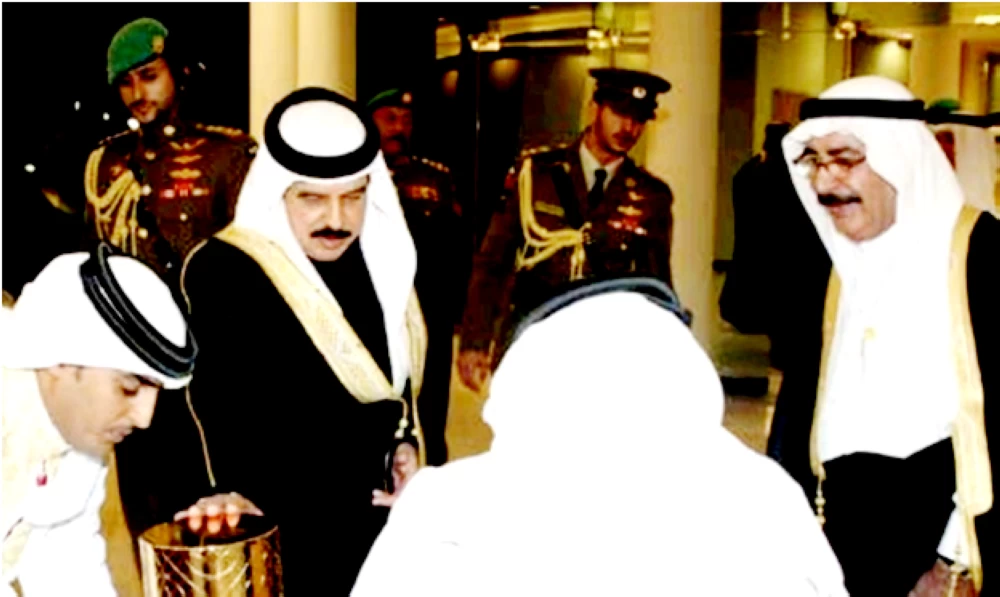
ونختتم بالإشارة إلى أن العريض بعد تركه المناصب الرسمية، تفرغ للعمل العام الذي تجسد خير تجسيد في قيامه بالإشراف على تصميم وتنفيذ صرح الميثاق الوطني، بتكليف من الملك حمد بن عيسى آل خليفة.
In the aftermath of the termination of contractual relations between Bahrain and Great Britain in 1971, the country embarked on a new phase of national construction and administrative organization of the state. The late Amir, Sheikh Isa bin Salman Al Khalifa, issued successive decrees that changed the name of the State Council to the Cabinet, the name of the members of the State Council to Ministers, and the name of the departments to Ministries. He appointed Sheikh Khalifa bin Salman Al Khalifa as the head of the first Cabinet in Bahrain's history, who formed his first government on August 15, 1971, consisting of ten ministers selected from among the educated and loyal Bahrainis, as well as some members of the ruling Al Khalifa family.
One of these ministers was Mr. Jawad Salem Al-Aryedh, whose biography and career we will review in this article, based on what has been written about him in various Bahraini publications, particularly the book "I Was a Witness to What Happened," published in 2025 by Al-Ayam Publishing Foundation. This book combines the national history of Bahrain with Al-Aryedh's autobiography, prepared and documented by Abbas Maz'al and Dr. Ahmad Salem Al-Aryedh, who tried to present the book in a style closer to documented testimony than to personal memoirs. Then there is the book "Salem Abdul Ali Al-Aryedh... Harvest of Experience and Difficult Roles 1902-1982," published by the Arab Institute for Studies and Publishing in Beirut in 2020, authored by Dr. Ahmad Salem Al-Aryedh and Wissam Al-Sab' regarding the biography of the father of the translator.
Al-Aryedh was not only one of the first statesmen relied upon by Amir Khalifa bin Salman Al Khalifa, may he rest in peace, in building the national state and its governmental apparatuses, nor was he merely someone who served the nation through various official responsibilities assigned to him since the 1960s. He was also the calm and steady voice of Bahrain and its legal and intellectual treasury during the sessions of the Constituent Assembly that drafted the first modern constitution for Bahrain in 1972, and then in the sessions of the first elected national parliament in 1973. Al-Aryedh was a member of both councils by virtue of his ministerial position, and he performed admirably in his interventions and comments.
His friend, Mr. Mohammed bin Deena, wrote in Al-Ayam newspaper (8/5/2010) under the title "When Al-Aryedh Embodies the King's Saying (I Dreamed of a Nation)," stating that Al-Aryedh was known for being "sparing in press statements and appearances in the media, despite having spent more than four decades in official government work. He still holds a firm conviction about the necessity of (working in silence), even though he left clear marks regarding the responsibilities entrusted to him or supervised."
Bin Deena also referred to a book authored by Al-Aryedh titled "Underwater Line," in which he drew a miniature map of the Middle East and its political affairs, which are rife with many regional problems and border disputes, including the dispute between Bahrain and Qatar, which was adjudicated by the International Court of Justice regarding the Zubara region and the Hawar Islands. He stated that the book "serves as a document for the history of this dispute and its roots, especially since it includes a presentation of the historical issues and evidence surrounding the conflict. The introduction of the book focused on analyzing the nature of the dispute and the efforts made to resolve it, while its four sections were dedicated to details, especially from the historical perspective of the conflict through the history of the ruling families and the limits of their powers in the region, as well as the influence of foreign powers in the Gulf on the emergence of political entities in Bahrain and Qatar. The fourth section included ways to resolve the dispute and the numerous efforts to settle it, the mediations of the Gulf Cooperation Council, and the stages and facts of the case before the International Court of Justice. This section also looked at the importance of the ruling issued by the International Court of Justice on March 16, 2001.
Jawad Salem Abdul Ali Mohammed Al-Aryedh was born in 1940 in the heart of old Manama, which he described as a city where cultures, religions, and sects coexist, and where authenticity intertwines with diversity. He added, "In Manama, you see contradictions and live among them... you see the educated person with degrees who masters some languages, and the illiterate who barely knows that he has ink on paper, not henna on skin. It is a place of religious rituals, speakers, scholars, and councils, as well as Christians, Jews, Bohras, and Bahá'ís."
In this pluralistic environment, our subject grew up as the son of his father, "Salem Abdul Ali Mohammed Al-Aryedh," who represented a unique and intriguing phenomenon in his personal nature, infused with a spirit of challenge, perseverance, and ambition, as well as in his work style in the professional positions he held. He was born in Bombay in 1902 to a noble Arab Bahraini family and completed all his educational stages there until he obtained a law degree that qualified him to practice law before Indian courts during British India. For this reason, Salem Al-Aryedh (the father of the translator) is described as "one of the pioneers of Bahraini intellectuals who carried the sentiments of cultural enlightenment in more than one position and contributed significantly to supporting the ambitious launch of formal education in Bahrain and establishing modern administrative renaissance there," according to the author Wissam Al-Sab'. When he returned to Bahrain in 1927, he worked in customs and then moved to work as a mathematics and English teacher at the Ja'afari School in Manama (which changed its name to the Western School and then to Abu Bakr Al-Siddiq School), before concluding his long professional life as the director of Bahraini courts, a position in which he showcased his legal expertise, demonstrating his deep understanding of the practical applications of Islamic rulings in British India and the Arabian Gulf.
The Al-Aryedh family's origins, from which the translator descends, trace back to the Al-Aryedh Arab clan that derived its name from an area extending from a location near Medina to the Al-Arid region in Najd. According to some sources (such as the book "Sea of Lineages" by Mohammed bin Ahmad bin Amied Al-Din Al-Najafi), the family migrated to Iraq, settled in Najaf, and engaged in trade, before deciding that part of them would move to Bahrain, while another part returned to Saudi Arabia. The first to come to Bahrain and settle in the Hawar area was Sheikh Mohammed Al-Aryedh in 1686. The family has produced many of Bahrain's notable figures, including, in addition to the translator and his father, the great poet Ibrahim Abdul Hassan Al-Aryedh, may he rest in peace, his daughter the poetess Thuraya Al-Aryedh (a former member of the Saudi Shura Council), his late son Dr. Jalil Al-Aryedh (former Vice President of the University of Bahrain for Academic Affairs), the merchant Haj Mansour Al-Aryedh, who is considered one of the historical figures of Manama and a pioneer in the pearl trade in the early twentieth century, and the late visual artist Abdul Karim Ali Al-Aryedh.
Jawad Salem Al-Aryedh received his primary education in the 1940s at the Western School in Manama, when it was under the management of educator Hassan Jawad Al-Jashi. He then completed his secondary education at Manama Secondary School, where he was influenced by his Egyptian teachers. Perhaps this is what led him to choose Cairo University as the place for his university studies, which ended with him obtaining a Bachelor's degree in English language and literature. After that, Al-Aryedh traveled to the United Kingdom to study law, following in his father's footsteps, and obtained a higher degree in law from the University of Leeds.
Al-Aryedh told us that his awareness was formed early on, even before he traveled abroad, due to his constant companionship with his father to cultural and sports activities organized by clubs in Manama, not to mention his family's interest in directing their sons and daughters towards continuous reading, exploration, and research. He said that this was one of the reasons for his attachment to many hobbies that accompanied him throughout his life, such as photography, painting, and music. About his father, he said: "My father was the pillar of the house and the column of its tent," adding that he was a lover of knowledge and culture, strict yet affectionate at the same time, and was a reference for him in every big and small matter.
6 Ministerial Positions
We said that Jawad Salem Al-Aryedh was the first to hold the portfolio of Labor and Social Affairs in Bahrain in the first ministerial formation in 1971, after having been the head of the Labor and Social Affairs Department in the State Council, which served as the executive authority during the transitional phase before independence. Al-Aryedh held the position of Attorney General at the Ministry of Justice from 1969 to 1970 due to his legal background, making him the first Bahraini to hold this position in Bahrain's history. For this reason, he describes the Ministry of Justice as his first school that shaped his administrative and legal personality, saying: "I began my career in the Ministry of Justice, which was the first station where I learned that justice is not just texts, but a daily practice that requires integrity and discipline. I had to learn how the law is managed, not just how it is read, and how a decision can be fair before it is enforced."
After the National Assembly elections in December 1973, the government submitted its resignation in accordance with the democratic and constitutional rules in place, and a new government was formed. In this government, Al-Aryedh was assigned the position of Minister of State for Cabinet Affairs instead of the Labor and Social Affairs portfolio, which went to Mr. Ibrahim Mohammed Hamidan. In the third ministerial formation in 1975, Al-Aryedh retained his position, but in a ministerial reshuffle on February 14, 1982, he moved to the position of Minister of Health, succeeding Dr. Ali Mohammed Fakhro, who was chosen to take over the Ministry of Education. He remained in this position until June 26, 1995, when a new ministry was formed, and he was entrusted with the position of Minister of State while the Health portfolio went to Dr. Faisal Razi Al-Mousawi. On April 17, 2001, he was assigned the position of Minister of State for Municipal Affairs and the Environment, a position he held until November 11, 2002, when the Prime Minister appointed him as Minister of Justice, succeeding Sheikh Abdullah bin Khalid Al Khalifa. He continued to hold this position alongside his role as Legal Advisor to the Prime Minister until December 11, 2006, the date he assumed his highest position as Deputy Prime Minister (Prince Salman bin Hamad Al Khalifa) until June 13, 2022, when he was succeeded in this position by Sheikh Khalid bin Abdullah Al Khalifa.
From the United Nations to the International Court of Justice
In Al-Aryedh's life, there are many milestones of national work and dedication to serving his country and its people, but there are two noteworthy stations. The first station was in 1971 when the late Prime Minister Amir Khalifa bin Salman Al Khalifa chose him to travel to New York to represent the State of Bahrain and present a request to UN Secretary-General U Thant for Bahrain's membership in the United Nations. Al-Aryedh traveled and submitted the request to U Thant on August 15, 1971, leading the UN General Assembly to issue Resolution 1934 on September 12, 1971, unanimously approving Bahrain's membership in the international community, and raising the Bahraini flag in front of the UN building on the morning of September 23, 1971. It is important to note here that Al-Aryedh was chosen for this national mission due to the state's trust in his personality, knowledge, experience, and dedication. Regarding this milestone in his career, he wrote: "When I participated in submitting Bahrain's accession papers to the United Nations, I felt that moment was a diplomatic birth for the new state and a natural extension of its legal maturity."
The second station was his leadership of the Bahraini legal team before the International Court of Justice in The Hague during the consideration of the border dispute case between Bahrain and Qatar in 2000, which concluded with a final ruling on March 16, 2001. Regarding this station, Al-Aryedh said: "I was honored to lead the Bahraini legal team before the International Court of Justice, and the case was an example of how sovereignty is protected by law, just as it is protected by force. The victory for Bahrain was the result of long preparation, attention to detail, and faith in the justice of our position."
We conclude by noting that after leaving his official positions, Al-Aryedh dedicated himself to public work, which was best embodied in his supervision of the design and implementation of the National Charter monument, commissioned by King Hamad bin Isa Al Khalifa.