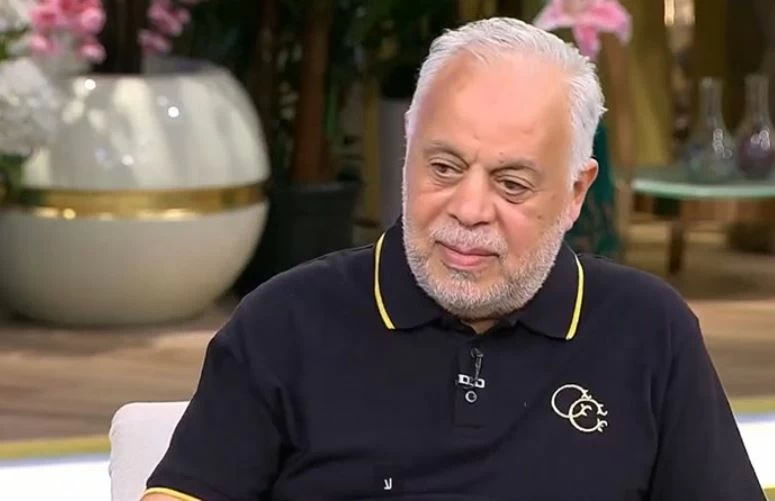
أعلنت نقابة المهن التمثيلية برئاسة الدكتور أشرف زكي، انتهاء أزمة العرض المسرحي «الدحديرة» المقام في كلية الحقوق بجامعة العاصمة، بعد التوصل إلى اتفاق مع إدارة الجامعة سمح باستئناف العرض، بعد أسابيع من الجدل الذي امتد إلى البرلمان ومجلس الشيوخ.
قطع الإضاءة والموسيقى
وتم احتواء الأزمة عقب تشكيل النقابة لجنة رفيعة المستوى ضمت عددًا من الفنانين والمخرجين، من بينهم أشرف عبد الباقي، وهشام عطوة، وأيمن الشيوي، وعصام السيد، إلى جانب نقيب الممثلين، للتدخل واحتواء الموقف والتنسيق مع إدارة الجامعة.
وبدأت الأزمة بعد انتشار مقطع فيديو نشره مخرج العرض والطالب محمد أشرف الشهير بـ«ميزو»، وثّق فيه إيقاف العرض قبل صعود الفريق إلى المسرح، عبر قطع الإضاءة والموسيقى داخل القاعة.
تمويل ذاتي
وأوضح مخرج المسرحية بأن الطلاب عملوا على المشروع لأربعة أشهر بتمويل ذاتي، مشيرًا إلى أن بعض التبريرات التي طُرحت آنذاك اعتبرت التمثيل غير جائز، ما أثار حالة جدل واسعة داخل الأوساط الفنية والجامعية.
في المقابل، نفت جامعة العاصمة هذه الاتهامات، مؤكدة في بيان رسمي احترامها للأنشطة الطلابية والإبداعية، بينما أشارت مصادر محلية إلى أن قرار الإيقاف جاء نتيجة مخالفة إدارية تتعلق بمشاركة طالبين صادر بحقهما قرار سابق بالحرمان من النشاط.
«الدحديرة» تصل للبرلمان
ومع تصاعد الجدل، تقدم عضو مجلس الشيوخ الفنان ياسر جلال، بطلب إحاطة إلى وزير التعليم العالي، مطالبًا بفتح تحقيق عاجل في الواقعة.
وأثمرت جهود لجنة نقابة الممثلين عن تقريب وجهات النظر بين إدارة الجامعة وفريق العمل، بما يضمن استمرار النشاط المسرحي وفق اللوائح المنظمة.
وأصدر فريق المسرحية بيانًا قدّم فيه اعتذارًا رسميًا، مؤكدًا عدم صحة ما تم تداوله بشأن صدور قرار مباشر من رئيس الجامعة بإيقاف العرض.
من جانبها، أعلنت عميدة كلية الحقوق الدكتورة أمل لطفي قبول الاعتذار، لتُطوى بذلك صفحة الخلاف، ويُسمح باستئناف عرض «الدحديرة» داخل أسوار الجامعة.
The Syndicate of Artistic Professions, headed by Dr. Ashraf Zaki, announced the resolution of the crisis surrounding the theatrical performance "Al-Dahdira," held at the Faculty of Law at the Capital University, after reaching an agreement with the university administration that allowed the resumption of the show, following weeks of controversy that extended to Parliament and the Senate.
Lighting and Music Cut
The crisis was contained after the syndicate formed a high-level committee that included several artists and directors, among them Ashraf Abdel Baqi, Hisham Atwa, Ayman Al-Shiwi, and Issam El-Sayed, along with the syndicate's head, to intervene, contain the situation, and coordinate with the university administration.
The crisis began after a video was circulated, posted by the director of the show and student Mohamed Ashraf, known as "Mizo," documenting the interruption of the performance before the team took the stage, through cutting the lighting and music inside the hall.
Self-Funding
The director of the play explained that the students worked on the project for four months with self-funding, noting that some justifications raised at the time considered the performance impermissible, which sparked widespread controversy within artistic and academic circles.
In contrast, the Capital University denied these accusations, affirming in an official statement its respect for student and creative activities, while local sources indicated that the decision to suspend was due to an administrative violation concerning the participation of two students who had previously been banned from activities.
"Al-Dahdira" Reaches Parliament
As the controversy escalated, Senate member and artist Yasser Jalal submitted a request for clarification to the Minister of Higher Education, demanding an urgent investigation into the incident.
The efforts of the actors' syndicate committee resulted in bridging the views between the university administration and the working team, ensuring the continuation of theatrical activities in accordance with the organizing regulations.
The theater team issued a statement in which they offered an official apology, affirming that the claims regarding a direct decision from the university president to suspend the performance were untrue.
For her part, the Dean of the Faculty of Law, Dr. Amal Lotfy, announced the acceptance of the apology, thus closing the chapter of the dispute and allowing the resumption of the "Al-Dahdira" performance within the university's walls.