لم تكن اللغة العربية في تاريخ المملكة العربية السعودية مجرد أداة للتخاطب، أو وعاء للتعليم والمعرفة، بل كانت منذ البدايات الأولى لبناء الدولة أحد ملامح هويتها، وركيزة من ركائز نهضتها الحضارية، ولسانًا يجمع بين عمق الانتماء العربي والإسلامي ومتطلبات الدولة الحديثة. وعلى امتداد عهود ملوك المملكة السبعة، تشكّلت مسيرة متراكمة من القرارات والمؤسسات والمبادرات التي انتقلت بالعناية بالعربية من ترسيخ مكانتها في أنظمة الدولة وتعليمها، إلى نشرها خارج الحدود، ثم بناء المؤسسات المتخصصة لخدمتها، وصولًا إلى تمكينها في الفضاء الرقمي وتقنيات الذكاء الاصطناعي.
ولعل اللافت في هذه المسيرة أن الاهتمام النظامي بالعربية سبق إعلان توحيد المملكة باسمها المعروف اليوم. ففي عام 1346هـ، وتحديدًا في 24 ربيع الأول، صدر عن مجلس الشورى، وفق ما توثقه الدراسات المتخصصة في السياسة اللغوية السعودية، قرار يؤكد العناية باللغة العربية والمحافظة على أساليبها، بوصفها اللغة الرسمية للحكومة. كانت تلك الخطوة المبكرة تعبيرًا عن موقع العربية في مشروع بناء الدولة الذي قاده الملك المؤسس عبدالعزيز بن عبدالرحمن آل سعود رحمه الله، قبل أن يحمل الكيان الموحد، عام 1351هـ/1932م، اسم المملكة العربية السعودية، فغدت العربية جزءًا أصيلًا من الاسم والهوية معًا.
وفي عهد الملك عبدالعزيز، رحمه الله، اقترن تثبيت مكانة العربية ببناء المؤسسات التعليمية التي ستنهض بمهمة تعليم الأجيال. فقد أُنشئت مديرية المعارف عام 1344هـ، وتوالى تأسيس المدارس، ثم أُنشئ المعهد العلمي السعودي لإعداد المعلمين، وجاءت بعد ذلك كلية الشريعة بمكة المكرمة عام 1369هـ لتفتح مرحلة التعليم العالي. ولم تكن هذه المؤسسات جميعها مخصصة لخدمة اللغة العربية وحدها، لكنها أسّست البيئة التعليمية التي أتاحت لها الانتشار، ورسخت حضورها في تكوين الإنسان السعودي ومؤسسات دولته الناشئة.
وفي عهد الملك سعود بن عبدالعزيز، رحمه الله، اتسعت دائرة التعليم، وبدأت العربية تجد موقعًا أكثر تخصصًا في مؤسسات التعليم العالي. ففي عام 1374هـ/1954م، افتُتحت كلية اللغة العربية بالرياض، لتكون أول كلية متخصصة في علوم العربية بالمملكة، وقد أصبحت لاحقًا، إلى جانب كلية الشريعة، نواة جامعة الإمام محمد بن سعود الإسلامية التي تأسست عام 1394هـ/1974م. وحين أُسست جامعة الملك سعود عام 1377هـ/1957م، كانت كلية الآداب منطلقها الأول، وضمّت قسمًا للغة العربية وآدابها، في دلالة على حضور العربية في البدايات الجامعية للمملكة. وشهد عهد الملك سعود أيضًا إنشاء الجامعة الإسلامية بالمدينة المنورة عام 1381هـ/1961م، التي استقبلت طلابًا من بلدان إسلامية متعددة، وأسهمت، من خلال الدراسة بالعربية، في توسيع دائرة المتعلمين بها خارج المجتمع العربي. وهكذا أخذت العربية تتجاوز وظيفتها التعليمية داخل المملكة إلى دور أوسع في التواصل مع العالم الإسلامي.
وفي عهد الملك فيصل بن عبدالعزيز، رحمه الله، اكتسب تعليم العربية للناطقين بغيرها بعدًا مؤسسيًا أكثر وضوحًا. ففي 25 جمادى الآخرة 1394هـ/1974م، صدر المرسوم بإنشاء معهد اللغة العربية بجامعة الملك سعود، الذي بدأ عمله في العام التالي، وعُرف لاحقًا بمعهد اللغويات العربية. ولم يكن إنشاء المعهد مجرد إضافة إلى كليات الجامعة، بل خطوة متخصصة تستهدف تعليم العربية لغير الناطقين بها، وإعداد المعلمين وتأهيلهم لنقلها إلى مجتمعات وثقافات أخرى. وشهد عهده كذلك ترسيخ حضور العربية في المعاملات الاقتصادية؛ إذ أصدر مجلس الوزراء عام 1393هـ قراره رقم (1295) القاضي بإلزام الشركات الأجنبية باستعمال العربية في مكاتباتها ومعاملاتها. وعلى الصعيد الدولي، شهدت المحافل الأممية إنجازًا تاريخيًا باعتماد العربية لغة رسمية ولغة عمل في الجمعية العامة للأمم المتحدة في ديسمبر 1973م، ثمرةً لجهد عربي جماعي شاركت المملكة في دعمه، امتدادًا لاهتمامها بتعزيز مكانة العربية وحضورها العالمي.
أما عهد الملك خالد بن عبدالعزيز، رحمه الله، فقد شهد خطوات مهمة في حماية اللغة العربية نظاميًا وتوسيع تعليمها؛ إذ نص نظام القضاء الصادر عام 1395هـ على رسمية العربية في المحاكم، وتأكد خلال عهده إلزام الشركات والمؤسسات الأجنبية باستعمالها في مراسلاتها مع الجهات الحكومية. وهي قرارات تكشف أن صون اللغة لم يكن شأنًا ثقافيًا فحسب، بل امتد إلى القضاء والتعاملات الاقتصادية والإدارية. وفي ميدان تعليم العربية ونشرها، اتسعت المؤسسات المعنية بها داخل المملكة وخارجها؛ ومن أبرز شواهد ذلك إنشاء معهد العلوم الإسلامية والعربية في إندونيسيا عام 1400هـ/1980م، التابع لجامعة الإمام محمد بن سعود الإسلامية، ليصبح أحد جسور التعليم والتواصل الثقافي السعودي في جنوب شرق آسيا. كما شهد عهده افتتاح معهد لتعليم اللغة العربية لغير العرب بالرياض عام 1401هـ، تابع لجامعة الإمام محمد بن سعود الإسلامية، وتأسيس جامعة أم القرى بما ضمته من تخصصات ومؤسسات تخدم العربية وعلومها.
وفي عام 1402هـ، الذي تولى فيه الملك فهد بن عبدالعزيز رحمه الله، الحكم، تواصل تأكيد مكانة العربية في التعاملات الرسمية والاقتصادية؛ إذ رُفض طلب استثناء الهيئة الملكية للجبيل وينبع من استعمال العربية في تعاملاتها مع الشركات الأجنبية، وأُكد وجوب تحرير العقود ووثائقها باللغة العربية. وفي العام نفسه، صدر عن نائب رئيس مجلس الوزراء توجيه يؤكد استعمال العربية في كتابة لافتات الشركات والمؤسسات الأجنبية، انطلاقًا من أن «الاعتبارات الوطنية تقتضي بأن لا تُرفع لوحة إلا بلغة الدولة التي تقيم فيها الشركات والمؤسسات».
وكان للملك فهد بن عبدالعزيز إسهام مبكر في بناء التعليم السعودي؛ فقد كان أول وزير للمعارف حين أُنشئت الوزارة عام 1373هـ/1953م، وأشرف على مرحلة تأسيسية مهمة في مسيرة التعليم العام، اتسعت خلالها المدارس، وترسخت العربية لغةً للتدريس ووعاءً للمناهج والمعرفة. ثم جاءت المحطة الأبرز في عهده بصدور النظام الأساسي للحكم عام 1412هـ/1992م، الذي نصت مادته الأولى على أن المملكة العربية السعودية دولة عربية إسلامية، وأن «لغتها هي اللغة العربية». ولم يكن هذا النص بداية الاعتراف الرسمي بالعربية، فقد سبقته قرارات وأنظمة منذ عهد التأسيس، لكنه مثّل تثبيتًا صريحًا لمكانتها في الوثيقة النظامية الأساسية للدولة، وربطًا مباشرًا بين اللغة وهوية المملكة.
وإلى جانب هذه العناية بمكانة العربية في التعليم والأنظمة والتعاملات الرسمية، شهد عهد الملك فهد بن عبدالعزيز إنشاء مجمع الملك فهد لطباعة المصحف الشريف بالمدينة المنورة، الذي مثّل مشروعًا علميًّا وحضاريًّا بارزًا في خدمة القرآن الكريم. وقد امتد أثره، من خلال العناية بطباعة المصحف وضبطه، والدراسات المتصلة بعلومه، وترجمات معانيه إلى لغات العالم، إلى خدمة النص القرآني وما يرتبط به من تراث لغوي وعلمي، في إطار رسالته الأساسية المتمثلة في خدمة كتاب الله ونشره.
وفي عهد الملك عبدالله بن عبدالعزيز، رحمه الله، دخلت العناية باللغة العربية وتمكينها، مرحلة جديدة من التخصص المؤسسي والانفتاح على الفضاء الرقمي؛ ففي عام 1429هـ/2008م صدرت الموافقة على إنشاء مركز الملك عبدالله بن عبدالعزيز الدولي لخدمة اللغة العربية، ثم صدر تنظيمه عام 1431هـ، ليكون مؤسسة متخصصة تُعنى بالعربية بحثًا وتخطيطًا، وتطويرًا للمصطلحات، ودعمًا للدراسات والمشروعات اللغوية. ومن أعماله اللاحقة إصدار «مدونة قرارات اللغة العربية»، التي وثّقت 149 قرارًا متعلقًا باللغة صدرت على مدى عقود، بما يتيح تتبع العناية النظامية بها من خلال الوثائق والقرارات. وفي مسار موازٍ، انطلقت عام 2007م مبادرة الملك عبدالله للمحتوى العربي، بإشراف مدينة الملك عبدالعزيز للعلوم والتقنية، لدعم حضور العربية على الإنترنت وتطوير مواردها الرقمية والمعرفية، في خطوة وسّعت ميادين خدمتها من التعليم والبحث والنشر إلى المحتوى الإلكتروني والتقنيات الحديثة. وامتد هذا الاهتمام إلى المحافل الدولية؛ ففي أكتوبر 2012م، اعتمد المجلس التنفيذي لمنظمة اليونسكو، في دورته الـ190، مقترحًا تقدمت به المملكة العربية السعودية والمملكة المغربية للاحتفاء بالثامن عشر من ديسمبر يومًا عالميًا للغة العربية، استحضارًا لليوم الذي اعتُمدت فيه العربية لغة رسمية ولغة عمل في الأمم المتحدة عام 1973م. وهكذا اجتمع العمل المؤسسي المتخصص، والتوجه نحو المحتوى الرقمي، والإسهام في تعزيز حضور العربية على المستوى الدولي.
وفي عهد خادم الحرمين الشريفين الملك سلمان بن عبدالعزيز، أيّده الله، اتخذت هذه المسيرة بعدًا أكثر شمولًا. فقد عُرف الملك سلمان، منذ سنوات إمارته للرياض ورئاسته مجلس إدارة دارة الملك عبدالعزيز، بعنايته بالتاريخ والثقافة والكلمة. ولم تكن العربية في خطابه شأنًا ثقافيًا عابرًا، بل جزءًا من تعريف الدولة نفسها، ورسالة يوجهها إلى الأجيال. ومن أقواله في هذا السياق: «بلادنا المملكة العربية السعودية دولة عربية أصيلة، جعلت اللغة العربية أساسًا لأنظمتها جميعًا، وهي تؤسس تعليمها على هذه اللغة الشريفة، وتدعم حضورها في مختلف المجالات، وقد تأسست الكليات والأقسام والمعاهد، وكراسي البحث في داخل المملكة وخارجها، لدعم اللغة العربية وتعليمها وتعلمها». وفي خطابه للشباب يقول: «نصيحتي الخالصة لأبنائي الشباب وبناتي الشابات أن يُقبلوا على تعلّم اللغة العربية ويتفننوا في استخدامها، فهي لغة دينهم ووطنهم وآبائهم وأجدادهم، وهذا لا يتعارض مع تعلم اللغات والعلوم الأخرى في مجالها الخاص». ويؤكد المعنى ذاته في قوله: «يجب على المواطن، وخاصة الشباب والشابات، أن ينهلوا من لغتهم العربية؛ ليتمكنوا من خدمة دينهم ووطنهم أكمل الخدمة».
ولم تكن هذه الجهود بمعزل عن المشروع الوطني الكبير الذي يقوده ولي العهد رئيس مجلس الوزراء صاحب السمو الملكي الأمير محمد بن سلمان بن عبدالعزيز، مهندس رؤية المملكة 2030 وعرّابها، الرؤية التي انطلقت عام 2016م، وجعلت من تعزيز حضور اللغة العربية أحد مستهدفاتها الإستراتيجية في إطار تعزيز الهوية الوطنية ضمن محور «مجتمع حيوي»، إلى جانب غرس المبادئ والقيم الوطنية والمحافظة على تراث المملكة الإسلامي والعربي والوطني. وبهذا لم تعد مكانة العربية تُستمد من النصوص النظامية وحدها، بل أصبحت جزءًا من مشروع تنموي تتصل به البرامج والمبادرات، ويُتابع تحقيق مستهدفاته ضمن منظومة الرؤية. ومن خلال برامج تحقيقها، وفي مقدمتها برنامجا تنمية القدرات البشرية وجودة الحياة، اتسعت مجالات خدمة العربية، من التعليم والتأهيل إلى الثقافة والإبداع والمشاركة المجتمعية، بما يربط الاعتزاز بها بقدرتها على مواكبة التحولات الاقتصادية والمعرفية والتقنية.
وفي هذا السياق، أُنشئ مجمع الملك سلمان العالمي للغة العربية بقرار مجلس الوزراء عام 1442هـ/2020م، ليكون مؤسسة متخصصة في خدمة العربية وتعزيز حضورها محليًا وعالميًا، ضمن المنظومة الثقافية الوطنية التي تقودها وزارة الثقافة برئاسة الأمير بدر بن عبدالله بن فرحان آل سعود، الذي يرأس أيضًا مجلس أمناء المجمع. وكانت الوزارة قد أعلنت رؤيتها وتوجهاتها في مارس 2019م، وعدّت اللغة أحد القطاعات الثقافية الستة عشر، في دلالة على حضور العربية في التخطيط الثقافي الوطني. كما خصصت عام 2020م للاحتفاء بالخط العربي، ومُدد الاحتفاء إلى عام 2021م، ثم وافق مجلس الوزراء على تسمية عام 2023م «عام الشعر العربي». وتتولى هيئة الأدب والنشر والترجمة، التي أُنشئت عام 1441هـ/2020م، دعم النشر والترجمة وإثراء المحتوى المعرفي العربي.
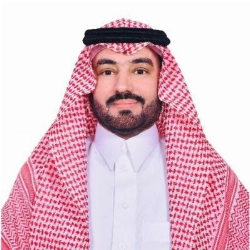
ويعمل مجمع الملك سلمان العالمي للغة العربية عبر أربعة قطاعات متكاملة: التخطيط والسياسة اللغوية، والحوسبة اللغوية، والبرامج التعليمية، والبرامج الثقافية. وتتولى أمانته العامة قيادة هذه الجهود برئاسة الأستاذ الدكتور عبدالله بن صالح الوشمي، وبمشاركة نائب الأمين العام الأستاذ الدكتور إبراهيم أبانمي، في عمل مؤسسي تتكامل فيه الرؤية العلمية مع الإدارة التنفيذية، وتتضافر فيه جهود الباحثين والمتخصصين وفرق العمل، لتتحول الأهداف إلى مشروعات معرفية وتعليمية وثقافية يتسع أثرها داخل المملكة وخارجها. وتتجلى ثمار هذه الجهود في مشروعات نوعية، من أبرزها، «معجم الرياض للغة العربية المعاصرة»، الذي أُطلق عام 1445هـ/2023م، ويضم نحو 120 ألف مدخل معجمي، استند بناؤها إلى مدونات لغوية تقارب 400 مليون كلمة. ومنها منصة «فلك» للمدونات اللغوية، التي ضمت عند إطلاقها أكثر من مليار ونصف مليار كلمة، ومنصة «المستشار اللغوي». وفي تعليم العربية للناطقين بغيرها، أطلق المجمع منصة «أهلًا وسهلًا» لتيسير تعلم العربية، واختبار «همزة» لقياس الكفاية اللغوية وفق الإطار الأوروبي المرجعي المشترك للغات. وتمتد جهود المجمع إلى الخارج عبر برنامج «شهر اللغة العربية»، الذي حمل فعالياته وخبراته التعليمية إلى عدد من البلدان شرقا وغربا، فضلًا عن برامج الانغماس اللغوي والثقافي القصيرة. ويكرّم المجمع العاملين في خدمة العربية حول العالم بجائزته السنوية، موزعة على أربعة فروع: التعليم، والحوسبة، والبحث العلمي، ونشر الوعي اللغوي. وهي منجزات تعكس اتساع رسالة المجمع، وتكشف أثر العمل الذي يجمع بين العناية بالتراث اللغوي، واستثمار أدوات المعرفة الحديثة.
ومن المبادرات التي تجسّد هذا الامتداد الحضاري مركز «أبجد» لتعليم اللغة العربية للناطقين بغيرها، إحدى مبادرات المجمع التي جعلت من تعليم العربية تجربة تتجاوز قاعات الدرس إلى معايشة المجتمع السعودي والتعرف على ثقافته وقيمه. فمن بين نحو عشرين ألف متقدم سنويًا، يستقبل المركز قرابة 150 طالبًا وطالبة، فيما بلغ عدد الجنسيات التي استقبلها نحو 50 جنسية من مختلف أنحاء العالم. وخلال ثمانية أشهر من الدراسة المكثفة، يكتسب الطلاب القدرة على التواصل بالعربية والتعبير بها عن أفكارهم وتجاربهم، وقد تجلت بعض ثمار هذه التجربة في ظهور عدد من طلابه في برامج حوارية مباشرة على قناة «روتانا خليجية»، أظهروا خلالها كفاية لغوية وثقافية لافتة، استرعت اهتمام الأمير بدر بن عبدالله بن فرحان آل سعود، وزير الثقافة، فزار المجمع والتقى بالطلاب، وأشاد بما تحقق من نتائج، مثمّنًا جهود القائمين على البرنامج، في دلالة على ما تحظى به العربية من عناية واهتمام.
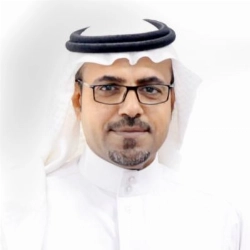
ومن خلال تجربتي في إدارة مركز أبجد منذ إطلاقه عام 2023، رأيتُ عن قرب كيف تتجاوز رسالة تعليم العربية حدود القاعات الدراسية، لتترك أثرها في حياة المتعلمين وعلاقتهم بالمملكة وثقافتها ومجتمعها. فقد عايشتُ رحلة هؤلاء الدارسين منذ وصولهم إلى المملكة، وهم يخطون خطواتهم الأولى في تعلم العربية، حتى مغادرتهم وقد اتسعت حصيلتهم اللغوية، وتعمقت معرفتهم بالثقافة السعودية، وتكونت لهم صداقات وذكريات وتجارب لا تنتهي بانتهاء البرنامج. ويقوم نموذج «أبجد» التعليمي على التركيز على الفصحى المعاصرة ولغة التواصل اليومي، مع تعريف الدارسين باللغة البيضاء التي تيسر تفاعلهم مع المجتمع السعودي، بما يعزّز كفاياتهم اللغوية والثقافية والتداولية. ويتكامل التعليم داخل القاعات مع برنامج «الشريك اللغوي»، الذي يجمع الدارسين الدوليين بطلاب وطالبات سعوديين، وزيارات الأسر السعودية التي تتيح لهم معايشة الحياة الاجتماعية واستخدام العربية في مواقف طبيعية. كما تسهم فعالية «ثقافات الشعوب»، والزيارات الثقافية والتراثية والمشاركة في المناسبات المجتمعية والمعرفية، في جعل المملكة نفسها فضاءً للتعلم، وتمديد أثر التجربة التعليمية إلى ما وراء قاعات الدراسة. وقد أظهرت تجربة «أبجد» إمكان تحقيق تقدم لغوي ملموس خلال ثمانية أشهر من الدراسة المكثفة، من خلال تكامل التعليم المنظم والممارسة اليومية والانغماس الثقافي، بما يجعل هذا النموذج جديرًا بالدراسة والإفادة منه في مؤسسات تعليمية أخرى. ولعل أجمل ما لمسته في هذه التجربة أن العربية لم تعد لدى كثير من الدارسين لغة يتعلمونها فحسب، بل أصبحت وسيلة للتعارف والتقارب بين ثقافات متعددة، يحملون معها عند مغادرتهم المملكة مشاعر محبة وتقدير لبلد فتح لهم أبواب لغته وثقافته ومجتمعه.
كما تمثل وزارة التعليم، التي يتولى قيادتها اليوم معالي الوزير الأستاذ يوسف بن عبدالله البنيان، الحاضنة الأوسع للعربية؛ فالعربية لغة التعليم في المراحل الدراسية كافة، ولمقرراتها حيز واسع في الخطط الدراسية للتعليم العام. بل إن لائحة المدارس الأجنبية تُلزم كل مدرسة أجنبية في المملكة بتدريس مبادئ اللغة العربية والحضارة الإسلامية وتاريخ المملكة وجغرافيتها. وفي التعليم الجامعي، تضم الجامعات السعودية كليات وأقسامًا للغة العربية تمنح البكالوريوس والماجستير والدكتوراه في النحو والصرف، والبلاغة والنقد، والأدب، واللغويات العربية. أما الناطقون بغيرها فتستقبلهم معاهد تعليم اللغة العربية المنتشرة في جامعات المملكة، ومنها معهد اللغويات العربية بجامعة الملك سعود (سابقا)، ومعاهد جامعة الإمام محمد بن سعود الإسلامية، وجامعة أم القرى، والجامعة الإسلامية بالمدينة المنورة، وغيرها من المعاهد والمراكز والبرامج، وفيها يدرس طلاب المنح من شتى أنحاء العالم.
ولم تقتصر العناية بالعربية على المؤسسات، بل تجلّت أيضًا في مواقف رجال دولة وأدباء جعلوا من خدمتها رسالة ثقافية ووطنية. ويبرز في هذا السياق صاحب السمو الملكي الأمير خالد الفيصل، الأديب والشاعر، الذي تحتل العربية في وجدانه مكانة الهوية والانتماء، ويعبّر عن اعتزازه بها بقوله: «شرّفني الله ثم خادم الحرمين الشريفين بخدمة البيت الأمين، فوهبت حياتي لخدمة لغة القرآن والمسلمين في هذا الزمان والمكان، كيف لا؟ وهي قمة البيان وهوية الإنسان». وفي احتفاء إمارة منطقة مكة المكرمة باليوم العالمي للغة العربية، ربط العناية بها بمكانتها الدينية والحضارية، قائلًا: «لقد كرّمنا الله أن تكون لغة آخر الكتب السماوية بلغتنا، وبعث فينا ومن الأمة العربية آخر رسله محمد صلى الله عليه وسلم، كما أن مصدر الشرف والفخر لنا مجاورة بيته العتيق ومسجد رسوله الكريم، وهذه الأمور تحتم علينا العناية باللغة العربية والاحتفاء بها». ولم تقتصر مناصرته للعربية على القول، بل تجلّت أيضًا في مواقفه العملية؛ إذ دعا، إبان توليه وزارة التربية والتعليم، إلى التزام المعلمين والمعلمات باللغة العربية الفصحى في مدارس التعليم العام، إدراكًا لدور المدرسة في ترسيخ العربية لدى الأجيال الناشئة.
ومن المهم، عند استعراض هذه المسيرة، استحضار بعض المبادرات الجامعية المبكرة التي أسهمت في التأسيس للتحول الرقمي في تعليم العربية، وحضورها في الفضاء الإلكتروني، ومهّدت لما نشهده اليوم من توسع في المنصات التعليمية والتطبيقات اللغوية. ومن هذه المبادرات مشروع «العربية التفاعلية» الذي أطلقته جامعة الملك سعود عام 2012م، وكان لي شرف اقتراح فكرته ورئاسة فريقه، في تجربة سعت إلى تقديم العربية للناطقين بغيرها من خلال الوسائط الرقمية والتطبيقات التفاعلية. وتواصل هذا المسار عام 2015م مع مشروعي «العربية على الإنترنت» و«الاختبار المعياري للغة العربية» بالجامعة السعودية الإلكترونية، اللذين توليت إدارتهما التنفيذية لأكثر من ثلاث سنوات، ودشّنهما آنذاك معالي وزير التعليم. ولم تكن هذه المشروعات مجرد نقل للمحتوى التعليمي إلى الشاشة، بل خطوات عملية لتجاوز حواجز المكان والزمان، وتوسيع فرص تعلم العربية، وتطوير أدوات علمية لقياس المهارات اللغوية. وقد شكّلت هذه التجارب المبكرة امتدادًا لجهود الجامعات السعودية في توظيف التقنية لخدمة العربية، ومهّدت لمرحلة أكثر اتساعًا من المنصات الرقمية والاختبارات اللغوية المتخصصة.
وفي الوقت الذي امتدت فيه برامج تعليم العربية إلى متعلمين من دول وثقافات متعددة، أخذت التقنيات الحديثة موقعًا متقدمًا في هذه الجهود. ففي سبتمبر 2024م أطلقت الهيئة السعودية للبيانات والذكاء الاصطناعي (سدايا) ومجمع الملك سلمان العالمي للغة العربية مؤشر «بَلْسَم»، ضمن مبادرات مركز «ذكاء العربية» التابع للمجمع. ويقيس المؤشر كفاءة النماذج اللغوية الكبيرة في معالجة العربية عبر 67 مهمة ونحو 50 ألف سؤال. ثم أطلق المجمع «حزمة معايير الحوسبة اللغوية العربية». وهنا تتجلى صورة مختلفة لخدمة اللغة؛ فبعد أن كان التحدي الأول تثبيت حضورها في المدرسة والإدارة، أصبح من تحديات الحاضر ضمان قدرتها على العمل بكفاءة في التطبيقات الرقمية والأنظمة الذكية.
غير أن قراءة هذا التاريخ لا تكتمل بمجرد إحصاء المؤسسات والقرارات؛ فالمسافة بين إصدار الأنظمة وتطبيقها ظلت أحد التحديات التي رصدتها دراسات السياسة اللغوية السعودية. ومن هنا تكتسب السياسة الوطنية للغة العربية، التي أقرها مجلس الوزراء في 15 شعبان 1447هـ (3 فبراير 2026م)، أهميتها الخاصة. فهي لا تضيف قرارًا جديدًا إلى ما سبقه، بل تبني مرجعية جامعة تنظم حضور العربية في أعمال الجهات العامة والتعليم والإعلام والأعمال والمشهد الثقافي والدولي، وتربط مكانتها في هوية الدولة بمتطلبات استخدامها الفعلي. ويبقى نجاحها، كنجاح ما سبقها، مرهونًا بأثرها في الممارسة اليومية، لا في النصوص الرسمية وحدها.
وهكذا، من قرار مبكر يؤكد رسمية العربية قبل توحيد المملكة، إلى معاهد في الداخل والخارج، ونص نظامي يثبت مكانتها، ومجمع عالمي وسياسة وطنية، ومنصات رقمية، تتضح ملامح مسيرة امتدت عبر عهود الملوك السبعة، واختلفت أدواتها باختلاف حاجات كل مرحلة. لقد ظلت العربية في هذه المسيرة أكثر من إرث يُحتفى به؛ كانت لغة دولة تُبنى، وتعليم يتسع، وثقافة تعبر الحدود، وهوية تتجدد. واليوم، إذ تدخل العربية عصر الذكاء الاصطناعي، فإن امتداد تلك العناية لا يُقاس بما حُفظ من ماضيها وحده، بل بما يُفتح أمامها من آفاق؛ لتكون لغة فاعلة في صناعة المعرفة والمستقبل.
The Arabic language, throughout the history of the Kingdom of Saudi Arabia, has not merely been a tool for communication or a vessel for education and knowledge; rather, it has been one of the defining features of the state's identity since the early days of nation-building, a pillar of its civilizational renaissance, and a tongue that bridges deep Arab and Islamic belonging with the requirements of the modern state. Over the reigns of the seven kings of the kingdom, a cumulative journey of decisions, institutions, and initiatives has evolved, transitioning the care for the Arabic language from solidifying its status in state systems and education to spreading it beyond borders, then establishing specialized institutions to serve it, culminating in its empowerment in the digital space and artificial intelligence technologies.
What is striking about this journey is that the systematic interest in Arabic preceded the declaration of the unification of the kingdom under its well-known name. In the year 1346 AH, specifically on the 24th of Rabi' al-Awwal, a decision was issued by the Shura Council, as documented by specialized studies in Saudi linguistic policy, affirming the care for the Arabic language and the preservation of its methods as the official language of the government. This early step was an expression of the position of Arabic in the state-building project led by the founding king, Abdulaziz bin Abdulrahman Al Saud, may God have mercy on him, before the unified entity took the name of the Kingdom of Saudi Arabia in 1351 AH/1932 AD, thus making Arabic an integral part of both the name and identity.
During the reign of King Abdulaziz, may God have mercy on him, the establishment of Arabic's status was coupled with the building of educational institutions that would undertake the task of educating generations. The Directorate of Education was established in 1344 AH, followed by the establishment of schools, then the Saudi Scientific Institute for Teacher Preparation was created, and after that, the Sharia College in Mecca was established in 1369 AH, opening a new phase of higher education. Not all these institutions were dedicated solely to serving the Arabic language, but they established the educational environment that allowed it to spread and solidified its presence in shaping the Saudi individual and the institutions of its nascent state.
During the reign of King Saud bin Abdulaziz, may God have mercy on him, the scope of education expanded, and Arabic began to find a more specialized position in higher education institutions. In 1374 AH/1954 AD, the College of Arabic Language was opened in Riyadh, becoming the first specialized college in Arabic sciences in the kingdom, and it later became, alongside the College of Sharia, the nucleus of Imam Muhammad bin Saud Islamic University, which was established in 1394 AH/1974 AD. When King Saud University was established in 1377 AH/1957 AD, the College of Arts was its first launch point, including a department for the Arabic language and its literature, indicating the presence of Arabic in the early university beginnings of the kingdom. King Saud's reign also witnessed the establishment of the Islamic University in Medina in 1381 AH/1961 AD, which welcomed students from various Islamic countries and contributed, through studying in Arabic, to expanding the circle of learners outside the Arab community. Thus, Arabic began to transcend its educational function within the kingdom to a broader role in communication with the Islamic world.
During the reign of King Faisal bin Abdulaziz, may God have mercy on him, teaching Arabic to non-native speakers gained a clearer institutional dimension. On the 25th of Jumada al-Akhirah 1394 AH/1974 AD, a decree was issued to establish the Arabic Language Institute at King Saud University, which began its work the following year and later became known as the Institute of Arabic Linguistics. The establishment of the institute was not merely an addition to the university's colleges, but a specialized step aimed at teaching Arabic to non-native speakers and preparing teachers to convey it to other communities and cultures. His reign also witnessed the consolidation of Arabic's presence in economic transactions; the Council of Ministers issued in 1393 AH its decision No. (1295) mandating foreign companies to use Arabic in their correspondence and transactions. On the international front, a historic achievement was witnessed in international forums with the adoption of Arabic as an official language and working language in the United Nations General Assembly in December 1973, a result of a collective Arab effort supported by the kingdom, extending its interest in enhancing the status of Arabic and its global presence.
As for the reign of King Khalid bin Abdulaziz, may God have mercy on him, it witnessed significant steps in legally protecting the Arabic language and expanding its education; the judiciary system issued in 1395 AH stipulated the official status of Arabic in courts, and during his reign, it was confirmed that foreign companies and institutions were required to use it in their correspondence with government entities. These decisions reveal that the preservation of the language was not merely a cultural concern, but extended to the judiciary and economic and administrative dealings. In the field of teaching and spreading Arabic, the institutions concerned with it expanded both within the kingdom and abroad; one of the most notable examples of this was the establishment of the Institute of Islamic Sciences and Arabic in Indonesia in 1400 AH/1980 AD, affiliated with Imam Muhammad bin Saud Islamic University, becoming one of the bridges of Saudi education and cultural communication in Southeast Asia. His reign also saw the opening of an institute for teaching Arabic to non-Arabs in Riyadh in 1401 AH, affiliated with Imam Muhammad bin Saud Islamic University, and the establishment of Umm Al-Qura University, which included specializations and institutions serving Arabic and its sciences.
In the year 1402 AH, during which King Fahd bin Abdulaziz, may God have mercy on him, assumed power, the emphasis on the status of Arabic in official and economic dealings continued; a request for an exemption for the Royal Commission for Jubail and Yanbu from using Arabic in its dealings with foreign companies was rejected, and it was confirmed that contracts and their documents must be drafted in Arabic. In the same year, a directive was issued by the Deputy Prime Minister affirming the use of Arabic in writing the signs of foreign companies and institutions, based on the premise that "national considerations require that no sign be raised except in the language of the state in which the companies and institutions operate."
King Fahd bin Abdulaziz had an early contribution to building Saudi education; he was the first Minister of Education when the ministry was established in 1373 AH/1953 AD, overseeing an important foundational phase in the journey of public education, during which schools expanded, and Arabic was established as the language of instruction and a vessel for curricula and knowledge. The most prominent milestone during his reign was the issuance of the Basic Law of Governance in 1412 AH/1992 AD, which stated in its first article that the Kingdom of Saudi Arabia is an Arab Islamic state, and that "its language is Arabic." This text was not the beginning of the official recognition of Arabic, as it was preceded by decisions and regulations since the founding era, but it represented a clear affirmation of its status in the basic regulatory document of the state, establishing a direct link between the language and the identity of the kingdom.
Alongside this care for the status of Arabic in education, regulations, and official dealings, the reign of King Fahd bin Abdulaziz witnessed the establishment of the King Fahd Complex for the Printing of the Holy Quran in Medina, which represented a prominent scientific and civilizational project in the service of the Holy Quran. Its impact extended, through the care for printing and preserving the Quran, studies related to its sciences, and translations of its meanings into the languages of the world, to serve the Quranic text and its associated linguistic and scientific heritage, within the framework of its fundamental mission of serving and disseminating the Book of God.
During the reign of King Abdullah bin Abdulaziz, may God have mercy on him, the care for the Arabic language and its empowerment entered a new phase of institutional specialization and openness to the digital space; in 1429 AH/2008 AD, approval was granted to establish the King Abdullah bin Abdulaziz International Center for Arabic Language Service, and its organization was issued in 1431 AH, making it a specialized institution concerned with Arabic research, planning, terminology development, and support for linguistic studies and projects. Among its subsequent works was the issuance of the "Arabic Language Decisions Code," which documented 149 decisions related to the language issued over decades, allowing for tracking the systematic care for it through documents and decisions. In a parallel path, in 2007, King Abdullah's initiative for Arabic content was launched, supervised by the King Abdulaziz City for Science and Technology, to support the presence of Arabic on the internet and develop its digital and knowledge resources, in a step that expanded its fields of service from education and research to electronic content and modern technologies. This interest extended to international forums; in October 2012, the Executive Board of UNESCO, in its 190th session, adopted a proposal put forth by the Kingdom of Saudi Arabia and the Kingdom of Morocco to celebrate December 18 as International Arabic Language Day, recalling the day Arabic was adopted as an official language and working language in the United Nations in 1973. Thus, specialized institutional work, a focus on digital content, and contributions to enhancing the presence of Arabic at the international level came together.
During the reign of the Custodian of the Two Holy Mosques, King Salman bin Abdulaziz, may God support him, this journey took on a more comprehensive dimension. King Salman has been known, since his years as the Emir of Riyadh and his presidency of the Board of Directors of the King Abdulaziz Foundation, for his care for history, culture, and the word. Arabic in his discourse is not merely a transient cultural matter, but part of the very definition of the state itself, and a message directed to future generations. Among his statements in this context is: "Our country, the Kingdom of Saudi Arabia, is an authentic Arab state that has made the Arabic language the foundation of all its systems, and it establishes its education on this noble language, supporting its presence in various fields, with colleges, departments, institutes, and research chairs established both within and outside the kingdom to support the Arabic language and its teaching and learning." In his speech to the youth, he says: "My sincere advice to my sons and daughters, the youth, is to embrace learning the Arabic language and to excel in its use, for it is the language of their religion, their homeland, and their fathers and grandfathers, and this does not contradict learning other languages and sciences in their respective fields." He emphasizes the same meaning in saying: "Citizens, especially young men and women, must draw from their Arabic language so that they can serve their religion and homeland to the fullest."
These efforts were not isolated from the grand national project led by Crown Prince and Prime Minister His Royal Highness Prince Mohammed bin Salman bin Abdulaziz, the architect and promoter of Vision 2030, which was launched in 2016 and made enhancing the presence of the Arabic language one of its strategic targets within the framework of promoting national identity under the "Vibrant Society" axis, alongside instilling national principles and values and preserving the Islamic, Arab, and national heritage of the kingdom. Thus, the status of Arabic is no longer derived solely from regulatory texts, but has become part of a developmental project connected to programs and initiatives, with its targets being tracked within the framework of the vision. Through its realization programs, primarily the Human Capacity Development and Quality of Life programs, the fields of serving Arabic expanded from education and qualification to culture, creativity, and community participation, linking pride in it with its ability to keep pace with economic, knowledge, and technological transformations.
In this context, the King Salman Global Center for the Arabic Language was established by a Cabinet decision in 1442 AH/2020 AD, to be a specialized institution in serving Arabic and enhancing its presence locally and globally, within the national cultural system led by the Ministry of Culture under the presidency of Prince Badr bin Abdullah bin Farhan Al Saud, who also chairs the Board of Trustees of the center. The ministry had announced its vision and directions in March 2019, considering language as one of the sixteen cultural sectors, indicating the presence of Arabic in national cultural planning. It also designated 2020 as the year to celebrate Arabic calligraphy, extending the celebration to 2021, and then the Cabinet approved naming 2023 as "The Year of Arabic Poetry." The Literature, Publishing, and Translation Authority, established in 1441 AH/2020 AD, is responsible for supporting publishing, translation, and enriching Arabic knowledge content.
The King Salman Global Center for the Arabic Language operates through four integrated sectors: planning and linguistic policy, linguistic computing, educational programs, and cultural programs. Its General Secretariat leads these efforts, chaired by Professor Dr. Abdullah bin Saleh Al-Washmi, with the participation of Deputy Secretary-General Professor Dr. Ibrahim Abanami, in an institutional work where scientific vision integrates with executive management, and the efforts of researchers, specialists, and teams come together to transform objectives into knowledge, educational, and cultural projects that expand their impact within and outside the kingdom. The fruits of these efforts are manifested in qualitative projects, among the most notable of which is the "Riyadh Dictionary of Contemporary Arabic," launched in 1445 AH/2023 AD, which includes about 120,000 lexical entries based on linguistic corpora approaching 400 million words. This includes the "Falak" platform for linguistic corpora, which included over one and a half billion words at its launch, and the "Linguistic Advisor" platform. In teaching Arabic to non-native speakers, the center launched the "Ahlan wa Sahlan" platform to facilitate learning Arabic, and the "Hamza" test to measure linguistic proficiency according to the Common European Framework of Reference for Languages. The center's efforts extend abroad through the "Arabic Language Month" program, which brought its activities and educational experiences to several countries in the East and West, in addition to short language and cultural immersion programs. The center honors those working in the service of Arabic around the world with its annual award, distributed across four branches: education, computing, scientific research, and raising linguistic awareness. These are achievements that reflect the broad mission of the center and reveal the impact of work that combines care for linguistic heritage with the investment of modern knowledge tools.
Among the initiatives that embody this civilizational extension is the "Abjad" Center for Teaching Arabic to Non-Native Speakers, one of the center's initiatives that has made learning Arabic an experience that transcends the classroom to engage with Saudi society and learn about its culture and values. Among nearly twenty thousand applicants annually, the center receives about 150 students, with the number of nationalities it has welcomed reaching around 50 from various parts of the world. Over eight months of intensive study, students acquire the ability to communicate in Arabic and express their ideas and experiences, and some of the fruits of this experience have been manifested in the appearance of several of its students in live dialogue programs on "Rotana Khalijia" channel, where they demonstrated remarkable linguistic and cultural proficiency, attracting the attention of Prince Badr bin Abdullah bin Farhan Al Saud, the Minister of Culture, who visited the center and met with the students, praising the results achieved and appreciating the efforts of those in charge of the program, indicating the care and attention Arabic receives.
Through my experience in managing the Abjad Center since its launch in 2023, I have seen closely how the mission of teaching Arabic transcends the boundaries of classrooms, leaving its impact on the lives of learners and their relationship with the kingdom, its culture, and its society. I have witnessed the journey of these students from their arrival in the kingdom, taking their first steps in learning Arabic, until their departure with an expanded linguistic repertoire, a deepened understanding of Saudi culture, and friendships and memories that do not end with the conclusion of the program. The "Abjad" educational model focuses on contemporary standard Arabic and daily communication language, while introducing learners to the colloquial language that facilitates their interaction with Saudi society, enhancing their linguistic, cultural, and conversational competencies. Classroom education is complemented by the "Language Partner" program, which pairs international learners with Saudi students, and visits from Saudi families that allow them to experience social life and use Arabic in natural situations. Additionally, the "Cultures of Nations" activity, cultural and heritage visits, and participation in community and knowledge events contribute to making the kingdom itself a learning space, extending the impact of the educational experience beyond the classroom. The "Abjad" experience has demonstrated the potential for achieving tangible linguistic progress within eight months of intensive study, through the integration of organized education, daily practice, and cultural immersion, making this model worthy of study and application in other educational institutions. Perhaps the most beautiful aspect I have observed in this experience is that Arabic has become, for many learners, not just a language they learn, but a means of acquaintance and closeness between multiple cultures, carrying with them upon leaving the kingdom feelings of love and appreciation for a country that opened the doors of its language, culture, and society to them.
The Ministry of Education, currently led by His Excellency Minister Professor Yusuf bin Abdullah Al-Bunyan, represents the broadest incubator for Arabic; Arabic is the language of instruction at all educational stages, and its curricula occupy a wide space in the educational plans for general education. In fact, the foreign schools' regulations require every foreign school in the kingdom to teach the principles of the Arabic language, Islamic civilization, the history of the kingdom, and its geography. In higher education, Saudi universities include colleges and departments for the Arabic language that offer bachelor's, master's, and doctoral degrees in grammar, morphology, rhetoric, criticism, literature, and Arabic linguistics. As for non-native speakers, they are welcomed in Arabic language teaching institutes spread across the universities of the kingdom, including the Institute of Arabic Linguistics at King Saud University (formerly), the institutes of Imam Muhammad bin Saud Islamic University, Umm Al-Qura University, the Islamic University in Medina, and other institutes and centers and programs, where scholarship students from various parts of the world study.
The care for Arabic has not been limited to institutions; it has also manifested in the positions of statesmen and writers who have made serving it a cultural and national mission. In this context, His Royal Highness Prince Khalid Al-Faisal, a writer and poet, stands out, as Arabic occupies a place of identity and belonging in his heart, and he expresses his pride in it by saying: "God honored me, then the Custodian of the Two Holy Mosques, with serving the sacred house, so I devoted my life to serving the language of the Quran and Muslims in this time and place; how could it not be? It is the pinnacle of expression and the identity of man." In the celebration of the Makkah Region's Emirate for International Arabic Language Day, he linked the care for it with its religious and civilizational status, saying: "God has honored us to have the language of the last heavenly books in our language, and He sent among us and the Arab nation His last messenger, Muhammad, peace be upon him, as the source of honor and pride for us is the proximity to His ancient house and the mosque of His noble messenger, and these matters compel us to care for the Arabic language and celebrate it." His support for Arabic was not limited to words; it also manifested in his practical positions; during his tenure as Minister of Education, he called for teachers to commit to using standard Arabic in public education schools, recognizing the school's role in instilling Arabic in future generations.
It is important, when reviewing this journey, to recall some early university initiatives that contributed to establishing the digital transformation in teaching Arabic and its presence in the electronic space, paving the way for what we witness today of expansion in educational platforms and linguistic applications. Among these initiatives is the "Interactive Arabic" project launched by King Saud University in 2012, for which I had the honor of proposing its idea and leading its team, in an experience that sought to present Arabic to non-native speakers through digital media and interactive applications. This path continued in 2015 with the "Arabic on the Internet" and "Standard Arabic Test" projects at the Saudi Electronic University, which I managed for more than three years, and which were launched at that time by the Minister of Education. These projects were not merely a transfer of educational content to the screen, but practical steps to overcome the barriers of time and place, expand opportunities for learning Arabic, and develop scientific tools to measure linguistic skills. These early experiences formed an extension of the efforts of Saudi universities in employing technology to serve Arabic and paved the way for a broader phase of digital platforms and specialized linguistic tests.
At a time when Arabic teaching programs extended to learners from multiple countries and cultures, modern technologies took a prominent place in these efforts. In September 2024, the Saudi Data and Artificial Intelligence Authority (SDAIA) and the King Salman Global Center for the Arabic Language launched the "Balsam" index, as part of the initiatives of the "Arabic Intelligence" center affiliated with the center. The index measures the efficiency of large language models in processing Arabic across 67 tasks and nearly 50,000 questions. The center then launched the "Arabic Linguistic Computing Standards Package." Here, a different image of language service emerges; after the primary challenge was to establish its presence in schools and administration, the current challenge is to ensure its ability to work efficiently in digital applications and smart systems.
However, reading this history is not complete merely by counting institutions and decisions; the gap between issuing regulations and implementing them has remained one of the challenges identified by studies on Saudi linguistic policy. Hence, the national policy for the Arabic language, which was approved by the Council of Ministers on the 15th of Sha'ban 1447 AH (3rd of February 2026 AD), gains its special importance. It does not merely add a new decision to its predecessors, but builds a comprehensive reference that organizes the presence of Arabic in the works of public entities, education, media, business, and the cultural and international scene, linking its status in the identity of the state with the requirements of its actual use. Its success, like that of its predecessors, remains contingent upon its impact on daily practice, not just in official texts.
Thus, from an early decision affirming the official status of Arabic before the unification of the kingdom, to institutes inside and outside the country, a regulatory text establishing its status, a global center, a national policy, and digital platforms, the features of a journey that has extended through the reigns of the seven kings become clear, with its tools differing according to the needs of each phase. Arabic has remained in this journey more than just a heritage to be celebrated; it has been the language of a state being built, an education expanding, a culture crossing borders, and an identity renewing. Today, as Arabic enters the era of artificial intelligence, the extension of that care is not measured solely by what has been preserved from its past, but by the horizons that are opened before it, to be an active language in the production of knowledge and the future.