جاء فوز الدكتور عمر ياغي بجائزة نوبل للكيمياء ليؤكد أهمية الاستثمار في العلم والمعرفة، ونجاح توجه المملكة لاستقطاب وتجنيس الكفاءات العلمية المتميّزة بما يسهم في تحقيق المستهدفات الوطنية، ويعزز مكانة المملكة في مجال العلوم، والابتكارات، واقتصاد المعرفة الذي يعتبر ركيزة أساسية من ركائز اقتصاديات الدول المتقدمة، فما هو اقتصاد المعرفة؟
يعرف اقتصاد المعرفة بأنه اقتصاد يعتمد بشكل أساسي على المعرفة والمعلومات والابتكار كمصادر رئيسية للإنتاج والنمو الاقتصادي، بدلاً من الموارد التقليدية مثل المواد الخام أو القوة العاملة فقط. في اقتصاد المعرفة، فإن الأبحاث، والتعليم، والمهارات، والتكنولوجيا تُعتَبر أصلًا اقتصاديًا أساسيًا، كما كانت الأرض أو المال في العصور السابقة. بلدان مثل كوريا وفنلندا وسنغافورة أصبحت أكثر قدرة على المنافسة والنمو، نتيجة استثمارها في التعليم، والبحث العلمي، وتكنولوجيا المعلومات، وبالمثل، فإن شركات مثل Google، Microsoft، Apple لا تعتمد على النفط أو الزراعة، بل على الأفكار، والبرمجيات، والخدمات الرقمية حقّقت نموًا مذهلًا، ولا غرابة أن أغلب الدول المتقدمة تنفق بسخاء على البحث والتطوير والابتكار، حيث قدر في تلك الدول أن كل دولار ينفق على البحث والتطوير يعود بـ 5-7 دولارات، كما نال الباحثون: جويل موكير، وفيليب أغيون، وبيتر هاويت جائزة نوبل 2025 في العلوم الاقتصادية تقديراً لأبحاثهم التي ركزت على دور الابتكار في صناعة نمو اقتصادي مستدام.
من أهم سمات اقتصاد المعرفة، الاعتماد على التقنية؛ بالاستخدام المكثف لتقنية المعلومات والاتصالات (ICT)، والأتمتة، والذكاء الاصطناعي، والبيانات الضخمة، ولا غنى في الاقتصاد القائم على المعرفة عن الابتكار المستمر، والاستثمار الفعّال في البحث والتطوير والابتكار (R&D)، كما تعد المعلومات أصلًا اقتصاديًا تشكّل فيه القدرة على جمع وتحليل المعلومات ميزة تنافسية، كما أن رأس المال البشري ذا التدريب والمهارات العالية يعد من الركائز الأساسية لاقتصاد المعرفة، ولهذا تعتمد الدول الغربية والولايات المتحدة الأمريكية وكندا كثيرًا على العقول المهاجرة، وتغري المبتعثين المتميّزين من دول لعالم الثالث للبقاء والانخراط في آلة البحث العلمي والتطوير الضخمة، ذات العوائد الاقتصادية الكبيرة. ولقد كانت المملكة منذ تأسيسها سبّاقة إلى الاستثمار في رأس المال البشري؛ فمنذ رفرف الاستقرار على ربوع هذه المملكة المترامية الأطراف، بدأت جهود تنمية وتعزيز رأس المال البشري بتوطين البادية، والتصدي للأمية بتوفير التعليم المجاني، وإنشاء المعاهد المتخصصة، والجامعات، ثم إطلاق برامج الابتعاث التي أحدثت نقلة نوعية في مسيرة التنمية في المملكة، وحقّقت قفزات سريعة في ميادين التطوير والازدهار العلمي.
وفي جامعات المملكة التي تعد الحاضن الطبيعي للبحث والابتكار والتطوير، كانت مدينة الملك عبد العزيز للعلوم والتقنية هي الرافد الرئيس للباحثين، والداعم الأول للأبحاث والدراسات عبر برامج المنح السخية المتنوعة، من خلال أولويات بحثية تلامس الاحتياجات الوطنية. وقد تأثرت حركة البحث العلمي في الجامعات السعودية بشدة بعد التغيير الذي طرأ على إستراتيجية ومهام المدينة، وعانت الجامعات من ركود بحثي كبير حولها لما يشبه الثانويات المطورة مع بعض الاستثناءات. ورغم الحراك النسبي للبحث العلمي (خصوصاً في المجال الزراعي) في بعض الجهات غير البحثية، إلا أن ذلك كان مشوباً بالعشوائية، وتدني الجودة والكفاءة، وضعف المخرجات. ثم جاء إنشاء هيئة تنمية البحث والتطوير والابتكار لتعيد الأمل للباحثين والعلماء، وتنعش المعامل والمختبرات، وتبعث الحياة في الجامعات، وتستهدف منع الازدواجية والاجتهادات في ميدان البحث والابتكار.
ولكي يحقق البحث العلمي في المملكة النتائج المرجوة في دعم التنمية والازدهار، وتعزيز اقتصاد المعرفة، لابد من الاهتمام بالتعليم النوعي، والاستفادة من المزايا التنافسية للجامعات السعودية، والتنوع الجغرافي، وردم الهوة الكبيرة بين القطاع الخاص والجامعات، فباستثناء إسهامات محدودة من بعض الشركات الكبرى في المملكة، لا يزال القطاع الخاص بعيداً عن الإسهام في ازدهار الابتكار والتطوير، والإفادة والاستفادة من الإمكانات البحثية في الجامعات السعودية، وهذا موضوع مقلق ويتطلب دراسة مستفيضة. إن إسهام القطاع الخاص في دعم البحث والابتكار سمة من سمات الدول المتقدمة علمياً، حيث يبلغ تمويل القطاع الخاص للبحث والتطوير في دول عديدة ما يزيد على 90%، فأين الخلل في القطيعة المرة بين القطاع الخاص في المملكة، ومحاضن البحث، والتطوير، والابتكار؟
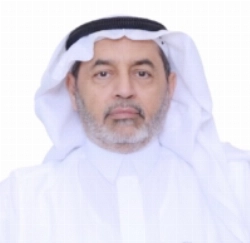
د. عبدالرحمن الصقير
نوبل... واقتصاد المعرفة..!
17 أكتوبر 2025 - 00:08
|
آخر تحديث 17 أكتوبر 2025 - 00:08


تابع قناة عكاظ على الواتساب
Dr. Omar Yaghi's win of the Nobel Prize in Chemistry confirms the importance of investing in science and knowledge, and the success of the Kingdom's efforts to attract and naturalize distinguished scientific talents, contributing to achieving national goals and enhancing the Kingdom's position in the fields of science, innovation, and the knowledge economy, which is considered a fundamental pillar of the economies of advanced countries. So, what is the knowledge economy?
The knowledge economy is defined as an economy that primarily relies on knowledge, information, and innovation as key sources of production and economic growth, rather than traditional resources such as raw materials or just labor. In a knowledge economy, research, education, skills, and technology are considered essential economic assets, just as land or money were in previous eras. Countries like South Korea, Finland, and Singapore have become more competitive and capable of growth as a result of their investment in education, scientific research, and information technology. Similarly, companies like Google, Microsoft, and Apple do not rely on oil or agriculture, but rather on ideas, software, and digital services, achieving remarkable growth. It is no surprise that most advanced countries spend generously on research, development, and innovation, where it is estimated that every dollar spent on research and development returns 5-7 dollars. Researchers Joel Mokyr, Philippe Aghion, and Peter Howitt were awarded the Nobel Prize in Economic Sciences 2025 in recognition of their research focusing on the role of innovation in creating sustainable economic growth.
One of the most important characteristics of the knowledge economy is its reliance on technology; with the intensive use of information and communication technology (ICT), automation, artificial intelligence, and big data. In a knowledge-based economy, continuous innovation and effective investment in research, development, and innovation (R&D) are indispensable. Information is also considered an economic asset, where the ability to collect and analyze information provides a competitive advantage. Additionally, highly trained and skilled human capital is one of the fundamental pillars of the knowledge economy. This is why Western countries, the United States, and Canada heavily rely on immigrant minds, enticing distinguished scholars from third-world countries to stay and engage in the massive scientific research and development machine, which has significant economic returns. Since its establishment, the Kingdom has been a pioneer in investing in human capital; as soon as stability spread across this vast Kingdom, efforts to develop and enhance human capital began with the localization of the desert, combating illiteracy by providing free education, establishing specialized institutes and universities, and then launching scholarship programs that brought about a qualitative leap in the Kingdom's development journey, achieving rapid advancements in the fields of scientific development and prosperity.
In the universities of the Kingdom, which are the natural incubators for research, innovation, and development, King Abdulaziz City for Science and Technology has been the main contributor to researchers and the primary supporter of research and studies through various generous grant programs, based on research priorities that address national needs. The movement of scientific research in Saudi universities has been severely affected by the changes that occurred in the strategy and tasks of the city, and universities have suffered from significant research stagnation, resembling developed secondary schools with some exceptions. Despite the relative movement in scientific research (especially in the agricultural field) in some non-research entities, it has been marred by randomness, low quality and efficiency, and weak outputs. Then came the establishment of the Research, Development, and Innovation Authority to restore hope to researchers and scientists, revive laboratories, and breathe life into universities, aiming to prevent duplication and efforts in the field of research and innovation.
For scientific research in the Kingdom to achieve the desired results in supporting development and prosperity and enhancing the knowledge economy, it is essential to focus on quality education, leverage the competitive advantages of Saudi universities, embrace geographical diversity, and bridge the significant gap between the private sector and universities. Except for limited contributions from some major companies in the Kingdom, the private sector remains distant from contributing to the flourishing of innovation and development, and from benefiting from the research capabilities in Saudi universities. This is a concerning issue that requires thorough study. The contribution of the private sector to supporting research and innovation is a hallmark of scientifically advanced countries, where private sector funding for research and development in many countries exceeds 90%. So, where is the flaw in the bitter disconnect between the private sector in the Kingdom and the incubators of research, development, and innovation?
The knowledge economy is defined as an economy that primarily relies on knowledge, information, and innovation as key sources of production and economic growth, rather than traditional resources such as raw materials or just labor. In a knowledge economy, research, education, skills, and technology are considered essential economic assets, just as land or money were in previous eras. Countries like South Korea, Finland, and Singapore have become more competitive and capable of growth as a result of their investment in education, scientific research, and information technology. Similarly, companies like Google, Microsoft, and Apple do not rely on oil or agriculture, but rather on ideas, software, and digital services, achieving remarkable growth. It is no surprise that most advanced countries spend generously on research, development, and innovation, where it is estimated that every dollar spent on research and development returns 5-7 dollars. Researchers Joel Mokyr, Philippe Aghion, and Peter Howitt were awarded the Nobel Prize in Economic Sciences 2025 in recognition of their research focusing on the role of innovation in creating sustainable economic growth.
One of the most important characteristics of the knowledge economy is its reliance on technology; with the intensive use of information and communication technology (ICT), automation, artificial intelligence, and big data. In a knowledge-based economy, continuous innovation and effective investment in research, development, and innovation (R&D) are indispensable. Information is also considered an economic asset, where the ability to collect and analyze information provides a competitive advantage. Additionally, highly trained and skilled human capital is one of the fundamental pillars of the knowledge economy. This is why Western countries, the United States, and Canada heavily rely on immigrant minds, enticing distinguished scholars from third-world countries to stay and engage in the massive scientific research and development machine, which has significant economic returns. Since its establishment, the Kingdom has been a pioneer in investing in human capital; as soon as stability spread across this vast Kingdom, efforts to develop and enhance human capital began with the localization of the desert, combating illiteracy by providing free education, establishing specialized institutes and universities, and then launching scholarship programs that brought about a qualitative leap in the Kingdom's development journey, achieving rapid advancements in the fields of scientific development and prosperity.
In the universities of the Kingdom, which are the natural incubators for research, innovation, and development, King Abdulaziz City for Science and Technology has been the main contributor to researchers and the primary supporter of research and studies through various generous grant programs, based on research priorities that address national needs. The movement of scientific research in Saudi universities has been severely affected by the changes that occurred in the strategy and tasks of the city, and universities have suffered from significant research stagnation, resembling developed secondary schools with some exceptions. Despite the relative movement in scientific research (especially in the agricultural field) in some non-research entities, it has been marred by randomness, low quality and efficiency, and weak outputs. Then came the establishment of the Research, Development, and Innovation Authority to restore hope to researchers and scientists, revive laboratories, and breathe life into universities, aiming to prevent duplication and efforts in the field of research and innovation.
For scientific research in the Kingdom to achieve the desired results in supporting development and prosperity and enhancing the knowledge economy, it is essential to focus on quality education, leverage the competitive advantages of Saudi universities, embrace geographical diversity, and bridge the significant gap between the private sector and universities. Except for limited contributions from some major companies in the Kingdom, the private sector remains distant from contributing to the flourishing of innovation and development, and from benefiting from the research capabilities in Saudi universities. This is a concerning issue that requires thorough study. The contribution of the private sector to supporting research and innovation is a hallmark of scientifically advanced countries, where private sector funding for research and development in many countries exceeds 90%. So, where is the flaw in the bitter disconnect between the private sector in the Kingdom and the incubators of research, development, and innovation?