لم يعد الأمن في السعودية محصوراً في مشهد رجل الدورية أو مركز البلاغات؛ بل أصبح علماً دقيقاً تُدار به المدن، وتُقرأ من خلاله سلوكيات الناس، وتُبنى عليه القرارات قبل أن تقع الحوادث.
المفهوم الأمني الجديد الذي يتشكّل أمامنا اليوم لا يقوم على «المكافحة» بقدر ما يقوم على «الوقاية»، وعلى الانتقال من ردة الفعل إلى التفكير الاستباقي.
من يتأمل في المشهد الأمني في كافة المحافل يدرك أن ما يجري لم يعد مجرد تطوير إداري، بل هندسة وطنية للعقل الأمني السعودي. فغرف العمليات لم تعد تراقب الحوادث فحسب، بل تحلل أنماطها، وتُنتج خرائط حرارية تحدد مواقع الاختناق المروري، ومناطق تكرار الجرائم، وحتى تحركات المتسولين، في وقت باتت فيه الكاميرات والذكاء الاصطناعي تتكاملان مع قواعد البيانات المدنية لتصنع صورة شاملة للحياة اليومية في المملكة.
هذا التحول من «الرؤية المجهرية» إلى «الرؤية الموحدة» هو ما جعل المنظومة الأمنية السعودية واحدة من أكثر المنظومات تقدماً في المنطقة، ليس لأن أجهزتها التقنية متطورة فحسب، بل لأن خلفها عقولاً سعودية صرفة هي التي تبني وتبرمج وتُشغل.
وفي الوقت الذي يتحدث فيه العالم عن الذكاء الاصطناعي كفكرة مستقبلية، كانت المؤسسات الأمنية السعودية تُطبّقه واقعياً من عدة أوجه:
فمن تحليل الصور في قضايا المرور، إلى التنبؤ بمناطق الكثافة قبل حدوث الازدحام، إلى مراقبة السلوكيات المريبة في الميادين العامة، بل وحتى في تتبع الأنماط التي تشير إلى نشاطات التسوّل أو الجرائم الرقمية.
كل هذه العمليات لا تعتمد على «التصادف»، بل على الخوارزميات التي تتعلّم من البيانات وتُقدم حلولاً واقعية تسند القرار الأمني في لحظته.
ومن الملامح المضيئة في هذه المنظومة، الحضور النسائي المتنامي في غرف العمليات وفي تحليل البيانات.
المرأة السعودية اليوم ليست على الهامش الأمني، بل في قلب النظام التقني الذي يربط بين الميدان والتحليل، تراقب وتُحلّل وتشارك في اتخاذ القرار، في مشهد يعكس حجم التحول الثقافي والمهني الذي تعيشه البلاد.
بهذا المفهوم الجديد، لم يعد الأمن ردّ فعلٍ على الجريمة، ولا المرور رد فعل على الازدحام، بل أصبح نظاماً معرفياً متكاملاً يرى الحدث قبل وقوعه ويعالج سببه قبل أن يتحول إلى مشكلة.
وأنا أكتب هذه السطور، أدرك أن كلمة «الأمن والأمان» التي نتداولها منذ عقود ليست مجرد شعار جميل، ولا صدفةً تاريخية، بل ثمرة مسار وطنيٍ طويل بدأ قبل التحول التقني، واستمر حتى صار الأمن اليوم علماً دقيقاً يُدار بالعقل السعودي.
لم يكن الأمان في هذا الوطن حالةً عابرة، بل كان قراراً إستراتيجياً تبنّته الدولة مبكراً، وتعاملت معه كقيمة وجودية لا كوظيفة مؤقتة.
ما يحدث اليوم في منظومة الأمن العام ليس مشروعاً تقنياً فحسب، بل انعكاس لفلسفة وطنٍ اختار أن يُدير أمانه بعقله، ويصنع مستقبله بيده.
لهذا، حين يُقال إن الأمن السعودي مختلف، فليس لأنه أكثر صرامة، بل لأنه أكثر نضجاً، وعلماً، وثقةً في ذاته.
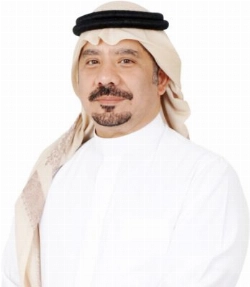
فراس طرابلسي
حين يصبح الأمن علماً.. لا ردة فعل
10 أكتوبر 2025 - 00:16
|
آخر تحديث 10 أكتوبر 2025 - 00:16


تابع قناة عكاظ على الواتساب
Security in Saudi Arabia is no longer limited to the image of a patrol officer or a reporting center; it has become a precise science through which cities are managed, people's behaviors are analyzed, and decisions are made before incidents occur.
The new security concept that is emerging today is not based on "combating" as much as it is on "prevention," and on the transition from reactive responses to proactive thinking.
Those who observe the security scene in all forums realize that what is happening is no longer just administrative development, but a national engineering of the Saudi security mindset. The operations rooms no longer merely monitor incidents; they analyze their patterns, produce heat maps that identify traffic congestion locations, areas of crime recurrence, and even the movements of beggars, at a time when cameras and artificial intelligence are integrating with civil databases to create a comprehensive picture of daily life in the Kingdom.
This shift from a "microscopic view" to a "unified vision" is what has made the Saudi security system one of the most advanced in the region, not only because its technical devices are sophisticated, but because behind them are purely Saudi minds that build, program, and operate.
While the world talks about artificial intelligence as a futuristic idea, Saudi security institutions have been applying it practically in several ways:
From analyzing images in traffic cases, to predicting areas of density before congestion occurs, to monitoring suspicious behaviors in public spaces, and even tracking patterns that indicate begging activities or digital crimes.
All these operations do not rely on "coincidence," but on algorithms that learn from data and provide realistic solutions that support security decisions at the moment.
One of the bright features of this system is the growing female presence in operations rooms and data analysis.
Saudi women today are not on the margins of security; they are at the heart of the technical system that connects the field with analysis, monitoring, analyzing, and participating in decision-making, in a scene that reflects the extent of the cultural and professional transformation the country is experiencing.
With this new concept, security is no longer a reaction to crime, nor is traffic a reaction to congestion; it has become a comprehensive cognitive system that sees the event before it occurs and addresses its cause before it turns into a problem.
As I write these lines, I realize that the term "security and safety" that we have been using for decades is not just a beautiful slogan, nor a historical coincidence, but the fruit of a long national path that began before the technological transformation and continued until security today is a precise science managed by the Saudi mind.
Safety in this nation has not been a transient state; it has been a strategic decision adopted by the state early on, treating it as an existential value rather than a temporary function.
What is happening today in the public security system is not just a technical project, but a reflection of a philosophy of a nation that chose to manage its safety with its mind and shape its future with its hands.
Therefore, when it is said that Saudi security is different, it is not because it is stricter, but because it is more mature, knowledgeable, and self-confident.
The new security concept that is emerging today is not based on "combating" as much as it is on "prevention," and on the transition from reactive responses to proactive thinking.
Those who observe the security scene in all forums realize that what is happening is no longer just administrative development, but a national engineering of the Saudi security mindset. The operations rooms no longer merely monitor incidents; they analyze their patterns, produce heat maps that identify traffic congestion locations, areas of crime recurrence, and even the movements of beggars, at a time when cameras and artificial intelligence are integrating with civil databases to create a comprehensive picture of daily life in the Kingdom.
This shift from a "microscopic view" to a "unified vision" is what has made the Saudi security system one of the most advanced in the region, not only because its technical devices are sophisticated, but because behind them are purely Saudi minds that build, program, and operate.
While the world talks about artificial intelligence as a futuristic idea, Saudi security institutions have been applying it practically in several ways:
From analyzing images in traffic cases, to predicting areas of density before congestion occurs, to monitoring suspicious behaviors in public spaces, and even tracking patterns that indicate begging activities or digital crimes.
All these operations do not rely on "coincidence," but on algorithms that learn from data and provide realistic solutions that support security decisions at the moment.
One of the bright features of this system is the growing female presence in operations rooms and data analysis.
Saudi women today are not on the margins of security; they are at the heart of the technical system that connects the field with analysis, monitoring, analyzing, and participating in decision-making, in a scene that reflects the extent of the cultural and professional transformation the country is experiencing.
With this new concept, security is no longer a reaction to crime, nor is traffic a reaction to congestion; it has become a comprehensive cognitive system that sees the event before it occurs and addresses its cause before it turns into a problem.
As I write these lines, I realize that the term "security and safety" that we have been using for decades is not just a beautiful slogan, nor a historical coincidence, but the fruit of a long national path that began before the technological transformation and continued until security today is a precise science managed by the Saudi mind.
Safety in this nation has not been a transient state; it has been a strategic decision adopted by the state early on, treating it as an existential value rather than a temporary function.
What is happening today in the public security system is not just a technical project, but a reflection of a philosophy of a nation that chose to manage its safety with its mind and shape its future with its hands.
Therefore, when it is said that Saudi security is different, it is not because it is stricter, but because it is more mature, knowledgeable, and self-confident.