في زمن الشبكات الاجتماعية وتسارع تداول الخبر، تحوّل الحديث عن أمن الدول من خطاب مؤسسي تحكمه الدراسات والتحليلات، إلى خطاب شعبوي تقوده العاطفة والانفعال. حيث باتت بعض المعرفات في وسائل التواصل الاجتماعي تُصنّف الدول الآمنة وغير الآمنة لا بناءً على مؤشرات الجرائم، بل وفق ما يتصدّر قائمة «الترند»، وكأن دولة بأكملها يمكن أن تفقد تصنيفها الأمني بسبب مقطع فيديو، أو حادثة فردية مؤلمة.
خلال الأيام الماضية، تناقلت بعض الحسابات والوسائل خبر مقتل أحد المبتعثين السعوديين في بريطانيا -رحمه الله- على أنه شاهد إثبات بأن هذه الدولة «غير آمنة»، وبدأت موجات التحذير والتخويف، والدعوات العاطفية في إطلاق أوصاف تجاه هذه الدول أنها غير آمنة. وكأن الجريمة حدثت في فراغ، أو أن الدول الأخرى معزولة تماماً عن مثل هذه الحوادث. وما يُؤسف أن هذا الخطاب الشعبوي لا يفرّق بين الحادثة الفردية والمنظومة الأمنية، ولا يدرك أن الجريمة -كظاهرة بشرية- لا تنعدم في أي مجتمع مهما بلغ تطوره، بل تبقى موجودة بنسب متفاوتة، والفرق الحقيقي هو، كيف تتعامل الدولة معها؟
الأمن ليس غياب الجريمة، بل حضور النظام، في الدول المتقدمة، تُرتكب جرائم، وتحدث اعتداءات، ولكن ما يجعلها دولاً «آمنة» بمفهوم الدولة الحديثة، هو وجود نظام عدالة فعّال، وجهاز أمني، ومنظومة قضائية، ومؤسسات تسترجع الثقة بسرعة. حين تقع جريمة في السعودية أو الإمارات أو بريطانيا مثلاً، لا تُقيد ضد مجهول، ولا تُغلق ملفاتها تحت الطاولة، بل تُحقق، وتُحاسب، وتُعلن النتائج أمام الجميع.
أما أن يُختزل أمن دولة في حادثة قتل واحدة -مهما كانت مؤلمة- فهو تبسيط مخل، واستنتاج متسرع، وظلم فكري يتجاهل الواقع المعقّد.
بين الوعي واللاوعي.. كيف تتكوّن الأحكام
من اللافت أن من يُسارع إلى وصف هذه الدول بغير الآمنة هم في الغالب أشخاص سافروا إليها، وعاشوا فيها، واستفادوا من مؤسساتها. وما إن تقع حادثة تخص أحد معارفهم أو من يشبههم في الهوية، حتى يُصاب وعيهم بالخلل، وينقلب الانطباع إلى رأي حاد، بلا مراجعة ولا إنصاف.
ولو عُكس المشهد، وحدثت جريمة في السعودية أو دولة أخرى شقيقة -لا قدّر الله- ضد زائر أجنبي، وخرجت صحف غربية تصف إحدى هذه الدول بأنها دولة خطرة، هل سنقبل هذا التوصيف؟ بالطبع لا. سندافع، ونُذكّر بمنظومة الأمن، وسرعة القبض، وعدالة القضاء، وسنقول، لا تُختزل هذه الدول بحادثة.
إذن، العدل يقتضي أن نمنح الآخرين ما نطالب به لأنفسنا. الإنصاف لا وطن له، لكنه عنوان كل وعيٍ ناضج.
كما يجب أن نذكر أن دول الابتعاث في المملكة العربية السعودية، تعد شهادة على أمن الدول، لو كانت بريطانيا أو أمريكا أو كندا أو اليابان دولاً غير آمنة، لما واصلت الدولة -أعزها الله- إرسال أبنائها وبناتها إليها ضمن برامج الابتعاث التي تخضع لأعلى درجات التدقيق. وكلنا نعرف أن دولتنا المملكة العربية السعودية لا تغامر بأبنائها، ولا ترسلهم لمصير مجهول، بل تتعامل مع تقارير أمنية واقعية، وتُراجع القوائم بشكل دوري، وتُوقف الابتعاث لأي دولة تُشكّل خطراً حقيقياً. استمرار الابتعاث إلى هذه الدول، هو شهادة مؤسساتية بأنها لا تزال تحظى بالثقة، وبأن ما يحدث فيها من جرائم، يُصنَّف ضمن المعدلات الطبيعية التي لا تُهدد حياة المبتعث أو المقيم إذا التزم بتعليمات السلامة العامة.
وواجبنا الوعي تجاه مكتسباتنا وما نسعى له لا تبنوا وعيكم من الحوادث، ما يُقلق اليوم ليس فقط وقوع الجريمة -فهي في النهاية جزء من الواقع- بل استغلالها في تشكيل رأي عام نحو أحكام مُضلّلة، وخلق صورة مشوّهة عن دول بأكملها، بناءً على موقف فردي، أو حدث يقع هنا أو هناك. المطلوب ليس إنكار الحادثة، بل وضعها في سياقها الطبيعي، وتحكيم العقل لا العاطفة، وعدم الوقوع في فخ التهويل الذي يستهلكنا أكثر مما يحمينا. فلا تجعلوا من ألم فردي عدسة لرؤية دولة، ولا تستبدلوا العقل بالهاشتاغ، ولا تنسوا، أن الأمن لا يعني أن لا تقع الجريمة، بل أن تُحاسب عند وقوعها.

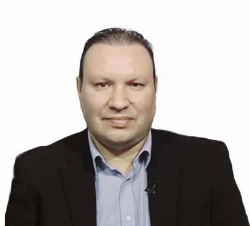
تركي الرجعان
بريطانيا: هل يقاس أمن الدول بجريمة قتل؟
10 أغسطس 2025 - 00:00
|
آخر تحديث 26 أغسطس 2025 - 16:00


تابع قناة عكاظ على الواتساب
In the era of social networks and the rapid dissemination of news, the discourse on national security has shifted from an institutional narrative governed by studies and analyses to a populist rhetoric driven by emotion and reaction. Some accounts on social media now classify countries as safe or unsafe not based on crime indicators, but according to what trends at the top of the list, as if an entire country could lose its security classification due to a video clip or a painful individual incident.
In recent days, some accounts and media circulated the news of the murder of a Saudi student in Britain - may he rest in peace - as evidence that this country is "unsafe," and waves of warnings and fearmongering began, along with emotional calls to label these countries as unsafe. As if the crime occurred in a vacuum, or that other countries are completely isolated from such incidents. What is unfortunate is that this populist discourse does not differentiate between an individual incident and the security system, nor does it realize that crime - as a human phenomenon - does not disappear in any society, no matter how advanced it is; rather, it remains present at varying rates, and the real difference lies in how the state deals with it.
Security is not the absence of crime, but the presence of order. In developed countries, crimes are committed, and assaults occur, but what makes them "safe" countries in the modern state sense is the existence of an effective justice system, a security apparatus, a judicial system, and institutions that quickly restore trust. When a crime occurs in Saudi Arabia, the UAE, or Britain, for example, it is not filed as an unknown case, nor are its files closed under the table; rather, it is investigated, accountability is enforced, and the results are announced to everyone.
To reduce the security of a state to a single murder - no matter how painful - is a gross simplification, a hasty conclusion, and an intellectual injustice that ignores the complex reality.
Between consciousness and unconsciousness.. How judgments are formed
It is striking that those who rush to describe these countries as unsafe are often individuals who have traveled there, lived in them, and benefited from their institutions. Once an incident occurs involving someone they know or someone who resembles them in identity, their consciousness becomes disturbed, and the impression shifts to a sharp opinion, without review or fairness.
If the scene were reversed, and a crime occurred in Saudi Arabia or another sister country - God forbid - against a foreign visitor, and Western newspapers described one of these countries as a dangerous state, would we accept this description? Of course not. We would defend and remind them of the security system, the speed of apprehension, and the fairness of the judiciary, and we would say, these countries cannot be reduced to an incident.
Therefore, justice requires that we grant others what we demand for ourselves. Fairness has no homeland, but it is the hallmark of all mature awareness.
We must also mention that the scholarship countries in the Kingdom of Saudi Arabia are a testament to the safety of these countries. If Britain, America, Canada, or Japan were unsafe countries, the state - may God honor it - would not continue to send its sons and daughters there under scholarship programs that undergo the highest levels of scrutiny. We all know that our country, the Kingdom of Saudi Arabia, does not gamble with its children, nor does it send them to an unknown fate; rather, it deals with realistic security reports, reviews lists periodically, and suspends scholarships to any country that poses a real threat. The continuation of scholarships to these countries is an institutional testimony that they still enjoy trust, and that the crimes occurring there are classified within the normal rates that do not threaten the life of the scholarship holder or resident if they adhere to public safety instructions.
Our duty is to be aware of our gains and what we strive for; do not build your awareness from incidents. What concerns us today is not just the occurrence of crime - as it is ultimately part of reality - but the exploitation of it in shaping public opinion towards misleading judgments and creating a distorted image of entire countries based on an individual stance or an event occurring here or there. What is required is not to deny the incident, but to place it in its natural context, to apply reason rather than emotion, and to avoid falling into the trap of exaggeration that consumes us more than it protects us. So do not make an individual pain a lens through which to view a country, do not replace reason with hashtags, and do not forget that security does not mean that crime does not occur, but that accountability is enforced when it does.
In recent days, some accounts and media circulated the news of the murder of a Saudi student in Britain - may he rest in peace - as evidence that this country is "unsafe," and waves of warnings and fearmongering began, along with emotional calls to label these countries as unsafe. As if the crime occurred in a vacuum, or that other countries are completely isolated from such incidents. What is unfortunate is that this populist discourse does not differentiate between an individual incident and the security system, nor does it realize that crime - as a human phenomenon - does not disappear in any society, no matter how advanced it is; rather, it remains present at varying rates, and the real difference lies in how the state deals with it.
Security is not the absence of crime, but the presence of order. In developed countries, crimes are committed, and assaults occur, but what makes them "safe" countries in the modern state sense is the existence of an effective justice system, a security apparatus, a judicial system, and institutions that quickly restore trust. When a crime occurs in Saudi Arabia, the UAE, or Britain, for example, it is not filed as an unknown case, nor are its files closed under the table; rather, it is investigated, accountability is enforced, and the results are announced to everyone.
To reduce the security of a state to a single murder - no matter how painful - is a gross simplification, a hasty conclusion, and an intellectual injustice that ignores the complex reality.
Between consciousness and unconsciousness.. How judgments are formed
It is striking that those who rush to describe these countries as unsafe are often individuals who have traveled there, lived in them, and benefited from their institutions. Once an incident occurs involving someone they know or someone who resembles them in identity, their consciousness becomes disturbed, and the impression shifts to a sharp opinion, without review or fairness.
If the scene were reversed, and a crime occurred in Saudi Arabia or another sister country - God forbid - against a foreign visitor, and Western newspapers described one of these countries as a dangerous state, would we accept this description? Of course not. We would defend and remind them of the security system, the speed of apprehension, and the fairness of the judiciary, and we would say, these countries cannot be reduced to an incident.
Therefore, justice requires that we grant others what we demand for ourselves. Fairness has no homeland, but it is the hallmark of all mature awareness.
We must also mention that the scholarship countries in the Kingdom of Saudi Arabia are a testament to the safety of these countries. If Britain, America, Canada, or Japan were unsafe countries, the state - may God honor it - would not continue to send its sons and daughters there under scholarship programs that undergo the highest levels of scrutiny. We all know that our country, the Kingdom of Saudi Arabia, does not gamble with its children, nor does it send them to an unknown fate; rather, it deals with realistic security reports, reviews lists periodically, and suspends scholarships to any country that poses a real threat. The continuation of scholarships to these countries is an institutional testimony that they still enjoy trust, and that the crimes occurring there are classified within the normal rates that do not threaten the life of the scholarship holder or resident if they adhere to public safety instructions.
Our duty is to be aware of our gains and what we strive for; do not build your awareness from incidents. What concerns us today is not just the occurrence of crime - as it is ultimately part of reality - but the exploitation of it in shaping public opinion towards misleading judgments and creating a distorted image of entire countries based on an individual stance or an event occurring here or there. What is required is not to deny the incident, but to place it in its natural context, to apply reason rather than emotion, and to avoid falling into the trap of exaggeration that consumes us more than it protects us. So do not make an individual pain a lens through which to view a country, do not replace reason with hashtags, and do not forget that security does not mean that crime does not occur, but that accountability is enforced when it does.