يختلف التغيير في الحالة السورية عن التغييرات العسكرية، التي ما زالت تحدث في بعض دول العالم النامي. ومع ذلك، هناك تشابه بين الحركتين؛ التنظيمية والعسكرية. في كلتا الحركتين، لا بد من «فترة انتقالية» تهيئ خلالها البلاد المعنية للتغييرات الجديدة. وهذا ما يحصل بسوريا، حيث حددت مدة الفترة الانتقالية بخمس سنوات؛ أي حتى عام 2030م. وخلال هذه الفترة، يؤمّل حل مشاكل خطيرة، وخاصة مسألتي الانقسام الوطني، وصهر الميليشيات المختلفة في الجيش السوري الجديد. فان تعذر ذلك ذاتياً، أو تعثر، يمكن الاستعانة بجامعة الدول العربية، أو بدولة، أو دول شقيقة، ترضاها، للعمل كوسيط محايد. ثم يعقد، كما سبق أن قلنا، مؤتمر للمصالحة الوطنية الشاملة. وبعد ذلك يتم:
1. تشكل لجنة برلمانية لصياغة دستور (نظام) جديد للبلاد.
2. ويطرح الدستور المقترح للاستفتاء الشعبي.
3. وتنزع أسلحة الميليشيات المسلحة، وتعطى للجيش السوري النظامي.
4. وتحويل الصالح من التنظيمات المقاومة الى أحزاب سياسية، تؤمن بوحدة الدولة السورية، وبالتداول السلمي للسلطة.
5. إجراء انتخابات رئاسية، وتشريعية نزيهة، وتحت رقابة محايدة ونزيهة.
6. انصراف الثوار غير المنتخبين، مشكورين، إلى بيوتهم.
* * **
إن على السوريين، قيادةً وشعباً، عمل كل الوارد في النقاط الست أعلاه. وقد عملت القيادة السورية الحالية دستوراً مؤقتاً تأمل طرحه في استفتاء شعبي عام، بعد أن ينقّح، ويصاغ منه دستور نهائي عام، يقبله كل السوريين. ثم تعمل حكومة الشرع على نزع أسلحة الميليشيات المختلفة، وصهرها في الجيش السوري الجديد.
ثم، وهذا هو الأهم، صهر كل مكونات الشعب السوري في العمل السياسي الموحد،... وهذا يعني إشراك هذه المكونات في العمل السياسي، وصناعة القرار، وتحويل الصالح من هذه التنظيمات الى أحزاب سياسية، تؤمن بالتداول السلمي للسلطة. ثم إجراء انتخابات رئاسية، وتشريعية، نزيهة.
****
وبالطبع، فإن عمل كل ذلك أمر ليس سهلاً، وذلك لأن الوضع السياسي العام الحالي في سوريا، ما زال دقيقاً. ونوجز فيما يلي الوضع السياسي الداخلي والخارجي في سوريا، بعد أشهر من نجاح الهبّة الشعبية، وطرد بشار الأسد. فما زالت الثورة السورية تواجه تحديات، داخلية، وخارجية خطيرة. فعلى المستوى الداخلي، تواجه سوريا- الشرع، صعوبة بالغة في صهر أغلب المكونات السورية، في بوتقة واحدة، عبر تحويل التنظيمات السياسية، المذهبية، وغير المذهبية، إلى أحزاب سياسية، تقبل بالتداول السلمي للسلطة. وتحويل الميليشيات التابعة لهذه التنظيمات، إلى الجيش النظامي السوري.
ولكن الأمر ليس بهذه السهولة، خاصة إذ أخذنا في الاعتبار، تناحر هذه التنظيمات فيما بينها، قبل قيام حركة التغيير. هناك عدة تنظيمات (مكونات) في سوريا، لعل أهمها هذه المكونات الثلاثة، التي ما زالت تقف موقف المعارض لحكومة الشرع، وهي:
- المكون السني: ويمتد من دمشق، مروراً بحمص وحماة، وحتى حلب وأدلب. وتحسب حكومة الشرع جزءاً من هذا المكون. لذلك، نجد أن المعارضة، داخل هذا المكون، محدودة.
- الرئاسة الروحية لمكون الدروز: ويتركز في السويداء، ويرفض الخضوع لسلطة الشرع، ويريد حكماً ذاتياً، يقلل من سلطة الحكومة المركزية عليه. وهو مكون مدعوم من إسرائيل...؟!
- المكون الكردي: وذراعه العسكري «قوات سوريا الديمقراطية» (قسد) ويطالب بدولة فيدرالية، يكون فيها متمتعاً بالحكم الذاتي ومسيطراً على مصادر النفط والغاز، بحكم موقعه، ووجود هذه الثروات في أراضيه. وهو مكون مدعوم من الولايات المتحددة، وكذلك إسرائيل.
إن هذه المكونات يختلف توجه كل منها عن الآخر. ومن هنا، يصعب استيعابها في الدولة السورية الواحدة، إلا بعمل إجراءات سياسية مطولة تحقق ذلك.
****
أما على المستوى الخارجي، فهناك خمس دول منخرطة في الشأن السوري، هي: أمريكا، روسيا، تركيا، إيران، إسرائيل. ولها في سوريا ما تسميه «مصالح»، وقواعد عسكرية، تتدخل بحجتها في الشأن السوري الداخلي.
فالولايات المتحدة تدعم «قسد»، وتحاول أن تتماهى سياستها في سوريا، مع السياسة الصهيونية تجاه سوريا. وهي تتمسك بدعم الأكراد، طمعاً فيما يسيطرون عليه من نفط وغاز. أما روسيا، فقد تدفعها رغبتها في الاحتفاظ بالقاعدة الساحلية في طرطوس، إلى دعم إقامة دولة «نصيرية» خاضعة لها.
****
وبالنسبة لتركيا: فإنها لن تقبل، على أي حال، إقامة دولة كردية، بقيادة «قسد»، أو غيرها. وهنا تصطدم المصالح التركية بإقامة دولة كردية، أو مكون كردي نشط في سوريا، مع رغبة إسرائيل المحمومة في تمزيق سوريا. فإسرائيل تدعم كل ما يؤدي إلى تقسيم سوريا، وإضعافها. وهنا يكمن مصدر صراع خطير، بين تركيا وإسرائيل، التي تتوق لتقسم سوريا، عبر دعم قيام كيانات مختلفة، من مكوناتها.
أما إيران، فإنها تحاول استعادة نفوذها بسوريا، بعد أن فقدته، برحيل بشار الأسد. لذلك، نجد أن قيام دولة سورية موحدة، يتطلب توافقاً بين مكوناتها الداخلية. فليس من مصلحة أي مكون، الانفصال، والخضوع لهذا الدولة الأجنبية، أو تلك.
وخارجياً، يتعين على حكومة دمشق أن تتعامل مع هذه الدول الخمس، بما يضمن وحدة سوريا، واستقرارها واستقلالها السياسي. وهذا أمر بالغ الصعوبة، والتحقيق.
****
إن الشعب السوري، وقادته الجدد، على درجة عالية من النزاهة، والوطنية. الأمر الذي يبعث على شيء من التفاؤل بأن سوريا ستجتاز المرحة الانتقالية، بإتقان، وسلام. في حالة حدوث اضطراب سياسي حاد، ناتج (مثلاً) عن: قيام مجموعة محلية معينة بإزاحة حكومة بلد ما معين، والاستيلاء على السلطة فيه، فغالباً ما نكون بصدد حرب أهلية. أو تبقى الأزمة في إطار الخلاف الأهلي الساخن. ولكن الوضع السياسي العام في سوريا ما زال مستقراً.
لقد كان الانقلاب السوري، انقلاب 8 أكتوبر 2024م، ضد حكومة «غير شرعية» أصلاً، وفاسدة وقمعية، وعميلة، هي حكومة بشار الأسد. لذا، فإن منطق الحق والعدالة، يقتضي أن: يرحب المجتمع الدولي بإزاحة تلك الحكومة... وفي ذات الوقت يضغط -كعادته- على الانقلابيين كي يمهدوا لقيام حكومة شرعية، في أقرب فرصة ممكنة، سواءً بمساعدة خارجية، أو بدون هذه المساعدة. وأن يساعدوا الانقلابيين على العمل على دعم استقرار، وأمن، ووحدة دولتهم. والحكومة الشرعية السورية قادمة، وقريباً.
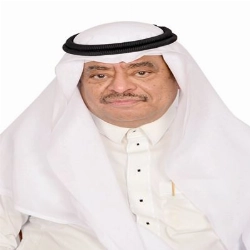
صدقة يحيى فاضل
موجز الوضع السياسي العام في سوريا.. !
25 مايو 2025 - 00:19
|
آخر تحديث 25 مايو 2025 - 00:19


تابع قناة عكاظ على الواتساب
The change in the Syrian situation differs from the military changes that are still occurring in some developing countries. However, there is a similarity between the organizational and military movements. In both movements, there must be a "transitional period" during which the concerned country prepares for the new changes. This is what is happening in Syria, where the duration of the transitional period has been set at five years; that is, until the year 2030. During this period, it is hoped that serious problems will be resolved, especially the issues of national division and integrating various militias into the new Syrian army. If this cannot be achieved internally, or if it falters, the Arab League or a brotherly state or states that are acceptable can be consulted to act as a neutral mediator. Then, as previously mentioned, a conference for comprehensive national reconciliation will be held. After that, the following will take place:
1. A parliamentary committee will be formed to draft a new constitution (system) for the country.
2. The proposed constitution will be put to a public referendum.
3. The armed militias' weapons will be confiscated and given to the regular Syrian army.
4. The viable resistance organizations will be transformed into political parties that believe in the unity of the Syrian state and the peaceful transfer of power.
5. Fair presidential and legislative elections will be conducted under neutral and fair supervision.
6. The non-elected rebels will graciously return to their homes.
* * **
It is imperative for the Syrians, both leadership and people, to implement everything mentioned in the six points above. The current Syrian leadership has worked on a temporary constitution that it hopes to present in a general public referendum after it is revised and a final general constitution is drafted that is accepted by all Syrians. Then, the Sharia government will work on disarming the various militias and integrating them into the new Syrian army.
Then, and this is the most important, all components of the Syrian people must be integrated into unified political action... This means involving these components in political work and decision-making, and transforming the viable organizations into political parties that believe in the peaceful transfer of power. Then, fair presidential and legislative elections will be conducted.
****
Of course, accomplishing all of this is not easy, as the current overall political situation in Syria remains delicate. Below, we summarize the internal and external political situation in Syria, months after the success of the popular uprising and the ousting of Bashar al-Assad. The Syrian revolution still faces serious internal and external challenges. On the internal level, Syria—under Sharia—faces significant difficulties in integrating most Syrian components into a single entity by transforming political organizations, sectarian and non-sectarian, into political parties that accept the peaceful transfer of power. And transforming the militias affiliated with these organizations into the regular Syrian army.
However, this is not so easy, especially considering the rivalry among these organizations before the change movement. There are several organizations (components) in Syria, perhaps the most important of which are these three components that still oppose the Sharia government:
- The Sunni component: extending from Damascus, through Homs and Hama, to Aleppo and Idlib. The Sharia government considers part of this component. Therefore, we find that the opposition within this component is limited.
- The spiritual leadership of the Druze component: concentrated in Sweida, rejects submission to Sharia authority, and seeks a form of self-rule that reduces the power of the central government over it. This component is supported by Israel...?!
- The Kurdish component: with its military arm, the "Syrian Democratic Forces" (SDF), demands a federal state where it enjoys autonomy and controls oil and gas resources due to its location and the presence of these resources in its territory. This component is supported by the United States, as well as Israel.
These components have different orientations from one another. Hence, it is difficult to integrate them into a single Syrian state without implementing lengthy political procedures to achieve that.
****
On the external level, there are five countries involved in Syrian affairs: the United States, Russia, Turkey, Iran, and Israel. Each has what it calls "interests" in Syria, along with military bases, intervening under the pretext of internal Syrian affairs.
The United States supports the SDF and tries to align its policy in Syria with the Zionist policy towards Syria. It insists on supporting the Kurds, hoping for control over the oil and gas they possess. As for Russia, its desire to maintain its coastal base in Tartus may push it to support the establishment of a "Nusayri" state under its control.
****
As for Turkey: it will not accept, under any circumstances, the establishment of a Kurdish state led by the SDF or others. Here, Turkish interests collide with the establishment of a Kurdish state or an active Kurdish component in Syria, alongside Israel's fervent desire to fragment Syria. Israel supports everything that leads to the division of Syria and its weakening. Here lies the source of a dangerous conflict between Turkey and Israel, which yearns to divide Syria by supporting the establishment of various entities from its components.
As for Iran, it seeks to regain its influence in Syria after losing it with Bashar al-Assad's departure. Therefore, we find that the establishment of a unified Syrian state requires consensus among its internal components. It is not in the interest of any component to separate and submit to this foreign state or that one.
Externally, the Damascus government must deal with these five countries in a way that ensures Syria's unity, stability, and political independence. This is a very difficult and challenging task.
****
The Syrian people and their new leaders are of a high degree of integrity and patriotism. This gives rise to some optimism that Syria will successfully and peacefully navigate the transitional phase. In the event of a severe political disturbance resulting (for example) from a certain local group ousting the government of a particular country and seizing power there, we are often faced with a civil war. Or the crisis remains within the framework of heated civil conflict. However, the overall political situation in Syria remains stable.
The Syrian coup, the coup of October 8, 2024, was against a government that was "illegitimate" in the first place, corrupt, repressive, and treacherous, namely Bashar al-Assad's government. Therefore, the logic of right and justice requires that the international community welcomes the removal of that government... and at the same time pressures -as usual- the coup leaders to pave the way for the establishment of a legitimate government as soon as possible, whether with external assistance or without it. And to assist the coup leaders in working to support the stability, security, and unity of their state. The legitimate Syrian government is coming, and soon.
1. A parliamentary committee will be formed to draft a new constitution (system) for the country.
2. The proposed constitution will be put to a public referendum.
3. The armed militias' weapons will be confiscated and given to the regular Syrian army.
4. The viable resistance organizations will be transformed into political parties that believe in the unity of the Syrian state and the peaceful transfer of power.
5. Fair presidential and legislative elections will be conducted under neutral and fair supervision.
6. The non-elected rebels will graciously return to their homes.
* * **
It is imperative for the Syrians, both leadership and people, to implement everything mentioned in the six points above. The current Syrian leadership has worked on a temporary constitution that it hopes to present in a general public referendum after it is revised and a final general constitution is drafted that is accepted by all Syrians. Then, the Sharia government will work on disarming the various militias and integrating them into the new Syrian army.
Then, and this is the most important, all components of the Syrian people must be integrated into unified political action... This means involving these components in political work and decision-making, and transforming the viable organizations into political parties that believe in the peaceful transfer of power. Then, fair presidential and legislative elections will be conducted.
****
Of course, accomplishing all of this is not easy, as the current overall political situation in Syria remains delicate. Below, we summarize the internal and external political situation in Syria, months after the success of the popular uprising and the ousting of Bashar al-Assad. The Syrian revolution still faces serious internal and external challenges. On the internal level, Syria—under Sharia—faces significant difficulties in integrating most Syrian components into a single entity by transforming political organizations, sectarian and non-sectarian, into political parties that accept the peaceful transfer of power. And transforming the militias affiliated with these organizations into the regular Syrian army.
However, this is not so easy, especially considering the rivalry among these organizations before the change movement. There are several organizations (components) in Syria, perhaps the most important of which are these three components that still oppose the Sharia government:
- The Sunni component: extending from Damascus, through Homs and Hama, to Aleppo and Idlib. The Sharia government considers part of this component. Therefore, we find that the opposition within this component is limited.
- The spiritual leadership of the Druze component: concentrated in Sweida, rejects submission to Sharia authority, and seeks a form of self-rule that reduces the power of the central government over it. This component is supported by Israel...?!
- The Kurdish component: with its military arm, the "Syrian Democratic Forces" (SDF), demands a federal state where it enjoys autonomy and controls oil and gas resources due to its location and the presence of these resources in its territory. This component is supported by the United States, as well as Israel.
These components have different orientations from one another. Hence, it is difficult to integrate them into a single Syrian state without implementing lengthy political procedures to achieve that.
****
On the external level, there are five countries involved in Syrian affairs: the United States, Russia, Turkey, Iran, and Israel. Each has what it calls "interests" in Syria, along with military bases, intervening under the pretext of internal Syrian affairs.
The United States supports the SDF and tries to align its policy in Syria with the Zionist policy towards Syria. It insists on supporting the Kurds, hoping for control over the oil and gas they possess. As for Russia, its desire to maintain its coastal base in Tartus may push it to support the establishment of a "Nusayri" state under its control.
****
As for Turkey: it will not accept, under any circumstances, the establishment of a Kurdish state led by the SDF or others. Here, Turkish interests collide with the establishment of a Kurdish state or an active Kurdish component in Syria, alongside Israel's fervent desire to fragment Syria. Israel supports everything that leads to the division of Syria and its weakening. Here lies the source of a dangerous conflict between Turkey and Israel, which yearns to divide Syria by supporting the establishment of various entities from its components.
As for Iran, it seeks to regain its influence in Syria after losing it with Bashar al-Assad's departure. Therefore, we find that the establishment of a unified Syrian state requires consensus among its internal components. It is not in the interest of any component to separate and submit to this foreign state or that one.
Externally, the Damascus government must deal with these five countries in a way that ensures Syria's unity, stability, and political independence. This is a very difficult and challenging task.
****
The Syrian people and their new leaders are of a high degree of integrity and patriotism. This gives rise to some optimism that Syria will successfully and peacefully navigate the transitional phase. In the event of a severe political disturbance resulting (for example) from a certain local group ousting the government of a particular country and seizing power there, we are often faced with a civil war. Or the crisis remains within the framework of heated civil conflict. However, the overall political situation in Syria remains stable.
The Syrian coup, the coup of October 8, 2024, was against a government that was "illegitimate" in the first place, corrupt, repressive, and treacherous, namely Bashar al-Assad's government. Therefore, the logic of right and justice requires that the international community welcomes the removal of that government... and at the same time pressures -as usual- the coup leaders to pave the way for the establishment of a legitimate government as soon as possible, whether with external assistance or without it. And to assist the coup leaders in working to support the stability, security, and unity of their state. The legitimate Syrian government is coming, and soon.