لم يعد قطاع الإسكان كما كان، ولم يعد التطوير العقاري يُقاس فقط بعدد الوحدات أو سرعة الإنجاز. السوق اليوم بحاجة إلى منظومة متكاملة تبدأ من المادة الخام وتصل إلى المفتاح بيد المستفيد. وهنا، برزت NHC كلاعب رئيسي في المشهد العقاري، وبصفتها أكبر مطور عقاري في المملكة، تقود تحولًا نوعيًا لا في المشاريع فقط، بل في فلسفة التطوير نفسها.
فبدلًا من التعامل مع الصناعة كمورد خارجي، اختارت الشركة أن تدمجها ضمن بنيتها الأساسية، عبر مبادرة إستراتيجية لتطوير مدينة صناعية ومناطق لوجستية متكاملة ترتبط مباشرة بوجهاتها العمرانية، وتُسهم في إعادة رسم العلاقة بين الصناعة والعقار.
هذه الخطوة لم تأتِ من فراغ، بل تندرج ضمن التزام NHC بمستهدفات رؤية السعودية 2030، وتدعم برنامج الإسكان، أحد برامج الرؤية الطموحة، عبر تعزيز الاستدامة، ورفع الكفاءة، وتحفيز النمو في القطاع العقاري من جذوره.
تعمل هذه المبادرة على بناء منظومة صناعية ولوجستية حديثة تخدم القطاع الأوسع من المطورين العقاريين، ليس فقط في تأمين المواد، بل أيضًا في خفض التكاليف، وتسريع الإنجاز، وتحسين جودة المنتجات. وهو ما يسهم بشكل مباشر في رفع كفاءة التنفيذ واستقرار السوق.
ووفق التصور المعلن، تستهدف هذه المبادرة تحقيق أثر اقتصادي تتجاوز قيمته 33 مليار ريال، واستقطاب استثمارات أجنبية تفوق 3 مليارات ريال، مع خلق أكثر من 10 آلاف فرصة عمل مباشرة وغير مباشرة، وتأمين أكثر من 600 ألف وحدة سكنية تلبي الطلب المتزايد في السوق العقاري.
وبدأت NHC بالفعل خطواتها العملية في هذا التوجه، من خلال تأسيس منطقة صناعية متخصصة في مواد البناء داخل مدينة سدير الصناعية، بالشراكة مع شركة «سيتيك» الصينية، إلى جانب إنشاء مناطق لوجستية مؤقتة في مواقع مشاريعها الكبرى مثل وجهتي «الفرسان»، و«خزام»، لتوفير مستودعات ومراكز توزيع تدعم سلسلة الإمداد وتعزّز كفاءة التنفيذ وجودة المنتجات السكنية.
وبرأيي، لا يمكن اختزال هذا التوجّه في كونه مجرد توسعة خدمية أو دعم لوجستي، بل هو تحول جوهري في فلسفة التطوير العقاري. ما تفعله NHC يعكس نضجًا إستراتيجيًا في فهم العلاقة بين الصناعة والعقار، ويؤسس لنموذج تكاملي جديد يعيد تشكيل المشهد، تبدأ فيه الشركة من الحلقة الأولى في سلسلة البناء، لتقدّم رؤية متكاملة لا تواكب السوق فحسب، بل تعيد تعريفه.
فثقة العميل تُبنى من المصنع، من المواد، من كفاءة التشغيل التي لا تُرى لكنها تصنع الفارق. وهذا هو جوهر التحول: وجهات عمرانية لا تُقاس فقط بسرعة إنجازها، بل بمنظومة ذكية تعرف من أين تبدأ وكيف تنتهي.
وأخيراً.. ما تقوم به NHC اليوم ليس مجرد تحرك لسد فجوة، بل هو إعادة صياغة لواقع ومستقبل قطاع الإسكان في المملكة. فعندما تُبنى الوجهات العمرانية على أسس صناعية قوية، وتُدار المشاريع برؤية اقتصادية مترابطة، يتعزز استقرار السوق، وتولد الثقة من أرض الواقع. وهنا تتجلى قيمة التحول، حين تنعكس كفاءة المنظومة على ثقة المواطن واستقرار السوق. لتثبت NHC أن العقار لم يعد مجرد منتج نهائي، بل منظومة متكاملة تبدأ من الركائز وتنتهي عند تسليم المفاتيح.

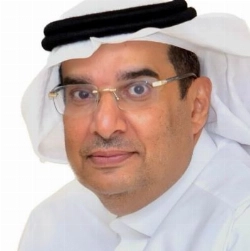
عبدالرحمن الأسمري
NHC تقود تحولاً إستراتيجياً يربط الصناعة بالعقار ويعيد تشكيل سوق الإسكان
9 يوليو 2025 - 00:11
|
آخر تحديث 9 يوليو 2025 - 00:11


تابع قناة عكاظ على الواتساب
The housing sector is no longer what it used to be, and real estate development is no longer measured solely by the number of units or the speed of completion. The market today needs a comprehensive system that starts from raw materials and ends with the key in the hands of the beneficiary. Here, NHC has emerged as a key player in the real estate scene, and as the largest real estate developer in the Kingdom, it is leading a qualitative transformation not only in projects but also in the philosophy of development itself.
Instead of treating the industry as an external supplier, the company chose to integrate it within its core structure, through a strategic initiative to develop an industrial city and integrated logistics areas directly linked to its urban destinations, contributing to redefining the relationship between industry and real estate.
This step did not come out of nowhere, but falls within NHC's commitment to the objectives of Saudi Vision 2030, supporting the housing program, one of the ambitious vision's initiatives, by enhancing sustainability, increasing efficiency, and stimulating growth in the real estate sector from its roots.
This initiative aims to build a modern industrial and logistics system that serves the broader sector of real estate developers, not only in securing materials but also in reducing costs, speeding up completion, and improving product quality. This directly contributes to increasing execution efficiency and market stability.
According to the announced vision, this initiative aims to achieve an economic impact exceeding 33 billion riyals, attract foreign investments exceeding 3 billion riyals, create more than 10,000 direct and indirect job opportunities, and secure more than 600,000 housing units to meet the increasing demand in the real estate market.
NHC has already begun its practical steps in this direction by establishing a specialized industrial area for building materials within the Sudair Industrial City, in partnership with the Chinese company "CITIC," in addition to creating temporary logistics areas at its major project sites such as the "Al-Fursan" and "Khuzam" destinations, to provide warehouses and distribution centers that support the supply chain and enhance execution efficiency and the quality of residential products.
In my opinion, this approach cannot be reduced to merely being a service expansion or logistical support; rather, it is a fundamental transformation in the philosophy of real estate development. What NHC is doing reflects strategic maturity in understanding the relationship between industry and real estate, establishing a new integrative model that reshapes the scene, starting from the first link in the construction chain, to offer a comprehensive vision that not only keeps pace with the market but redefines it.
Customer trust is built from the factory, from the materials, from the operational efficiency that is unseen but makes a difference. This is the essence of the transformation: urban destinations that are not only measured by the speed of their completion but by a smart system that knows where to start and how to finish.
Finally, what NHC is doing today is not just a move to fill a gap; it is a redefinition of the reality and future of the housing sector in the Kingdom. When urban destinations are built on strong industrial foundations and projects are managed with an interconnected economic vision, market stability is enhanced, and trust is generated from the ground up. Here, the value of transformation is manifested when the efficiency of the system reflects on citizen trust and market stability. NHC proves that real estate is no longer just a final product but an integrated system that starts from the foundations and ends with the delivery of keys.
Instead of treating the industry as an external supplier, the company chose to integrate it within its core structure, through a strategic initiative to develop an industrial city and integrated logistics areas directly linked to its urban destinations, contributing to redefining the relationship between industry and real estate.
This step did not come out of nowhere, but falls within NHC's commitment to the objectives of Saudi Vision 2030, supporting the housing program, one of the ambitious vision's initiatives, by enhancing sustainability, increasing efficiency, and stimulating growth in the real estate sector from its roots.
This initiative aims to build a modern industrial and logistics system that serves the broader sector of real estate developers, not only in securing materials but also in reducing costs, speeding up completion, and improving product quality. This directly contributes to increasing execution efficiency and market stability.
According to the announced vision, this initiative aims to achieve an economic impact exceeding 33 billion riyals, attract foreign investments exceeding 3 billion riyals, create more than 10,000 direct and indirect job opportunities, and secure more than 600,000 housing units to meet the increasing demand in the real estate market.
NHC has already begun its practical steps in this direction by establishing a specialized industrial area for building materials within the Sudair Industrial City, in partnership with the Chinese company "CITIC," in addition to creating temporary logistics areas at its major project sites such as the "Al-Fursan" and "Khuzam" destinations, to provide warehouses and distribution centers that support the supply chain and enhance execution efficiency and the quality of residential products.
In my opinion, this approach cannot be reduced to merely being a service expansion or logistical support; rather, it is a fundamental transformation in the philosophy of real estate development. What NHC is doing reflects strategic maturity in understanding the relationship between industry and real estate, establishing a new integrative model that reshapes the scene, starting from the first link in the construction chain, to offer a comprehensive vision that not only keeps pace with the market but redefines it.
Customer trust is built from the factory, from the materials, from the operational efficiency that is unseen but makes a difference. This is the essence of the transformation: urban destinations that are not only measured by the speed of their completion but by a smart system that knows where to start and how to finish.
Finally, what NHC is doing today is not just a move to fill a gap; it is a redefinition of the reality and future of the housing sector in the Kingdom. When urban destinations are built on strong industrial foundations and projects are managed with an interconnected economic vision, market stability is enhanced, and trust is generated from the ground up. Here, the value of transformation is manifested when the efficiency of the system reflects on citizen trust and market stability. NHC proves that real estate is no longer just a final product but an integrated system that starts from the foundations and ends with the delivery of keys.