تواصل السلطات في فرنسا وإسبانيا جهودها للسيطرة على حرائق غابات واسعة النطاق اجتاحت مناطق عدة في البلدين، وسط تحذيرات من موجة حر جديدة قد تؤدي إلى تفاقم الأزمة. وأكد رئيس الوزراء الإسباني بيدرو سانشيز أن شبه الجزيرة الإيبيرية تعاني بشكل مباشر من تداعيات التغير المناخي.
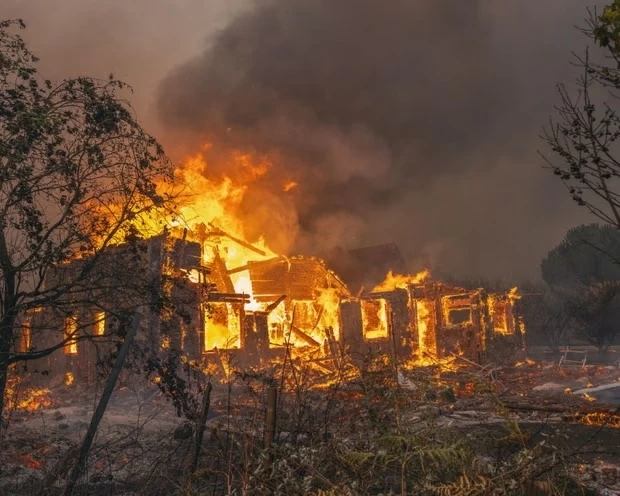
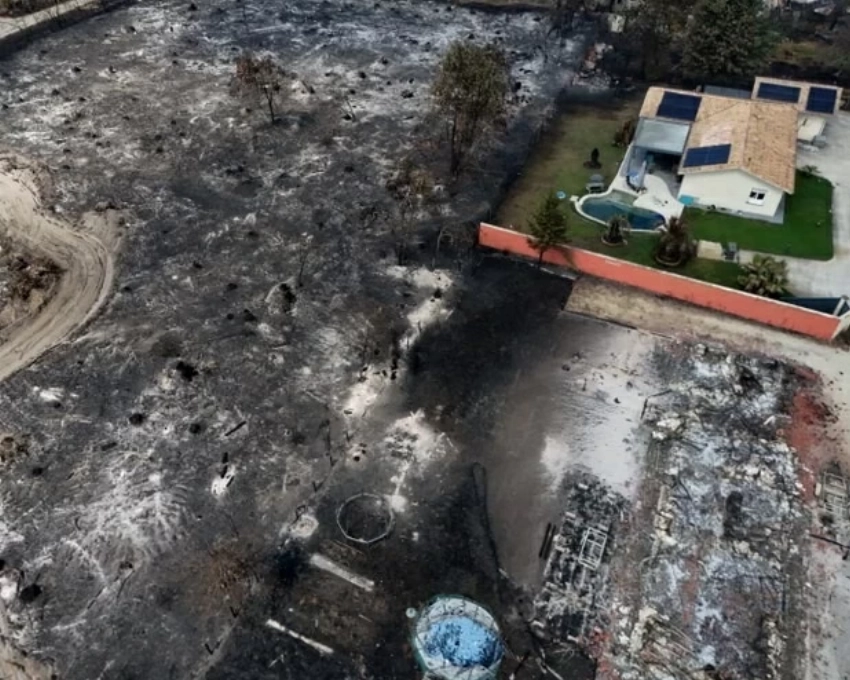
وفي جنوب غرب فرنسا لا تزال فرق الإطفاء تكافح لاحتواء الحريق الضخم في إقليم جيروند قرب مدينة بوردو، بعدما أتت النيران على نحو 42 ألف هكتار من الأراضي، أي ما يعادل مساحة تزيد على 4 أضعاف مساحة العاصمة باريس، في واحدة من أكبر الكوارث البيئية التي تشهدها البلاد منذ الحرب العالمية الثانية.
وأعلنت السلطات الفرنسية أن نحو 260 ألف شخص اضطروا إلى مغادرة منازلهم بسبب الحرائق، من بينهم أكثر من 36 ألف شخص تم إجلاؤهم من إقليم لاند جنوب البلاد، فيما تجاوز إجمالي عدد النازحين بسبب الحرائق في فرنسا وإسبانيا 375 ألف شخص، بينهم 116 ألفاً في إسبانيا.
وأكدت السلطات المحلية أن الوضع في جيروند ظل مستقراً نسبياً خلال الساعات الأخيرة، إلا أن أجهزة الأمن والطوارئ تواصل عملياتها المكثفة على الأرض، في وقت حذرت فيه هيئة الأرصاد الجوية من موجة حر جديدة قد تبدأ الثلاثاء، مع توقعات ببلوغ درجات الحرارة 40 درجة مئوية في بعض المناطق الفرنسية.
ودعت محافظة إقليم نوفيل أكيتين صوفي بروكاس السياح إلى تجنب السفر إلى جيروند حتى تتم السيطرة على الحريق، مشيرة إلى أن سلوك النيران أصبح غير قابل للتنبؤ، وهو أمر لم تشهده فرنسا من قبل.
ومن المقرر أن يعقد الرئيس الفرنسي إيمانويل ماكرون اجتماعاً طارئاً للحكومة لبحث تطورات الأزمة والإجراءات اللازمة لمواجهة الحرائق.
من جانبه، قال وزير الداخلية الفرنسي لوران نونيز إن الحريق استعاد قوته خلال ليل السبت، وأصبح «شديد العنف وغير متوقع»، موضحاً أنه ولّد رياحه الخاصة وسلك مسارات متغيرة باتجاه منطقة بوردو الحضرية قبل أن تهدأ حدته مع حلول الصباح.
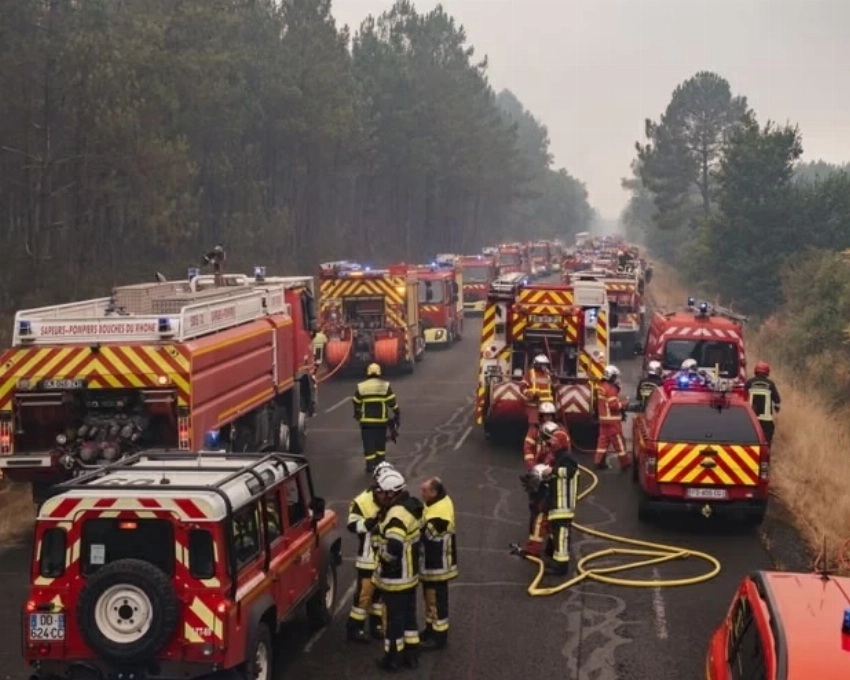
وأسفرت الحرائق في جيروند منذ الأربعاء الماضي عن إصابة 84 من رجال الإطفاء، نُقل 10 منهم إلى المستشفيات، بينما يشارك في عمليات الإخماد نحو 2500 رجل إطفاء، بينهم فريق سويسري، إضافة إلى 1500 عسكري و1200 عنصر شرطة ومئات المتطوعين.
كما ألقت الشرطة الفرنسية القبض على 3 أشخاص للاشتباه في مخالفتهم إجراءات السلامة، بينهم رجل كان يدخن داخل إحدى الغابات، وآخران أشعلا حفلات شواء في منطقة غابات.
وفي تطور لافت، أوضح أحد رجال الإطفاء أن الحريق أدى إلى تشكل ظاهرة «بيروكومولونيمبوس»، وهي سحابة رعدية ناتجة عن الحرائق تولد رياحاً ودوامات هوائية خاصة بها، ما يجعل السيطرة على النيران أكثر صعوبة.
وأكد الاتحاد الوطني لرجال الإطفاء في فرنسا أن هذه الظاهرة، المعروفة في أستراليا وكندا، تُرصد للمرة الأولى في فرنسا.
وفي إسبانيا، أعلنت السلطات إحراز تقدم في احتواء الحرائق غرب العاصمة مدريد، إلا أن رئيس الوزراء بيدرو سانشيز حذر من أن البلاد تمر بـ«ساعات صعبة»، مؤكداً أن إسبانيا والبرتغال تواجهان آثاراً متزايدة للتغير المناخي، من حرائق الغابات إلى العواصف والتساقطات الثلجية غير المعتادة.
وفي المقابل، اندلع حريق جديد قرب مدينة فالنسيا المطلة على البحر المتوسط، ما أجبر السلطات على إجلاء ما لا يقل عن 15 ألف شخص، فيما وصف رئيس حكومة الإقليم الحريق بأنه تجاوز قدرات فرق الإطفاء، نظراً إلى اتساع محيطه إلى نحو 21 كيلومتراً.
كما أعلنت وزارة الداخلية الإسبانية وفاة رجل عُثر عليه داخل سيارته في بلدة مانيسيس بإقليم فالنسيا، في حين أمرت السلطات بإخلاء 8 بلدات إضافية قرب توليدو.
وأكدت وزيرة البيئة الإسبانية أن الحريق الذي التهم نحو 50 ألف هكتار في مقاطعة أفيلا يعد أكبر حريق غابات تشهده البلاد في تاريخها الحديث، بينما وصفته رئيسة هيئة الحماية المدنية بـ«الوحش».
وتشير بيانات وزارة البيئة الإسبانية إلى تسجيل 32 حريقاً كبيراً منذ بداية عام 2026 أتت على أكثر من 152 ألف هكتار، مقارنة بـ7 حرائق فقط خلال الفترة نفسها من عام 2025.
وعلى المستوى الأوروبي، حذرت مفوضة الاتحاد الأوروبي لإدارة الأزمات حجة لحبيب من أن خسائر حرائق الغابات خلال العام الحالي قد تتجاوز الأرقام المعلنة.
The authorities in France and Spain continue their efforts to control large-scale wildfires that have swept through several areas in both countries, amid warnings of a new heatwave that could exacerbate the crisis. Spanish Prime Minister Pedro Sánchez confirmed that the Iberian Peninsula is directly suffering from the impacts of climate change.
In southwestern France, firefighting teams are still struggling to contain the massive fire in the Gironde region near Bordeaux, after the flames consumed about 42,000 hectares of land, an area more than four times the size of Paris, in one of the largest environmental disasters the country has faced since World War II.
The French authorities announced that around 260,000 people have been forced to leave their homes due to the fires, including more than 36,000 people evacuated from the Landes region in the south of the country, while the total number of displaced persons due to the fires in France and Spain has exceeded 375,000, including 116,000 in Spain.
Local authorities confirmed that the situation in Gironde remained relatively stable in recent hours, but security and emergency services continue their intensive operations on the ground, while the meteorological agency warned of a new heatwave that could begin on Tuesday, with temperatures expected to reach 40 degrees Celsius in some French areas.
The governor of the Nouvelle-Aquitaine region, Sophie Brocas, urged tourists to avoid traveling to Gironde until the fire is brought under control, noting that the behavior of the flames has become unpredictable, something that has not been seen in France before.
French President Emmanuel Macron is set to hold an emergency government meeting to discuss the developments of the crisis and the necessary measures to combat the fires.
For his part, French Interior Minister Laurent Nuñez stated that the fire regained strength during the night of Saturday, becoming "extremely violent and unpredictable," explaining that it generated its own winds and followed changing paths towards the urban area of Bordeaux before its intensity subsided by morning.
The fires in Gironde since last Wednesday have resulted in injuries to 84 firefighters, 10 of whom were hospitalized, while about 2,500 firefighters, including a Swiss team, along with 1,500 military personnel, 1,200 police officers, and hundreds of volunteers are participating in the firefighting operations.
The French police also arrested three individuals on suspicion of violating safety regulations, including a man who was smoking inside one of the forests and two others who lit barbecues in a forested area.
In a notable development, one firefighter explained that the fire led to the formation of a "pyrocumulonimbus" phenomenon, which is a thunderstorm cloud caused by the fires that generates its own winds and air vortices, making it more difficult to control the flames.
The National Firefighters Union in France confirmed that this phenomenon, known in Australia and Canada, is being observed for the first time in France.
In Spain, authorities announced progress in containing the fires west of the capital Madrid, but Prime Minister Pedro Sánchez warned that the country is going through "difficult hours," confirming that Spain and Portugal are facing increasing effects of climate change, from wildfires to storms and unusual snowfall.
Meanwhile, a new fire broke out near the Mediterranean city of Valencia, forcing authorities to evacuate at least 15,000 people, while the regional government head described the fire as exceeding the capabilities of firefighting teams, given that its perimeter has expanded to about 21 kilometers.
The Spanish Interior Ministry also announced the death of a man found inside his car in the town of Manises in the Valencia region, while authorities ordered the evacuation of 8 additional towns near Toledo.
The Spanish Environment Minister confirmed that the fire that consumed about 50,000 hectares in the province of Ávila is the largest wildfire the country has seen in its modern history, while the head of the Civil Protection Agency described it as a "monster."
Data from the Spanish Ministry of the Environment indicates that 32 large fires have been recorded since the beginning of 2026, burning more than 152,000 hectares, compared to only 7 fires during the same period in 2025.
At the European level, EU Commissioner for Crisis Management Janez Lenarčič warned that the losses from wildfires this year could exceed the announced figures.