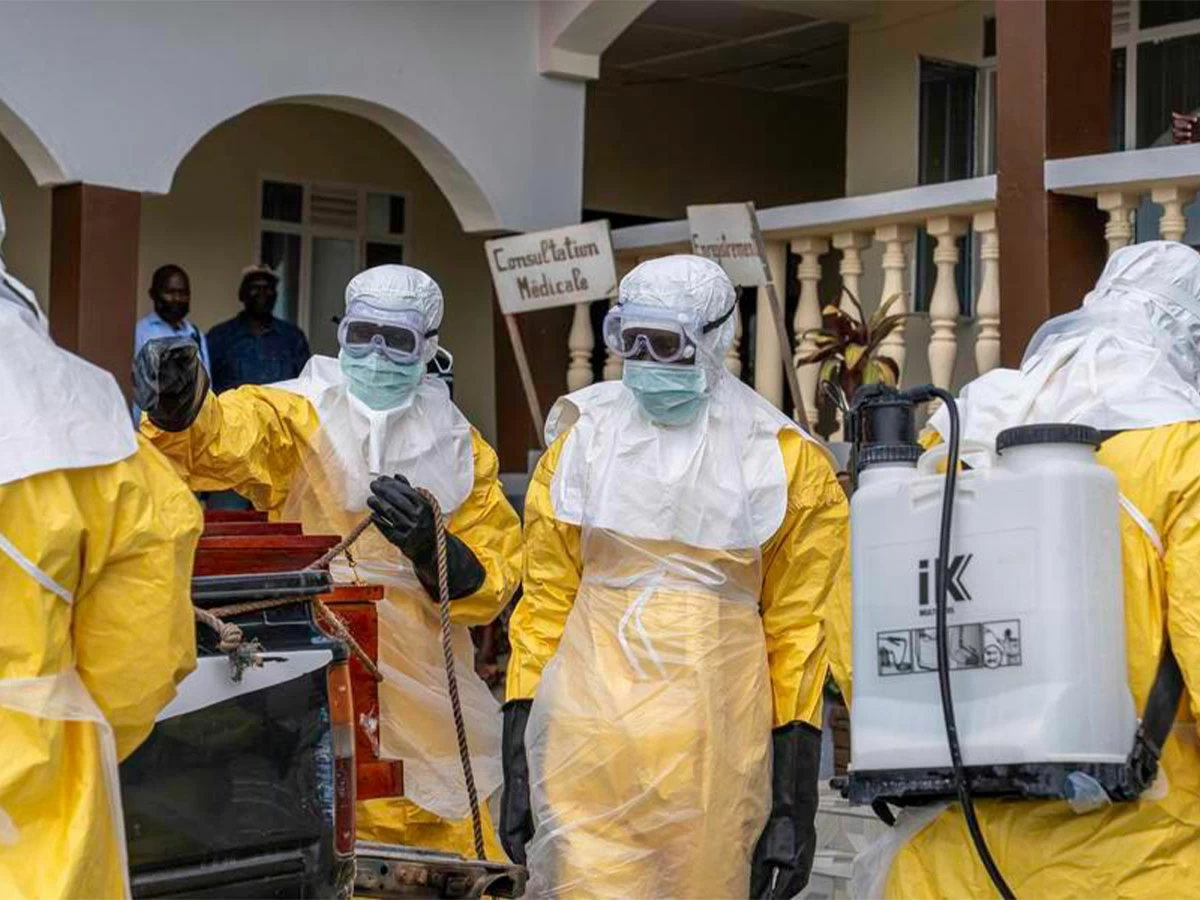
يقف وسط القارة الأفريقية على شفا كارثة وبائية متجددة. فما زال فايروس «إيبولا» الفتاك يحكم قبضته على جمهورية الكونغو الديمقراطية، مواصلاً زحفه الشرس في مرحلة انتشار وصفتها منظمة الصحة العالمية بالـ«مستمرة» والآخذة في التوسع، مدفوعةً بحركة النزوح والتنقلات السكانية العشوائية التي تحولت إلى جسر لنقل العدوى بين المدن والأقاليم.
منظومة صحية تخنقها الأرقام
وقد خرجت آن أنسيا، ممثلة المنظمة الدولية في الكونغو الديمقراطية، بتصريحات دقت فيها ناقوس الخطر، مؤكدة أن الوباء لم يتم احتواؤه بعد، بل إنه يمر بـ«مرحلة تمدد نشطة». وكشفت أن المنظومة الطبية تواجه اليوم تحديات لوجستية خانقة؛ إذ باتت مراكز علاج «إيبولا» على حافة الانهيار التام بعد أن بلغت طاقتها الاستيعابية القصوى نسبة حرجة ناهزت 90%.
بؤرة التحدي
تكمن المعضلة الأكبر -وفقاً للتقرير الدولي- في سلوك العاملين بمناجم (مونجبوالوا)؛ إذ يرفض هؤلاء العمال المصابون بالفايروس الخضوع للعلاج داخل البلدة، مفضلين الهروب والترحال صوب مناطق أخرى، ما يتسبب في تفجير بؤر وبائية جديدة يصعب تتبعها.
وأوضحت المنظمة أن هذا الهروب المستمر، بالتوازي مع غياب الاستقرار الأمني وهشاشة البنية التحتية الصحية، يضع العراقيل أمام الجهود الدولية الرامية لضرب طوق حول الفايروس وكبح جماحه.
الحصيلة الأسوأ تاريخياً
وفي رصد إحصائي يعكس قتامة المشهد، سجلت البلاد حتى الآن 1561 إصابة مؤكدة، حصد الموت منها أرواح 506 أشخاص، في واحدة من أسوأ الهجمات التاريخية لسلالة «بونديبوغيو» النادرة وشديدة الخطورة. ومع هذا الأفق القاتم، لا تزال هناك نافذة أمل ضيقة؛ إذ أعلنت منظمة الصحة العالمية أخيراً إطلاق تجارب سريرية واعدة لعلاجين جديدين قد يغيران قواعد المعركة ضد هذا الفايروس الفتاك.
Standing in the heart of the African continent on the brink of a renewed epidemic disaster. The deadly "Ebola" virus still grips the Democratic Republic of the Congo, continuing its fierce advance in a phase of spread described by the World Health Organization as "ongoing" and expanding, driven by the movement of displacement and random population shifts that have turned into a bridge for transmitting the infection between cities and regions.
A healthcare system suffocated by numbers
Anne Ancia, the representative of the international organization in the Democratic Republic of the Congo, has sounded the alarm, confirming that the epidemic has not yet been contained and is currently in an "active expansion phase." She revealed that the medical system is facing suffocating logistical challenges; treatment centers for "Ebola" are on the brink of complete collapse, having reached a critical capacity nearing 90%.
The epicenter of the challenge
The biggest dilemma, according to the international report, lies in the behavior of the workers in the (Mongebola) mines; these workers infected with the virus refuse to undergo treatment within the town, preferring to flee and move to other areas, which causes the emergence of new epidemic hotspots that are difficult to track.
The organization explained that this continuous flight, alongside the absence of security stability and the fragility of the healthcare infrastructure, poses obstacles to international efforts aimed at encircling the virus and curbing its spread.
The historically worst toll
In a statistical report reflecting the grim scene, the country has recorded 1,561 confirmed cases so far, with 506 deaths, in one of the worst historical attacks of the rare and highly dangerous "Bundibugyo" strain. Despite this bleak outlook, there remains a narrow window of hope; the World Health Organization recently announced the launch of promising clinical trials for two new treatments that could change the rules of the battle against this deadly virus.