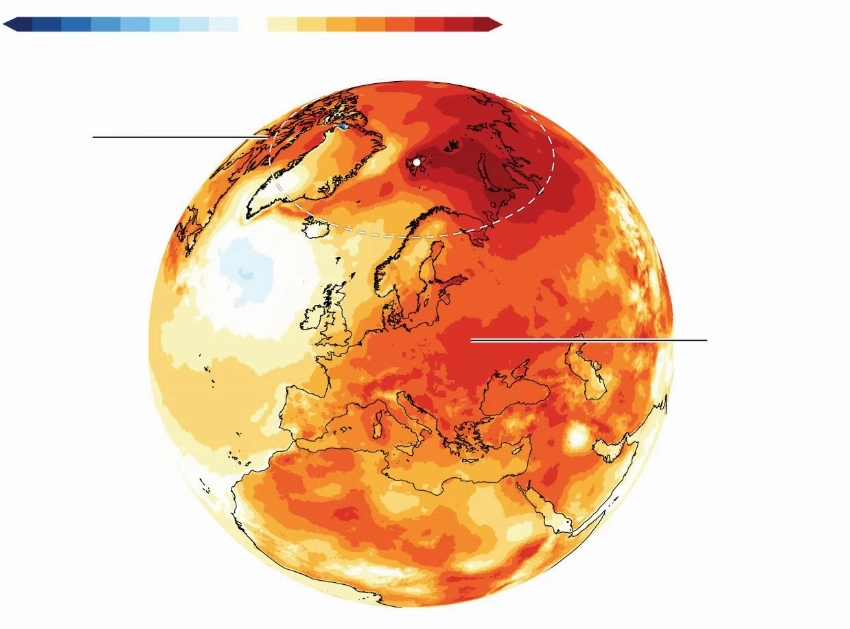
كشف تقرير علمي حديث أن موجة الحر التي اجتاحت شمال أوروبا ودفعت درجات الحرارة داخل الدائرة القطبية الشمالية إلى أكثر من 30 درجة مئوية خلال يوليو الماضي، جاءت ضمن عام استثنائي شهد تعرض أكثر من 95% من القارة الأوروبية لحرارة غير طبيعية.
وأشار التقرير، الصادر عن المنظمة العالمية للأرصاد الجوية وخدمة كوبرنيكوس لتغير المناخ، إلى أن دولًا إسكندنافية مثل النرويج والسويد وفنلندا شهدت نحو 21 يومًا من الطقس شديد الحرارة، تخللتها ما يُعرف بـ«الليالي الاستوائية»، وهي ظاهرة نادرة في تلك المناطق الباردة.
أوروبا الأسرع احترارًا في العالم
وأظهرت البيانات أن درجات الحرارة في أوروبا ترتفع بمعدل 0.56 درجة مئوية كل عقد منذ منتصف التسعينيات، وهو أسرع معدل بين جميع قارات العالم، نتيجة تراكم الانبعاثات الناتجة عن الوقود الأحفوري.
كما سجلت درجات حرارة سطح البحار أعلى مستوياتها على الإطلاق، فيما تراجع الغطاء الثلجي بنسبة 31% وكتلة الثلوج بنسبة 45% مقارنة بمتوسطات العقود الماضية.
ذوبان متسارع وحرائق مدمرة
وفي مناطق مثل سفالبارد، التي تعد من أسرع مناطق العالم احترارًا، ارتفعت درجات الحرارة بمعدل يتراوح بين ثلاثة إلى أربعة أضعاف المتوسط الأوروبي.
وأدى الطقس الحار إلى اندلاع حرائق غابات مدمرة خلال عام 2025، التهمت أكثر من مليون هكتار من الأراضي، متجاوزة الرقم القياسي السابق المسجل عام 2017، وكانت شبه الجزيرة الأيبيرية الأكثر تضررًا، خصوصا في إسبانيا التي استحوذت وحدها على 38% من إجمالي المساحات المحترقة.
البحار تسخن والأنهار الجليدية تتراجع
وسجلت المياه الأوروبية أعلى درجات حرارة على الإطلاق، مع تعرض 86% من المسطحات البحرية لموجات حر شديدة خلال العام، بينما شهد 36% منها موجات قاسية أو متطرفة.
وفي آيسلندا، تم تسجيل ثاني أكبر خسارة في الكتلة الجليدية، بينما فقد الغطاء الجليدي في جرينلاند نحو 139 جيجا طن من الجليد خلال عام واحد، ما ساهم في ارتفاع مستوى سطح البحر عالميًا بنحو نصف مليمتر.
تحذيرات
وقال جون هايلاند من منظمة غرينبيس إن المؤشرات الحالية مقلقة للغاية، محذرًا من أن عدم اتخاذ إجراءات عاجلة لخفض الانبعاثات الكربونية يهدد صحة البشر ومنازلهم وسبل عيشهم.
هل فات الأوان لاحتواء الأزمة؟
وكان قادة العالم قد تعهدوا خلال اتفاق باريس للمناخ 2015 بالحد من ارتفاع حرارة الأرض عند 1.5 درجة مئوية فوق مستويات ما قبل الثورة الصناعية، إلا أن الاحترار العالمي تجاوز بالفعل 1.3 درجة.
وأكدت الأمينة العامة للمنظمة العالمية للأرصاد الجوية، سيليست ساولو، أن الوصول إلى هذا الهدف أصبح «شبه مستحيل» دون تجاوز مؤقت، مشددة على ضرورة تقليل هذا التجاوز قدر الإمكان.
دعوات للتحرك والتكيف
ودعا خبراء إلى اتخاذ إجراءات عاجلة تشمل تعزيز خطط التكيف مع موجات الحر، تحسين أنظمة الإنذار والإخلاء، إعادة تصميم المدن لتكون أكثر خضرة وأقل اعتمادًا على الخرسانة، زيادة الاستثمارات في الحماية المناخية.
كما حث مستشارو الاتحاد الأوروبي الحكومات على الاستعداد لسيناريو ارتفاع الحرارة بمقدار 3 درجات مئوية، معتبرين أن الجهود الحالية غير كافية ومتأخرة.
A recent scientific report revealed that the heatwave that swept across Northern Europe and pushed temperatures within the Arctic Circle to over 30 degrees Celsius last July was part of an exceptional year that saw more than 95% of the European continent experiencing abnormal heat.
The report, issued by the World Meteorological Organization and the Copernicus Climate Change Service, indicated that Scandinavian countries such as Norway, Sweden, and Finland experienced about 21 days of extreme heat, punctuated by what is known as "tropical nights," a rare phenomenon in those cold regions.
Europe is the fastest warming region in the world
Data showed that temperatures in Europe are rising at a rate of 0.56 degrees Celsius every decade since the mid-1990s, the fastest rate among all continents, due to the accumulation of emissions from fossil fuels.
Sea surface temperatures also reached their highest levels ever, while snow cover decreased by 31% and snow mass by 45% compared to averages from previous decades.
Accelerated melting and devastating fires
In areas like Svalbard, which is among the fastest warming regions in the world, temperatures have risen at a rate three to four times the European average.
The hot weather led to devastating wildfires in 2025, consuming over one million hectares of land, surpassing the previous record set in 2017, with the Iberian Peninsula being the most affected, particularly Spain, which alone accounted for 38% of the total burned areas.
Seas warming and glaciers retreating
European waters recorded the highest temperatures ever, with 86% of marine areas experiencing severe heatwaves during the year, while 36% of them faced harsh or extreme heatwaves.
In Iceland, the second-largest loss of glacial mass was recorded, while the ice cover in Greenland lost about 139 gigatons of ice in one year, contributing to a global sea level rise of about half a millimeter.
Warnings
John Highland from Greenpeace stated that the current indicators are extremely concerning, warning that failure to take urgent action to reduce carbon emissions threatens human health, homes, and livelihoods.
Is it too late to contain the crisis?
World leaders pledged during the 2015 Paris Climate Agreement to limit global warming to 1.5 degrees Celsius above pre-industrial levels, yet global warming has already exceeded 1.3 degrees.
The Secretary-General of the World Meteorological Organization, Celeste Saulo, confirmed that reaching this goal has become "almost impossible" without a temporary overshoot, emphasizing the need to minimize this overshoot as much as possible.
Calls for action and adaptation
Experts have called for urgent measures, including enhancing heatwave adaptation plans, improving warning and evacuation systems, redesigning cities to be greener and less reliant on concrete, and increasing investments in climate protection.
EU advisors also urged governments to prepare for a scenario of a 3 degrees Celsius rise in temperature, considering current efforts to be insufficient and delayed.