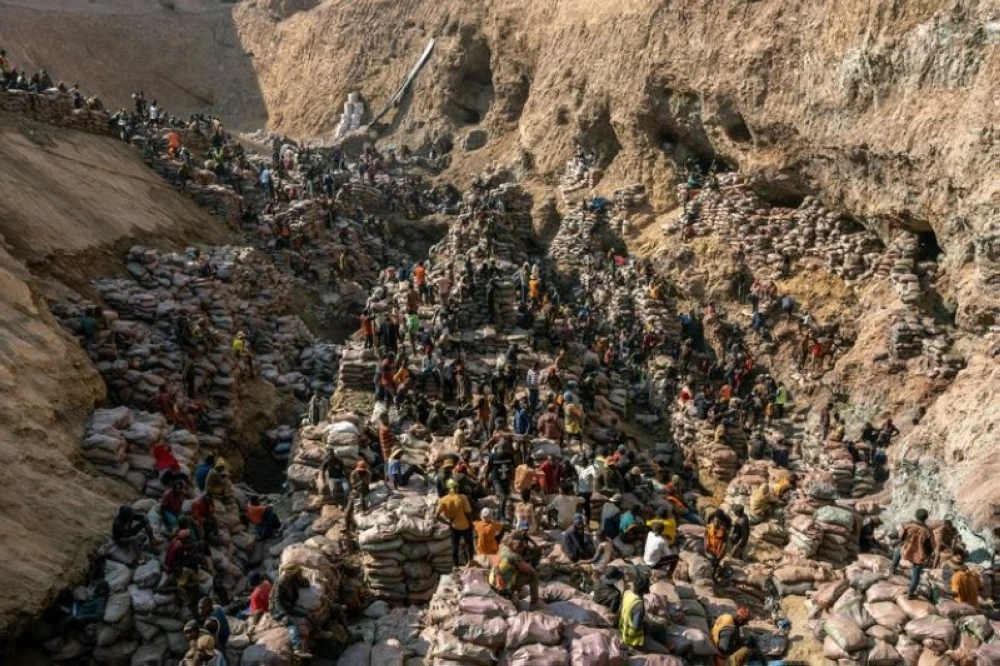
تحوّلت مناجم الكولتان في شرق جمهورية الكونغو الديمقراطية إلى مقبرة جماعية، بعدما أسفر انهيار أرضي مروّع عن مقتل ما لا يقل عن 200 شخص، إثر أمطار غزيرة دمّرت عدة مناجم في منطقة روبايا، أحد أهم مواقع التعدين في البلاد، الخاضعة لسيطرة متمردي حركة «إم23».
وأعلن المتحدث باسم الحاكم المعيَّن من قبل الحركة في إقليم شمال كيفو، لومومبا كامبيره مويزا، أن الكارثة وقعت يوم الأربعاء، مؤكداً أن عشرات الضحايا لا يزالون عالقين تحت الوحل حتى الآن. وقال: «الحصيلة تجاوزت 200 قتيل، وبعض الجثث لم يُعثر عليها بعد».
ونُقل المصابون إلى ثلاث منشآت صحية في بلدة روبايا، فيما جرى التحضير لنقل الحالات الحرجة يوم السبت إلى مدينة غوما، التي تبعد نحو 50 كيلومتراً عن موقع الكارثة.
وفي أعقاب الحادث، قررت سلطات «إم23» تعليق التعدين الأهلي مؤقتاً، وأمرت بإخلاء السكان الذين أقاموا مساكن بدائية قرب المنجم، في محاولة لاحتواء تداعيات الكارثة.
وتقع روبايا في قلب منطقة تعيش على وقع العنف منذ عقود، حيث تتصارع القوات الحكومية وجماعات مسلحة متعددة للسيطرة على ثروات معدنية هائلة، في مقدمتها حركة «إم23».
وتكتسب روبايا أهمية عالمية، إذ توفر أكثر من 15% من الإمدادات العالمية من معدن التنتالوم، المستخرج من الكولتان، الذي يُعد عنصراً حيوياً في صناعة الهواتف الذكية وأجهزة الكمبيوتر ومحركات الطائرات.
ومنذ سيطرة حركة «إم23» على البلدة في مايو 2024، أحكمت قبضتها على مناجمها، في وقت تتفاقم الأزمات الإنسانية بشرق الكونغو، حيث أدت الصراعات المستمرة إلى نزوح أكثر من 7 ملايين شخص، بينهم 100 ألف نزحوا منذ بداية العام الجاري.
ورغم توقيع اتفاق بين حكومتي الكونغو ورواندا بوساطة أمريكية، واستمرار المحادثات بين المتمردين والسلطات، لا تزال المعارك مشتعلة على عدة جبهات، مخلفة خسائر فادحة في صفوف المدنيين والعسكريين.
ويمنح الاتفاق الأخير أيضاً الحكومة الأمريكية وشركاتها حق الوصول إلى المعادن الحيوية في الكونغو، ما يسلّط الضوء مجدداً على الصراع الدموي بين الثروات الطبيعية وحياة البشر.
The coltan mines in eastern the Democratic Republic of the Congo have turned into a mass grave, after a horrific landslide resulted in the deaths of at least 200 people, following heavy rains that destroyed several mines in the Rubaya area, one of the country's key mining sites, under the control of the M23 rebel group.
The spokesperson for the governor appointed by the movement in North Kivu province, Lumumba Kambere Muiza, announced that the disaster occurred on Wednesday, confirming that dozens of victims are still trapped under the mud. He said, "The toll has exceeded 200 dead, and some bodies have not yet been found."
The injured were transferred to three health facilities in the town of Rubaya, while preparations were made to transfer critical cases on Saturday to the city of Goma, which is about 50 kilometers from the disaster site.
In the aftermath of the incident, the M23 authorities decided to temporarily suspend artisanal mining and ordered the evacuation of residents who had set up makeshift homes near the mine, in an attempt to contain the repercussions of the disaster.
Rubaya is located in the heart of a region that has been plagued by violence for decades, where government forces and various armed groups are vying for control over vast mineral wealth, with the M23 movement being prominent among them.
Rubaya holds global significance, as it provides more than 15% of the world's tantalum supply, extracted from coltan, which is a vital element in the manufacturing of smartphones, computers, and aircraft engines.
Since the M23 movement took control of the town in May 2024, it has tightened its grip on its mines, while humanitarian crises in eastern Congo have worsened, with ongoing conflicts displacing more than 7 million people, including 100,000 who have been displaced since the beginning of this year.
Despite a signed agreement between the governments of Congo and Rwanda, mediated by the United States, and ongoing talks between the rebels and the authorities, battles continue to rage on multiple fronts, causing heavy casualties among civilians and military personnel.
The recent agreement also grants the U.S. government and its companies access to vital minerals in Congo, once again highlighting the bloody conflict between natural resources and human lives.