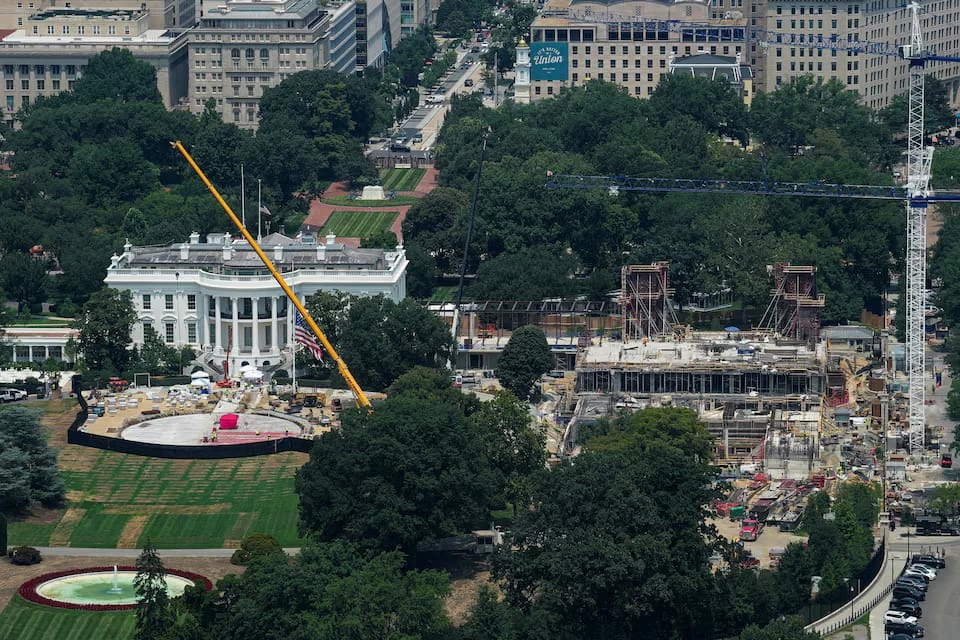
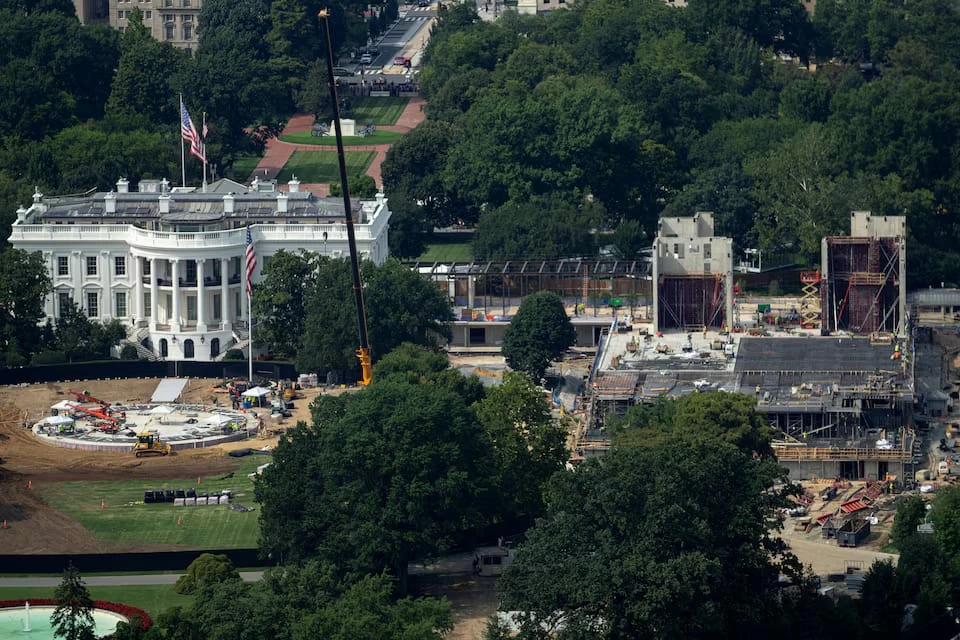
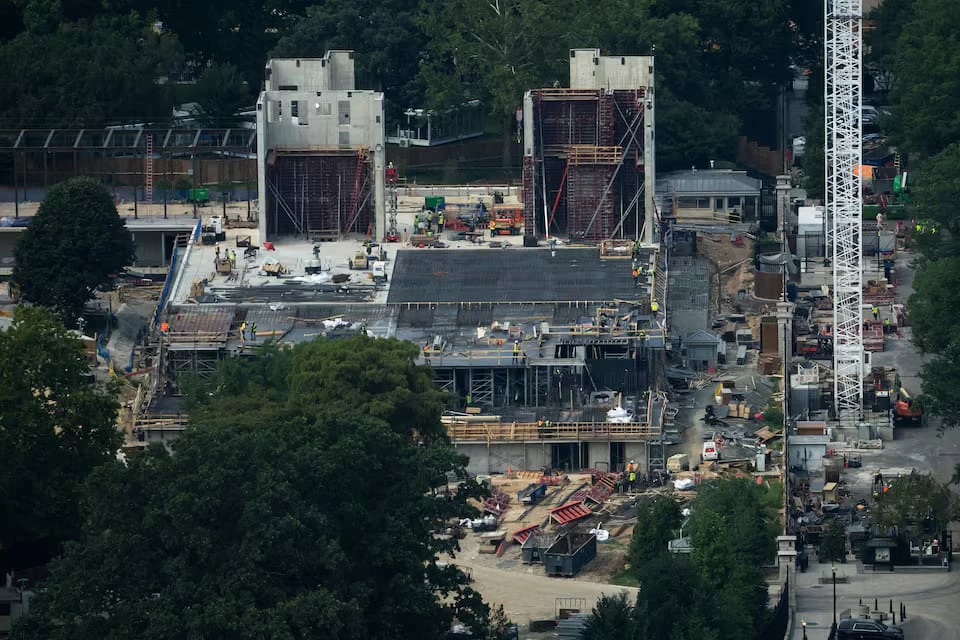
صعّد الرئيس الأمريكي دونالد ترمب معركته القضائية بشأن مشروع قاعة الاحتفالات الجديدة (الرقص) في البيت الأبيض، بعدما طلبت إدارته من المحكمة العليا الأمريكية السماح باستئناف أعمال البناء في المشروع الذي تقدر تكلفته بنحو 400 مليون دولار، رغم قرار قضائي بوقف الأعمال لعدم الحصول على موافقة الكونغرس.
وقدمت وزارة العدل الأمريكية، الجمعة، طلباً إلى المحكمة العليا لتعليق تنفيذ حكم صادر عن محكمة الاستئناف الفيدرالية في دائرة كولومبيا، إلى حين إعداد الإدارة طعناً كاملاً على القرار أمام أعلى محكمة في البلاد.
إدارة ترمب: المشروع ضرورة للأمن القومي
ودافعت وزارة العدل عن المشروع باعتباره مرتبطاً بشكل مباشر بالأمن القومي، مستندة إلى ما وصفته بمحاولات اغتيال عديدة استهدفت ترمب.
وقالت الوزارة في مذكرة قدمتها إلى المحكمة إن مشروع القاعة يمثل جزءاً من منشأة أمنية وعسكرية متكاملة داخل البيت الأبيض، وإن إنشاء مساحة آمنة للاحتفالات والاجتماعات يمثل ضرورة حيوية للأمن القومي.
وتحاول إدارة ترمب بذلك إقناع المحكمة العليا بتجميد قرار محكمة الاستئناف، بما يسمح باستمرار أعمال البناء في انتظار الفصل النهائي في القضية.
القضاء يوقف البناء فوق سطح الأرض
وكانت محكمة الاستئناف الأمريكية لدائرة كولومبيا قد أصدرت في 7 أغسطس حكماً بأغلبية قاضيين مقابل واحد، أيدت فيه قرار محكمة أدنى بإيقاف أعمال البناء فوق سطح الأرض.
ورأت المحكمة أن قرار إنشاء قاعة ضخمة بهذا الحجم لا يمكن أن تتخذه السلطة التنفيذية بمفردها، مؤكدة أن الكونغرس هو الجهة المخولة باتخاذ القرار بشأن المشروع.
وأوقفت محكمة الاستئناف تنفيذ حكمها لمدة 14 يوماً، لإتاحة الفرصة أمام إدارة ترمب للطعن أمام المحكمة العليا.
لماذا اندلعت الأزمة؟
تعود القضية إلى العام الماضي، عندما بدأت إدارة ترمب هدم الجناح الشرقي للبيت الأبيض تمهيداً لإقامة القاعة الجديدة، قبل أن تنطلق أعمال البناء دون الحصول على موافقة من الكونغرس، بحسب الدعوى القضائية.
وتبلغ مساحة القاعة المخطط لها نحو 90 ألف قدم مربعة، أي ما يعادل نحو 8360 متراً مربعاً.
وكانت المؤسسة الوطنية للحفاظ على التاريخ قد أقامت دعوى قضائية ضد المشروع، اعتراضاً على أعمال الهدم والبناء والإجراءات التي اتبعتها الإدارة.
وطالبت المؤسسة المحكمة العليا، الجمعة، برفض طلب إدارة ترمب، معتبرة أن الإدارة تحاول تجاوز الإجراءات القانونية والحد من قدرة القضاء على مراجعة المشروع.
ترمب: القاعة جزء من منشأة أمنية
من جانبه، دافع ترمب بشدة عن المشروع، وكرر أن القاعة لا تمثل مجرد مساحة لاستضافة المناسبات الرسمية، وإنما جزء من منظومة أمنية متكاملة داخل البيت الأبيض.
ووصف الرئيس الأمريكي المشروع في منشور سابق على منصة «تروث سوشيال» بأنه «مركز عسكري»، مشيراً إلى أن التصميم يتضمن ملاجئ للقنابل، ومنشآت طبية، وأنظمة حماية من الطائرات المسيّرة والصواريخ، إلى جانب تجهيزات أمنية أخرى.
كما وصف قرار محكمة الاستئناف بأنه «مروع» وذو دوافع سياسية، محذراً من أن وقف المشروع قد يعرض الرئيس ومسؤولي البيت الأبيض والزوار للخطر.
وطالب ترمب المحكمة العليا بإلغاء القرار القضائي بالكامل والسماح باستكمال المشروع.
القضاء يرفض حجة «الأمن القومي» المطلقة
لكن محكمة الاستئناف رفضت التعامل مع مبررات الأمن القومي باعتبارها مبرراً تلقائياً لتجاوز القانون، مؤكدة أن الاعتبارات الأمنية لا تمنح الإدارة حصانة من الالتزام بالإجراءات القانونية.
ولم يمنع الحكم القضائي بصورة نهائية إنشاء القاعة، وإنما أوقف أعمال البناء فوق سطح الأرض إلى حين حصول إدارة ترمب على الموافقات اللازمة من الكونغرس.
وتنتقل بذلك القضية إلى المحكمة العليا، التي ستواجه اختباراً جديداً بشأن حدود السلطة التنفيذية في تنفيذ مشروعات ضخمة داخل مقر الرئاسة، ومدى إمكانية الاستناد إلى اعتبارات الأمن القومي لتجاوز متطلبات موافقة الكونغرس.
U.S. President Donald Trump has escalated his legal battle regarding the new (dance) event hall project at the White House, after his administration requested the U.S. Supreme Court to allow the resumption of construction on the project, which is estimated to cost around $400 million, despite a court ruling halting the work due to the lack of Congressional approval.
The U.S. Department of Justice filed a request with the Supreme Court on Friday to suspend the enforcement of a ruling issued by the federal appeals court for the District of Columbia, pending the administration's preparation of a full appeal against the decision before the highest court in the country.
Trump Administration: The Project is Essential for National Security
The Department of Justice defended the project as being directly related to national security, citing what it described as numerous assassination attempts targeting Trump.
The department stated in a memorandum submitted to the court that the hall project represents part of a comprehensive security and military facility within the White House, and that creating a secure space for celebrations and meetings is a vital necessity for national security.
In this way, the Trump administration is trying to convince the Supreme Court to freeze the appeals court's decision, allowing construction to continue while awaiting a final ruling on the case.
The Judiciary Halts Above-Ground Construction
The U.S. Court of Appeals for the District of Columbia issued a ruling on August 7 by a majority of two judges to one, upholding a lower court's decision to halt above-ground construction.
The court found that the decision to create a massive hall of this size cannot be made solely by the executive branch, affirming that Congress is the body authorized to make decisions regarding the project.
The appeals court stayed the enforcement of its ruling for 14 days, allowing the Trump administration the opportunity to appeal to the Supreme Court.
Why Did the Crisis Erupt?
The issue dates back to last year when the Trump administration began demolishing the east wing of the White House in preparation for the new hall, before construction commenced without obtaining approval from Congress, according to the lawsuit.
The planned hall is approximately 90,000 square feet, equivalent to about 8,360 square meters.
The National Trust for Historic Preservation had filed a lawsuit against the project, objecting to the demolition and construction activities and the procedures followed by the administration.
The organization requested the Supreme Court on Friday to reject the Trump administration's request, arguing that the administration is attempting to bypass legal procedures and limit the judiciary's ability to review the project.
Trump: The Hall is Part of a Security Facility
For his part, Trump strongly defended the project, reiterating that the hall does not merely represent a space for hosting official events, but is part of an integrated security system within the White House.
The U.S. president described the project in a previous post on the "Truth Social" platform as a "military center," noting that the design includes bomb shelters, medical facilities, drone and missile protection systems, along with other security measures.
He also described the appeals court's decision as "horrific" and politically motivated, warning that halting the project could endanger the president, White House officials, and visitors.
Trump urged the Supreme Court to overturn the judicial decision entirely and allow the project to proceed.
The Judiciary Rejects the Absolute "National Security" Argument
However, the appeals court rejected the notion of national security justifying a blanket exemption from the law, affirming that security considerations do not grant the administration immunity from adhering to legal procedures.
The judicial ruling did not definitively prevent the hall's construction but halted above-ground work until the Trump administration obtains the necessary approvals from Congress.
The case will thus move to the Supreme Court, which will face a new test regarding the limits of executive power in executing large-scale projects within the presidential residence and the extent to which national security considerations can be invoked to bypass Congressional approval requirements.