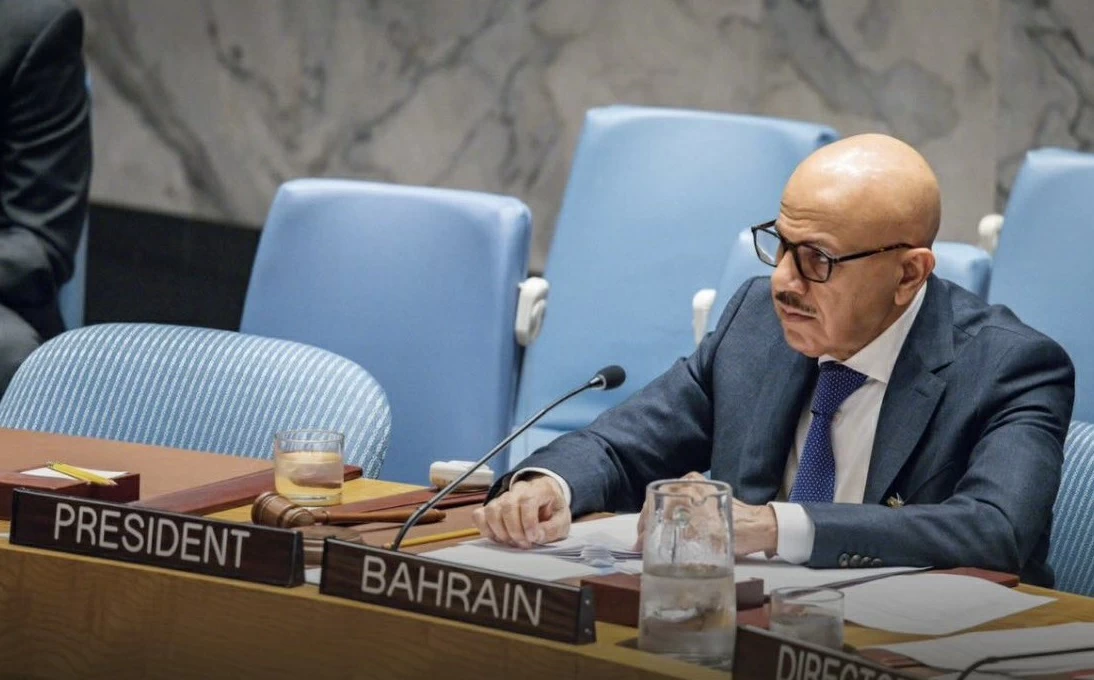
أكد وزير الخارجية البحريني الدكتور عبداللطيف الزياني، أن التهديدات الإيرانية للسفن العابرة في مضيق هرمز قد تتطور إلى تهديد يمس العالم بأسره، مشدداً على أن الوقت أصبح عاملاً حاسماً في التعامل مع هذه الأزمة المتصاعدة التي أصبحت تهديداً حقيقياً للاستقرار العالمي والأمن الغذائي ومبادئ القانون الدولي.
ونقلت وكالة الأنباء البحرينية «بنا» عن الزياني تأكيداته أنه منذ 28 فبراير الماضي، تراجعت حركة ناقلات النفط عبر مضيق هرمز بنسبة تتجاوز 90%، مبيناً أن تداعيات هذا الوضع لم تعد محصورة في أسواق الطاقة أو خطوط الملاحة، بل تمتد إلى الأمن الغذائي العالمي، مع توقع تفاقم نقص إمدادات الأسمدة وتصاعد مخاطر الجوع.
وأشار إلى تحذيرات الأمم المتحدة من احتمال تعرض 45 مليون شخص إضافي إلى الجوع الحاد، ودفع نحو 4 ملايين شخص في العالم العربي إلى دائرة الفقر إذا استمر الوضع على ما هو عليه، موضحاً أن حجم المخاطر العالمية هو ما دفع مملكة البحرين إلى طرح مشروع قرار أمام مجلس الأمن.
ولفت إلى أن ما يجري ليس نزاعاً إقليمياً، بل حالة طوارئ عالمية تتطلب استجابة دولية شاملة، وقد أثبت مجلس الأمن إدراكه لخطورة الموقف من خلال القرار رقم 2817، الذي حظي برعاية مشتركة قياسية من 136 دولة عضواً، وأرسل رسالة لا لبس فيها بأن الإجراءات الإيرانية غير قانونية ويجب أن تتوقف، غير أن إيران لم تمتثل، وهو ما يجعل تحرك المجلس الإضافي واجباً لا مناص منه.
وأكد وزير الخارجية البحريني الذي ترأس بلاده مجلس الأمن الدولي، أن كل يوم يمر دون تحرك يقرب العالم من أزمة ستُقاس نتائجها بفشل المواسم الزراعية، وارتفاع معدلات الجوع، وتجدد مظاهر عدم الاستقرار في الدول الأكثر هشاشة، موضحاً أن إغلاق المضيق لا يستهدف جهة بعينها، بل يشكل تهديداً مباشراً لدول الجنوب العالمي التي ستتحمل العبء الأكبر من تداعياته.
وشدد الزياني على ضرورة التحرك الفوري، محذراً من أن الفرصة المتاحة تضيق يوماً بعد يوم، وأن استمرار تعطّل حركة السفن يعني تأخير وصول إمدادات حيوية من الطاقة والغذاء والأدوية والأسمدة التي يعتمد عليها ملايين البشر.
وبيّن وزير الخارجية البحريني أن مشروع القرار المطروح أمام مجلس الأمن يمثل استجابة منسقة ومرتكزة إلى القانون الدولي، تهدف إلى توفير الوضوح والتنسيق اللازمين لمواجهة انتهاكات إيران للقانون الدولي وتهديداتها للملاحة البحرية في مضيق هرمز.
ولفت إلى أن المشروع لا يهدف إلى التصعيد، بل يشكل إطاراً لمنع انهيار أوسع في النظام الدولي، من خلال التأكيد على ضرورة حماية حرية الملاحة وحق المرور العابر، وردع أي اعتداءات إضافية، مع الالتزام الكامل بالقانون الدولي والقانون الدولي الإنساني.
وأشار إلى أن التقاعس عن التحرك في مواجهة هذه الأزمة يبعث برسالة خطيرة مفادها أن الممرات الحيوية في الاقتصاد العالمي يمكن تهديدها دون تبعات، لافتاً إلى أن مجلس الأمن أجرى مشاورات معمقة للتوصل إلى قرار يعكس حجم التحدي الراهن.
وقال الزياني إن تركيز رئاسة مملكة البحرين لمجلس الأمن انصبّ على تحقيق وحدة موقف المجلس، وإن تأجيل التصويت جاء لإتاحة المجال للتوصل إلى توافق دولي، مؤكداً أن البحرين ستواصل جهودها الدبلوماسية خلال الأيام القادمة لتحقيق هذا الهدف.
ودعا وزير الخارجية البحريني مجلس الأمن إلى التصويت لصالح مشروع القرار، مؤكداً أن مصداقية المجلس مرهونة باستعداده للتحرك حين يُتحدى النظام القانوني الدولي تحدياً صريحاً.
ولفت إلى أن مضيق هرمز ممر مائي دولي ملك للعالم أجمع وعلى المجلس أن يتصرف على هذا الأساس.
The Bahraini Foreign Minister Dr. Abdullatif Al-Zayani confirmed that Iranian threats to ships transiting through the Strait of Hormuz could escalate into a threat that affects the entire world, emphasizing that time has become a critical factor in dealing with this escalating crisis, which has become a real threat to global stability, food security, and the principles of international law.
The Bahraini News Agency "BNA" reported Al-Zayani's assurances that since February 28, the movement of oil tankers through the Strait of Hormuz has decreased by more than 90%, indicating that the repercussions of this situation are no longer confined to energy markets or shipping routes, but extend to global food security, with expectations of worsening fertilizer supply shortages and rising hunger risks.
He pointed to UN warnings that an additional 45 million people could face acute hunger, and that nearly 4 million people in the Arab world could be pushed into poverty if the situation continues as it is, explaining that the scale of global risks is what prompted the Kingdom of Bahrain to present a draft resolution to the Security Council.
He noted that what is happening is not a regional conflict, but a global emergency that requires a comprehensive international response, and the Security Council has demonstrated its awareness of the seriousness of the situation through Resolution No. 2817, which received standard joint sponsorship from 136 member states, sending a clear message that Iranian actions are illegal and must cease; however, Iran has not complied, making further action by the Council an unavoidable necessity.
The Bahraini Foreign Minister, who chaired his country’s presidency of the UN Security Council, affirmed that every day that passes without action brings the world closer to a crisis whose outcomes will be measured by failed agricultural seasons, rising hunger rates, and renewed instability in the most fragile states, explaining that closing the strait does not target any specific entity, but poses a direct threat to the Global South, which will bear the brunt of its repercussions.
Al-Zayani stressed the need for immediate action, warning that the available opportunity is narrowing day by day, and that the continued disruption of shipping means delaying the arrival of vital supplies of energy, food, medicine, and fertilizers that millions of people depend on.
The Bahraini Foreign Minister indicated that the draft resolution presented to the Security Council represents a coordinated response grounded in international law, aimed at providing the necessary clarity and coordination to address Iran's violations of international law and its threats to maritime navigation in the Strait of Hormuz.
He pointed out that the project does not aim to escalate tensions, but rather serves as a framework to prevent a broader collapse of the international system, by emphasizing the necessity of protecting freedom of navigation and the right of innocent passage, and deterring any further aggressions, with full commitment to international law and international humanitarian law.
He noted that inaction in the face of this crisis sends a dangerous message that vital corridors in the global economy can be threatened without consequences, pointing out that the Security Council has conducted in-depth consultations to reach a decision that reflects the magnitude of the current challenge.
Al-Zayani stated that the focus of the Kingdom of Bahrain's presidency of the Security Council has been on achieving unity in the Council's position, and that the postponement of the vote was to allow for the possibility of reaching an international consensus, affirming that Bahrain will continue its diplomatic efforts in the coming days to achieve this goal.
The Bahraini Foreign Minister called on the Security Council to vote in favor of the draft resolution, emphasizing that the Council's credibility is contingent upon its readiness to act when the international legal system is explicitly challenged.
He pointed out that the Strait of Hormuz is an international waterway belonging to the entire world, and the Council must act on this basis.