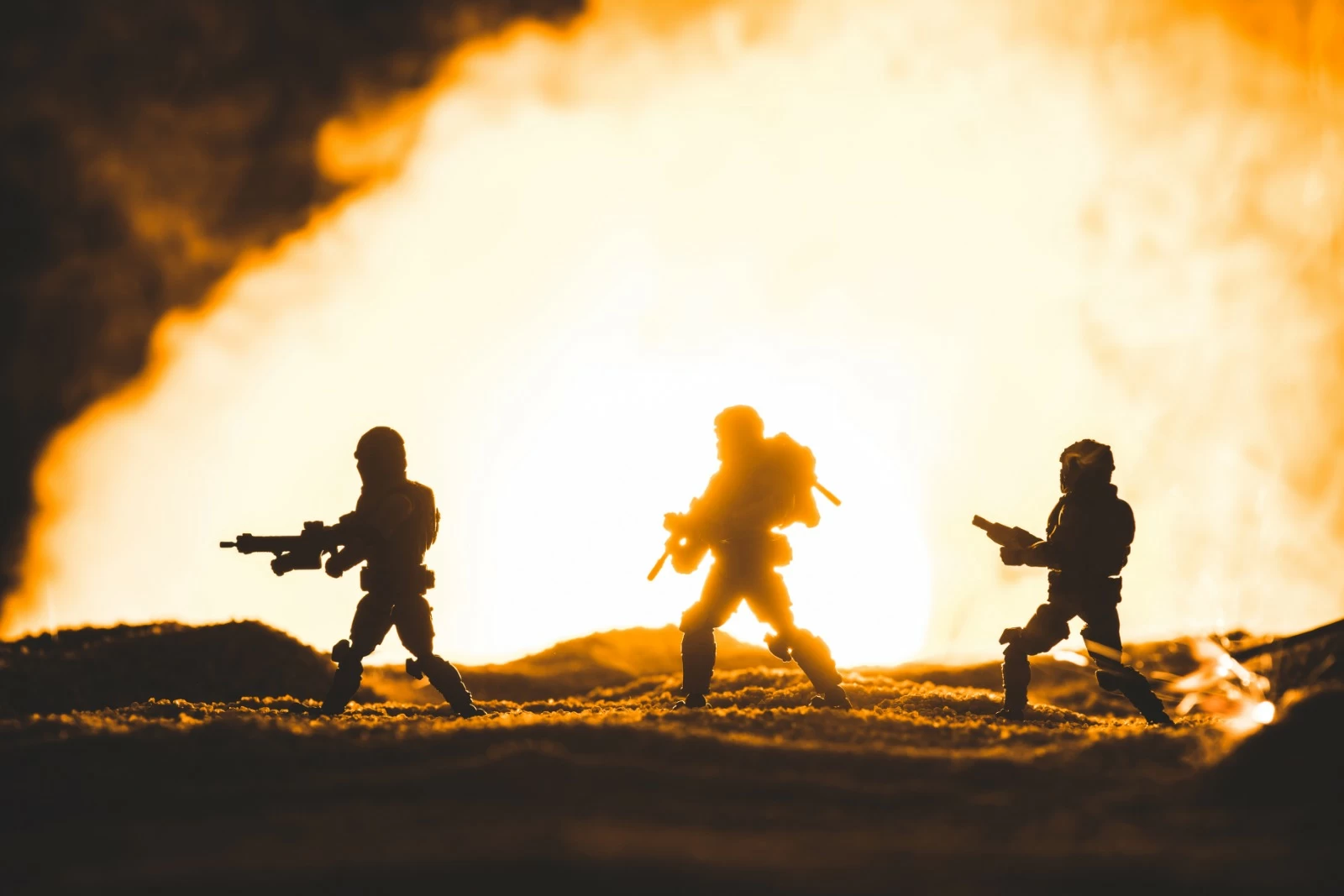
لم تعد الحروب تُقاس فقط بدويّ الانفجارات أو بحجم الدمار على الأرض، بل باتت تُدار أيضاً عبر الشاشات، إذ ظهر نوع جديد من الأسلحة؛ لا يُرى ولا يُسمع، لكنه قادر على التأثير العميق في الإدراك. في هذا السياق، يبرز الذكاء الاصطناعي كأداة مزدوجة الاستخدام، تُسهم في إنتاج مشاهد تبدو واقعية إلى حد يصعب معه التمييز بين الحقيقة والزيف.
فبركة مُتقنة
ومع تطور تقنيات توليد الصور والفيديو، لم يعد التزييف مجرد محاولات بدائية، بل تحوّل إلى صناعة متقنة، تُبنى فيها مشاهد كاملة بتفاصيل دقيقة من الضوء والظل والحركة. مدن تحترق دون أن تُمس، ووجوه تصرخ بلا وجود حقيقي، ومقاطع مصوّرة لم تقع أصلاً، لكنها تُعرض وكأنها جزء من واقع حيّ. هذا المستوى من «الفبركة» يجعل المتلقي في حالة ارتباك دائم، بين ما يراه وما ينبغي أن يصدقه.
زيف أسرع انتشاراً
التحدي الأكبر لا يكمن في وجود المحتوى المضلل، بل في سرعته الهائلة في الانتشار. فبضغطة زر واحدة، يمكن لمشهد مفبرك أن يتحول إلى «رواية» يتداولها الملايين، قبل أن تجد الحقيقة طريقها للظهور. ومع تراكم هذه المقاطع، تتشوه الصورة العامة للأحداث، ويتداخل الخوف مع الوهم، ما يعمّق حالة الالتباس لدى الجمهور.
معركة الإدراك
هذا التحول يعيد تعريف مفهوم الصراع، إذ لم تعد المواجهات محصورة في الميدان، بل امتدت إلى عقول المتابعين. مشهد واحد كفيل بإرباك الرأي العام، وتوجيه الانطباعات، وربما تغيير المواقف. وفي ظل هذا الواقع، تصبح الحقيقة أبطأ من الكذب، وأكثر عرضة للتآكل وسط سيل من المحتوى المُضلل.
تحديات المرحلة
أمام هذا المشهد، تبرز الحاجة إلى وعي رقمي أعلى، وقدرات أكبر على التحقق، إلى جانب مسؤولية المنصات في الحد من انتشار المحتوى المفبرك. فالمعركة لم تعد فقط على الأرض، بل على الوعي ذاته، حيث تُصاغ الروايات، وتُعاد كتابة الواقع.. أحياناً بلا حقيقة.
Wars are no longer measured solely by the sound of explosions or the extent of destruction on the ground; they are also conducted through screens, as a new type of weapon has emerged; one that cannot be seen or heard, yet is capable of profoundly influencing perception. In this context, artificial intelligence stands out as a dual-use tool, contributing to the production of scenes that appear so realistic that it becomes difficult to distinguish between truth and falsehood.
Masterful Fabrication
With the advancement of image and video generation technologies, forgery is no longer just primitive attempts; it has transformed into a sophisticated industry, where complete scenes are built with precise details of light, shadow, and movement. Cities burn without being touched, faces scream without a real existence, and video clips that never actually occurred are presented as if they are part of a living reality. This level of "fabrication" keeps the audience in a constant state of confusion, between what they see and what they should believe.
Faster-spreading Falsehoods
The greatest challenge lies not in the existence of misleading content, but in its astonishing speed of dissemination. With the click of a button, a fabricated scene can turn into a "narrative" circulated by millions before the truth finds its way to emerge. As these clips accumulate, the general image of events becomes distorted, and fear intertwines with illusion, deepening the state of confusion among the public.
The Battle for Perception
This transformation redefines the concept of conflict, as confrontations are no longer confined to the battlefield but have extended into the minds of followers. A single scene can confuse public opinion, shape impressions, and perhaps change positions. In this reality, the truth becomes slower than lies and more susceptible to erosion amidst a flood of misleading content.
Challenges of the Era
In light of this scene, the need for higher digital awareness and greater verification capabilities emerges, alongside the responsibility of platforms to limit the spread of fabricated content. The battle is no longer just on the ground, but for awareness itself, where narratives are crafted and reality is rewritten... sometimes without truth.