


كشفت مصادر أمريكية أن الولايات المتحدة تدرس تزويد أوكرانيا بصواريخ «باتريوت»، في خطوة يرى مراقبون أنها تعكس تغيرا تدريجيا في موقف واشنطن تجاه الحرب بين كييف وموسكو.
وكان الرئيس الأمريكي دونالد ترمب وصف نظيره الروسي فلاديمير بوتين بـ«الشريك الأصعب» في مساعي إنهاء الحرب، مؤكدا أن التوصل إلى اتفاق سلام ليس سهلاً كما يعتقد البعض، وكشف عن عزمه التحدث مع بوتين لإنهاء الحرب.
وفي تحول لافت، وصف ترمب نظيره الأوكراني فولوديمير زيلينسكي بأنه «يقاتل بشجاعة في معركة صعبة»، بعد أن كان سابقاً قد اتهم كييف باستغلال المساعدات الغربية.
وبالتزامن مع التصريحات الأمريكية، انطلقت أعمال قمة الاتحاد الأوروبي في بروكسل لمناقشة الحرب الروسية على أوكرانيا، والوضع الأمني والاقتصادي في القارة.
وناقش القادة الأوروبيون تمديد العقوبات المفروضة على روسيا، وإمكانية توسيعها لتشمل مسؤولين متورطين فيما وُصف بجرائم الحرب، تعزيز قدرات الدفاع الأوروبية، وزيادة الإنفاق العسكري لدول الاتحاد إلى ما نسبته 5% من الناتج المحلي، وفق ما أعلنه مسؤولون أوروبيون.
رغم غياب أي جدول زمني واضح لمحادثات السلام، يرى مراقبون أن التطورات الأخيرة تمهد لجولة تفاوضية جديدة، ستكون مشروطة بتغيرات ميدانية وسياسية، أبرزها تثبيت توازن الردع، وإظهار قدرة كييف على الصمود بدعم غربي شامل.
وفي حين تواصل روسيا استهداف مدن أوكرانية، تعزز الدول الغربية رهاناتها على الدعم العسكري، في محاولة لقلب المعادلة وتثبيت معادلة أنه لاغالب ولا مغلوب، ما قد يفتح الباب أمام حلول دبلوماسية خلال المرحلة القادمة.
هل تزوّد واشنطن كييف بصواريخ «باتريوت» ؟
27 يونيو 2025 - 16:07
|
آخر تحديث 27 يونيو 2025 - 16:07
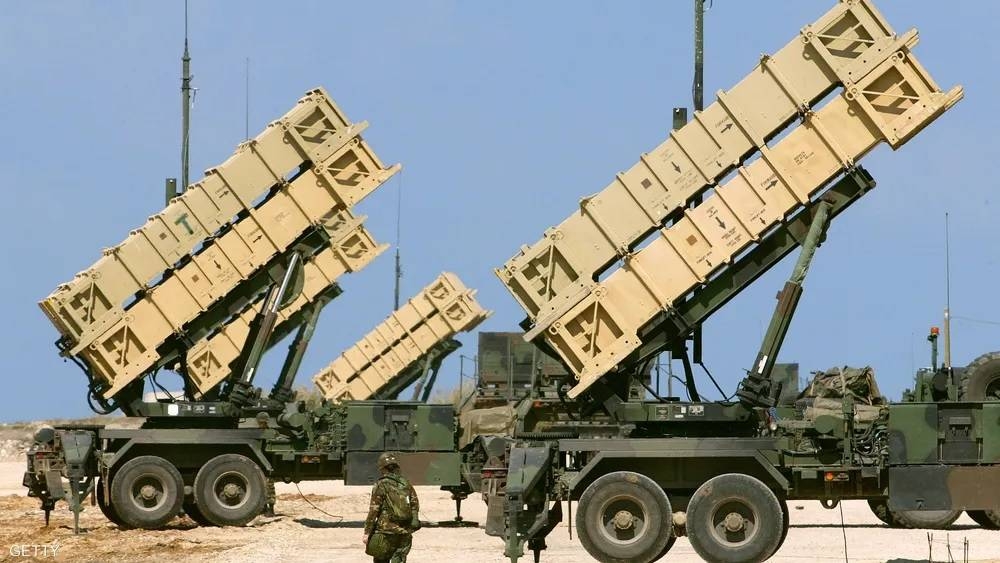
صواريخ باتريوت


تابع قناة عكاظ على الواتساب
«عكاظ» (واشنطن) okaz_online@
American sources have revealed that the United States is considering supplying Ukraine with "Patriot" missiles, a move that observers see as reflecting a gradual shift in Washington's stance regarding the war between Kyiv and Moscow.
U.S. President Donald Trump described his Russian counterpart Vladimir Putin as the "toughest partner" in efforts to end the war, emphasizing that reaching a peace agreement is not as easy as some might think, and he revealed his intention to speak with Putin to end the war.
In a notable shift, Trump described his Ukrainian counterpart Volodymyr Zelensky as "fighting bravely in a tough battle," after previously accusing Kyiv of exploiting Western aid.
Simultaneously with the American statements, the EU summit in Brussels commenced to discuss the Russian war on Ukraine, as well as the security and economic situation on the continent.
European leaders discussed extending the sanctions imposed on Russia and the possibility of expanding them to include officials involved in what has been described as war crimes, enhancing European defense capabilities, and increasing military spending by EU countries to 5% of their GDP, according to European officials.
Despite the absence of any clear timeline for peace talks, observers believe that recent developments pave the way for a new round of negotiations, which will be conditional on battlefield and political changes, most notably establishing a balance of deterrence and demonstrating Kyiv's ability to withstand with comprehensive Western support.
While Russia continues to target Ukrainian cities, Western countries are increasing their bets on military support, in an attempt to shift the equation and establish that there is no winner or loser, which may open the door to diplomatic solutions in the upcoming phase.
U.S. President Donald Trump described his Russian counterpart Vladimir Putin as the "toughest partner" in efforts to end the war, emphasizing that reaching a peace agreement is not as easy as some might think, and he revealed his intention to speak with Putin to end the war.
In a notable shift, Trump described his Ukrainian counterpart Volodymyr Zelensky as "fighting bravely in a tough battle," after previously accusing Kyiv of exploiting Western aid.
Simultaneously with the American statements, the EU summit in Brussels commenced to discuss the Russian war on Ukraine, as well as the security and economic situation on the continent.
European leaders discussed extending the sanctions imposed on Russia and the possibility of expanding them to include officials involved in what has been described as war crimes, enhancing European defense capabilities, and increasing military spending by EU countries to 5% of their GDP, according to European officials.
Despite the absence of any clear timeline for peace talks, observers believe that recent developments pave the way for a new round of negotiations, which will be conditional on battlefield and political changes, most notably establishing a balance of deterrence and demonstrating Kyiv's ability to withstand with comprehensive Western support.
While Russia continues to target Ukrainian cities, Western countries are increasing their bets on military support, in an attempt to shift the equation and establish that there is no winner or loser, which may open the door to diplomatic solutions in the upcoming phase.


