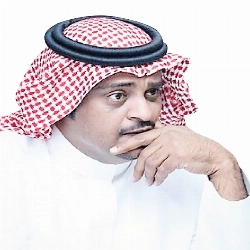
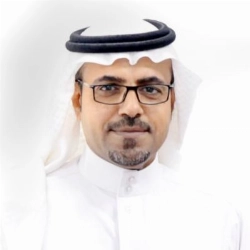
حين زرت اليمن مشاركاً في كأس الخليج يوماً ما كنت على متن رحلة جمعتني بالفنان القدير عبدالرب إدريس، وقتها قالت لي المضيفة «نفسي أسمع أغنية ليلة لو باقي ليلة»، كنا على ارتفاع خمسة وثلاثين ألف قدم في الطريق إلى عدن قادمين من جدة.
ثلاثون ألف قدم في أي رحلة أظن أنها منطقة تستدعي مشاعر الإنسان وأحاسيسه غير تلك التي يعرفها على الأرض.. فيها تستقر الطائرة وتكون الأجواء والأذهان أكثر صفاء ونقاء، فقلت لها أي للمضيفة «هو الملحن لكن أنا الذي يغني».
فقالت: غن
قلت:
«يا كادي يا للي تحل أم شوك
لا هب ريح أم شمال دن
بابور من قبل أم شروق مشوك
صوخ ورسى بنا لندن»
وقد قلت قبلها موالاً تهامياً حزيناً «أدلي بحجة ومتداني من يوم حليت في لندن».
كان هذا الحوار في تلك المنطقة الآمنة وهي الثلاثون ألف قدم.
وقتها لم أكن أعبر إلى بطولة كروية فحسب بل إلى بلد كان يفتح نوافذه للفرح ويستقبل أشقاءه بقلب يعرف كيف يحتفي بالحياة حتى حين تثقل الحياة خطاه.
التقيت يومها بالرئيس اليمني الراحل علي عبدالله صالح وكان الحديث عن أكبر احتفال رياضي خليجي تستضيفه اليمن ضمن مشروع كبير أراد للرياضة أن تكون أكثر من مباراة، وللبطولة أن تصبح جسراً يعبر عليه اليمن نحو محيطه الخليجي وتطل منه جماهيره على أيام أكثر بهجة.
لكن ما بقي في ذاكرتي لم يكن حديث السياسة ولا ضجيج الملاعب وحده. بقي الإنسان اليمني الذي وجدته شغوفاً بالفن والرياضة، وشغوفاً قبل ذلك بالحياة والجمال. رأيت جمهوراً لم يكن يبحث عن نتيجة مباراة بقدر ما كان يبحث عن مساحة يفرح فيها ويقول للعالم إن في هذا البلد قلباً لا يزال قادراً على النبض.
ومنذ تلك الزيارة أدركت أن اليمن لا تنقصه الموهبة ولا الشغف ولا الحكايات التي تستحق أن تروى. ما يحتاج إليه هو أن يجد هذا الشغف مؤسسات تحتضنه وكفاءات تقوده ومساحات آمنة تمنحه فرصة أن يتحول من طاقة كامنة إلى أثر في المجتمع.
فالرياضة لا تبدأ من المدرجات ولا من المستطيل الأخضر ولا من أضواء الملاعب. إنها تبدأ من الإنسان الذي يخطط ويدير ويدرب ويصنع المبادرة ويحفظ للمؤسسة ذاكرتها وللشباب حقهم في الحلم.
من هنا تتجاوز أهمية برنامج بناء القدرات المؤسسية لمنسوبي وزارة الشباب والرياضة اليمنية الذي أطلقه البرنامج السعودي لتنمية وإعمار اليمن حدود الدورات التدريبية وأعداد المستفيدين فهو مشروع تعاون بين وزارة الرياضة السعودية ووزارة الشباب والرياضة اليمنية، ويقوم على فكرة جوهرية تقول إن أفضل ما يمكن أن يقدم لليمن هو أن يمتلك أبناؤه الأدوات التي تمكنهم من صناعة مستقبلهم بأيديهم.
وليس الدور الذي تقوم به السعودية في اليمن موقفاً تحكمه الجغرافيا وحدها ولا التزاماً تمليه علاقات السياسة والمصالح. إنه دور إنساني نابع من إدراك عميق بأن اليمن ليس بلداً بعيداً عن الوجدان السعودي وأن آلام أبنائه لا يمكن أن تبقى خلف الحدود.
لقد حضرت السعودية حيث يكون الإنسان في حاجة إلى الحياة. حضرت في الغذاء والدواء والتعليم والصحة والمياه والطرق، ثم امتد حضورها إلى بناء المؤسسات وتأهيل الكفاءات. وهي بذلك لا تكتفي بمداواة آثار الأزمة بل تعمل على إعادة الإنسان اليمني إلى موقعه الطبيعي شريكاً في البناء وقادراً على إدارة واقعه وصناعة مستقبله.
وتكمن قيمة هذا الدور في أنه لا ينظر إلى اليمني بوصفه متلقياً للمساعدة بل إنساناً يمتلك القدرة والكرامة والطموح ويحتاج إلى الفرصة التي تطلق إمكاناته. السعودية تصنع مستقبلاً يمنياً، وبناء الإنسان هو أرفع مراتب العمل الإنساني؛ لأنه يصون كرامته ويمنحه القدرة على مواصلة الطريق دون أن يبقى أسيراً للحاجة.
ولهذا يأتي برنامج بناء القدرات في قطاع الشباب والرياضة امتداداً طبيعياً لتلك الرسالة السعودية. رسالة لا تكتفي بإعمار ما هدمته الأزمات بل تعيد ترميم الأمل في النفوس وتفتح أمام الشباب أبوابا للحياة وتؤمن بأن أعظم ما يمكن بناؤه في اليمن ليس جداراً ولا منشأة بل إنساناً يعرف كيف يبني ويحمي ما بناه.
هكذا هو البرنامج السعودي لتنمية وإعمار اليمن. لا يعيد بناء ما هدمته الأزمات فحسب بل يعيد للإنسان قدرته على البناء، ولا يقيس أثره بعدد المنشآت التي أنجزها وحدها بل بما يزرعه من معرفة وما يصنعه من فرص وما يعيده إلى النفوس من ثقة وأمل.
فإعمار اليمن لا يبدأ من الحجر وحده بل من الإنسان الذي سيحمي هذا الحجر ويمنحه المعنى ويبني من حوله وطناً قادراً على الحياة. وحين تستثمر السعودية في الإنسان اليمني فإنها لا تقدم مساعدة عابرة بل تمد يدها إلى المستقبل ليقف اليمن بأبنائه ويواصل الطريق بقدراتهم.
هكذا يكون الإعمار في معناه الأعمق أن تبني الإنسان ثم تمنحه القدرة على أن يبني كل شيء، وهذا ما تقوم به السعودية بالمختصر.
When I visited Yemen participating in the Gulf Cup, I was once on a flight that brought me together with the esteemed artist Abdulrab Idris. At that time, the flight attendant said to me, "I wish to hear the song 'Layla Law Baqi Layla'." We were at an altitude of thirty-five thousand feet on our way to Aden coming from Jeddah.
Thirty thousand feet on any flight, I think, is a zone that evokes human emotions and feelings different from those experienced on the ground. Here, the plane stabilizes, and the atmosphere and minds are clearer and purer, so I told her, referring to the flight attendant, "He is the composer, but I am the one who sings."
She said: Sing
I said:
“O Kadi, O you who untangle the thorns
Neither a northern wind blows
A boat before the dawn is tangled
And we docked in London”
And before that, I had sung a sad Tihami prelude: “I have a reason and I have been close since the day I arrived in London.”
This dialogue took place in that safe zone, which is thirty thousand feet.
At that time, I was not just crossing into a football championship but entering a country that was opening its windows to joy and welcoming its brothers with a heart that knows how to celebrate life even when life weighs down its steps.
That day, I met the late Yemeni President Ali Abdullah Saleh, and the conversation was about the largest Gulf sports celebration hosted by Yemen as part of a grand project aimed at making sports more than just a match, and for the championship to become a bridge for Yemen to connect with its Gulf surroundings, allowing its fans to look forward to brighter days.
But what remained in my memory was not just political talk or the noise of stadiums. It was the Yemeni people I found passionate about art and sports, and even more so about life and beauty. I saw an audience that was not just looking for the result of a match but was seeking a space to rejoice and tell the world that in this country, there is a heart that still beats.
Since that visit, I realized that Yemen lacks neither talent nor passion nor stories worth telling. What it needs is for this passion to find institutions that embrace it, competencies that lead it, and safe spaces that give it the opportunity to transform from latent energy into an impact in society.
Sports do not begin from the stands or the green rectangle or the stadium lights. It begins with the person who plans, manages, trains, initiates, preserves the institution's memory, and grants the youth their right to dream.
From here, the importance of the capacity-building program for the staff of the Yemeni Ministry of Youth and Sports, launched by the Saudi program for the development and reconstruction of Yemen, transcends the boundaries of training courses and the number of beneficiaries. It is a collaborative project between the Saudi Ministry of Sports and the Yemeni Ministry of Youth and Sports, based on a fundamental idea that the best thing that can be offered to Yemen is for its children to possess the tools that enable them to shape their future with their own hands.
And the role that Saudi Arabia plays in Yemen is not merely a position dictated by geography alone nor a commitment imposed by political relations and interests. It is a humanitarian role stemming from a deep understanding that Yemen is not a country distant from the Saudi sentiment and that the pains of its people cannot remain behind borders.
Saudi Arabia has been present where people need life. It has been present in food, medicine, education, health, water, and roads, and then its presence extended to building institutions and qualifying competencies. In doing so, it does not merely treat the effects of the crisis but works to restore the Yemeni person to their natural position as a partner in building and capable of managing their reality and shaping their future.
The value of this role lies in that it does not view the Yemeni as a mere recipient of aid but as a person who possesses ability, dignity, and ambition and needs the opportunity to unleash their potential. Saudi Arabia is creating a Yemeni future, and building the human being is the highest rank of humanitarian work; it preserves their dignity and grants them the ability to continue the path without remaining a prisoner of need.
Thus, the capacity-building program in the youth and sports sector comes as a natural extension of that Saudi message. A message that does not merely aim to rebuild what crises have destroyed but also to restore hope in souls, open doors to life for the youth, and affirm that the greatest thing that can be built in Yemen is not a wall or a facility but a person who knows how to build and protect what they have built.
This is how the Saudi program for the development and reconstruction of Yemen is. It does not only rebuild what crises have destroyed but also restores to the human being their ability to build, and it does not measure its impact by the number of facilities it has completed alone but by what it plants in knowledge, what it creates in opportunities, and what it restores to souls in terms of confidence and hope.
For the reconstruction of Yemen does not start from stone alone but from the human being who will protect this stone, give it meaning, and build around it a homeland capable of life. And when Saudi Arabia invests in the Yemeni human being, it does not offer a fleeting aid but extends its hand to the future so that Yemen stands with its children and continues the path with their capabilities.
Thus, reconstruction in its deepest meaning is to build the human being and then grant them the ability to build everything, and this is what Saudi Arabia is doing in summary.