


استعرضت المملكة ممثلةً في الهيئة السعودية للبيانات والذكاء الاصطناعي «سدايا»، تجربتها في بناء منظومة شاملة للذكاء الاصطناعي، وجهودها في إقامة شراكات وطنية ودولية فعّالة لتسخير إمكانات الذكاء الاصطناعي وتوظيفها لخدمة التنمية المستدامة، وتحقيق الأثر المجتمعي والاقتصادي، وذلك ضمن أعمال المنتدى العالمي الثالث لأخلاقيات الذكاء الاصطناعي، الذي تنظمه منظمة اليونسكو في العاصمة التايلندية بانكوك.
وأبرز الرئيس التنفيذي لمكتب إدارة الإستراتيجية في «سدايا» عبدالله سليمان الخضيري، خلال مشاركته في جلسة رفيعة المستوى ضمن أعمال المنتدى، تجربة المملكة الرائدة في بناء منظومة شاملة للذكاء الاصطناعي ترتكز على المواءمة بين الاستثمارات التقنية وأولويات التنمية الوطنية المستمدّة من أهداف رؤية المملكة 2030، والاحتياجات التنموية للمجتمع، مؤكدًا أن المملكة كرّست جهودها من خلال «سدايا» لتوسيع شراكتها المحلية والدولية الداعمة لتسريع تبنّي تقنيات الذكاء الاصطناعي بطريقة مسؤولة وفعّالة.
وأوضح الخضيري أن تجربة المملكة ترتكز على تكامل الجهود بين الجهات الحكومية والقطاع الخاص والمؤسسات الأكاديمية، وتنطلق من اعتماد إطار وطني لأخلاقيات الذكاء الاصطناعي يعزز الشفافية ويضمن الاستخدام الآمن والعادل للتقنيات الناشئة، مؤكدًا أن البُنية التحتية الرقمية المتقدمة في المملكة أسهمت في تحقيق جملة من أهداف التنمية المستدامة عبر توظيف تقنيات الذكاء الاصطناعي وتسخير كل إمكاناتها، وأن تطوير القُدرات المؤسسية والفنية والبشرية يدعم انتقال المبادرات من مرحلة التجربة إلى مرحلة التأثير الواسع على مستوى السياسات العامة والخدمات.
«سدايا» تستعرض تجربتها في الذكاء الاصطناعي بمنتدى تايلند
29 يونيو 2025 - 16:28
|
آخر تحديث 29 يونيو 2025 - 16:28
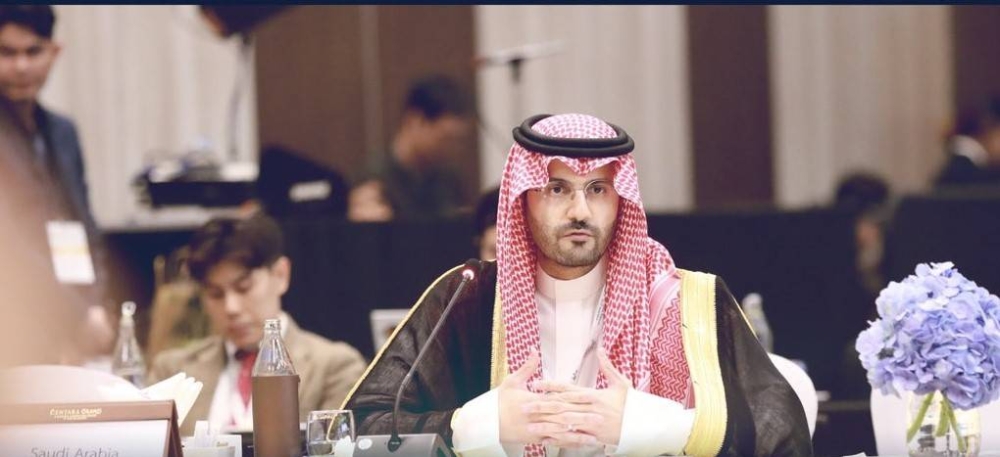
المملكة تستعرض تجربتها في بناء منظومة الذكاء الاصطناعي في جلسة بمنتدى عالمي في تايلند.


تابع قناة عكاظ على الواتساب
«عكاظ» (بانكوك)
The Kingdom, represented by the Saudi Data and Artificial Intelligence Authority (SDAIA), showcased its experience in building a comprehensive artificial intelligence ecosystem and its efforts in establishing effective national and international partnerships to harness the potential of artificial intelligence for sustainable development and achieve social and economic impact. This was part of the activities of the Third Global Forum on Artificial Intelligence Ethics, organized by UNESCO in the Thai capital, Bangkok.
The CEO of the Strategy Management Office at SDAIA, Abdullah Suleiman Al-Khudairy, highlighted during his participation in a high-level session at the forum the Kingdom's pioneering experience in building a comprehensive artificial intelligence ecosystem that focuses on aligning technological investments with national development priorities derived from the goals of Vision 2030 and the developmental needs of society. He emphasized that the Kingdom has dedicated its efforts through SDAIA to expand its local and international partnerships that support the responsible and effective adoption of artificial intelligence technologies.
Al-Khudairy explained that the Kingdom's experience is based on the integration of efforts between government entities, the private sector, and academic institutions, starting from the adoption of a national framework for artificial intelligence ethics that enhances transparency and ensures the safe and fair use of emerging technologies. He affirmed that the advanced digital infrastructure in the Kingdom has contributed to achieving a number of sustainable development goals by employing artificial intelligence technologies and harnessing all their potentials. He also noted that developing institutional, technical, and human capabilities supports the transition of initiatives from the experimental phase to a phase of wide impact on public policies and services.
The CEO of the Strategy Management Office at SDAIA, Abdullah Suleiman Al-Khudairy, highlighted during his participation in a high-level session at the forum the Kingdom's pioneering experience in building a comprehensive artificial intelligence ecosystem that focuses on aligning technological investments with national development priorities derived from the goals of Vision 2030 and the developmental needs of society. He emphasized that the Kingdom has dedicated its efforts through SDAIA to expand its local and international partnerships that support the responsible and effective adoption of artificial intelligence technologies.
Al-Khudairy explained that the Kingdom's experience is based on the integration of efforts between government entities, the private sector, and academic institutions, starting from the adoption of a national framework for artificial intelligence ethics that enhances transparency and ensures the safe and fair use of emerging technologies. He affirmed that the advanced digital infrastructure in the Kingdom has contributed to achieving a number of sustainable development goals by employing artificial intelligence technologies and harnessing all their potentials. He also noted that developing institutional, technical, and human capabilities supports the transition of initiatives from the experimental phase to a phase of wide impact on public policies and services.


