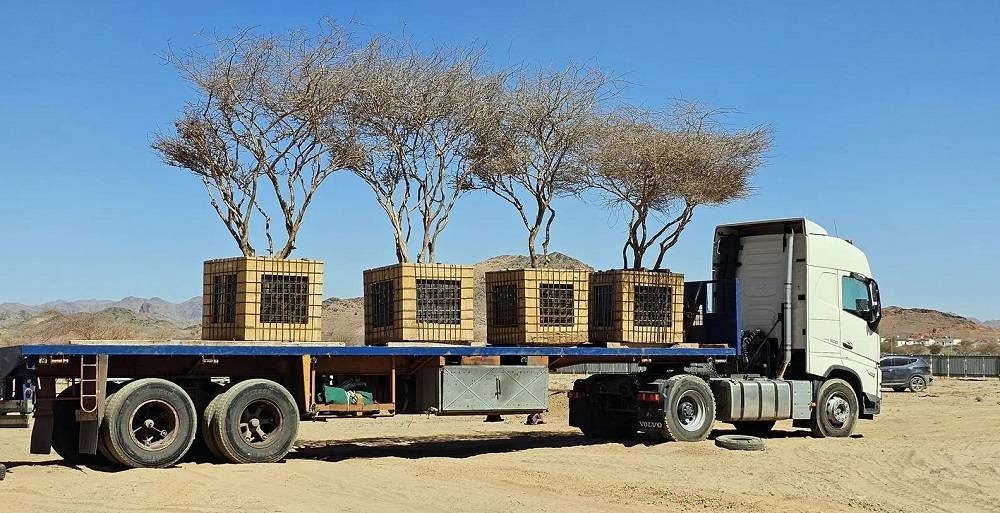
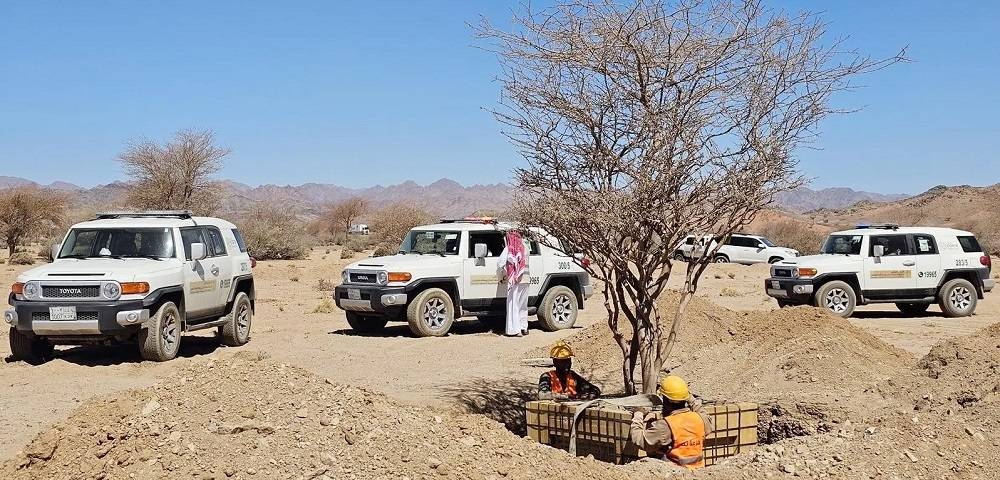
نقل فريقٌ مُختصّ من المركز الوطني لتنمية الغطاء النباتي ومكافحة التصحّر بمنطقة المدينة المنورة، 5 أشجار مُعمّرة في قرية الفريش (60 كلم غرب المدينة المنورة)، إلى أراضي الغطاء النباتي بالمنطقة، توفّر لها بيئة ملائمة للنموّ.
وأوضح المركز أن المبادرة التي نُفذت بالتعاون مع جمعية فزعة نحا التعاونية الزراعية، تم اتخاذها بسبب وقوع 5 أشجار من نوع السمر، والسيّال ضمن النطاق الجغرافي لمشروع تجاري في مجال الطاقة وخدمات المحروقات، مبينًا أن المبادرة تهدف إلى حماية الأشجار المُعمّرة من الإزالة، ومتابعة توفير الرعاية اللازمة للأشجار في مواطنها الجديدة، ضمن جهود حماية أشكال الحياة البيئية في المدينة المنورة.
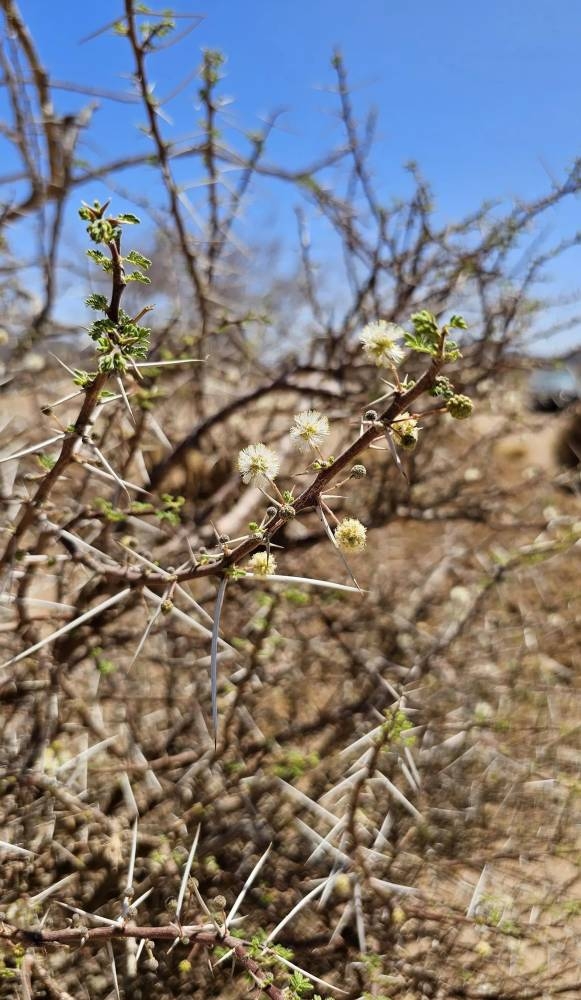
وخضعت عملية نقل الأشجار المُعمّرة التي تُصنّف ضمن مجموعة أشجار «الأكاسيا» التي يصل عمر بعضها إلى 100 عام، لإجراءات دقيقة للمحافظة على سلامتها، وتقليل الضرر على الأشجار خلال مراحل النقل التي جرت بشكل دقيق، بدءًا بتقييم صحة كل شجرة، وإمكانية تحمّلها لعملية النقل، وتوفير المعدات الخاصة لتنفيذ أعمال الحفر والنقل، وتهيئة الموقع الجديد ليكون مناسبًا لنوعية الأشجار، ويشمل ملاءمة نوع التربة، ومستوى التعرّض للشمس، وتهيئة النواحي المتعلقة بمصادر الريّ وتصريف المياه.
وتشمل أعمال نقل الأشجار المُعمّرة، تجهيز الأشجار المراد نقلها وتقليم بعض أجزائها عند الحاجة مثل الأغصان الزائدة، إضافة إلى حفر خندق دائري حول الشجرة على بُعد مناسب من الجذع من كل جهة، لتحفيز نموّ الجذور الجديدة، وإضافة الأسمدة المناسبة، إلى جانب ريّ الشجرة بشكل جيّد قبل مباشرة عملية النقل بساعات، ولفّ الجذور بمواد لحماية تماسكها مع التربة، فيما استُخدمت مُعدّات ميكانيكية لرفع ونقل الأشجار لتجنّب تلف الجذور، وربطها بشكل مُحكم، لمنع سقوطها بفعل الحركة أو تعرّضها للهواء أثناء عملية النقل.
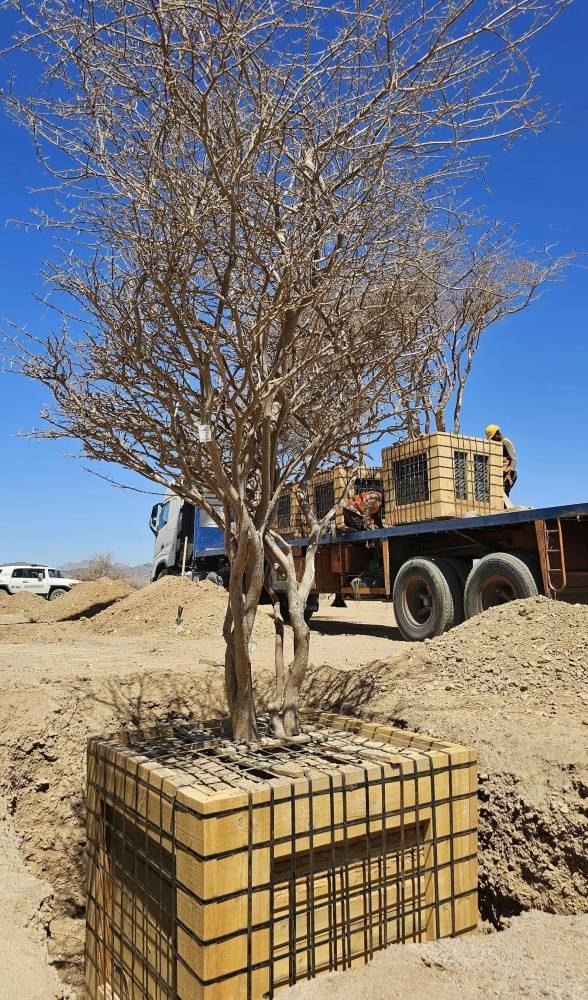
وشملت خطة النقل، تهيئة الموقع الجديد في بيئة وتربة ملائمة، من خلال إضافة الأسمدة العضوية، وردم الحفرة بشكل تدريجي لتخفيف الضغط على جذع الشجرة، ومباشرة عملية الريّ بشكل منتظم، فيما يتولى المركز متابعة حالة الأشجار المنقولة، والتحقّق من عدم ظهور علامات الاصفرار أو الإجهاد على الأوراق والجذوع حتى تستعيد قدرتها على النموّ بشكل طبيعي.
A specialized team from the National Center for Vegetation Cover Development and Combating Desertification in the Medina region has transferred 5 ancient trees in the village of Al-Fresh (60 km west of Medina) to the vegetation cover lands in the area, providing them with a suitable environment for growth.
The center explained that the initiative, which was carried out in collaboration with the Faza'a Agricultural Cooperative Society, was taken due to the presence of 5 trees of the acacia and seyal types within the geographical scope of a commercial project in the field of energy and fuel services. It indicated that the initiative aims to protect the ancient trees from removal and to continue providing the necessary care for the trees in their new habitats, as part of efforts to protect the forms of environmental life in Medina.
The process of transferring the ancient trees, which are classified within the "acacia" tree group with some being up to 100 years old, underwent precise procedures to maintain their safety and minimize damage during the transportation stages, which were carried out meticulously. This began with assessing the health of each tree and its ability to withstand the transportation process, providing the necessary equipment for excavation and transport, and preparing the new site to be suitable for the type of trees, including soil type compatibility, sunlight exposure levels, and addressing aspects related to irrigation sources and water drainage.
The work involved in transferring the ancient trees includes preparing the trees to be moved and pruning some parts as needed, such as excess branches. Additionally, a circular trench is dug around the tree at an appropriate distance from the trunk on all sides to encourage new root growth, and suitable fertilizers are added. The tree is also well-watered hours before the transportation process begins, and the roots are wrapped in materials to protect their cohesion with the soil. Mechanical equipment was used to lift and transport the trees to avoid root damage, securing them tightly to prevent them from falling due to movement or exposure to air during the transportation process.
The transportation plan included preparing the new site in a suitable environment and soil by adding organic fertilizers and gradually backfilling the hole to reduce pressure on the tree trunk, while regular irrigation was initiated. The center will monitor the condition of the transplanted trees and ensure that no signs of yellowing or stress appear on the leaves and trunks until they regain their ability to grow normally.