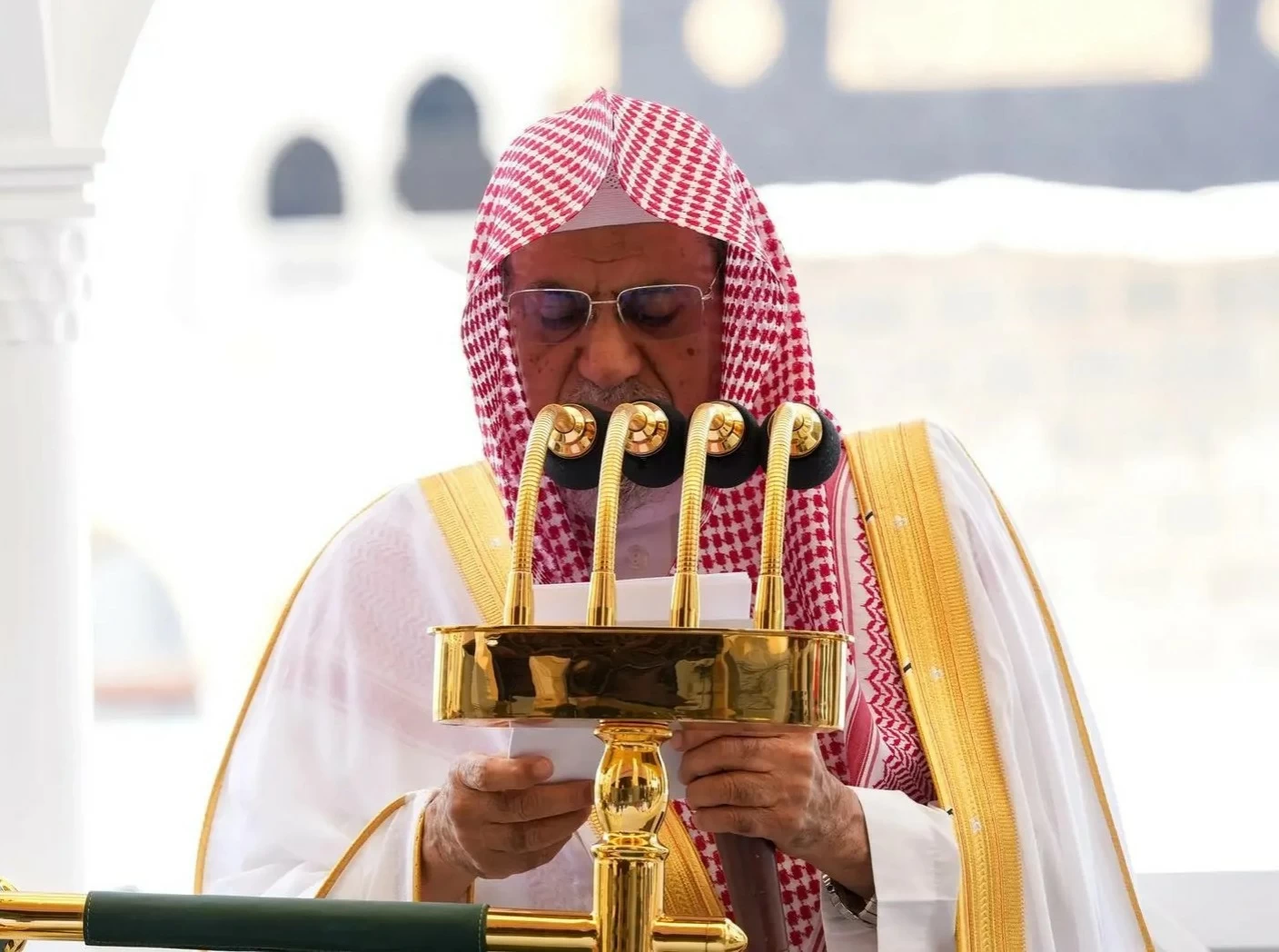
أوصى إمام وخطيب المسجد الحرام الشيخ الدكتور صالح بن عبدالله بن حميد المسلمين بتقوى الله عزّ وجلّ، فمن رضي بقسمة الله لم يحزن على ما فات، ومن نسي خطيئته استعظم خطيئة غيره، والأدب خير ميراث، وحسن الخلق أفضل قرين.
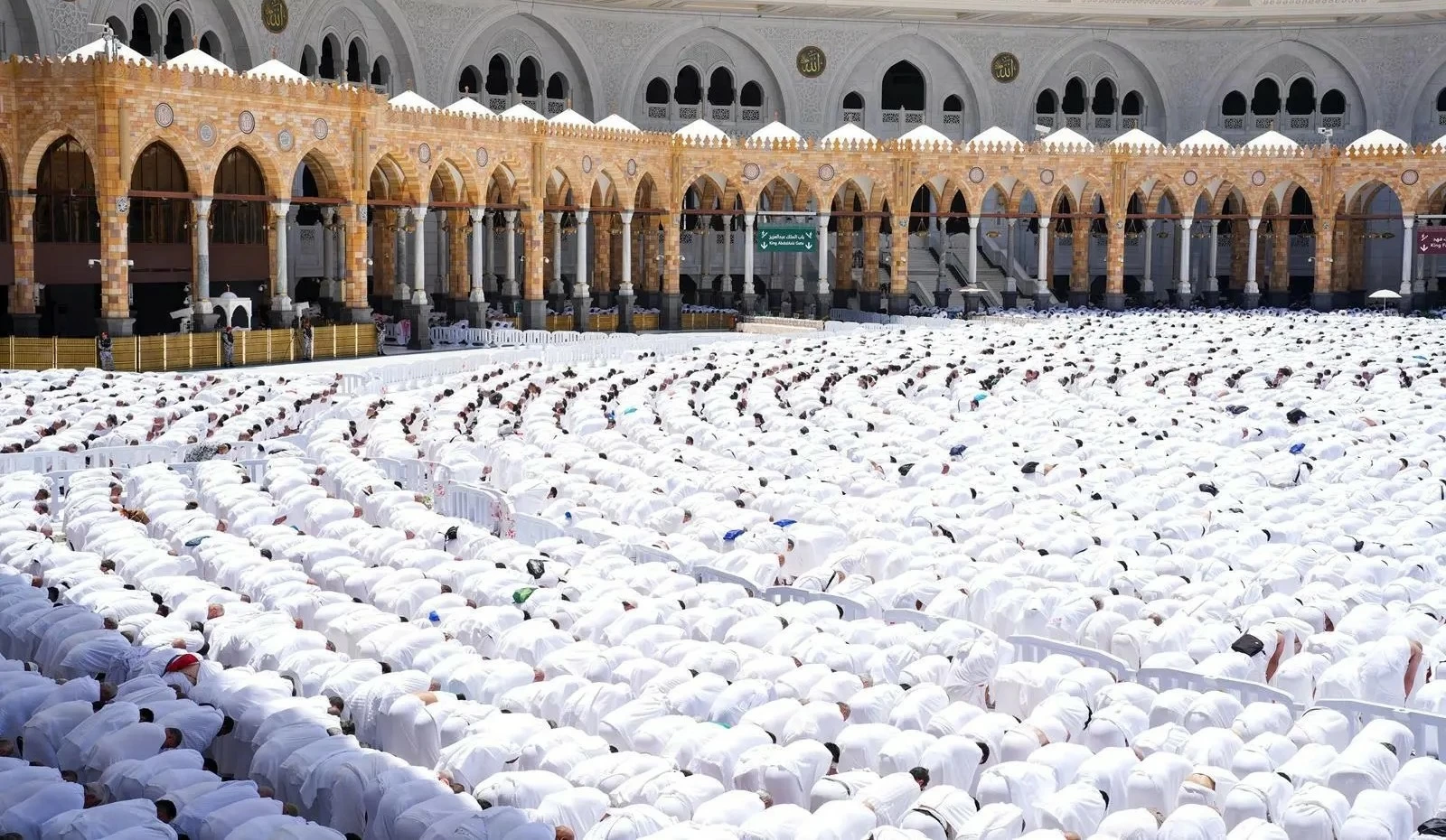
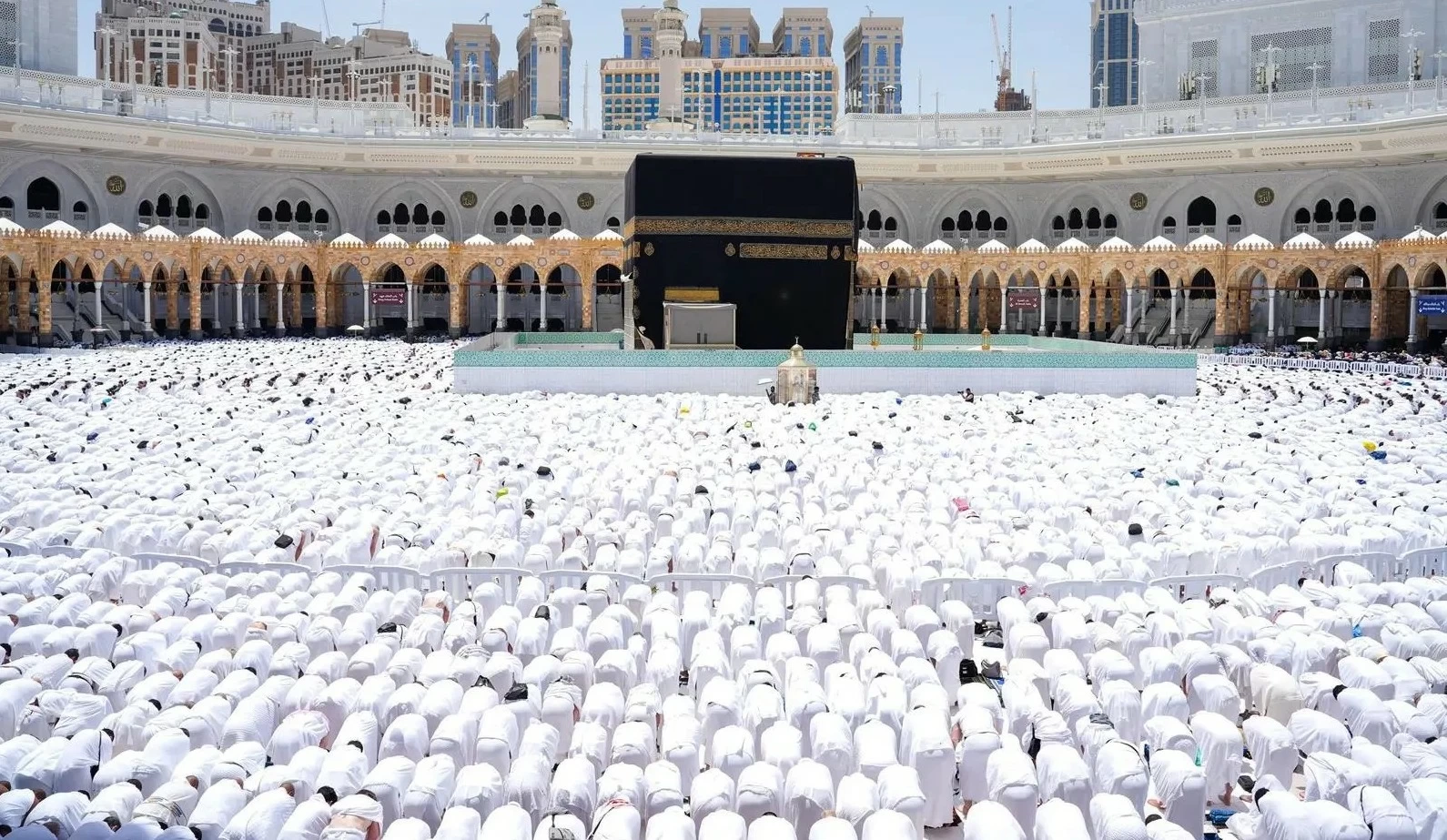
وقال في خطبة الجمعة التي ألقاها اليوم بالمسجد الحرام: «إن في كتاب الله وفي سنة رسول الله صلّى الله عليه وسلّم مواعظ لمن اتعظ، وزواجر لمن ازدجر، فيها ما يوقظ القلب المستنير، وما يأخذ بمجامع ذي البصيرة اللبيب، فالقلوب تحيا بذكر الله، والغفلة تقسيها، والخشية تطرد عنها سهام الخطر، والقصر إذا ذكر تقصر ندم، والحذر إذا ذكر من بصيرته كتم، فاحذروا حكم الله، وقوّوا قلوبكم بالمواعظ، وتوبوا بالرجوع، وانزلوا عند حكمه، وخافوا إن عصيتم ربكم عذاب يوم عظيم، وكونوا من الناصحين».
وأضاف قائلًا: «طريق من تدارك الخطوات قبل الفوات، والبشرى لمن لزم تقوى الله وعمل الصالحات، والخسران لمن باع آخرته بدنياه، والخسارة لمن فرط في جنب الله، لا تغرنكم الحياة الدنيا فإن نعيمها لا يدوم، ولا يخدعكم طول الأمل فإن الأجل معلوم، العمر رأس المال، وما فات منه لا عوض عنه ولا بدل، واليوم عمل ولا حساب، وغدًا حساب ولا عمل، وأنتم في حال التدارك والنظر».
وحذر الشيخ صالح بن حميد من أخذ حقوق الناس وأكل أموالهم، والخوض في أعراضهم، مبينًا أن المتعاملين مع أدوات التواصل ووسائل الاتصال يوجد منهم من ينشر من غير بينة، ويتحدث من غير تثبت، ويروي من غير تأكد، وينقل من غير تحقيق، فكيف يكون الحال يوم الحساب، حين يجد في صحائف أعماله خطأ لم يفعله، وسيئات لم يقترفها، يحمل وزر فعلها، ووزر نشرها، ووزر من صدقها، ووزر من تبعها، ووزر من شاهدها، ووزر من أذاعها، محذرًا من فتنة الإشاعة، وآفة المفاخرة، ووزر التباهي، وكسر قلوب الفقراء.
وقال: «رب رجل ضاعت في أدوات التواصل أخلاقه، ورب كريمة من النساء قصرت في حشمتها وفي حيائها، ورب حازم في المواقع متهاون في الواقع، ورب كريم في التطبيق شحيح عند التحقيق، لافتًا النظر إلى أن الثبات يكون عند الابتلاء، أما في زمن العافية فكل الناس ثابتون، والرضا يكون عند البلاء، أما في حال الرخاء فكل الناس راضون».
وأوصى بعدم ترك الحق لرضا الناس، ولا التلون لنيل إعجاب العباد، وخير ما رُزق العبد سكينة في النفس، ونور في العقل، وطيب في القلب، وسلامة في الفكر، وأن خير المنافع دعوة والدين، وإخلاص صديق، وإخوان صفا.
وبين الشيخ صالح بن حميد أن البخل يجمع المال ويذهب ما جمعه لغيره، والمثابرة تأتي بالحسنات وتذهب السيئات، والطاعة تبقى آثارها، ولذة المعصية تضمحل ويبقى عقابها.
وأوصى إمام وخطيب المسجد الحرام المسلمين بالمحافظة على الجماعة، والحذر مما يكدر الصفوف، فالزلات غير قليلة، والمنافق ينشر الزلل والمتربص يعظِّم الأخطاء، وأن يلزموا الطاعة، فمن خرج من الطاعة وفارق الجماعة فمات مات ميتةً جاهليةً.
كما أوصى إمام وخطيب المسجد النبوي الشيخ خالد المهنا المسلمين بتقوى الله وخشيته وطاعة الله ورسوله قال تعالى: (وَمَن يُطِعِ اللَّهَ وَرَسُولَهُ وَيَخْشَ اللَّهَ وَيَتَّقْهِ فأولئك هُمُ الْفَائِزُونَ).
وبين أن الإنسان خُلق راغبًا في الحياة الطيبة وطالبًا للسكينة ناشدًا للسعادة، مشيرًا إلى أن ذلك لا يكون إلا بعبادة الله والخضوع له منقادًا لأمره تحقيقًا للمراد من الخلق، قال جلّ من قائل: (وَمَا خَلَقْتُ الْجِنَّ وَالْإِنسَ إِلَّا لِيَعْبُدُونِ).
وتابع أن من كان بالله أعرف كان له أعبد ولذلك أرسل الرسل لتعريف الخلق بربهم، مشيرًا إلى أنها أفضل المعارف وأسماها فهي أساس الإسلام وقاعدة الإيمان.
وأوضح أن معرفة أسماء الله الحسنى وصفاته وأفعاله أعظم المعارف، فبها تزداد محبة الله وتعظيمه والذل له فأشد الناس حبًا لله أعرفهم بأسمائه وصفاته العُلا، فكانت الأنبياء أعظمهم حبًا لله، مضيفًا أنه بمعرفة الله تكمل النفوس وتزكو وتتنعم الأرواح وتسمو وترتقي إلى مقام الإحسان.
وأشار إمام وخطيب المسجد النبوي إلى أن الله تعالى تعرّف إلى عباده بما أخبر عن نفسه وبما أخبر عنه رسوله صلّى الله عليه وسلّم من أسمائه وصفاته وأفعاله وبما خلق في السماوات والأرض وأودع فيهما من الآيات الكونية وبأنعمه السابغة الظاهرة والباطنة الدالة على أن له الأسماء الحسنى والصفات الكاملة والأفعال البالغة قال تعالى: (وَلَهُ الْمَثَلُ الأعلى فِي السَّمَاوَاتِ وَالْأَرْضِ وَهُوَ الْعَزِيزُ الْحَكِيمُ)، وقال (اللَّهُ لَا إله إِلَّا هُوَ لَهُ الْأَسْمَاءُ الْحُسْنَى).
وتابع أن الله يحب أسماءه وصفاته ويحب من يحبها ويلهج بذكرها ويثني عليه بها، ففي الحديث عن عائشة رضي الله عنها أنَّ رسولَ اللهِ صلَّى اللهُ عليه وسلَّم بعَث رجُلًا على سَريَّةٍ فكان يقرَأُ لأصحابِه في صلاتِهم (قُلْ هُوَ اللَّهُ أَحَدٌ) «الإخلاص: 1»، فلمَّا رجَعوا ذكَروا ذلكَ لِلنَّبيِّ صلَّى اللهُ عليه وسلَّم فقال: (سَلُوه لِأيِّ شيءٍ صنَع هذا)، فسأَلوه فقال: أنا أُحِبُّ أنْ أقرَأَها فقال رسولُ اللهِ صلَّى اللهُ عليه وسلَّم: (أخبِروه أنَّ اللهَ يُحِبُّه).
وبين إمام وخطيب المسجد النبوي أن من أقبل على معرفة أسماء الله الحسنى وصفاته العلا فقد تعجل سروره وتم لقلبه نعيمه وارتقت في مدارج السالكين إلى الله منزلته ولم يبق شيء أحب إليه منه ولم تكن له رغبة فيما سواه إلا فيما يقرّبه إليه.
وختم أن العبد يجد ذلك في آيات الكتاب الحكيم الذي من تدبره وتأمله وتفكر في معانيه يجد ربًا اجتمعت له صفات الكمال ونعوت الجلال والعبد ذائق ثمار المعرفة حبًا لله وإجلالًا له وهيبة منه و خضوعًا لعظمته وصفات الرحمة والبر واللطف والإحسان تبعث قوة الرجاء في القلوب، وصفات العدل والانتقام والسخط والغضب والعقوبة تبعث الخوف من الله تعالى وتقمع النفس الأمارة بالسوء، وصفات الأمر والنهي وإرسال الرسل وإنزال الكتب تبعث قوة الامتثال للطلب واجتناب النهي والتواصي بالحق، وصفات العلم والسمع والبصر، والرقابة والإحاطة والشهادة تبعث قوة الإخلاص لله، والحياء والحذر من الله، وصفات الرزق والكفاية، والحسب والحفظ والنصرة والولاية تورث الحب لله، والثقة به، والتوكل عليه، وحسن الظن فيه، وصفات العز والكبرياء تورث الخضوع لله، والذل لعظمته، والانكسار لعزته، والخضوع لكبريائه، وخشوع القلب والجوارح له.
The Imam and preacher of the Grand Mosque, Sheikh Dr. Saleh bin Abdullah bin Humaid, advised Muslims to fear Allah, the Almighty. He stated that whoever is content with Allah's decree will not grieve over what has passed, and whoever forgets their own sins will magnify the sins of others. Good manners are the best inheritance, and good character is the best companion.
He said in the Friday sermon delivered today at the Grand Mosque: "Indeed, in the Book of Allah and in the Sunnah of the Messenger of Allah, peace be upon him, there are admonitions for those who take heed and warnings for those who are deterred. They contain what awakens the enlightened heart and what captivates the mind of the discerning. Hearts come to life with the remembrance of Allah, while heedlessness hardens them. Fear drives away the arrows of danger, and when the punishment is mentioned, it brings forth regret. Caution, when mentioned, is concealed from the insightful. So beware of Allah’s judgment, strengthen your hearts with admonitions, repent by returning, submit to His decree, and fear the punishment of a great day if you disobey your Lord, and be among the sincere advisors."
He added: "The path of those who rectify their steps before it is too late, and glad tidings for those who adhere to the fear of Allah and do righteous deeds. Loss is for those who sell their hereafter for their worldly life, and loss is for those who neglect the cause of Allah. Do not be deceived by the life of this world, for its pleasures do not last, and do not be fooled by long hopes, for the appointed time is known. Life is capital, and what has passed cannot be compensated or replaced. Today is for action and no reckoning, and tomorrow is for reckoning and no action, while you are in a state of rectification and contemplation."
Sheikh Saleh bin Humaid warned against taking the rights of others and consuming their wealth, and against slandering them. He pointed out that among those who interact with communication tools and means of connection, there are some who spread rumors without evidence, speak without verification, narrate without certainty, and transmit without investigation. How will it be on the Day of Judgment when one finds in their record of deeds mistakes they did not commit, and sins they did not perpetrate, bearing the burden of committing them, the burden of spreading them, the burden of those who believed them, the burden of those who followed them, the burden of those who witnessed them, and the burden of those who publicized them? He warned against the temptation of rumors, the plague of boasting, the burden of arrogance, and breaking the hearts of the poor.
He said: "Perhaps a man loses his morals in communication tools, and perhaps a noble woman falls short in her modesty and shyness. Perhaps a resolute person online is careless in reality, and perhaps a generous person in application is stingy in reality, pointing out that steadfastness is tested during trials, while in times of ease, everyone appears steadfast. Contentment is found in adversity, while in times of prosperity, everyone is content."
He advised against abandoning the truth for the sake of pleasing people, nor changing oneself to gain the admiration of others. The best provision for a servant is tranquility in the soul, light in the mind, goodness in the heart, and soundness in thought. The best benefits are a sincere call to faith, a true friend, and brothers in faith.
Sheikh Saleh bin Humaid explained that stinginess accumulates wealth but ultimately leads it to others, while perseverance brings about good deeds and erases bad ones. Obedience leaves its effects, while the pleasure of sin diminishes, and its punishment remains.
The Imam and preacher of the Grand Mosque advised Muslims to maintain the congregation and be cautious of anything that disrupts unity, for slips are not few, and the hypocrite spreads mistakes while the envious magnifies errors. They should adhere to obedience, for whoever departs from obedience and separates from the congregation dies a death of ignorance.
The Imam and preacher of the Prophet's Mosque, Sheikh Khalid Al-Muhanna, also advised Muslims to fear Allah, to be conscious of Him, and to obey Allah and His Messenger. Allah, the Exalted, said: (And whoever obeys Allah and His Messenger and fears Allah and is conscious of Him, it is they who are the successful).
He explained that a person is created desiring a good life and seeking tranquility, aspiring for happiness, noting that this can only be achieved through the worship of Allah and submission to Him in obedience to His command, fulfilling the purpose of creation. Allah, the Exalted, said: (And I did not create the jinn and mankind except to worship Me).
He continued that whoever knows Allah best will be the most devoted to Him, which is why He sent the messengers to inform creation about their Lord, indicating that this is the best and most noble of knowledge, as it is the foundation of Islam and the basis of faith.
He clarified that knowing the names of Allah, the Most Beautiful, and His attributes and actions is the greatest knowledge, for through it, love for Allah increases, reverence for Him grows, and humility before Him is established. The people who love Allah the most are those who know Him by His names and sublime attributes. The prophets were the most loving of Allah, adding that through knowing Allah, souls are perfected, and spirits are purified, elevated, and ascend to the rank of excellence.
The Imam and preacher of the Prophet's Mosque pointed out that Allah has introduced Himself to His servants through what He has revealed about Himself and what His Messenger, peace be upon him, has informed about His names, attributes, and actions, and through what He has created in the heavens and the earth, and the signs He has placed within them, as well as His abundant blessings, both apparent and hidden, which indicate that He has the most beautiful names, perfect attributes, and profound actions. Allah, the Exalted, said: (And to Him belongs the highest example in the heavens and the earth, and He is the Exalted in Might, the Wise), and He said: (Allah, there is no deity except Him; to Him belong the best names).
He continued that Allah loves His names and attributes and loves those who love them, who frequently mention them and praise Him with them. In a narration from Aisha, may Allah be pleased with her, the Messenger of Allah, peace be upon him, sent a man on an expedition, and he would recite to his companions in their prayers (Say, "He is Allah, [who is] One" - Surah Al-Ikhlas: 1). When they returned, they mentioned this to the Prophet, peace be upon him, who said: (Ask him for what reason he did this). They asked him, and he said: I love to recite it. The Messenger of Allah, peace be upon him, said: (Inform him that Allah loves him).
The Imam and preacher of the Prophet's Mosque stated that whoever turns to knowing the names of Allah, the Most Beautiful, and His sublime attributes will hasten to joy, and their heart will find delight, and they will ascend in the ranks of those who seek closeness to Allah, and nothing will be more beloved to them than this, nor will they desire anything else except what brings them closer to Him.
He concluded that the servant finds this in the verses of the Wise Book, for whoever reflects upon it, contemplates it, and thinks about its meanings will find a Lord who possesses the attributes of perfection and the qualities of majesty. The servant tastes the fruits of knowledge through love for Allah, reverence for Him, awe of His greatness, and submission to His majesty. The attributes of mercy, kindness, and benevolence instill strength of hope in hearts, while the attributes of justice, vengeance, wrath, and punishment instill fear of Allah, the Exalted, and suppress the soul that incites to evil. The attributes of command and prohibition, sending messengers, and revealing books instill strength in obeying the commands and avoiding the prohibitions, and advising one another in truth. The attributes of knowledge, hearing, seeing, oversight, encompassing, and witnessing instill strength of sincerity to Allah, modesty, and caution before Him. The attributes of provision, sufficiency, lineage, protection, support, and guardianship instill love for Allah, trust in Him, reliance upon Him, and good expectations of Him. The attributes of might and grandeur instill submission to Allah, humility before His greatness, brokenness before His might, and reverence for His majesty, along with humility of the heart and limbs before Him.