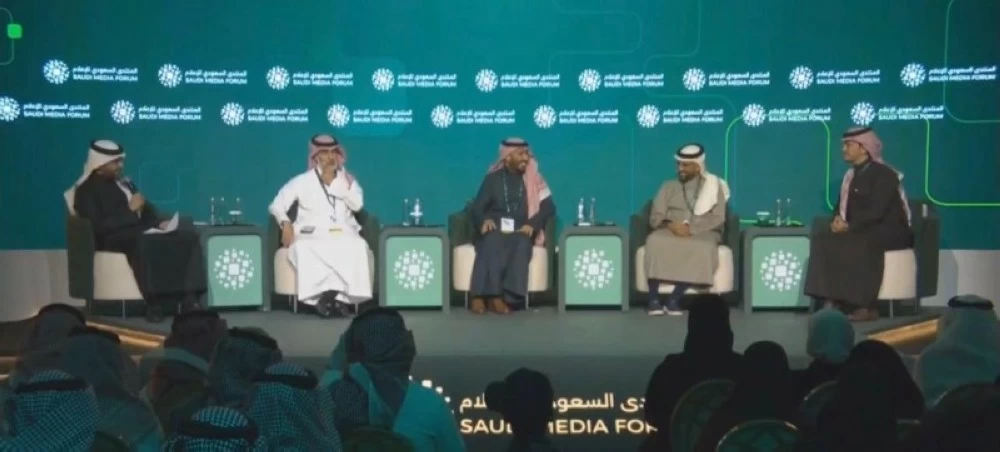
كشف مشرف مركز الاتصال والإعلام بوزارة الحرس الوطني رائد المطيري، أن قطاع الاتصال والإعلام في السعودية يشهد تحولات لافتة رفعت من جاذبية مناصبه القيادية، في ظل تنامٍ واضح في الطلب على الكفاءات الوطنية المؤهلة.
وجاء حديث المطيري خلال إحدى جلسات المنتدى السعودي للإعلام، رداً على تساؤل حول أسباب تنقل المتحدثين الرسميين بين الجهات، وما إذا كان المجال بات محفزاً لاستقطاب الإعلاميين.
وأوضح أن قراءة سريعة أجراها على قيادات الاتصال والإعلام في الهيئات والمؤسسات الرسمية أظهرت أن نحو 94% منهم سعوديون، واصفاً ذلك بالمؤشر الإيجابي الذي يعكس تمكن الكوادر الوطنية من إدارة هذا الملف باحترافية، وفهماً عميقاً للثقافة المحلية ومتطلبات الخطاب المؤسسي.
وأشار إلى أن التنقلات بين الجهات لم تعد ظاهرة سلبية، بل تعكس مستوى التنافس بين المؤسسات لاستقطاب الأسماء الأبرز في المجال، سواءً في القطاع الحكومي أو الخاص، مبيناً أن السوق بات يقدّر الخبرات الاتصالية والإعلامية بشكل غير مسبوق.
وبيّن أن بعض العروض الوظيفية لقيادات الاتصال والإعلام تجاوزت 150 ألف ريال شهرياً، ما يعكس القيمة الإستراتيجية للدور الذي يقوم به مسؤولو الاتصال في رسم صورة الجهات وإدارة رسائلها الإعلامية.
وعدّ المطيري ذلك رسالة واضحة للعاملين في المجال والمبتدئين فيه، مفادها أن تطوير المهارات والأدوات المهنية في الاتصال والإعلام يفتح آفاقاً واسعة لوظائف نوعية ومطلوبة، مؤكداً أن المهنة أصبحت ضمن المسارات المهنية الجاذبة في سوق العمل السعودي.
The supervisor of the Communication and Media Center at the Ministry of National Guard, Raed Al-Mutairi, revealed that the communication and media sector in Saudi Arabia is witnessing remarkable transformations that have increased the attractiveness of its leadership positions, amidst a clear rise in demand for qualified national competencies.
Al-Mutairi made this statement during one of the sessions of the Saudi Media Forum, in response to a question about the reasons behind the movement of official spokespersons between entities, and whether the field has become a motivator for attracting media professionals.
He explained that a quick review he conducted on the leadership of communication and media in official bodies and institutions showed that about 94% of them are Saudi nationals, describing this as a positive indicator that reflects the ability of national cadres to manage this file professionally, with a deep understanding of local culture and the requirements of institutional discourse.
He pointed out that the movement between entities is no longer a negative phenomenon, but rather reflects the level of competition among institutions to attract the most prominent names in the field, whether in the public or private sector, indicating that the market now values communication and media experiences like never before.
He noted that some job offers for communication and media leaders have exceeded 150,000 riyals per month, reflecting the strategic value of the role played by communication officials in shaping the image of entities and managing their media messages.
Al-Mutairi considered this a clear message to those working in the field and newcomers, indicating that developing skills and professional tools in communication and media opens wide horizons for quality and in-demand jobs, affirming that the profession has become one of the attractive career paths in the Saudi labor market.