شهدت المملكة العربية السعودية خلال عام 2025م، نمواً قياسياً في قطاع الطيران، متجاوزةً المعدلات الإقليمية، مع ارتفاع أعداد المسافرين بنسبة 9.6% ليصل الإجمالي إلى 140.9 مليون مسافر (76 مليون دولي، 65 مليون داخلي). كما ارتفع عدد الرحلات بنسبة 8.3% ليبلغ 980.4 ألف رحلة، مما يعكس استدامة انتعاش القطاع.
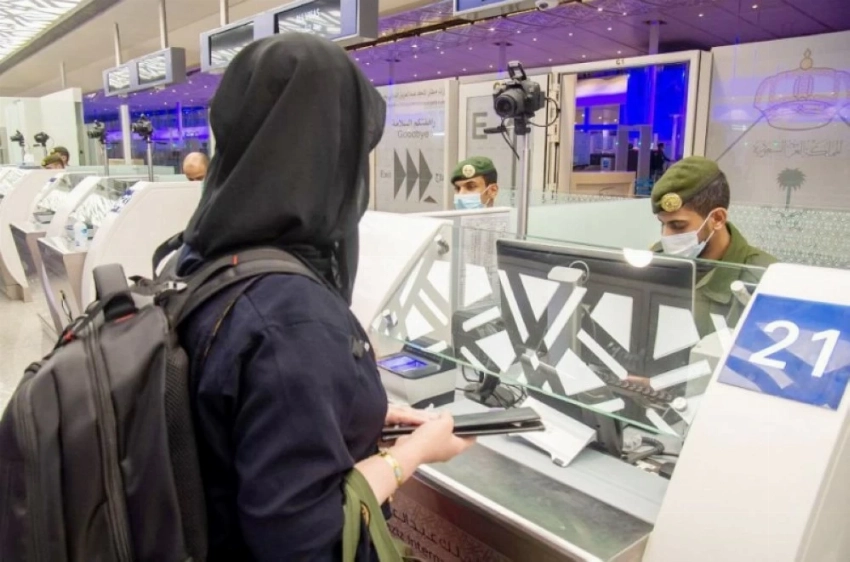
فتاة بمطار الملك عبدالعزيز الدولي تنهي إجراءات سفرها.
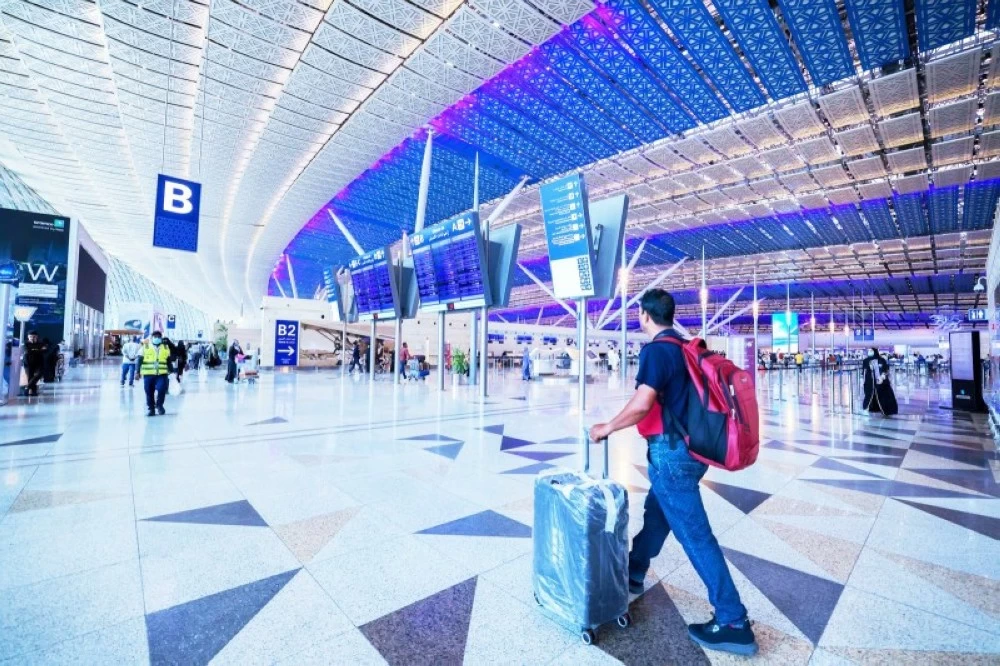
وجاء مطار الملك عبدالعزيز الدولي بجدة، في الصدارة بنسبة 38% من إجمالي حركة المسافرين، وبمتوسط يومي بلغ 146 ألف مسافر متجاوزاً طاقته الاستيعابية. كما حقق مطار الملك خالد الدولي بالرياض نسبة 29% من الحركة، بينما سجلت مطارات المدينة المنورة والدمام معدلات استخدام قياسية تجاوزت الطاقة الاستيعابية بنسبة 137% و112% على التوالي.
على الصعيد الدولي، عزّزت المملكة ربطها الجوي بـ 176 وجهة دولية ذات تكرار مرتفع، واحتلت مساراتها مواقع متقدمة عالمياً، أبرزها مسار القاهرة – جدة (الثاني عالمياً بـ 5.8 مليون مقعد) ومسار دبي – الرياض (السابع عالمياً بـ 4.5 مليون مقعد).
وفي قطاع الشحن الجوي، بلغت الكميات المنقولة 1.18 مليون طن، مع استحواذ مطارات الرياض وجدة والدمام على النسبة الأكبر، مما يؤكد دور الطيران محركاً رئيسياً للنمو الاقتصادي واللوجستي.
وتشير هذه المؤشرات إلى أن عام 2025م، كان عام «التحليق نحو القمة»، إذ رسخت المملكة مكانتها لاعباً محورياً في الملاحة الجوية العالمية.
The Kingdom of Saudi Arabia witnessed record growth in the aviation sector during the year 2025, surpassing regional averages, with the number of travelers increasing by 9.6% to reach a total of 140.9 million passengers (76 million international, 65 million domestic). The number of flights also rose by 8.3% to reach 980.4 thousand flights, reflecting the sustainability of the sector's recovery.
فتاة بمطار الملك عبدالعزيز الدولي تنهي إجراءات سفرها.
King Abdulaziz International Airport in Jeddah led the way, accounting for 38% of total passenger traffic, with a daily average of 146,000 passengers, exceeding its capacity. King Khalid International Airport in Riyadh achieved 29% of the traffic, while the airports in Medina and Dammam recorded record usage rates exceeding their capacities by 137% and 112%, respectively.
On the international front, the Kingdom enhanced its air connectivity with 176 high-frequency international destinations, with its routes ranking prominently worldwide, notably the Cairo – Jeddah route (second globally with 5.8 million seats) and the Dubai – Riyadh route (seventh globally with 4.5 million seats).
In the air cargo sector, the transported quantities reached 1.18 million tons, with Riyadh, Jeddah, and Dammam airports accounting for the largest share, underscoring the role of aviation as a key driver of economic and logistical growth.
These indicators suggest that the year 2025 was a year of "soaring to the top," as the Kingdom solidified its position as a pivotal player in global aviation.