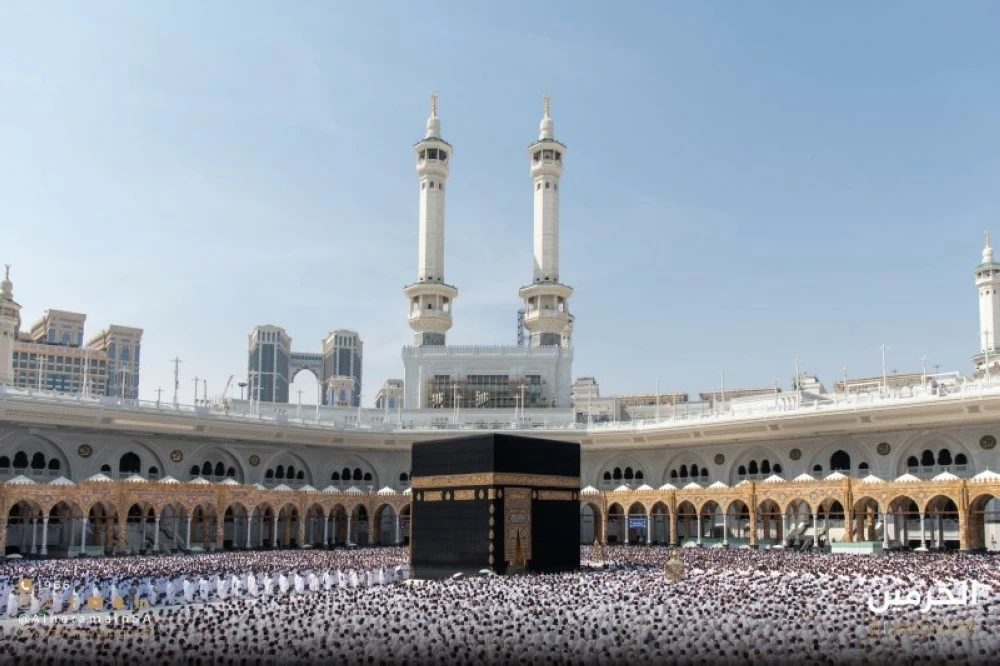
أوصى إمام وخطيب المسجد الحرام الشيخ الدكتور فيصل بن جميل غزاوي المسلمين بتقوى الله عز وجل ومراقبته في السر والنجوى.
وقال في خطبة الجمعة التي ألقاها اليوم بالمسجد الحرام: "إننا في هذه الحياة ممتحنون؛ فالدنيا ليست دار جزاء ووفاء، بل دار اختبار وابتلاء، فالابتلاء قدر إلهي وأمر لازم حتمي، يتبين من خلاله صدقُ من ادعى الإيمان ممن هو كاذب، ويكون البلاء على قدر دين المرء قوة وضعفًا.
وأضاف يقول: «مضت سنة الله أن يبتلي عباده المؤمنين بالسراء والضراء، والعسر واليسر، والمنشط والمكره، والغنى والفقر، وإدالة الأعداء عليهم في بعض الأحيان، ومجاهدة الأعداء بالقول والعمل ونحو ذلك، وكل ذلك مظهر لثباتهم على الإيمان ومحبة الرحمن والتسليم لقضاء ربهم عظيم الشأن، فالله سبحانه يبتلي عبده ويمتحنه بشدائد من الأمور؛ ليرى هل يصبر ويرضى بقضاء الله أم يتسخط ويجزع، وهو نوع شديد من الابتلاء، ولكن عاقبة الصبر عليه حميدة من النصر والهدى وحسن الثواب، كما أن سنة الله جرت بأن الشدة إذا تناهت يجعل وراءها فرجًا عظيمًا».
وأوضح الشيخ فيصل غزاوي أن استحضار أمثلة على تنوع الابتلاء واستدعاء شواهد لاختلاف صوره نجده جليًا فيما امتحن به صفوة الخلق الأنبياء عليهم السلام، سواءً كان تكذيب أقوامهم لهم، كما في قصص إبراهيم ولوط ونوح عليهم السلام، أم كان ابتلاءً بالنعمة كما حصل لداود وسليمان عليهما السلام، أم كان بالفتنة والشهوة كما تعرض لذلك يوسف عليه السلام، أم كان بالضر كالداء الذي أصاب جسد أيوب- عليه السلام-، أم كان بأنواع الأذى كما أصاب موسى عليه السلام، وأما نبينا محمد- صلى الله عليه وسلم- فما أكثر ما أوذي في الله ولقي من أنواع الابتلاء والمصائب.
وبيّن أن الأنبياء مع كونهم أفضل الخلق وأكرمهم على الله إلا أنهم أشد بلاء؛ لما يترتب على ذلك من مضاعفة حسناتهم ورفع درجاتهم وإعلاء ذكرهم، فهم اختصوا بكمال صبرهم وصحة احتسابهم، ويأتي من بعدهم في ذلك المؤمنون الصادقون من الأولياء والصالحين الذين ساروا على أثرهم واقتدوا بهديهم، فاستعذبوا كل ما نالهم من إيذاء وتنكيل في سبيل الثبات على الدين.
وقال فضيلته: «ما أعظم شأن الصحابة الكرام؛ إذ ضربوا أروع الأمثلة في سبيل نصرة الإسلام رغم ما واجهوه من الشدائد العظام والأهوال الجسام، مما يشهد لهم برسوخ إيمانهم، ويبرهن على رباطة جأشهم وثباتهم، وحوصروا 3 سنوات في شعب أبي طالب وأصابهم فيه الجوع والمتاعب، لكنهم صبروا وعلى ربهم توكلوا، ولم يفتّ ذلك كله في عضدهم ولم يصدهم عن مبدئهم، تأسيًا بنبيهم الذي لم تفتر عزيمته ولم تضعف همته، بل استمر في دعوته وتبليغ رسالته، وكفى الله المؤمنين ما أهمهم ورد عنهم بأس من أراد كيدهم، وباء الأعداء بالفشل وخيبة الأمل، وكذا ثباتهم عند الشدائد والصعاب يوم تكالب عليهم الأحزاب».
ولفت النظر إلى أن من صور امتحان الإيمان ابتلاء المؤمن بما عليه الناس من العوائد والتقاليد المخالفة لشرع الله المجيد، فإن أطاع الكثرة ممن اتبع الهوى أضلوه عن سبيل الهدى.
وأشار إلى أن مما يُظهر حقيقة إيمان العبد ما يعرض له مما استقبحه الشرع وحرمه، فمتى قابل المنكرات والمساوئ بالإنكار زاد في إيمانه واطمئنانه، ومتى استجاب لها ورضيها فُتِن ونال من إيمانه، فلا عذر للمؤمن أن ينكر بقلبه كل منكر، لأن تغييره بالقلب يعد أضعف المراتب، ويقتضي ذلك إظهار كراهته للمنكر فلا يقعد مع مرتكبيه، بل يُعرض عنهم زجرًا لهم وبغضًا لما هم فيه.
وعد الشيخ فيصل غزاوي ترسيخ مفهوم الإيمان بالقضاء والقدر خيره وشره، والرضا والتسليم التام لأقدار الله أساسًا متينًا وحصنًا حصينًا وسلَّمًا يرقى بصاحبه لأعلى درجات الإيمان واليقين، فإذا ما ابتلي العبد في إيمانه كان أساسه الإيماني ثابتًا فلم يضعف ولم يتزعزع، لكن عندما لا يكون كذلك فما أسرع ما ينقلب ولا يثبت على حاله، موصيًا المسلمين أن يحمدوا ربهم على ما أنعم به عليهم ومنحهم، وعلى ما صرف عنهم ومنعهم، وأن يسألوه أن يعافيهم ولا يبتليهم، وأن يستعملهم ولا يستبدلهم، مع شكر نعمة مولاهم وتأدية حقه فيما آتاهم وولاهم.
من جهة أخرى تحدث فضيلة إمام وخطيب المسجد النبوي الشيخ الدكتور صلاح بن محمد البدير عن مآل كل إنسان في هذه الدنيا الفانية، مذكرًا أن الموت أجلٌ محتوم، داعيًا العباد إلى مُلازمة أداء الطاعات الواجبات، والبُعد عن المعاصي والمُنكرات، والتوبة إلى الله سبحانه وتعالى.
واستهل الشيخ صلاح البدير الخطبة داعيًا إلى تقوى الله والالتزام بأوامره، واجتناب معصيته، قال الله وتعالى: «يَا أَيُّهَا الَّذِينَ آمَنُوا اتَّقُوا اللَّهَ حَقَّ تُقَاتِهِ وَلَا تَمُوتُنَّ إِلَّا وَأَنتُم مُّسْلِمُونَ»، موضحًا أن الدنيا دارُ أكدارٍ وأنكاد، أحزانها لافحة، ومصائبها طافحة، وحوادثها قادحة، سكناتها محدورة، وعهودها منقوضة، زوالها محسوم، ورخاؤها لا يدوم، وعناؤها لا يرتفع، وبلاؤها لا ينقطع، وزهرتها إلى فناء، مستشهدًا بقول الله جلّ وعلا: «وَمَا الْحَيَاةُ الدُّنْيَا إِلَّا لَعِبٌ وَلَهْوٌ وَلَلدَّارُ الْآخِرَةُ خَيْرٌ لِلَّذِينَ يَتَّقُونَ أَفَلَا تَعْقِلُونَ»، وعن أنس- رضي الله عنه- قال: قال رسول الله -صلى الله عليه وسلم-: «حَقَّ عَلَى اللَّهِ أَنْ لَا يَرْتَفِعَ شَيْءٌ من الدنيا إلا وضعه» أخرجه البخاري.
وذكر إمام وخطيب المسجد النبوي واصفًا حال الدنيا الفانية بقوله: «دارٌ تغيّرها الآفات، وتنوبها الفجيعات، وتُكدّرها الرزايا والبليّات، قد سلّتِ المَنايا فيها سيوفها، ونثرت بين الأنام حتوفها، ومن لم يمت عاجلًا مات أجلًا»، مُستدلًا بقول الحق تبارك وتعالى: «وَمَا جَعَلْنَا لِبَشَرٍ مِن قَبْلِكَ الْخُلدٌ أَفَإِن مِتّ فَهُمُ الْخَالِدُونَ، كُلُّ نَفْسٍ ذَائِقَةُ الْمَوْتُ وَنَبْلُوكُم بالشرِّ والخَيْرِ فِتْنَةٌ وَإِلَيْنَا تُرْجَعُونَ».
وتابع فضيلته مذكرًا أن الموت والفناء نهاية كل مخلوق في هذه الحياة الدنيا، متسائلًا: «أين من كان لنا صديقًا مؤانسًا، أين من كان لنا رفيقًا مجالسًا، تخطفتهم أوثار الحنايا، وأوقعتهم سهام المنايا، فيا من غرق في المنكرات والغفلات، هلّا اعتبرت بمدافن الآباء والأمهات، هلّا اتّعظت بمن مضى من الإخوان والأخوات، قِف بالقبور وانظر كم حوَت من الأموات».
ودعا الشيخ الدكتور صلاح البدير إلى أهمية استعداد العبد لأوان وفاته، ونزول الموت به، وأن لا تُبطره الدنيا الفانية، ولا تُشغله الدار الباقية، ولا تخدعه زخارفها، ولا تُذهله بمُتعها، ولا تُضلّه فِتنها، ولا تُغويه شياطينها وغواتها، مذكرًا من ارتكب الحرام، واقترف الآثام، بالمسارعة إلى التوبة والاستغفار والرجوع إلى الله، والإنابة إليه قبل فوات الأوان، فقال الله تعالى: «والله يُرِيدُ أَن يَتُوبَ عَلَيْكُمْ»، وقال سبحانه: «أَفَلَا يَتُوبُونَ إِلَى اللهِ وَيَسْتَغْفِرُونَهُ وَاللَّهُ غَفُورٌ رحيمٌ»، وقل عزّ وجلّ: «إِلَّا مَن تَابَ وَآمَنَ وَعَمِلَ عَمَلًا صَالِحًا فَأُولَٰئِكَ يُبَدِّلُ اللَّهُ سَيِّئَاتِهِمْ حَسَنَاتٍ ۗ وَكَانَ اللَّهُ غَفُورًا رَّحِيمًا»، وقال جل وعلا: «قُلْ يَا عِبَادِيَ الَّذِينَ أَسْرَفُوا عَلَىٰ أَنفُسِهِمْ لَا تَقْنَطُوا مِن رَّحْمَةِ اللَّهِ ۚ إِنَّ اللَّهَ يَغْفِرُ الذُّنُوبَ جَمِيعًا ۚ إِنَّهُ هُوَ الْغَفُورُ الرَّحِيمُ»، وعن أبي هريرة رضي الله عنه قال: قال رسول الله -صلى الله عليه وسلم-: والذي نفسي بيده لو لم تذنبوا لذهب الله بكم، ولجاء بقومٍ يُذنبون فيستغفرون الله، فيغفر لهم" -أخرجه مسلم-، فمن كرم الله تعالى، وجوده ولطفه، ورحمته بخلقه، مع ذنوبهم وإسرافهم يدعوهم إِلى التَّوبة وَالمغْفرة، ويصفحُ عن إجرامهم، فكلّ من تاب إِليه تَاب عليه.
The Imam and preacher of the Grand Mosque, Sheikh Dr. Faisal bin Jamil Ghazawi, advised Muslims to fear Allah Almighty and to be mindful of Him in secret and in private.
He said in the Friday sermon he delivered today at the Grand Mosque: "Indeed, we are tested in this life; for this world is not a place of reward and fulfillment, but a place of trial and tribulation. Trials are a divine decree and a necessary matter, through which the truthfulness of those who claim faith is distinguished from those who are false. The severity of the trial corresponds to the strength and weakness of a person's faith.
He added: "It is the divine tradition that Allah tests His believing servants with ease and hardship, with difficulty and ease, with comfort and discomfort, with wealth and poverty, and sometimes with the dominance of enemies over them, as well as the struggle against enemies through word and action, and all of this is a manifestation of their steadfastness in faith, love for the Merciful, and submission to the decree of their Lord, who is of great importance. Allah, the Exalted, tests His servant with severe matters to see whether he is patient and content with Allah's decree or whether he complains and is distressed. This is a severe type of trial, but the outcome of patience in it is praiseworthy, leading to victory, guidance, and good reward. Just as Allah's tradition is that when hardship reaches its peak, a great relief follows it."
Sheikh Faisal Ghazawi clarified that recalling examples of the diversity of trials and bringing forth evidence of their different forms is evident in what the elite of creation, the prophets, peace be upon them, were tested with. Whether it was the denial of their people, as in the stories of Ibrahim, Lut, and Nuh, peace be upon them, or whether it was a trial of blessing, as happened to Dawood and Sulayman, peace be upon them, or whether it was through temptation and desire, as experienced by Yusuf, peace be upon him, or through affliction, like the illness that afflicted Ayub, peace be upon him, or through various forms of harm, as experienced by Musa, peace be upon him. As for our Prophet Muhammad, peace be upon him, how often he was harmed for the sake of Allah and faced various trials and calamities.
He pointed out that the prophets, despite being the best of creation and the most honored by Allah, faced the greatest trials; this is due to the multiplication of their good deeds, the elevation of their ranks, and the exaltation of their remembrance. They were distinguished by their complete patience and the correctness of their accountability. Following them are the sincere believers among the saints and the righteous who walked in their footsteps and followed their guidance, finding sweetness in everything that befell them in terms of harm and persecution for the sake of steadfastness in faith.
He said: "How great is the status of the noble companions; they set the most magnificent examples in supporting Islam despite the tremendous hardships and great horrors they faced, which testify to their firm faith and demonstrate their composure and steadfastness. They were besieged for three years in the Shi'ab of Abu Talib, suffering from hunger and hardships, yet they remained patient and relied on their Lord. None of this weakened them or deterred them from their principles, following the example of their Prophet, whose resolve never faltered and whose determination never weakened. He continued in his call and the delivery of his message, and Allah sufficed the believers from what troubled them and repelled from them the evil of those who sought to harm them, while the enemies faced failure and disappointment. Likewise, they remained steadfast in times of hardship and difficulty when the factions conspired against them."
He drew attention to the fact that one of the manifestations of testing faith is the trial of the believer with the customs and traditions of people that contradict the glorious Sharia of Allah. If one obeys the majority who follow their desires, they mislead him from the path of guidance.
He indicated that what reveals the reality of a servant's faith is what he encounters that is deemed reprehensible and forbidden by Sharia. Whenever he confronts evils and vices with rejection, his faith and tranquility increase. However, if he responds to them and accepts them, he becomes tempted and his faith diminishes. There is no excuse for a believer not to reject every evil in his heart, for changing it in the heart is the weakest level, and it requires showing dislike for the evil, so he should not sit with those who commit it, but rather turn away from them as a reprimand for them and out of hatred for what they are in.
Sheikh Faisal Ghazawi promised that establishing the concept of faith in divine decree, both good and bad, and complete acceptance and submission to Allah's decrees is a solid foundation, a strong fortress, and a ladder that elevates its possessor to the highest levels of faith and certainty. If a servant is tested in his faith, his foundational faith remains firm, so it does not weaken or falter. However, when it is not so, how quickly one can turn away and not remain steadfast in his state. He advised Muslims to praise their Lord for what He has bestowed upon them and granted them, and for what He has diverted from them and withheld from them, and to ask Him for well-being and not to test them, and to use them and not to replace them, while thanking their Lord for His blessings and fulfilling their obligations regarding what He has given them and entrusted them with.
On another note, the esteemed Imam and preacher of the Prophet's Mosque, Sheikh Dr. Salah bin Muhammad Al-Budair, spoke about the fate of every human being in this fleeting world, reminding that death is a predetermined end, calling the servants to persist in performing obligatory acts of worship, to stay away from sins and vices, and to repent to Allah, the Exalted.
Sheikh Salah Al-Budair began the sermon by calling to fear Allah and adhere to His commands and to avoid His disobedience. Allah, the Exalted, said: "O you who have believed, fear Allah as He should be feared and do not die except as Muslims." He clarified that this world is a place of troubles and hardships, its sorrows are overwhelming, its calamities are abundant, its incidents are striking, its tranquility is fleeting, and its promises are broken. Its end is certain, its ease does not last, its toil does not cease, and its trials do not end, and its beauty leads to extinction. He cited the words of Allah, the Exalted: "And the worldly life is not but amusement and diversion, and the home of the Hereafter is best for those who fear [Allah]. So will you not reason?" And Anas, may Allah be pleased with him, said: The Messenger of Allah, peace be upon him, said: "It is a right upon Allah that nothing from this world should rise except that He brings it down." Narrated by Al-Bukhari.
The Imam and preacher of the Prophet's Mosque described the state of this fleeting world by saying: "A place that is changed by calamities, afflicted by tragedies, troubled by misfortunes and trials, where death has drawn its swords, and among people it has scattered its fates. Whoever does not die quickly will die eventually," citing the words of the Almighty: "And We did not grant immortality to any human before you. So if you die, will they be eternal? Every soul will taste death, and We will test you with evil and good as a trial, and to Us you will be returned."
He continued, reminding that death and extinction are the end of every creature in this worldly life, asking: "Where is the one who was a friend and companion to us? Where is the one who was our companion in gatherings? They have been snatched away by the arrows of fate and struck down by the arrows of death. O you who are drowning in sins and heedlessness, will you not take heed from the graves of fathers and mothers? Will you not learn from those who have passed among brothers and sisters? Stand by the graves and see how many the dead have embraced."
Sheikh Dr. Salah Al-Budair called for the importance of a servant's preparation for the time of his death and the arrival of death upon him, and that the fleeting world should not intoxicate him, nor should the everlasting abode occupy him, nor should its adornments deceive him, nor should its pleasures distract him, nor should its trials mislead him, nor should its devils and temptations entice him. He reminded those who commit sins and wrongdoings to hasten to repentance, seek forgiveness, and return to Allah, and to turn to Him before it is too late. Allah, the Exalted, said: "And Allah wants to accept repentance from you." And He said: "But why do they not repent to Allah and seek forgiveness from Him? And Allah is Forgiving and Merciful." And He, the Mighty and Majestic, said: "Except for the one who repents, believes, and does righteous work. For those Allah will replace their evil deeds with good. And ever is Allah Forgiving and Merciful." And He, the Exalted, said: "Say, O My servants who have believed, fear your Lord. For those who do good in this world is good, and the earth of Allah is spacious. Indeed, the patient will be given their reward without account." And Abu Huraira, may Allah be pleased with him, said: The Messenger of Allah, peace be upon him, said: "By the One in Whose Hand is my soul, if you did not sin, Allah would sweep you out of existence and He would bring forth a people who would sin and seek forgiveness from Allah, and He would forgive them." - Narrated by Muslim - Thus, from the generosity, kindness, and mercy of Allah towards His creation, despite their sins and excesses, He calls them to repentance and forgiveness, and He pardons their transgressions. So whoever repents to Him, He will accept their repentance.