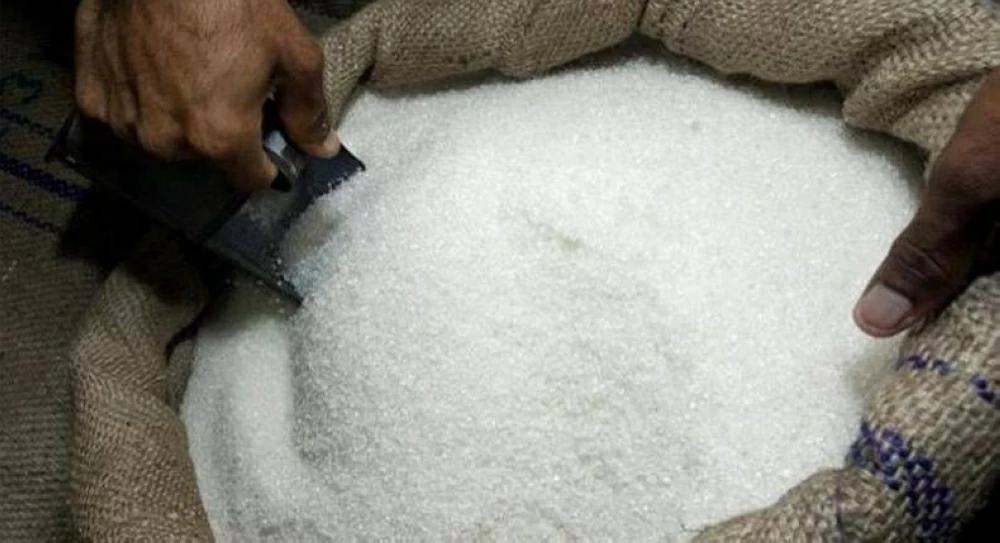
ارتفعت أسعار السكر العالمية إلى أعلى مستوى في 6 أشهر بسبب حرب إيران التي عطلت الملاحة في مضيق هرمز، مما ضيق الإمدادات من الشرق الأوسط.
وزادت صادرات تايلند والهند بشكل حاد، مع طلبات هندية تصل إلى 250 ألف طن منذ بداية الحرب، وسط توقعات باستمرار ضعف الواردات حتى يونيو القادم.
وتشهد أسعار السكر العالمية انتعاشاً بعد فترة ركود طويلة، إذ أدت الحرب في إيران إلى تضييق الإمدادات من أحد مراكز التكرير الرئيسية، ما عزز مبيعات المنتجين خارج الشرق الأوسط.
العقود الآجلة
وكانت العقود الآجلة القياسية للسكر الأبيض في لندن تتداول عند مستويات منخفضة قريبة من مستويات فترة الجائحة، في ظل وفرة المعروض وضعف الطلب.
لكن منذ اندلاع الحرب، ارتفعت الأسعار إلى أعلى مستوى لها في 6 أشهر، إذ أدت الأعمال العدائية إلى تعطيل شبه كامل لحركة الملاحة عبر مضيق هرمز، وهو مسار حيوي لشحن السكر الخام إلى المصافي المحلية، وكذلك تصدير السكر الأبيض إلى الخارج.
وأصبحت بعض المصافي في الشرق الأوسط مستعدة لتحمل التكاليف الأعلى الناتجة عن الاعتماد على موانئ مثل الفجيرة وخورفكان وصحار لتأمين المواد الخام.
واردات ضعيفة
أنهى العقد الأكثر تداولاً الشهر على مكاسب بلغت 11%، وهي الأعلى منذ عام 2023. وبحسب محلل السوق كلوديو كوفريغ، تأثر نحو 6% من تجارة السكر العالمية بالحرب.
ومن المرجح أن تظل الواردات ضعيفة على الأقل حتى يونيو، مع مخاطر تراجع إضافية إذا استمرت الاضطرابات إلى الربع الثالث، وفق أنكيت جاغتا، وهو تاجر سكر مقيم في دبي.
ومع بحث التجار عن مصادر بديلة للسكر المكرر، تتسارع الشحنات من الهند وتايلند. فقد ارتفعت التدفقات من خارج الشرق الأوسط بشكل حاد الشهر الماضي، إذ بلغت صادرات تايلند إلى السودان -أحد كبار المستهلكين- نحو 35.365 طن سكر حتى 25 مارس، مقارنة بـ45 ألف طن في فبراير، وفق بيانات الشحن التي جمعتها «كوفريغ أناليتيكس».
Global sugar prices have risen to their highest level in 6 months due to the Iran war, which has disrupted navigation in the Strait of Hormuz, tightening supplies from the Middle East.
Exports from Thailand and India have sharply increased, with Indian orders reaching 250,000 tons since the beginning of the war, amid expectations of continued weak imports until next June.
Global sugar prices are experiencing a rebound after a long period of stagnation, as the war in Iran has tightened supplies from one of the major refining centers, boosting sales for producers outside the Middle East.
Futures Contracts
The benchmark futures contracts for white sugar in London were trading at low levels close to pandemic-era prices, amid ample supply and weak demand.
However, since the outbreak of the war, prices have risen to their highest level in 6 months, as hostilities have led to a near-total disruption of navigation through the Strait of Hormuz, a vital route for shipping raw sugar to local refineries, as well as exporting white sugar abroad.
Some refineries in the Middle East have become willing to bear the higher costs resulting from reliance on ports such as Fujairah, Khor Fakkan, and Sohar to secure raw materials.
Weak Imports
The most traded contract ended the month with gains of 11%, the highest since 2023. According to market analyst Claudio Covrig, about 6% of global sugar trade has been affected by the war.
Imports are likely to remain weak at least until June, with additional downside risks if disruptions continue into the third quarter, according to Ankit Jagta, a sugar trader based in Dubai.
As traders seek alternative sources for refined sugar, shipments from India and Thailand are accelerating. Flows from outside the Middle East sharply increased last month, with Thailand's exports to Sudan—one of the largest consumers—reaching about 35,365 tons of sugar by March 25, compared to 45,000 tons in February, according to shipping data collected by Covrig Analytics.