تابع قناة عكاظ على الواتساب
في ظل تسارع التحديات البيئية وتنامي أثرها المباشر على المدن وجودة الحياة، تبرز اللقاءات العلمية المتخصصة بوصفها منصات محورية لإنتاج المعرفة التطبيقية، وربط البحث العلمي بصناعة القرار، وتعزيز الوعي بالمخاطر المستقبلية. وليس من المعتاد أن يفرض لقاء علمي نفسه ليكون مادة للتأمل والكتابة، إلا حين يتجاوز حدود الطرح النظري ليترك أثراً معرفياً ومهنياً يستحق التوقف عنده.
لقد ترسخت لدي قناعة مبكرة بأهمية نقل المعرفة النافعة، بوصفها مسؤولية مجتمعية قبل أن تكون ممارسة مهنية، لا سيما في زمن يتسم بزخم معلوماتي متدفق، تتداخل فيه المعارف وتتباين فيه مستويات الجودة. ويظل نقل العلوم المرتبطة بالحياة المعاصرة من أكثر مجالات المعرفة تأثيراً، لما لها من ارتباط مباشر بسلامة الإنسان واستدامة بيئته، رغم ميلي الدائم إلى الإصغاء العميق أكثر من الحديث.
ويُعد ارتفاع منسوب المياه الجوفية أحد أبرز التحديات البيئية والهندسية المتنامية في المدن الحديثة، لما يحمله من آثار مباشرة على البنية التحتية والمنشآت الحيوية وجودة الحياة الحضرية. وتتطلب مواجهة هذا التحدي تكاملاً فعّالاً بين الجهود البحثية والتطبيقية، وتعزيز الشراكات الأكاديمية، وربط مخرجات الدراسات العلمية بصنّاع القرار، بما يسهم في حماية الأصول الحضرية، ودعم التخطيط العمراني المستدام، ورفع جاهزية المدن للتعامل مع المخاطر المستقبلية.
وفي هذا الإطار، شكّلت الورشة العلمية المعنونة «مخاطر ارتفاع منسوب المياه الجوفية وتأثيرها على جودة الحياة في المناطق الحضرية» نموذجاً معرفياً متقدماً، تجاوز الطرح النظري إلى معالجة عملية قائمة على التحليل العلمي والتطبيقات الهندسية. حيث ناقشت الورشة أسباب ارتفاع منسوب المياه الجوفية في المناطق الحضرية، وتأثيراتها على المباني والطرق وشبكات الخدمات، إلى جانب استعراض دور الدراسات الجيولوجية والهيدروجيولوجية في التنبؤ بالمخاطر، وأفضل الممارسات الوقائية، والحلول الهندسية والتقنية الحديثة للحد من هذه المخاطر وتعزيز الاستدامة الحضرية.
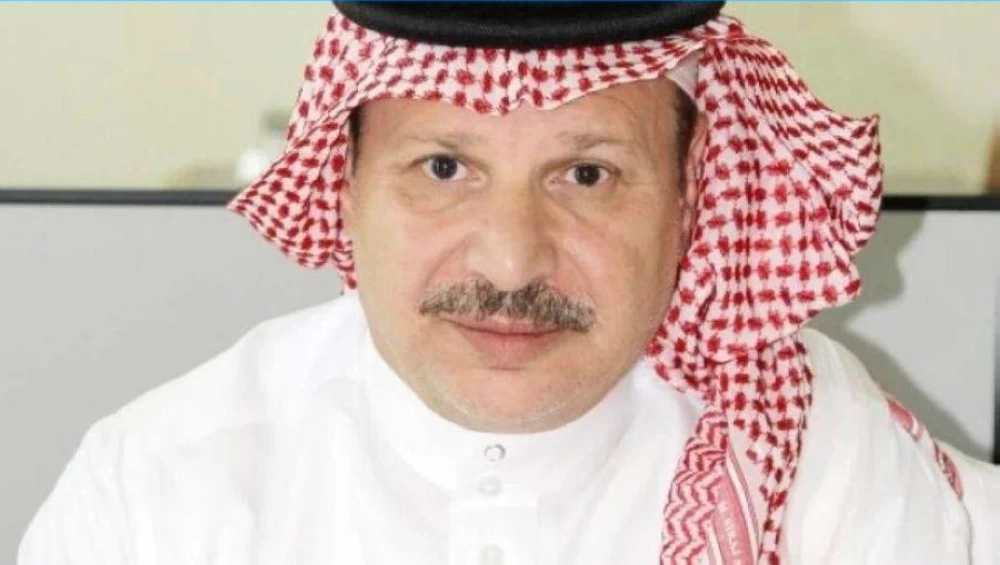
وقد جاءت هذه الورشة بتنظيم من أكاديمية هيئة المساحة الجيولوجية السعودية، وبالتعاون مع كلية علوم الأرض – جامعة الملك عبدالعزيز، وبمشاركة علمية وتطبيقية متخصصة من الدكتور حسن عبدالله سليم، والمهندس وائل عبدالعزيز بردي، فيما أدار أعمال الورشة الدكتور خالد أحمد بانخر.
In light of the accelerating environmental challenges and their growing direct impact on cities and quality of life, specialized scientific meetings emerge as pivotal platforms for producing applied knowledge, linking scientific research to decision-making, and enhancing awareness of future risks. It is not common for a scientific meeting to impose itself as a subject for contemplation and writing, except when it transcends the boundaries of theoretical discourse to leave a cognitive and professional impact that deserves attention.
I have long held a conviction about the importance of transferring beneficial knowledge, viewing it as a societal responsibility before being a professional practice, especially in an era characterized by a flood of information, where knowledge intertwines and quality levels vary. The transfer of sciences related to contemporary life remains one of the most influential fields of knowledge, due to its direct connection to human safety and environmental sustainability, despite my constant inclination to listen deeply rather than speak.
The rise in groundwater levels is one of the most prominent environmental and engineering challenges facing modern cities, due to its direct effects on infrastructure, vital facilities, and urban quality of life. Addressing this challenge requires effective integration between research and practical efforts, enhancing academic partnerships, and linking the outputs of scientific studies to decision-makers, contributing to the protection of urban assets, supporting sustainable urban planning, and increasing cities' readiness to deal with future risks.
In this context, the scientific workshop titled "The Risks of Rising Groundwater Levels and Their Impact on Quality of Life in Urban Areas" represented an advanced knowledge model, moving beyond theoretical discourse to practical treatment based on scientific analysis and engineering applications. The workshop discussed the causes of rising groundwater levels in urban areas, their impacts on buildings, roads, and service networks, alongside reviewing the role of geological and hydrogeological studies in predicting risks, best preventive practices, and modern engineering and technical solutions to mitigate these risks and enhance urban sustainability.
This workshop was organized by the Academy of the Saudi Geological Survey, in collaboration with the Faculty of Earth Sciences at King Abdulaziz University, with specialized scientific and practical participation from Dr. Hassan Abdullah Saleem and Engineer Wael Abdulaziz Burdi, while Dr. Khalid Ahmed Banekher managed the workshop's proceedings.