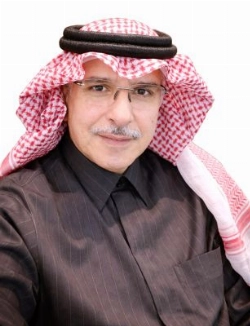
لم يكن عيدروس الزبيدي قبل عقد من الزمن، اسماً كبيراً في المشهد الجنوبي، لكنه عمل على استغلال الفراغَيْن الأمني والسياسي في الجنوب، وانشغال الشرعية بـ«الانقلاب الحوثي»، ولجأ إلى تشكيل كيان خارج إطار الدولة، رافعاً شعارات انفصالية دوماً، وعنصرية حيناً آخر، ما أسهم في تعميق الانقسام ونشر الفوضى والعنف، خصوصاً في المحافظات الجنوبية.
وهكذا لم ينحصر خطر تفكيك الدولة في انقلاب الحوثي في الشمال، بل تمدّد الخطر ليضرب بنية الدولة من الداخل عبر مشاريع موازية تحمل شعارات سياسية برّاقة ولكنها زائفة، تسير في اتجاه واحد وهو إضعاف الدولة وتقويض مؤسساتها، إذ تحوّل المجلس الانتقالي إلى سلطة «أمر واقع» تفرض قراراتها بقوة السلاح، وتشكّل تهديداً ليس للأمن والسلم اليمني بل تحوّلت إلى «خنجر مسموم» في ظهر القضية الجنوبية ذاتها، ما دفع الجنوبيين أنفسهم إلى رفض ممارسات الزبيدي والدعوة لمحاكمته بصفته «خائن» لمطالبهم في الحل العادل للقضية.
وعلى الرغم من منح الزبيدي فرصة الشراكة السياسية عبر مشاركته في الحكومة ثم مجلس القيادة الرئاسي، وأخيراً في الحوار الجنوبي -الجنوبي المرتقب في الرياض، والذي دعت إليه السعودية ووافقت عليه الأطراف كافة، إلا أنه انقلب على كل ذلك بعد (ترحيب)، فبعد أن حرّك قواته لاحتلال حضرموت والمهرة أحدث انقساماً وشرخاً عميقاً في الجسد الجنوبي، بل وداخل المجلس الانتقالي نفسه، إذ بدأ أنصاره يدركون حقيقة هذا الرجل ومواقفه المتقلبة، وارتهانه لأجندة خارجية مدمّرة لليمن والمنطقة، وهو ما فضحته ممارساته على الأرض التي أفصحت عن ازدواجية خطيرة بين خطاب الشراكة وعبثية الانقلاب، لينتهي به المطاف فارّاً إلى أرض الصومال ومنها إلى أبو ظبي.
لا شك في أن أبرز الخسائر التي لحقت بالقضية الجنوبية تتمثل في اختزالها في كيان واحد وشخص واحد، وبدلاً من أن تكون القضية مظلّة جامعة لكل القوى الجنوبية، جرى حصرها في شخصية الزبيدي، مع إقصاء أو تهميش قوى جنوبية تاريخية، مدنية وقبلية وحزبية، ما شتّت أهداف القضية الجنوبية وأظهرها أمام الرأي العام المحلي والدولي على أنها مشروع انفصالي وليست قضية حقوقية.
وفي ظل هذه السياسات «الزبيدية» الحمقاء، رهن حقوق أبناء الجنوب بمشاريع «مؤامراتية» باتت مرفوضة، تفضح اعتماد المجلس الانتقالي على تحريض جعل مشروعه حتى في نظر أنصاره، مرتبطاً بأجندات خارجية مشبوهة هدفها تحويل المحافظات الجنوبية والشرقية إلى منصة تأزيم لتصدير الفوضى وإثارة القلاقل والاضطرابات داخلياً!
ولعل أخطر ما فعلته سياسات «الزبيدي» أنها وضعت المواطن الجنوبي في مواجهة مباشرة مع الدولة اليمنية الساعية إلى استرداد كل التراب الوطني، وساهمت في تآكل الثقة بالمؤسسات الشرعية، ولم تتوقف تداعيات هذه السياسات عند حدود الجنوب، بل انعكست على مسار المعركة الوطنية ضد الحوثيين، إذ أدّى الانشغال بالصراعات الداخلية إلى تشتيت الجهد السياسي والأمني، ومنح الانقلابيين في صنعاء فرصة لالتقاط الأنفاس وتعزيز مواقعهم العسكرية، وهنا تتجلى خطورة مشروع «الزبيدي»، ليس بوصفه مشروع انفصال فحسب، بل باعتباره عامل إضعاف شامل للدولة اليمنية في لحظة تاريخية فارقة. والعلاقة بين الزبيدي والحوثيين ليست خافية، فقد رحّبوا به ووصفوه بـ «ابن العم»، فالفصيلان الانقلابي والانفصالي تجمعهما روابط قديمة، وقد تدرّبا سوياً في معسكر «حزب الله» وينفذان مشروعاً متشابهاً مرتهناً لأجندات خارجية.
ومن المؤكد أن الإجراءات الأحادية للزبيدي لم تكن مجرد مواقف سياسية، بل خطوات عملية لتفكيك الدولة اليمنية، بدءًا من إنشاء قوات أمنية وعسكرية لا تخضع لسلطاتها، مروراً بالسيطرة على مؤسسات سيادية في عدن، وانتهاءً بإعلان إدارات وهيئات موازية تحل محل مؤسسات الدولة الرسمية، وهو ما أفرغ مفهوم الشراكة من مضمونه، وحوّل الجنوب إلى ساحة صراع بدل أن يكون الركيزة الرئيسية لاستعادة الدولة.
الإجراءات الأحادية للزبيدي انتجت بؤر توتر جديدة داخل المحافظات الجنوبية، خصوصاً في حضرموت وشبوة وأبين والمهرة، وقوبلت محاولات فرض «الأمر الواقع» برفض شعبي وقبلي، ما أدّى إلى صدامات مسلحة وسقوط ضحايا، ورسّخت تلك الإجراءات حالة عدم الاستقرار وكشفت أن هذه الفوضى لم تكن عرضاً جانبياً، بل نتيجة طبيعية لمشروع يقوم على الإقصاء واحتكار التمثيل وفرض الرؤية بالقوة.
لا يمكن تجاهل أن أخطر ما يواجه اليمن اليوم، هو استمرارية التعامل مع كيانات موازية باعتبارهم شركاء سياسيين رغم سلوكهم الانقلابي والعبثي، وهو ما شجّع عيدروس ومن معه ومن حرّضه على التمادي في إجراءاته الأحادية، معتقداً أن القوة المسلحة يمكن أن تمنحه شرعية سياسية، بيد أن التجربة أثبتت بما لا يدع مجالاً للشك أن أي مشروع لا يقوم على التوافق الوطني واحترام مؤسسات الدولة، لا ينتج إلا العنف والانقسام والتشظّي وإفشال مشروع الدولة.
الأكيد أن الزبيدي، خان بلاده، ولم يكن عامل استقرار كما روّجت له أبواق التضليل والتزمير والتطبيل، بل تحوّل إلى أحد أبرز عوامل تفكيك الدولة اليمنية، من خلال سياسات تعزّز الانقسام وأربكت عمل «الشرعية»، ونقلت الجنوب من حلم الاستقرار إلى واقع الفوضى، ولا حلّ إلا بتجفيف منابع المشاريع الانفصالية الإقصائية، والعودة إلى المشروع الوطني الجامع الذي لا مكان فيه لسلاح خارج إطار الدولة ولا لسلطة فوق القانون.. وما هروب الزبيدي إلا نهاية كل متلاعب بدماء شعبه.. وما أقبح الغدر وطعن الأوطان!
Idriss al-Zubaidi was not a prominent name in the southern scene a decade ago, but he worked to exploit the security and political vacuums in the south, as well as the government's preoccupation with the "Houthi coup." He resorted to forming an entity outside the framework of the state, always raising separatist slogans and occasionally racist ones, which contributed to deepening the division and spreading chaos and violence, especially in the southern governorates.
Thus, the danger of dismantling the state did not stop at the Houthi coup in the north; rather, the threat expanded to strike at the state's structure from within through parallel projects that carry shiny but false political slogans, moving in one direction: weakening the state and undermining its institutions. The Southern Transitional Council turned into a "de facto" authority that imposes its decisions by force of arms, posing a threat not only to Yemeni security and peace but transforming into a "poisoned dagger" in the back of the southern cause itself, which led the southerners themselves to reject al-Zubaidi's practices and call for his trial as a "traitor" to their demands for a just solution to the issue.
Despite granting al-Zubaidi the opportunity for political partnership through his participation in the government and then the Presidential Leadership Council, and finally in the anticipated southern-southern dialogue in Riyadh, which Saudi Arabia called for and all parties agreed to, he turned against all of that after a (welcome). After mobilizing his forces to occupy Hadhramaut and Al-Mahra, he caused a deep division and rift within the southern body, even within the Transitional Council itself, as his supporters began to realize the truth about this man and his fluctuating positions, and his subservience to a destructive foreign agenda for Yemen and the region. This was exposed by his practices on the ground, which revealed a dangerous duality between the rhetoric of partnership and the absurdity of the coup, ultimately leading him to flee to Somaliland and then to Abu Dhabi.
There is no doubt that one of the most significant losses to the southern cause is its reduction to a single entity and a single person. Instead of the cause being an umbrella uniting all southern forces, it has been confined to al-Zubaidi's personality, marginalizing or sidelining historical southern forces, whether civil, tribal, or political, which scattered the objectives of the southern cause and presented it to local and international public opinion as a separatist project rather than a rights-based issue.
In light of these foolish "Zubaidi" policies, the rights of the southern people have been tied to "conspiratorial" projects that have become rejected, exposing the Transitional Council's reliance on incitement that has made its project, even in the eyes of its supporters, linked to suspicious foreign agendas aimed at turning the southern and eastern governorates into a platform for exacerbating chaos and stirring unrest internally!
Perhaps the most dangerous thing that "Zubaidi" policies have done is to place the southern citizen in direct confrontation with the Yemeni state, which seeks to reclaim all national territory, contributing to the erosion of trust in legitimate institutions. The repercussions of these policies did not stop at the borders of the south; they reflected on the course of the national battle against the Houthis, as preoccupation with internal conflicts led to the scattering of political and security efforts, giving the coup plotters in Sana'a a chance to catch their breath and strengthen their military positions. Here, the danger of the "Zubaidi" project becomes evident, not only as a separatist project but as a comprehensive weakening factor for the Yemeni state at a critical historical moment. The relationship between al-Zubaidi and the Houthis is not hidden; they welcomed him and described him as "a cousin," as the coup and separatist factions share old ties, having trained together in the "Hezbollah" camp and implementing a similar project tethered to foreign agendas.
It is certain that al-Zubaidi's unilateral actions were not merely political stances but practical steps to dismantle the Yemeni state, starting with the establishment of security and military forces that do not fall under its authority, moving through the control of sovereign institutions in Aden, and culminating in the announcement of parallel administrations and bodies that replace the official state institutions. This has drained the concept of partnership of its meaning and turned the south into a battleground instead of being the mainstay for restoring the state.
Al-Zubaidi's unilateral actions have produced new hotspots of tension within the southern governorates, particularly in Hadhramaut, Shabwa, Abyan, and Al-Mahra, and attempts to impose "facts on the ground" have been met with popular and tribal rejection, leading to armed clashes and casualties. These actions have entrenched a state of instability and revealed that this chaos was not a side effect but a natural result of a project based on exclusion, monopolizing representation, and imposing a vision by force.
It cannot be ignored that the most dangerous thing facing Yemen today is the continued dealing with parallel entities as if they are political partners despite their coup and absurd behavior, which has encouraged al-Zubaidi and his allies, and those who incited him, to persist in his unilateral actions, believing that armed force can grant him political legitimacy. However, experience has proven beyond any doubt that any project not based on national consensus and respect for state institutions only produces violence, division, fragmentation, and the failure of the state project.
It is certain that al-Zubaidi has betrayed his country and was not a factor of stability as the voices of deception and fanfare promoted, but has turned into one of the most prominent factors in dismantling the Yemeni state through policies that enhance division and confuse the work of "legitimacy," moving the south from the dream of stability to the reality of chaos. There is no solution except to dry up the sources of exclusionary separatist projects and return to the comprehensive national project that has no place for weapons outside the framework of the state or authority above the law. The escape of al-Zubaidi is nothing but the end of every manipulator of his people's blood... and how ugly is treachery and stabbing homelands!