في هذه الأثناء التي اكتب فيه هذا المقال ظهيرة الأحد 27/7 تمّت بنجاح عملية فصل التوأم السيامي السوري (سيلين وإيلين) في مستشفى الملك عبدالله التخصصي للأطفال بمدينة الملك عبدالعزيز الطبية بالرياض، التابعة للشؤون الصحية بوزارة الحرس الوطني، وهي العملية التي تمت إنفاذًا لتوجيهات خادم الحرمين الشريفين الملك سلمان بن عبدالعزيز وسمو ولي عهده الأمين حفظهما الله، وعبر«البرنامج السعودي للتوائم الملتصقة»،الذي أُسّس لأهداف إنسانية بحتة خدمةً لحالات التوائم الملتصقة حول العالم، ومنذ بدء البرنامج قام بتقييم (150) حالة من (27) دولة خلال (35) عاماً، تمكن من فصل (65) حالة بنجاح.
منذ تأسيسها، اتخذت المملكة العربية السعودية من الإنسانية نهجاً راسخاً في سياساتها الداخلية والخارجية، حتى أصبحت من أبرز الدول الداعمة للعمل الإغاثي والإنساني على مستوى العالم، ليس فقط عبر المساعدات، بل عبر بناء مؤسسات متخصصة ذات طابع احترافي عالمي، وبينما تتصاعد الأزمات والصراعات حول العالم، كانت السعودية ولا تزال سباقة في مدّ يد العون للمحتاجين والمنكوبين، دون تمييز ديني أو عرقي أو جغرافي لتبرهن المملكة بذلك أن قوتها لا تقتصر على الاقتصاد والسياسة والعمق الجغرافي والتاريخي، بل تمتد إلى القوة الناعمة التي يمثلها البعد الإنساني في ممارساتها الدولية، وأبرز مظاهر هذا الالتزام الإنساني هو تأسيس مركز الملك سلمان للإغاثة والأعمال الإنسانية في مايو 2015، والذي مثّل نقلة نوعية في تنظيم وتوثيق العمل الإغاثي السعودي، حيث نفذ المركز حتى يوليو 2025 أكثر من 3612 مشروعًا إنسانيًا في 108 دول، بتكلفة إجمالية تجاوزت 8.1 مليار دولار أمريكي، وفقاً لآخر إحصائيات المركز الرسمية والتي اشتملت على المساعدات الغذائية والإغاثية، وبرامج تأهيل الأطفال والنساء، والمساعدات التعليمية والطبية، ومكافحة الأوبئة، ودعم اللاجئين والنازحين.
كفاعل إنساني عالمي، تهدف المملكة ضمن خططها ورؤيتها إلى تحويل السعودية من متلقٍ للثناء الدولي إلى قائد عالمي في العمل الإنساني المؤسسي، عبر تطوير منصاتها الرقمية الرائدة لرصد وتوثيق العمل الخيري، وتعزيز الشراكات مع المنظمات الأممية مثل الأمم المتحدة والصليب الأحمر، مما ساهم بشكل كبير في رفع كفاءة الكوادر الوطنية في مجالات الإغاثة، والإقبال على الأعمال التطوعية بين فئة الشباب.
ختاماً.. في عالم تتقاذفه الأزمات، تظل المملكة العربية السعودية مثالاً مشرفًا للإنسانية الراقية التي لا تنتظر ردًا ولا تبغي شهرة. مواقفها لا تنبع من تكتيكات سياسية، بل من عقيدة راسخة بأن كرامة الإنسان فوق كل اعتبار، وأن من لا يرى الإنسان في «الآخر»، لم يفهم بعد جوهر «الرسالة الإنسانية السعودية».
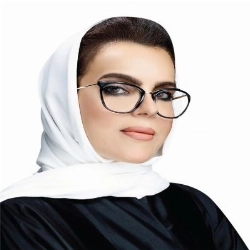
هيلة المشوح
على هذا الكوكب.. للإنسانية «دولة»!
29 يوليو 2025 - 00:10
|
آخر تحديث 29 يوليو 2025 - 00:10


تابع قناة عكاظ على الواتساب
At the time I am writing this article on the afternoon of Sunday, 27/7, the successful separation of the Syrian conjoined twins (Selin and Elin) took place at King Abdullah Specialist Children's Hospital in King Abdulaziz Medical City in Riyadh, which is affiliated with the Health Affairs of the National Guard. This operation was carried out in implementation of the directives of the Custodian of the Two Holy Mosques, King Salman bin Abdulaziz, and His Royal Highness the Crown Prince, may God protect them. It was conducted through the "Saudi Program for Conjoined Twins," which was established for purely humanitarian purposes to serve cases of conjoined twins around the world. Since the program's inception, it has evaluated 150 cases from 27 countries over 35 years and successfully separated 65 cases.
Since its establishment, the Kingdom of Saudi Arabia has adopted a firm humanitarian approach in its domestic and foreign policies, making it one of the leading countries supporting humanitarian and relief work globally, not only through aid but also by building specialized institutions with a global professional character. As crises and conflicts escalate around the world, Saudi Arabia has been and continues to be at the forefront in extending a helping hand to those in need and the afflicted, without religious, ethnic, or geographical discrimination. This demonstrates that the kingdom's strength is not limited to its economy, politics, and geographical and historical depth, but extends to the soft power represented by the humanitarian dimension in its international practices. One of the most prominent manifestations of this humanitarian commitment is the establishment of the King Salman Relief and Humanitarian Aid Center in May 2015, which represented a qualitative leap in organizing and documenting Saudi relief work. By July 2025, the center had implemented more than 3,612 humanitarian projects in 108 countries, with a total cost exceeding 8.1 billion US dollars, according to the center's latest official statistics, which included food and relief aid, rehabilitation programs for children and women, educational and medical assistance, epidemic control, and support for refugees and displaced persons.
As a global humanitarian actor, the Kingdom aims, within its plans and vision, to transform Saudi Arabia from a recipient of international praise into a global leader in institutional humanitarian work by developing its leading digital platforms for monitoring and documenting charitable work and enhancing partnerships with international organizations such as the United Nations and the Red Cross. This has significantly contributed to raising the efficiency of national cadres in the fields of relief and increasing volunteer work among the youth.
In conclusion, in a world tossed by crises, the Kingdom of Saudi Arabia remains a shining example of noble humanity that does not wait for a response nor seeks fame. Its positions do not stem from political tactics but from a firm belief that human dignity is above all considerations, and that those who do not see the "other" in humanity have yet to understand the essence of the "Saudi humanitarian message."
Since its establishment, the Kingdom of Saudi Arabia has adopted a firm humanitarian approach in its domestic and foreign policies, making it one of the leading countries supporting humanitarian and relief work globally, not only through aid but also by building specialized institutions with a global professional character. As crises and conflicts escalate around the world, Saudi Arabia has been and continues to be at the forefront in extending a helping hand to those in need and the afflicted, without religious, ethnic, or geographical discrimination. This demonstrates that the kingdom's strength is not limited to its economy, politics, and geographical and historical depth, but extends to the soft power represented by the humanitarian dimension in its international practices. One of the most prominent manifestations of this humanitarian commitment is the establishment of the King Salman Relief and Humanitarian Aid Center in May 2015, which represented a qualitative leap in organizing and documenting Saudi relief work. By July 2025, the center had implemented more than 3,612 humanitarian projects in 108 countries, with a total cost exceeding 8.1 billion US dollars, according to the center's latest official statistics, which included food and relief aid, rehabilitation programs for children and women, educational and medical assistance, epidemic control, and support for refugees and displaced persons.
As a global humanitarian actor, the Kingdom aims, within its plans and vision, to transform Saudi Arabia from a recipient of international praise into a global leader in institutional humanitarian work by developing its leading digital platforms for monitoring and documenting charitable work and enhancing partnerships with international organizations such as the United Nations and the Red Cross. This has significantly contributed to raising the efficiency of national cadres in the fields of relief and increasing volunteer work among the youth.
In conclusion, in a world tossed by crises, the Kingdom of Saudi Arabia remains a shining example of noble humanity that does not wait for a response nor seeks fame. Its positions do not stem from political tactics but from a firm belief that human dignity is above all considerations, and that those who do not see the "other" in humanity have yet to understand the essence of the "Saudi humanitarian message."