لا أعرف ما أسميه، فاخترت أن أسميه الغش الديني، رغم تناقض الكلمتين (الدين والغش)، فالدين يحرم الغش، وبالتالي نظريا لا يمكن أن يكون هناك غش ديني. لكن أن يأتي مسلم ويرشي تاجر فيز أو تاجر تهريب لكي يأخذه لمكة كي يؤدي فريضة دينية فهذا غش صريح. فالمسلم البالغ يعرف أن الحج فريضة على من استطاع إليه سبيلا، والاستطاعة إما بالقدرة المالية أو بالصحة البدنية أو توفر السبل والفرص والأمن و الأنظمة والقوانين.
أين تقع مشكلة هؤلاء الذين يسعون للحج بأي طريقة دون مراعاة الجانب الأخلاقي. يعلمون علم اليقين أن الحكومة السعودية لا مصلحة لها في منع المسلم من أداء واجبه الديني، ولا يدرك هؤلاء المسلمون أن رشوة مهربي البشر ليست مجرد أمر عابر. فهذا الشخص المرتشي يرتكب عملا إجراميا. من يعمل على تهريب حجاج لن يتردد أن يعمل على تهريب أي شيء من أجل المال.
كيف يمكن معالجة هذا الأمر المتكرر. القضية ليست في الحج فقط. ثمة مشكلة أخلاقية عامة تـأسست منذ زمن بعيد. تكرست بعد أن فصل الدعاة الشعائر الدينية عن بعدها الأخلاقي والإنساني. حطمت كثير من الفتاوى المضللة ضمائر بعض الناس حتى حلت الفتوى عندهم محل ضمائرهم وأخلاقياتهم الفطرية.
في صباح يوم جمعة الساعة العاشرة تقريبا كنت أسير في أحد شوارع تورونتو الكندية، فشاهدت محل إصلاح جوالات فتذكرت أن شاشة جوالي الاي فون مكسورة، فانتهزت الفرصة لتغييرها. سألت صاحب المحل وهو شاب أفغاني عن تكلفة تغيير الشاشة فقال: الأصلية ستكلفك سبعين دولاراً والتقليد خمسين دولاراً، تذكرت أن سعر الشاشة في متجر ابل يكلف 150 دولاراً، فسألته عن سبب هذا الفارق الكبير في السعر فقال: إن شركة ابل ومتجر ابل يرفعون الأسعار بسبب اسمهم وموقع متجرهم وطمعهم الخ. فوافقت أن يركب الأصلية ولكنه اعتذر لأنه في عجلة من أمره. يريد أن يذهب للبيت ليستعد للصلاة في المسجد. رغم محاولاتي إلا أنه أصر فأكبرت فيه إيمانه. بعد الصلاة عدت إليه وركب الشاشة. بعد أيام طويلة كنت أتجول في الحي الصيني فشاهدت متجرا لإصلاح الجوالات فتذكرت شاشة جوالي وقلقي من فرق السعر الهائل عند ذاك الأفغاني المسلم المتدين وسعر الشاشة في متجر ابل. فقررت أن أختبر حقيقة هذه الشاشة. عرضتها على الصيني. قلبها قليلا وقال هذه تقليد بخمسين دولارا، ثم قال عندي الأصلية ولكنها سوف تكلفك مئة وخمسين دولارا، ثم أردف قائلا: جوالك قديم فلا داع لاستبدال الشاشة.
الصيني، لا أعرف ما هو دينه، كان صادقا وناصحا معي، والأفغاني المسلم الحريص على الصلاة غشني. فتذكرت حالات لا حصر لها في المملكة وفي بلاد المسلمين عامة. سترى حرصا مبالغا فيه على الشعائر والطقوس مصحوبا بضعف في الجانب الأخلاقي. ليس غريبا عليكم أن يرمي أحدهم - وما أكثرهم - سيارته في أي مكان سادا الطريق ويهرع لأداء الصلاة مستهترا بحاجة الناس للمرور. ثمة انفصال كبير بين الأخلاق والشعائر عند هؤلاء الذين اسميهم (الطقوسيين). فالدين عندهم مجرد مجموعة من الطقوس تدخلهم الجنة بضمانة الدعاة. رجل سبق أن أدى فريضة الحج، ربما خمس مرات وما زال يريد أن يحج حتى عن طريق الغش والخداع والمراوغة ودفع رشوة، ثم يعود إلى دياره مهللا مكبرا يتلقى التهاني والتبريكات.

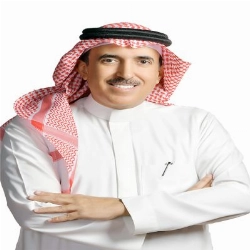
عبدالله بن بخيت
الغش الديني سبيل الطقوسيين إلى الجنة
7 يونيو 2025 - 23:56
|
آخر تحديث 7 يونيو 2025 - 23:56


تابع قناة عكاظ على الواتساب
I don't know what to call it, so I chose to name it religious cheating, despite the contradiction between the two words (religion and cheating), as religion prohibits cheating. Therefore, theoretically, there cannot be such a thing as religious cheating. However, when a Muslim bribes a visa trader or a smuggler to take him to Mecca to perform a religious duty, this is blatant cheating. An adult Muslim knows that Hajj is obligatory for those who are able to undertake it, and the ability is either through financial means, physical health, or the availability of means, opportunities, security, and laws.
Where lies the problem for those who seek to perform Hajj by any means without considering the ethical aspect? They know for certain that the Saudi government has no interest in preventing a Muslim from fulfilling his religious duty, and these Muslims do not realize that bribing human traffickers is not just a trivial matter. The person who accepts a bribe is committing a criminal act. Anyone who works to smuggle pilgrims will not hesitate to smuggle anything for money.
How can this recurring issue be addressed? The problem is not just with Hajj. There is a general ethical problem that has been established for a long time. It has been entrenched after preachers separated religious rituals from their ethical and human dimensions. Many misleading fatwas have shattered the consciences of some people to the extent that the fatwa has taken the place of their innate consciences and ethics.
On a Friday morning at around ten o'clock, I was walking in one of the streets of Toronto, Canada, when I saw a mobile phone repair shop and remembered that the screen of my iPhone was broken, so I seized the opportunity to change it. I asked the shop owner, a young Afghan, about the cost of changing the screen, and he said: The original will cost you seventy dollars, and the imitation fifty dollars. I remembered that the price of the screen at the Apple Store is 150 dollars, so I asked him about the reason for this huge price difference, and he said: Apple and the Apple Store raise prices because of their name, their store location, and their greed, etc. I agreed to have the original installed, but he apologized because he was in a hurry. He wanted to go home to prepare for prayer at the mosque. Despite my attempts, he insisted, and I admired his faith. After the prayer, I returned to him, and he installed the screen. After many days, I was wandering in Chinatown when I saw a mobile phone repair shop and remembered my phone screen and my concern about the huge price difference with that religious Afghan. I decided to test the reality of this screen. I showed it to the Chinese man. He turned it over a bit and said, "This is imitation for fifty dollars." Then he said, "I have the original, but it will cost you one hundred and fifty dollars," and then he added, "Your phone is old, so there’s no need to replace the screen."
The Chinese man, I don't know what his religion is, was honest and advising with me, while the Muslim Afghan who was keen on prayer cheated me. I recalled countless cases in the Kingdom and in Muslim countries in general. You will see an exaggerated concern for rituals and ceremonies accompanied by a weakness in the ethical aspect. It is not strange for you to see someone—of whom there are many—throwing his car anywhere, blocking the road, and rushing to perform the prayer, disregarding people's need to pass. There is a significant separation between ethics and rituals among those I call "ritualists." For them, religion is merely a set of rituals that guarantees them entry into paradise, as assured by the preachers. A man who has performed the Hajj obligation perhaps five times still wants to perform Hajj even through cheating, deception, and bribery, then returns to his home glorifying and exalting, receiving congratulations and blessings.
Where lies the problem for those who seek to perform Hajj by any means without considering the ethical aspect? They know for certain that the Saudi government has no interest in preventing a Muslim from fulfilling his religious duty, and these Muslims do not realize that bribing human traffickers is not just a trivial matter. The person who accepts a bribe is committing a criminal act. Anyone who works to smuggle pilgrims will not hesitate to smuggle anything for money.
How can this recurring issue be addressed? The problem is not just with Hajj. There is a general ethical problem that has been established for a long time. It has been entrenched after preachers separated religious rituals from their ethical and human dimensions. Many misleading fatwas have shattered the consciences of some people to the extent that the fatwa has taken the place of their innate consciences and ethics.
On a Friday morning at around ten o'clock, I was walking in one of the streets of Toronto, Canada, when I saw a mobile phone repair shop and remembered that the screen of my iPhone was broken, so I seized the opportunity to change it. I asked the shop owner, a young Afghan, about the cost of changing the screen, and he said: The original will cost you seventy dollars, and the imitation fifty dollars. I remembered that the price of the screen at the Apple Store is 150 dollars, so I asked him about the reason for this huge price difference, and he said: Apple and the Apple Store raise prices because of their name, their store location, and their greed, etc. I agreed to have the original installed, but he apologized because he was in a hurry. He wanted to go home to prepare for prayer at the mosque. Despite my attempts, he insisted, and I admired his faith. After the prayer, I returned to him, and he installed the screen. After many days, I was wandering in Chinatown when I saw a mobile phone repair shop and remembered my phone screen and my concern about the huge price difference with that religious Afghan. I decided to test the reality of this screen. I showed it to the Chinese man. He turned it over a bit and said, "This is imitation for fifty dollars." Then he said, "I have the original, but it will cost you one hundred and fifty dollars," and then he added, "Your phone is old, so there’s no need to replace the screen."
The Chinese man, I don't know what his religion is, was honest and advising with me, while the Muslim Afghan who was keen on prayer cheated me. I recalled countless cases in the Kingdom and in Muslim countries in general. You will see an exaggerated concern for rituals and ceremonies accompanied by a weakness in the ethical aspect. It is not strange for you to see someone—of whom there are many—throwing his car anywhere, blocking the road, and rushing to perform the prayer, disregarding people's need to pass. There is a significant separation between ethics and rituals among those I call "ritualists." For them, religion is merely a set of rituals that guarantees them entry into paradise, as assured by the preachers. A man who has performed the Hajj obligation perhaps five times still wants to perform Hajj even through cheating, deception, and bribery, then returns to his home glorifying and exalting, receiving congratulations and blessings.