تتسارع وتيرة التغيير، تبرز أسرٌ تحمل مشاعلَ القِيَم عبر الأجيال، لتصنع من الإرث العائلي منصةً للتطوير والتميز. ومن هذه الأسر أسرة «كامل» السعودية، التي ارتبط اسمها بالعمل الخيري والاقتصادي الملتزم بالمبادئ الإسلامية، حيث يُعتبر الشيخ عبدالله صالح كامل امتداداً لمسيرة أبيه الراحل الشيخ صالح كامل، الذي أسس إمبراطورية اقتصادية وإنسانية طبعت القرنَين الماضيين بعطائها.
وُلد الشيخ صالح بن عبدالله كامل (رحمه الله) عام 1941 في مكة المكرمة، وبدأ مسيرته برؤية تجمع بين الربح والتقوى.
أسس مجموعة «دلة البركة» عام 1969، التي أصبحت من أبرز الشركات الاستثمارية في العالم الإسلامي، مع تركيزٍ على الصيرفة الإسلامية التي كان رائداً فيها.
لم يكن عمله الاقتصادي مجرد نشاط تجاري، بل رسالة لتعزيز الاقتصاد الإسلامي القائم على العدالة والشفافية.
وفي الجانب الخيري، أسس الشيخ صالح شبكةً من المؤسسات؛ منها «وقف البركة» و«مؤسسة صالح عبدالله كامل الإنسانية»، والتي دعمت التعليم والصحة والفقراء في عشرات الدول. كما أسس قناة «اقرأ» الفضائية عام 1998 كأول قناة إسلامية تعليمية، ليكون بذلك مُلهماً لجيلٍ من رواد الإعلام الهادف.
الشيخ عبدالله صالح كامل الحاملُ لراية الإرث:
بعد رحيل الشيخ صالح كامل عام 2020، تولى ابنه الشيخ عبدالله مسؤولية قيادة المجموعة والمؤسسات الخيرية، مُحافظاً على جوهر رؤية والده، لكن مع بصمة تحديثية تعكس متطلبات العصر.
وُلد الشيخ عبدالله في بيئة تربط بين الاقتصاد والقيم، فتشرب مبادئ المسؤولية الاجتماعية منذ الصغر، ليكون جاهزاً لحمل الأمانة.
واصل الشيخ عبدالله إدارة مجموعة «دله البركة» بتوسيع استثماراتها في قطاعات السياحة الإسلامية، والتكنولوجيا المالية (فينتك)، والطاقة المتجددة، مع الحفاظ على الامتثال الشرعي.
وأطلق مشاريعَ رائدةً مثل منصات التمويل الإسلامي الرقمي، التي تجمع بين الابتكار والالتزام بأحكام الشريعة. كما عزز التعاون مع مؤسسات عالمية لتعزيز مكانة الصيرفة الإسلامية دولياً، مستفيداً من شبكة علاقات والده الواسعة.
في العمل الخيري، لم يقتصر الشيخ عبدالله على تكرار نموذج والده، بل طوَّر آليات العطاء، فدمج بين الوقف التقليدي والاستثمار الاجتماعي، عبر إنشاء صندوق «وقف البركة للاستثمارات التنموية»، الذي يُموّل مشاريعَ تعليمية وصحية تُدرّ عوائدَ لإعادة الاستثمار فيها، مما يحقق استدامةً مالية.
كما وسع نطاق عمل المؤسسة الخيرية ليشمل دعم الابتكار في المجالات الإنسانية، مثل استخدام الذكاء الاصطناعي في إدارة الكوارث.
أدرك الشيخ عبدالله أهمية الإعلام في تشكيل الوعي، فحافظ على دعم قناة «اقرأ»، لكنه طور محتواها ليتناسب مع الشباب عبر منصات رقمية، وأطلق مبادراتٍ مثل «منصة كامل للمعارف الإسلامية» التي تقدم محتوىً تفاعلياً بلغات متعددة، كما اهتم بترميم الآثار الإسلامية، امتداداً لاهتمام والده بتراث الأمة.
واجه الشيخ عبدالله تحدياتٍ كبرى في قيادة إرث ضخم، أبرزها تحقيق التوازن بين التقاليد والحداثة.
ففي وقت تسارعت فيه التحولات التكنولوجية والاقتصادية، حرص على ألا تطغى الابتكاراتُ على الهوية الإسلامية للمجموعة.
كما واجه ضغوطاً لتحويل المؤسسات الخيرية إلى كيانات ربحية، لكنه ظل متمسكاً بروح العطاء التي زرعها والده.
تمثل مسيرة الشيخ عبدالله صالح كامل نموذجاً فريداً لاستمرارية الإرث العائلي المبارك، حيث تُظهر أن الوفاء لرؤية الأب لا يعني الجمود، بل الإضافة عليها بوعي.
فكما بنى الشيخ صالح كامل مجداً اقتصادياً وإنسانياً، واصل ابنه الشيخ عبدالله البناءَ بحكمة، جاعلاً من اسم «كامل» رمزاً للجمع بين الأصالة والمعاصرة، ومُثبتاً أن الإرث الناجح ليس عبئاً، بل دافعٌ للإبداع.
وبقيادة الشيخ عبدالله صالح كامل، تحمل الأجيال القادمة مشعلَ عائلةٍ جعلت من العطاء والاقتصاد وسيلتين لتكريس القيم الإسلامية في عالمٍ متغير.
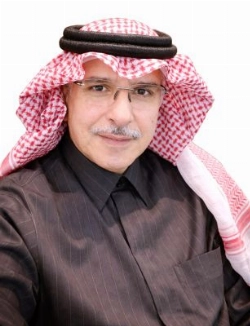
عبداللطيف آل الشيخ
عبدالله صالح كامل.. امتدادٌ لإرث أبوي مُبارك في العمل الخيري والاقتصادي
18 مايو 2025 - 00:17
|
آخر تحديث 18 مايو 2025 - 00:17


تابع قناة عكاظ على الواتساب
The pace of change is accelerating, with families carrying the torch of values across generations, creating from their family legacy a platform for development and excellence. Among these families is the Saudi "Kamel" family, whose name is associated with charitable work and an economy committed to Islamic principles. Sheikh Abdullah Saleh Kamel is considered a continuation of the legacy of his late father, Sheikh Saleh Kamel, who established an economic and humanitarian empire that has marked the past two centuries with its contributions.
Sheikh Saleh bin Abdullah Kamel (may God have mercy on him) was born in 1941 in Mecca, and he began his journey with a vision that combines profit and piety.
He founded the "Dallah Al-Barakah" group in 1969, which became one of the most prominent investment companies in the Islamic world, with a focus on Islamic banking in which he was a pioneer.
His economic work was not merely a commercial activity, but a message to promote an Islamic economy based on justice and transparency.
On the charitable side, Sheikh Saleh established a network of institutions, including the "Al-Barakah Endowment" and the "Saleh Abdullah Kamel Humanitarian Foundation," which supported education, health, and the poor in dozens of countries. He also founded the "Iqraa" satellite channel in 1998 as the first Islamic educational channel, thus inspiring a generation of purposeful media pioneers.
Sheikh Abdullah Saleh Kamel, the bearer of the legacy:
After the passing of Sheikh Saleh Kamel in 2020, his son Sheikh Abdullah took on the responsibility of leading the group and charitable institutions, preserving the essence of his father's vision, but with a modern touch that reflects the requirements of the era.
Sheikh Abdullah was born in an environment that connects economy and values, absorbing the principles of social responsibility from a young age, making him ready to carry the trust.
Sheikh Abdullah continued to manage the "Dallah Al-Barakah" group by expanding its investments in Islamic tourism, financial technology (fintech), and renewable energy, while maintaining compliance with Sharia.
He launched pioneering projects such as digital Islamic financing platforms that combine innovation and adherence to Sharia rulings. He also enhanced cooperation with global institutions to elevate the status of Islamic banking internationally, benefiting from his father's extensive network of relationships.
In charitable work, Sheikh Abdullah did not limit himself to replicating his father's model, but developed mechanisms for giving, merging traditional endowment with social investment, through the establishment of the "Al-Barakah Endowment for Development Investments," which funds educational and health projects that generate returns for reinvestment, achieving financial sustainability.
He also expanded the scope of the charitable foundation's work to include supporting innovation in humanitarian fields, such as using artificial intelligence in disaster management.
Sheikh Abdullah recognized the importance of media in shaping awareness, so he continued to support the "Iqraa" channel, but he developed its content to suit youth through digital platforms, and launched initiatives such as the "Kamel Platform for Islamic Knowledge," which offers interactive content in multiple languages. He also focused on restoring Islamic heritage sites, extending his father's interest in the nation's heritage.
Sheikh Abdullah faced major challenges in leading a massive legacy, the most prominent of which was achieving a balance between tradition and modernity.
At a time when technological and economic transformations accelerated, he was keen to ensure that innovations did not overshadow the Islamic identity of the group.
He also faced pressures to transform charitable institutions into profit-making entities, but he remained committed to the spirit of giving that his father instilled.
The journey of Sheikh Abdullah Saleh Kamel represents a unique model for the continuity of the blessed family legacy, demonstrating that loyalty to a father's vision does not mean stagnation, but rather an addition to it with awareness.
Just as Sheikh Saleh Kamel built an economic and humanitarian glory, his son Sheikh Abdullah continued to build wisely, making the name "Kamel" a symbol of combining authenticity and modernity, proving that a successful legacy is not a burden, but a motivation for creativity.
Under the leadership of Sheikh Abdullah Saleh Kamel, future generations carry the torch of a family that has made giving and economy two means of entrenching Islamic values in a changing world.
Sheikh Saleh bin Abdullah Kamel (may God have mercy on him) was born in 1941 in Mecca, and he began his journey with a vision that combines profit and piety.
He founded the "Dallah Al-Barakah" group in 1969, which became one of the most prominent investment companies in the Islamic world, with a focus on Islamic banking in which he was a pioneer.
His economic work was not merely a commercial activity, but a message to promote an Islamic economy based on justice and transparency.
On the charitable side, Sheikh Saleh established a network of institutions, including the "Al-Barakah Endowment" and the "Saleh Abdullah Kamel Humanitarian Foundation," which supported education, health, and the poor in dozens of countries. He also founded the "Iqraa" satellite channel in 1998 as the first Islamic educational channel, thus inspiring a generation of purposeful media pioneers.
Sheikh Abdullah Saleh Kamel, the bearer of the legacy:
After the passing of Sheikh Saleh Kamel in 2020, his son Sheikh Abdullah took on the responsibility of leading the group and charitable institutions, preserving the essence of his father's vision, but with a modern touch that reflects the requirements of the era.
Sheikh Abdullah was born in an environment that connects economy and values, absorbing the principles of social responsibility from a young age, making him ready to carry the trust.
Sheikh Abdullah continued to manage the "Dallah Al-Barakah" group by expanding its investments in Islamic tourism, financial technology (fintech), and renewable energy, while maintaining compliance with Sharia.
He launched pioneering projects such as digital Islamic financing platforms that combine innovation and adherence to Sharia rulings. He also enhanced cooperation with global institutions to elevate the status of Islamic banking internationally, benefiting from his father's extensive network of relationships.
In charitable work, Sheikh Abdullah did not limit himself to replicating his father's model, but developed mechanisms for giving, merging traditional endowment with social investment, through the establishment of the "Al-Barakah Endowment for Development Investments," which funds educational and health projects that generate returns for reinvestment, achieving financial sustainability.
He also expanded the scope of the charitable foundation's work to include supporting innovation in humanitarian fields, such as using artificial intelligence in disaster management.
Sheikh Abdullah recognized the importance of media in shaping awareness, so he continued to support the "Iqraa" channel, but he developed its content to suit youth through digital platforms, and launched initiatives such as the "Kamel Platform for Islamic Knowledge," which offers interactive content in multiple languages. He also focused on restoring Islamic heritage sites, extending his father's interest in the nation's heritage.
Sheikh Abdullah faced major challenges in leading a massive legacy, the most prominent of which was achieving a balance between tradition and modernity.
At a time when technological and economic transformations accelerated, he was keen to ensure that innovations did not overshadow the Islamic identity of the group.
He also faced pressures to transform charitable institutions into profit-making entities, but he remained committed to the spirit of giving that his father instilled.
The journey of Sheikh Abdullah Saleh Kamel represents a unique model for the continuity of the blessed family legacy, demonstrating that loyalty to a father's vision does not mean stagnation, but rather an addition to it with awareness.
Just as Sheikh Saleh Kamel built an economic and humanitarian glory, his son Sheikh Abdullah continued to build wisely, making the name "Kamel" a symbol of combining authenticity and modernity, proving that a successful legacy is not a burden, but a motivation for creativity.
Under the leadership of Sheikh Abdullah Saleh Kamel, future generations carry the torch of a family that has made giving and economy two means of entrenching Islamic values in a changing world.