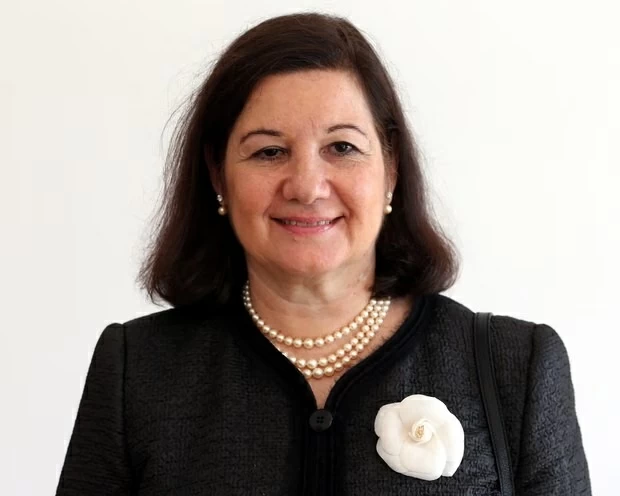
صعّدت إدارة الرئيس الأمريكي دونالد ترمب من خلافها الدبلوماسي مع البرازيل، بعدما ألغت تأشيرة سفيرة البرازيل لدى الولايات المتحدة، ماريا لويزا ريبيرو فيوتي، في خطوة قالت واشنطن إنها تأتي رداً على رفض الحكومة البرازيلية اعتماد مرشحها لمنصب السفير الأمريكي في العاصمة برازيليا.
وقالت وزارة الخارجية الأمريكية إن تأشيرة السفيرة ماريا لويزا ريبيرو فيوتي أُلغيت رداً على رفض البرازيل اعتماد مرشح ترمب لمنصب السفير في برازيليا، وكذلك قرارها الشهر الماضي رفض منح تأشيرتين لدبلوماسيين أمريكيين كانا يعتزمان زيارة البلاد قبيل الانتخابات المقررة في أكتوبر.
ولم تصل الإدارة الأمريكية إلى حد طرد السفيرة، وهي مسؤولة سابقة بارزة في الأمم المتحدة، لكنها حذرت من احتمال اتخاذ خطوات دبلوماسية إضافية إذا استمرت برازيليا في الامتناع عن اعتماد دانييل بيريز، المرشح لمنصب السفير، وهو سياسي جمهوري من ولاية فلوريدا وحليف مقرب من وزير الخارجية الأمريكي ماركو روبيو.
وقال متحدث باسم وزارة الخارجية الأمريكية إن واشنطن تواصلت مع الحكومة البرازيلية لأسابيع ومنحتها فرصاً متكررة للموافقة على التعيين، لكنها اتهمتها بالمماطلة وعدم الوضوح.
وأضاف أن تأشيرة السفيرة قد تُعاد إذا وافقت البرازيل على اعتماد بيريز، مؤكداً أن القرار يأتي في إطار المعاملة بالمثل، وأن السفيرة ستحتاج إلى التقدم بطلب جديد للحصول على تأشيرة إذا غادرت الولايات المتحدة.
وتداخلت الأزمة مع أجواء الانتخابات الرئاسية المحتدمة في البرازيل، إذ يسعى الرئيس لولا، البالغ من العمر 80 عاماً، للفوز بولاية رئاسية رابعة غير متتالية في مواجهة السيناتور فلافيو بولسونارو، نجل الرئيس السابق جايير بولسونارو والحليف السياسي المقرب من ترمب.
وسارعت الحكومة البرازيلية إلى إدانة الخطوة الأمريكية، معتبرة أنها جزء من حملة متعمدة للتأثير في الانتخابات، وقال مكتب لولا إن القرار يمثل تصعيداً جديداً للإجراءات العدائية ضد البرازيل، بدوافع أيديولوجية.
كما اتهمت برازيليا واشنطن بانتهاك الأعراف الدبلوماسية عبر الإعلان عن ترشيح بيريز قبل الحصول على موافقة الحكومة البرازيلية، مؤكدة أن دراسة الترشيح لا تزال جارية، وأنه لن يتم اتخاذ قرار قبل الجولة الأولى من الانتخابات المقررة في 4 أكتوبر.
في المقابل، تؤكد إدارة ترمب أن من حق الرئيس الأمريكي اختيار ممثليه الدبلوماسيين دون تدخل من الدول الأخرى، مشددة على رفضها أي محاولة للتأثير في الإجراءات الداخلية للولايات المتحدة.
وجاء هذا التصعيد بعد رفض البرازيل الشهر الماضي منح تأشيرات لمسؤولين أمريكيين كانوا يعتزمون زيارة برازيليا لإجراء لقاءات بشأن نزاهة الانتخابات وحرية التعبير والحرية الدينية، وهي الزيارة التي وصفتها واشنطن بأنها روتينية، بينما اعتبرتها البرازيل محاولة غير مقبولة للتأثير في العملية السياسية والتشكيك في نزاهة نظام التصويت الإلكتروني.
ويأتي الخلاف في ظل توتر متزايد بين ترمب ولولا بشأن ملفات إقليمية وتجارية عدة، من بينها فنزويلا وكوبا، إضافة إلى فرض الولايات المتحدة رسوماً جمركية تصل إلى 37.5% على آلاف الصادرات البرازيلية، وتصنيف اثنتين من أكبر منظمات تهريب المخدرات في البرازيل كمنظمات إرهابية أجنبية، وهي خطوات تعارضها حكومة لولا.
ورغم حدة التوتر، أكدت وزارة الخارجية الأمريكية أنها ما زالت تأمل في استعادة علاقات طبيعية وشفافة مع الحكومة البرازيلية خلال الفترة القادمة.
The administration of U.S. President Donald Trump escalated its diplomatic dispute with Brazil after canceling the visa of Brazil's ambassador to the United States, Maria Luiza Ribeiro Viotti, in a move that Washington said was in response to the Brazilian government's refusal to approve its nominee for the position of U.S. ambassador in the capital, Brasília.
The U.S. State Department stated that Ambassador Maria Luiza Ribeiro Viotti's visa was revoked in response to Brazil's refusal to approve Trump's nominee for the ambassador position in Brasília, as well as its decision last month to deny visas to two American diplomats who intended to visit the country ahead of the elections scheduled for October.
The U.S. administration did not go as far as expelling the ambassador, who is a prominent former official at the United Nations, but warned of the possibility of taking additional diplomatic steps if Brasília continued to withhold approval for Daniel Perez, the nominee for the ambassador position, who is a Republican politician from Florida and a close ally of U.S. Secretary of State Marco Rubio.
A spokesperson for the U.S. State Department said that Washington had been in contact with the Brazilian government for weeks and had given it repeated opportunities to approve the appointment, but accused it of stalling and lacking clarity.
He added that the ambassador's visa could be reinstated if Brazil agreed to approve Perez, emphasizing that the decision was part of a reciprocal treatment, and that the ambassador would need to apply for a new visa if she left the United States.
The crisis coincided with the heated atmosphere of the presidential elections in Brazil, as President Lula, who is 80 years old, seeks to win a fourth non-consecutive presidential term against Senator Flávio Bolsonaro, the son of former President Jair Bolsonaro and a close political ally of Trump.
The Brazilian government quickly condemned the U.S. move, considering it part of a deliberate campaign to influence the elections, and Lula's office stated that the decision represents a new escalation of hostile actions against Brazil, motivated by ideological reasons.
Brasília also accused Washington of violating diplomatic norms by announcing Perez's nomination before obtaining the approval of the Brazilian government, asserting that the review of the nomination is still ongoing and that no decision will be made before the first round of elections scheduled for October 4.
In contrast, the Trump administration asserts that the U.S. president has the right to choose his diplomatic representatives without interference from other countries, emphasizing its rejection of any attempt to influence internal U.S. procedures.
This escalation followed Brazil's refusal last month to grant visas to American officials who intended to visit Brasília for meetings regarding election integrity, freedom of expression, and religious freedom, a visit that Washington described as routine, while Brazil considered it an unacceptable attempt to influence the political process and question the integrity of the electronic voting system.
The dispute comes amid increasing tensions between Trump and Lula over various regional and trade issues, including Venezuela and Cuba, in addition to the U.S. imposing tariffs of up to 37.5% on thousands of Brazilian exports, and designating two of Brazil's largest drug trafficking organizations as foreign terrorist organizations, steps that Lula's government opposes.
Despite the heightened tensions, the U.S. State Department confirmed that it still hopes to restore normal and transparent relations with the Brazilian government in the coming period.