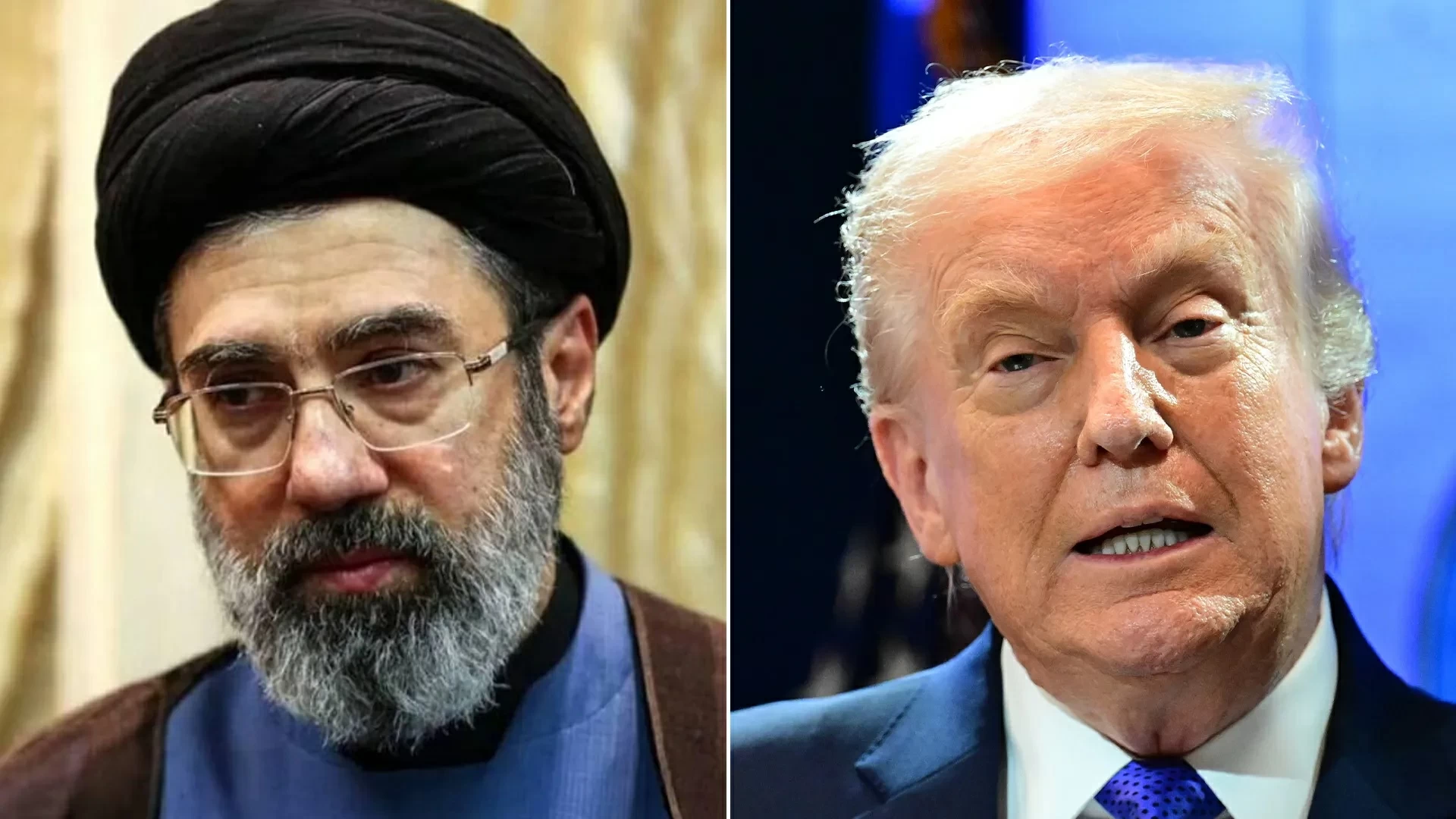
كشفت مصادر مطلعة، أن واشنطن وطهران تسلمتا خطة لإنهاء الأعمال القتالية، وتشمل اتفاقاً على مرحلتين يتضمن هدنة أولية ثم اتفاقاً نهائياً على إنهاء الحرب. وفيما أعلنت إيران تسلم المقترح، جددت رفضها لـ«الإنذارات النهائية».
الاتفاق قبل انتهاء مهلة ترمب
ونقلت وكالة «رويترز» عن المصادر قولها: «يجب الاتفاق على جميع العناصر اليوم»، أي قبل انتهاء مهلة الرئيس الأمريكي دونالد ترمب، الثلاثاء. ولفتت إلى أن التفاهم الأولي سيُصاغ في شكل مذكرة تفاهم تُستكمل نهائياً عبر باكستان، وهي قناة الاتصال الوحيدة في المحادثات.
وأفادت بأنه إذا تم الاتفاق على المقترحات، فإن الخطة ستؤدي إلى هدنة فورية، وإعادة فتح مضيق هرمز، مع التوصل لاتفاق نهائي خلال 15–20 يوماً. وأفصحت المصادر، أن مقترح الاتفاق النهائي يشمل: تخلي إيران عن السلاح النووي، تخفيف للعقوبات، والإفراج عن الأصول المجمدة.
وذكرت أن رئيس أركان الجيش الباكستاني عاصم منير أجرى اتصالات منفصلة مع نائب الرئيس الأمريكي جيه دي فانس، والمبعوث الخاص ستيف ويتكوف، ووزير الخارجية الإيراني عباس عراقجي.
إيران تؤكد تسلم المقترح
وأعلن مسؤول إيراني رفيع المستوى تسلم طهران خطة باكستان لوقف الأعمال القتالية، لكنه أكد أن بلاده «لن ترضخ للإنذارات النهائية أو الضغوط، لاتخاذ قرار». وجدد التأكيد على أن إيران «لن تفتح مضيق هرمز مقابل اتفاق مؤقت» لوقف النار، مضيفاً أن طهران ترى أن واشنطن «ليست مستعدة لوقف دائم لإطلاق النار».
وكانت أربعة مصادر أمريكية وإسرائيلية وإقليمية مطلعة، أبلغت لـ«أكسيوس»، أمس (الأحد)، أن الولايات المتحدة وإيران والوسطاء يجرون مناقشات بشأن شروط هدنة محتملة لمدة 45 يوماً قد تمهد لإنهاء دائم للحرب. واعتبرت المصادر أن فرص التوصل إلى اتفاق جزئي خلال الساعات الـ48 القادمة تبدو «ضئيلة»، إلا أن هذا المسعى الأخير يُعد «الفرصة الأخيرة» لتفادي تصعيد كبير في الحرب قد يشمل ضربات واسعة للبنية التحتية المدنية الإيرانية، ورداً انتقامياً من إيران.
تمديد المهلة 20 ساعة إضافية
وكان من المتوقع أن تنتهي مهلة العشرة أيام التي منحها الرئيس الأمريكي دونالد ترمب لإيران مساء الإثنين، إلا أنه أعلن الأحد، تمديد المهلة لمدة 20 ساعة، وحدد عبر منصة «تروث سوشيال» موعداً جديداً مساء الثلاثاء الساعة 8 بتوقيت الساحل الشرقي للولايات المتحدة.
وأفادت مصادر مطلعة على الجهود الدبلوماسية بأن المفاوضات تجرى عبر وسطاء من باكستان ومصر وتركيا، ومن خلال رسائل نصية متبادلة بين المبعوث الأمريكي ستيف ويتكوف ووزير خارجية إيران عباس عراقجي.
خطة من مرحلتين
وحسب مسؤول أمريكي فإن إدارة ترمب قدمت لإيران عدة مقترحات في الأيام الأخيرة، لكن المسؤولين الإيرانيين لم يوافقوا عليها حتى الآن.
ويناقش الوسطاء مع الأطراف شروط اتفاق على مرحلتين، تنص المرحلة الأولى على: هدنة محتملة لمدة 45 يوماً يتم خلالها التفاوض على إنهاء دائم للحرب، ويمكن تمديد الهدنة إذا دعت الحاجة لمزيد من الوقت للمحادثات، وتتضمن المرحلة الثانية، اتفاقا نهائيا لإنهاء الحرب.
ولفتت المصادر إلى أن الوسطاء يرون أن إعادة فتح مضيق هرمز بالكامل، ومعالجة قضية اليورانيوم الإيراني عالي التخصيب، سواءً بإخراجه من البلاد أو تخفيف نسبة تخصيبه، لا يمكن أن تتحقق إلا «ضمن اتفاق نهائي».
واعتبرت أن مسألتي مضيق هرمز واليورانيوم المخصب، تمثلان «أبرز أوراق التفاوض لدى إيران»، ولن توافق طهران على التخلي الكامل عنهما مقابل هدنة لمدة 45 يوماً فقط.
Informed sources revealed that Washington and Tehran have received a plan to end hostilities, which includes a two-phase agreement involving an initial ceasefire followed by a final agreement to end the war. While Iran announced it had received the proposal, it reiterated its rejection of "final warnings."
Agreement before Trump's deadline
Reuters reported that the sources stated: "All elements must be agreed upon today," meaning before the deadline set by U.S. President Donald Trump on Tuesday. They noted that the initial understanding will be formulated as a memorandum of understanding to be finalized through Pakistan, which is the only communication channel in the talks.
It was reported that if the proposals are agreed upon, the plan will lead to an immediate ceasefire and the reopening of the Strait of Hormuz, with a final agreement reached within 15–20 days. The sources disclosed that the proposal for the final agreement includes: Iran's abandonment of nuclear weapons, easing of sanctions, and the release of frozen assets.
They mentioned that the Chief of Army Staff of Pakistan, Asim Munir, had separate communications with U.S. Vice President J.D. Vance, Special Envoy Steve Witkoff, and Iranian Foreign Minister Abbas Araghchi.
Iran confirms receipt of the proposal
A senior Iranian official announced that Tehran has received Pakistan's plan to halt hostilities, but he emphasized that his country "will not succumb to final warnings or pressures to make a decision." He reiterated that Iran "will not open the Strait of Hormuz in exchange for a temporary agreement" to cease fire, adding that Tehran believes Washington "is not prepared for a permanent ceasefire."
Four informed American, Israeli, and regional sources told Axios yesterday (Sunday) that the United States, Iran, and mediators are discussing the terms of a potential 45-day ceasefire that could pave the way for a permanent end to the war. The sources considered that the chances of reaching a partial agreement within the next 48 hours seem "slim," but this latest effort is seen as "the last opportunity" to avoid a major escalation in the war that could involve extensive strikes on Iranian civilian infrastructure and retaliatory responses from Iran.
Extension of the deadline by an additional 20 hours
The ten-day deadline set by U.S. President Donald Trump for Iran was expected to expire on Monday evening; however, he announced on Sunday an extension of the deadline by 20 hours, setting a new deadline for Tuesday evening at 8 PM Eastern Time.
Informed sources on the diplomatic efforts indicated that negotiations are being conducted through intermediaries from Pakistan, Egypt, and Turkey, and through exchanged text messages between U.S. envoy Steve Witkoff and Iranian Foreign Minister Abbas Araghchi.
Two-phase plan
According to an American official, the Trump administration has presented several proposals to Iran in recent days, but Iranian officials have not yet agreed to them.
The mediators are discussing with the parties the terms of a two-phase agreement, with the first phase stipulating: a potential 45-day ceasefire during which negotiations for a permanent end to the war will take place, and the ceasefire can be extended if more time is needed for talks. The second phase includes a final agreement to end the war.
The sources pointed out that the mediators believe that the complete reopening of the Strait of Hormuz and addressing the issue of highly enriched Iranian uranium, whether by removing it from the country or reducing its enrichment level, can only be achieved "within a final agreement."
They considered that the issues of the Strait of Hormuz and enriched uranium represent "the most significant bargaining chips for Iran," and Tehran will not agree to fully relinquish them in exchange for just a 45-day ceasefire.