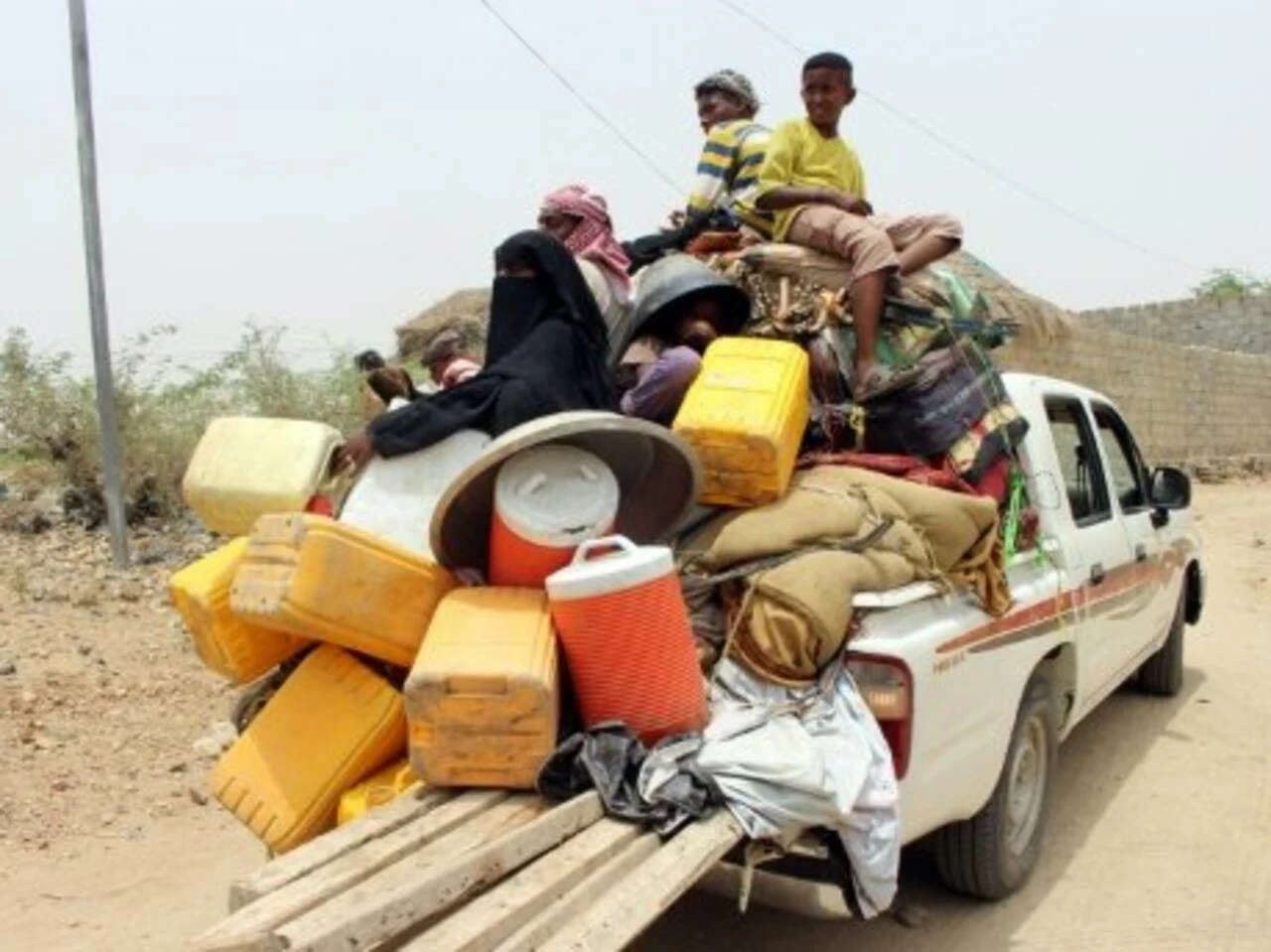
تواصل مليشيا الحوثي الإرهابية نهجها الإجرامي ضد المدنيين، إذ أجبرت هجماتها أكثر من 100 أسرة على النزوح من منازلها في منطقة دُباس شمالي مديرية حيس بمحافظة الحديدة غربي اليمن، وسط تصعيد في عمليات القصف المدفعي والصاروخي واستهداف المناطق السكنية.
وقال مسؤول الوحدة التنفيذية لإدارة مخيمات النازحين في حيس إبراهيم مشهور، إن التصعيد المتواصل شمالي المديرية تسبب في نزوح 104 أسر منذ مطلع شهر يوليو الماضي. ودعا الحكومة والمنظمات المحلية والدولية إلى التدخل العاجل لتوفير المأوى والغذاء والدواء للنازحين، خصوصاً الأطفال.
وتركّزت موجة النزوح في منطقة جبل ذو بأس، المعروفة محلياً باسم «دُباس»، والمتداخلة إدارياً بين مديريات الجراحي وجبل رأس وحيس.
وجاءت عمليات النزوح في أعقاب تكثيف الحوثيين القصف المدفعي والصاروخي والهجمات بالطائرات المسيّرة على القرى والمناطق السكنية، بالتزامن مع زراعة ألغام وعبوات ناسفة في محيطها.
وأكدت مصادر محلية أن السكان اضطروا إلى الفرار نحو المناطق الخاضعة لسيطرة الحكومة، في الوقت الذي لجأت عائلات إلى الاحتماء تحت الصخور في جبلي باب اللفج وهيجة عُبيد، وسط ظروف إنسانية صعبة ونقص في الحاجات الأساسية.
وأكد نازحون أن القصف ألحق أضراراً بالمنازل، وتسبّب في نفوق عدد من رؤوس الماشية التي تُمثّل مصدر دخل رئيسياً لعدد من الأسر. وأضاف النازحون أن انتشار الألغام والعبوات قرب منازلهم حال دون عودتهم ودفعهم إلى ترك ممتلكاتهم.
وتأتي موجة النزوح الجديدة في ظل استمرار تداعيات الصراع على المدنيين. وبحسب بيانات منظمة الهجرة الدولية الواردة في التقرير، بلغ عدد النازحين داخلياً في اليمن منذ بداية 2026 وحتى 15 أغسطس 1,988 أسرة، تضم نحو 11,928 شخصاً.
The Houthi terrorist militia continues its criminal approach against civilians, as its attacks have forced more than 100 families to flee their homes in the Dabas area, north of the Hays district in Al Hudaydah governorate in western Yemen, amid an escalation in artillery and missile shelling targeting residential areas.
Ibrahim Mashhoor, the official of the Executive Unit for the Management of Displaced Persons Camps in Hays, stated that the ongoing escalation in the northern part of the district has resulted in the displacement of 104 families since the beginning of July. He called on the government and local and international organizations for urgent intervention to provide shelter, food, and medicine for the displaced, especially children.
The wave of displacement has concentrated in the Dhul Bas Mountain area, locally known as "Dabas," which is administratively intertwined between the districts of Al-Jarahi, Jabal Ras, and Hays.
The displacement operations came in the wake of intensified Houthi artillery and missile shelling and drone attacks on villages and residential areas, coinciding with the planting of mines and explosive devices in their vicinity.
Local sources confirmed that residents were forced to flee towards areas under government control, while some families sought refuge under rocks in the Bab Al-Lafj and Hayjat Ubaid mountains, amid difficult humanitarian conditions and a shortage of basic necessities.
Displaced individuals confirmed that the shelling caused damage to homes and led to the death of several livestock, which represent a primary source of income for many families. The displaced added that the spread of mines and explosive devices near their homes has prevented their return and forced them to leave their belongings behind.
The new wave of displacement comes amid the ongoing repercussions of the conflict on civilians. According to data from the International Organization for Migration included in the report, the number of internally displaced persons in Yemen since the beginning of 2026 until August 15 has reached 1,988 families, comprising approximately 11,928 individuals.