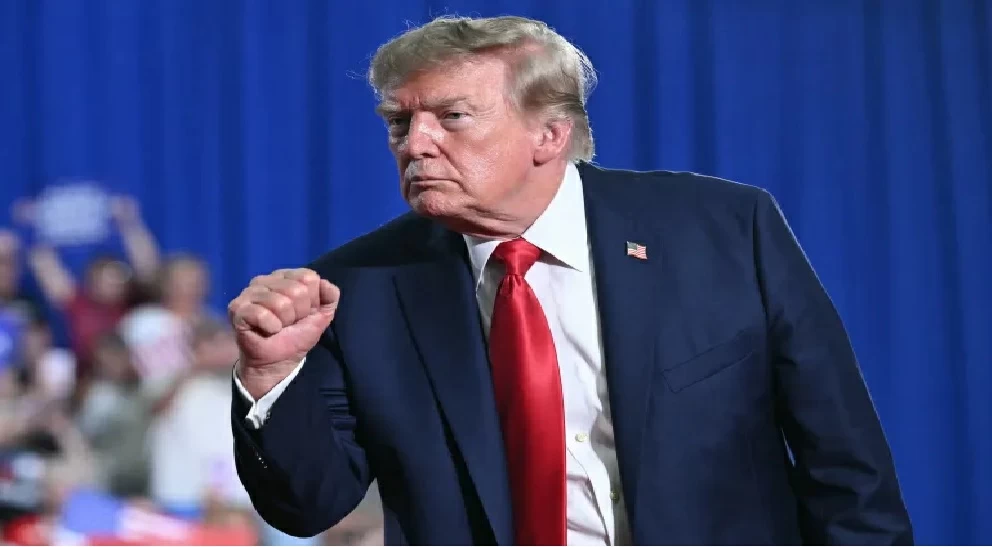
نقلت وكالة «رويترز»، اليوم (السبت)، عن مسؤول أمريكي تأكيده أن الرئيس دونالد ترمب يمتلك عدة أوراق ضغط يمكنه استخدامها بقوة ضد إيران خلال الأسابيع القادمة.
وأفاد المسؤول بأن البيت الأبيض يشهد تبايناً في الآراء بشأن الحرب مع إيران وسبل حل الأزمة. وبحسب الوكالة، فإن قادة إيران لا يملكون حالياً أي حافز يدفعهم إلى التراجع وإعادة فتح مضيق هرمز.
وفيما تتجه واشنطن إلى تشديد الخناق الاقتصادي على طهران، أكد ترمب أن الضغوط الاقتصادية لا تعني التراجع عن الخيارات العسكرية، كما اعتبر مرة أخرى أن مضيق هرمز «أرض أمريكية».
وفي طهران، زعم المتحدث باسم وزارة الخارجية الإيرانية، إسماعيل بقائي، أن الحرب الاقتصادية الأمريكية ضد طهران تنتهك القانون الدولي وميثاق الأمم المتحدة.
وأضاف بقائي، اليوم (السبت)، أن إجبار الدول أو الشركات على وقف التجارة المشروعة مع دولة ثالثة يمثل «عملاً غير مشروع دولياً»، معتبراً أن العقوبات الثانوية الأمريكية تقوض سيادة الدول الأخرى.
وحذر المسؤول الإيراني من أن هذه الإجراءات، إلى جانب الحصار البحري الأمريكي للموانئ الإيرانية، تهدد بـ«العودة إلى الاستعمار التقليدي الشامل».
وكان الرئيس الإيراني مسعود بزشكيان أكد أن بلاده خاضت مفاوضات مذكرة التفاهم «وهي في ذروة قوتها» دون التنازل عن حقوقها، مشدداً على أن إيران ستطالب بحقوقها في المفاوضات النووية.
ومن المقرر أن يعقد وزير الخزانة الأمريكي سكوت بيسنت مؤتمراً صحفياً الساعة الثانية بعد الظهر بتوقيت شرق الولايات المتحدة (1800 بتوقيت غرينتش)، الاثنين، إذ توعد بالكشف عن «أقسى عقوبات في التاريخ» على إيران، مع حث الصين في الوقت نفسه على التعاون مع واشنطن.
ومع اقتراب مرور ستة أشهر على اندلاع الحرب، لا يتبادل الطرفان حالياً إطلاق النار لكنهما لا يسعيان كذلك إلى إجراء محادثات للتوصل إلى اتفاق.
وفي الوقت نفسه، توقفت شحنات النفط عبر مضيق هرمز عملياً، حيث تتمسك طهران بنفوذ عليه من خلال التهديد بضرب أي ناقلات نفط تحاول عبور الممر المائي الضيق دون إذنها.
Reuters reported today (Saturday) that an American official confirmed President Donald Trump has several leverage points he can use forcefully against Iran in the coming weeks.
The official stated that the White House is experiencing a divergence of opinions regarding the war with Iran and ways to resolve the crisis. According to the agency, Iranian leaders currently have no incentive to retreat and reopen the Strait of Hormuz.
As Washington moves towards tightening economic pressure on Tehran, Trump affirmed that economic pressures do not mean a retreat from military options, reiterating that the Strait of Hormuz is "American territory."
In Tehran, Iranian Foreign Ministry spokesman Ismail Baqaei claimed that the American economic war against Tehran violates international law and the United Nations Charter.
Baqaei added today (Saturday) that forcing countries or companies to halt legitimate trade with a third country represents an "internationally unlawful act," considering that American secondary sanctions undermine the sovereignty of other nations.
The Iranian official warned that these measures, along with the American naval blockade of Iranian ports, threaten a "return to comprehensive traditional colonialism."
Iranian President Masoud Bezhakian confirmed that his country engaged in negotiations for the memorandum of understanding "while at the height of its power" without conceding its rights, emphasizing that Iran will demand its rights in the nuclear negotiations.
U.S. Treasury Secretary Scott Pisent is scheduled to hold a press conference at 2 PM Eastern Time (1800 GMT) on Monday, where he vowed to unveil "the harshest sanctions in history" against Iran, while simultaneously urging China to cooperate with Washington.
As six months pass since the outbreak of the war, neither side is currently exchanging fire, but they are also not seeking to engage in talks to reach an agreement.
At the same time, oil shipments through the Strait of Hormuz have practically stopped, as Tehran maintains its influence over it by threatening to strike any oil tankers attempting to cross the narrow waterway without its permission.