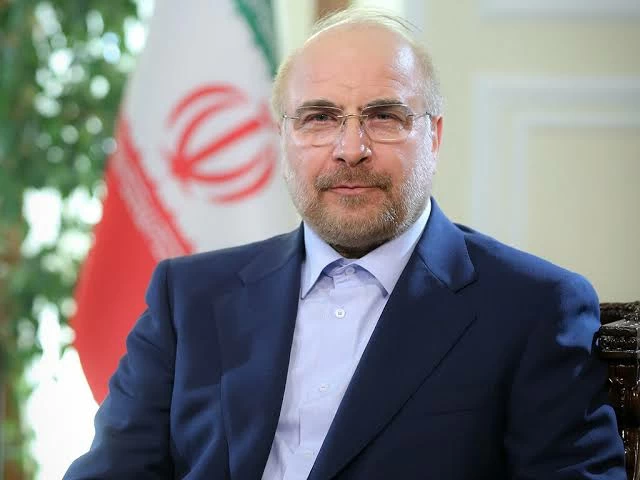
أقر رئيس البرلمان الإيراني محمد باقر قاليباف، باستمرار التواصل المباشر مع عناصر «حزب الله» على الخطوط الأمامية في لبنان، كاشفا عن انخراطه في الشأن اللبناني منذ عام 1985.
وخلال لقاء مع مثقفين إيرانيين، قال قاليباف إنه كان صديقاً مقرباً لعدد من قيادات وعناصر حزب الله البارزين، مضيفاً: «أنا أعرف فرداً فرداً من هؤلاء الشباب. وحتى هذه اللحظة أنا على تواصل مباشر مع الشباب على خط المواجهة هناك».
وحول المفاوضات مع الولايات المتحدة، أشار كبير المفاوضين إلى أن «جبهة المقاومة» أدرجت في البند الأول من مذكرة التفاهم الرسمية مع واشنطن، بهدف «إثبات سيادة لبنان ووحدة أراضيه»، وفق تعبيره.
وكان وزير الخارجية اللبناني يوسف رجي حزب الله وصف حزب الله بأنه «إيراني في الجوهر»، مشيراً إلى أنه لا يصف نفسه بالمقاومة اللبنانية بل بـ«المقاومة الإسلامية في لبنان»، وهو ما يعكس عقيدة تتجاوز الإطار الوطني.
وقال رجي في تصريحات لصحيفة «لو جورنال دو ديمانش» الفرنسية، إنه لا يمكن الفصل بين الجناحين العسكري والسياسي للحزب قبل نزع سلاحه.
من جانبه، أكد رئيس حزب القوات اللبنانية سمير جعجع، في مقابلة تليفزيوينة أن الأزمة الحالية في المنطقة لن تنتهي إلا بسقوط النظام الإيراني أو تغيير سلوكه.
واتهم طهران بأنها صدرت ثورتها وأضرت بكل دول المنطقة تقريباً على مدى 40 عاماً من الأوضاع غير الطبيعية، مشككاً في أن تنهي الولايات المتحدة الحرب دون تسوية شاملة للملف النووي الإيراني وأزمة مضيق هرمز.
وشدد جعجع على أن الحل الوحيد أمام طهران يكمن في «العودة إلى حدودها»، معتبراً أن ما تشهده المنطقة اليوم ليس أزمة عابرة، بل هو مخاض عسير سيقود إلى واقع جديد.
The Iranian Parliament Speaker Mohammad Baqer Qalibaf acknowledged the ongoing direct communication with elements of "Hezbollah" on the front lines in Lebanon, revealing his engagement in Lebanese affairs since 1985.
During a meeting with Iranian intellectuals, Qalibaf stated that he was a close friend of several prominent leaders and members of Hezbollah, adding: "I know each and every one of these young people. Even to this moment, I am in direct contact with the youth on the front line there."
Regarding negotiations with the United States, the chief negotiator pointed out that the "Resistance Front" was included in the first item of the official memorandum of understanding with Washington, aimed at "proving Lebanon's sovereignty and territorial integrity," as he expressed.
Lebanese Foreign Minister Youssef Raji described Hezbollah as "Iranian at its core," noting that it does not define itself as the Lebanese resistance but as "the Islamic resistance in Lebanon," which reflects a doctrine that transcends the national framework.
Raji stated in remarks to the French newspaper "Le Journal du Dimanche" that it is impossible to separate the military and political wings of the party before disarming it.
For his part, the leader of the Lebanese Forces Party, Samir Geagea, confirmed in a television interview that the current crisis in the region will not end except with the fall of the Iranian regime or a change in its behavior.
He accused Tehran of exporting its revolution and harming almost all countries in the region over 40 years of abnormal conditions, questioning whether the United States would end the war without a comprehensive settlement of the Iranian nuclear file and the Strait of Hormuz crisis.
Geagea emphasized that the only solution for Tehran lies in "returning to its borders," considering that what the region is experiencing today is not a passing crisis, but a difficult labor that will lead to a new reality.