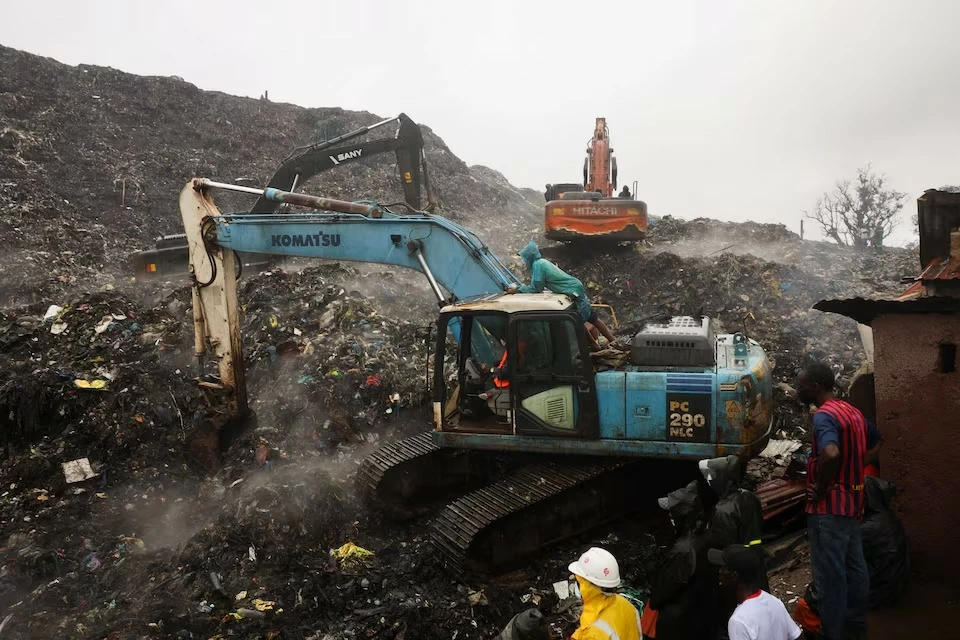
لقي 30 شخصاً مقتلهم وأصيب 22 آخرون، إثر انهيار أرضي وقع في مكب للنفايات بالعاصمة الغينية كوناكري، بعد أمطار غزيرة هطلت طوال الليل وتسببت في انهيار كتلة ضخمة من النفايات، اجتاحت خياماً وأكواخاً ومساكن قريبة.
وقالت الحكومة الغينية، إن الحادثة وقعت نحو الساعة الثانية صباح الأحد بالتوقيت المحلي في منطقة غبيسيا بالعاصمة كوناكري.
وأوضحت أن ستة من المصابين يعانون إصابات خطيرة، بينما أصيب 16 آخرون بجروح طفيفة.
انهيار ضخم يدفن مساكن
ودفعت الأمطار الغزيرة كتلة هائلة من النفايات إلى الانهيار، فيما وصف شهود حجم الانهيار بأنه كان كبيراً بما يكفي لدفن مبنى سكنياً إلى جانب عدد من المساكن العشوائية المحيطة بالمكب.
وتواصل فرق الإنقاذ عمليات البحث بين الأنقاض باستخدام الحفارات والمعدات الثقيلة، في محاولة للوصول إلى أشخاص قد يكونون ما زالوا عالقين تحت الركام.
ونقلت وسائل إعلام محلية، عن إحدى سكان المنطقة، وتدعى سيري ديالو، قولها إن أطفالها الخمسة لقوا حتفهم في الكارثة، معبرة عن حجم المأساة التي ضربت أسر المنطقة.
الكارثة وقعت قبل أيام من قرار إغلاق المكب
وتأتي المأساة بعد أقل من أسبوع من إعلان الحكومة الغينية خططاً لإغلاق الموقع ونقل النفايات إلى مكان آخر، بعدما حذرت السلطات من المخاطر التي يمثلها المكب، خصوصاً خلال موسم الأمطار.
وكانت وزيرة الإدارة الإقليمية في غينيا، دجيناب توري، قد أعلنت الخميس إغلاق المكب بسبب عدم صلاحيته للاستخدام، مؤكدة أن النفايات ستُنقل إلى موقع خارج العاصمة.
ويأتي القرار في ظل مخاطر متكررة تشهدها أجزاء من غرب أفريقيا خلال موسم الأمطار، حيث تؤدي الانهيارات الأرضية والسيول المفاجئة إلى سقوط ضحايا، لا سيما في المدن المكتظة والمناطق التي تعاني ضعف البنية التحتية.
رئيس الوزراء يتفقد موقع الكارثة
وتوجه رئيس الوزراء الغيني أمادو أوري باه إلى موقع المكب، لتقييم حجم الأضرار والإشراف على جهود الاستجابة والإنقاذ.
ودعت الحكومة السكان إلى الهدوء والتضامن مع المتضررين، وحثتهم على الالتزام بتعليمات فرق الإنقاذ والسلطات المختصة لضمان سلامتهم وتسهيل عمليات البحث والإنقاذ.
ضعف البنية التحتية تزيد المخاطر
وتعد غينيا من الدول الغنية بالموارد الطبيعية، إذ تمتلك أكبر احتياطيات معروفة من البوكسيت في العالم، فضلاً عن واحد من أغنى مكامن خام الحديد غير المستغلة في مشروع «سيماندو»، الذي انطلق مشروعه التعديني الضخم في نوفمبر الماضي.
لكن الثروة المعدنية الكبيرة تتناقض مع واقع اقتصادي واجتماعي صعب، إذ تعاني البلاد ضعف البنية التحتية وانتشار الفقر.
ووفق تقرير للبنك الدولي نُشر في أبريل، يعيش نحو 3.7 مليون شخص من أصل 15.1 مليون نسمة في غينيا على أقل من 4.20 دولار يومياً.
وتسلط كارثة مكب النفايات الضوء مجدداً على المخاطر التي تواجه سكان المناطق العشوائية والمجتمعات الفقيرة في كوناكري، حيث يمكن أن تتحول الأمطار الموسمية الغزيرة، في ظل ضعف البنية التحتية، إلى كوارث مميتة خلال ساعات قليلة.
Thirty people were killed and 22 others were injured as a result of a landslide that occurred at a waste dump in Guinea's capital, Conakry, after heavy rains fell throughout the night, causing a massive block of waste to collapse, sweeping away tents, shacks, and nearby homes.
The Guinean government stated that the incident occurred around 2 a.m. local time on Sunday in the Gbessia area of Conakry.
It was clarified that six of the injured are suffering from serious injuries, while 16 others sustained minor wounds.
Massive Collapse Buries Homes
The heavy rains caused a huge mass of waste to collapse, with witnesses describing the scale of the collapse as large enough to bury a residential building along with several surrounding informal settlements.
Rescue teams continue their search operations among the rubble using excavators and heavy machinery, in an effort to reach individuals who may still be trapped under the debris.
Local media reported that one resident of the area, named Siri Diallo, said that her five children lost their lives in the disaster, expressing the magnitude of the tragedy that has struck families in the area.
The Disaster Occurred Days Before the Decision to Close the Dump
The tragedy comes less than a week after the Guinean government announced plans to close the site and relocate the waste to another location, after authorities warned of the dangers posed by the dump, especially during the rainy season.
The Minister of Regional Administration in Guinea, Djénab Touré, announced on Thursday the closure of the dump due to its unsuitability for use, confirming that the waste would be moved to a site outside the capital.
This decision comes amid recurring risks faced by parts of West Africa during the rainy season, where landslides and flash floods lead to casualties, particularly in overcrowded cities and areas suffering from inadequate infrastructure.
Prime Minister Inspects the Disaster Site
Guinean Prime Minister Amadou Oury Bah visited the dump site to assess the extent of the damage and oversee response and rescue efforts.
The government called on residents to remain calm and to show solidarity with the affected, urging them to adhere to the instructions of rescue teams and relevant authorities to ensure their safety and facilitate search and rescue operations.
Poor Infrastructure Increases Risks
Guinea is one of the countries rich in natural resources, possessing the largest known reserves of bauxite in the world, as well as one of the richest untapped iron ore deposits in the Simandou project, which launched its massive mining project last November.
However, the great mineral wealth contrasts with a difficult economic and social reality, as the country suffers from poor infrastructure and widespread poverty.
According to a report by the World Bank published in April, around 3.7 million people out of 15.1 million in Guinea live on less than $4.20 a day.
The waste dump disaster once again highlights the risks faced by residents of informal settlements and poor communities in Conakry, where heavy seasonal rains, in the context of inadequate infrastructure, can turn into deadly disasters within a few hours.