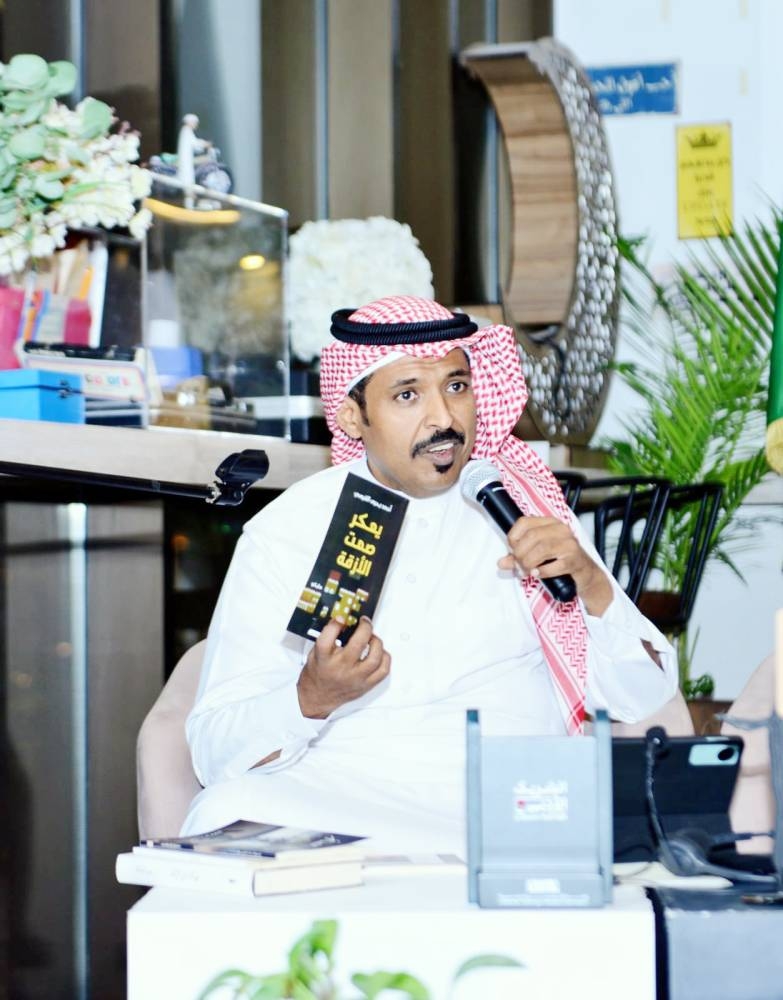
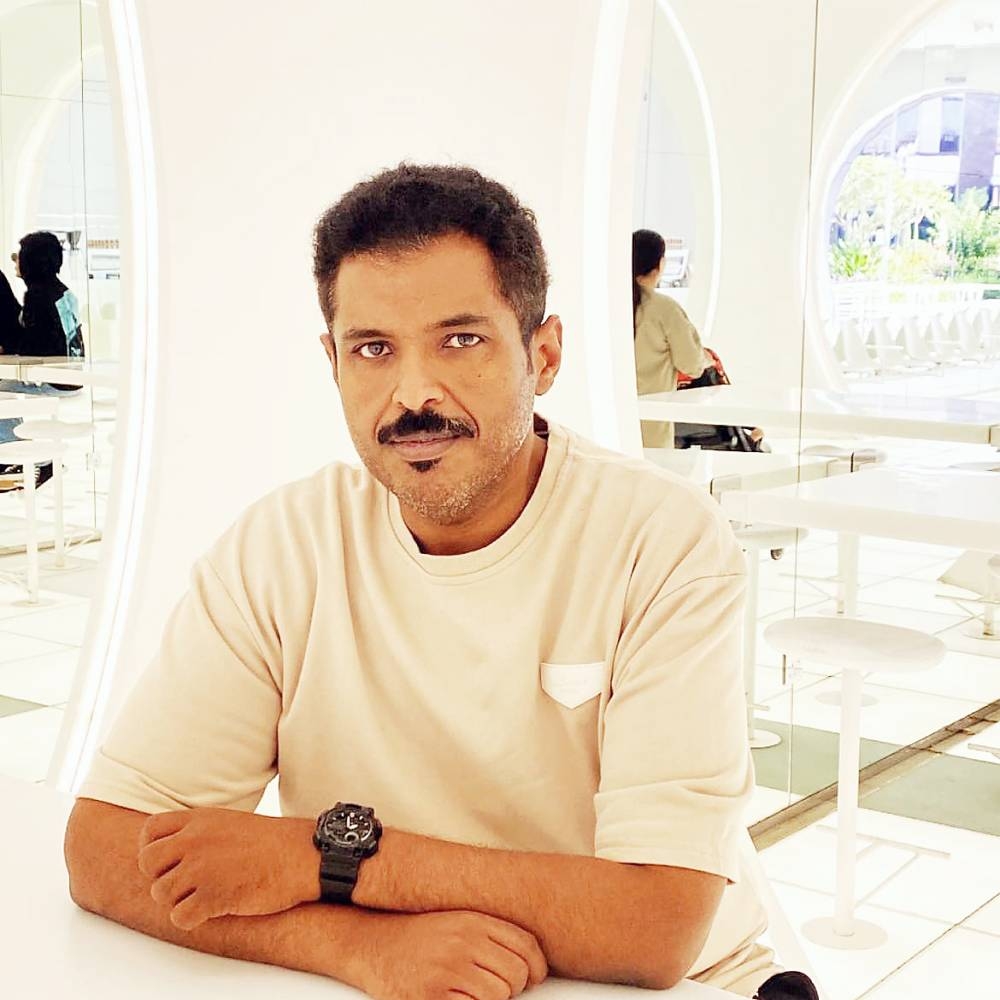

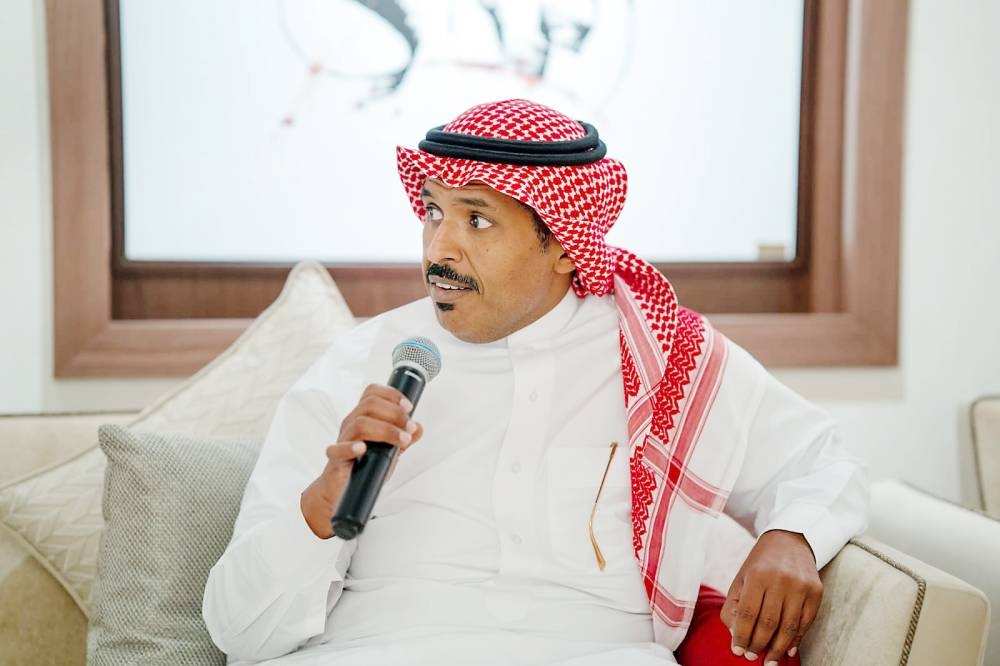
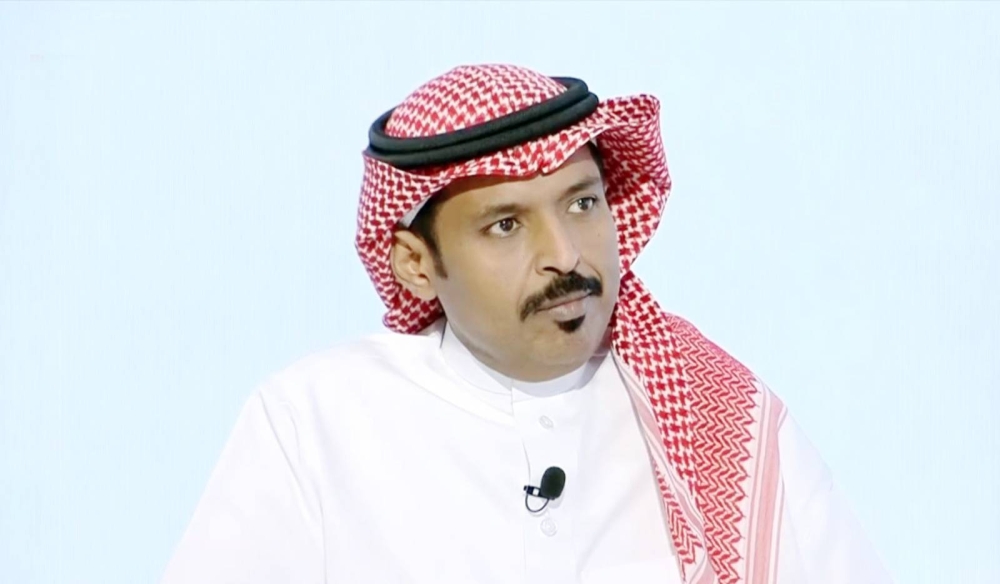
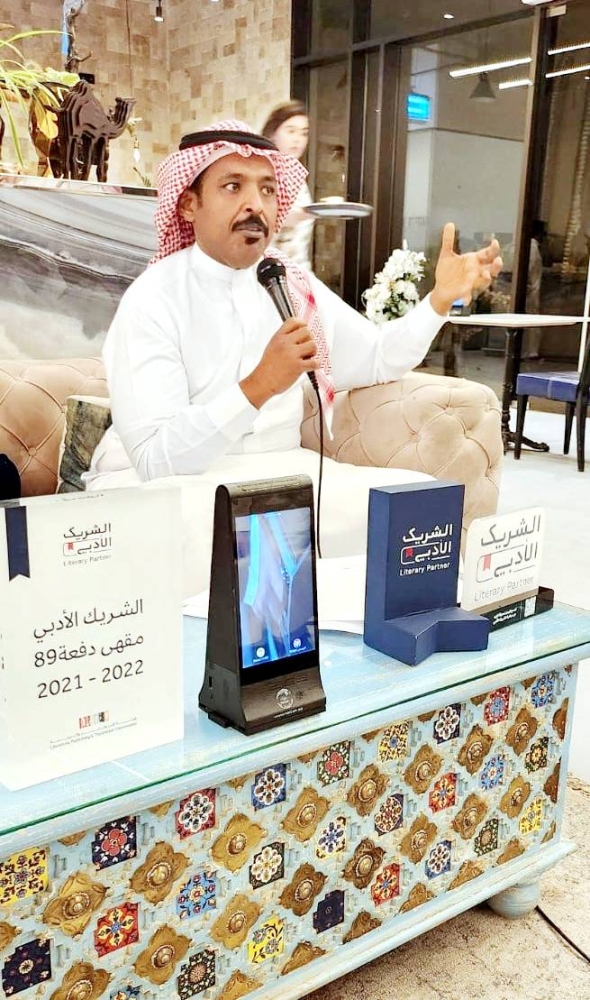
في نصّ الشاعر الدكتور أحمد بن يحيى القيسي، ما في شخصه من محبة وعطاء ووشائج تواصل، ولفت انتباه إلى ما وراء صورة الأشياء، وهو شاعر تحوّلات بوعي، رغم احتفاظه بجذوره الأولى، غير وجل من المُدن التي لم تنزع عنه رداء براءته الأولى؛ ومن يقف على إجاباته في هذا الحوار سيُدرك أن الصدق نبع التجربة الذي لا ينضب، والأدب شعور إنساني وتهذيب ذاتي، قبل أن يكون حبراً على ورق. فإلى نصّ الحوار؛
• ما هي نواة تجربتك الشعرية؟
•• الذات في تعاطيها اليومي مع الأشياء والمواقف واللحظات العابرة، ومع الما ورائيات، وأسئلة الوجود. وما إلى ذلك.
أعيش صراعاً داخلياً مع الذات، وهو الذي يرسم ملامح القصيدة التي أكتبها، فالأنا حاضرة في كل نص، ولم أتمكن من الفكاك منها، ربما يراها بعض النقاد مأخذاً، وأراها سمة، وقد تجلت أكثر ما تجلت في مجموعتي «لستُ هنا.. هل رآني أحد؟»، وهي المجموعة التي تجسدت فيها ملامح ذلك الصراع الذي أشرت إليه، حتى مع فكرة (الموت) التي لم أعثر على صورة لها غير الغياب، وإن تنوعت أسبابه.
• ماذا عن مغذيات الذائقة المبدئية؟
•• لا بد أن يكون التراث هو المغذي الأول للذائقة، وهو تسلسل طبيعي للتكوين الثقافي، ولا أظن أن أديباً لم تتفتح عيناه على نصوص التراث شعراً ونثراً، أذكر حتى هذه اللحظة شغفي بنصوص ألف ليلة وليلة وأنا في المرحلة الثانوية، وهذا الكتاب حببني في القراءة، وقادني بعد ذلك للغوص في كثير من المصنفات الكبرى.
من الشعراء الذين قرأت لهم في البدايات، وكنتُ أرى في تجربتهم امتداداً طبيعياً للشعر القديم شوقي وحافظ والبارودي.
• بمن تأثرت شعريّاً في البدايات؟
•• لا أنكر أن نزار قباني هو الاسم الألمع لكثير من شعراء جيلي في البدايات، ربما كان السبب قصائده التي توهجت بأصوات أشهر المغنين العرب.
لكن التأثير الجوهري تشكّل مع مجموعة من الشعراء من أمثال محمود درويش وسميح القاسم ومحمد الماغوط، وأمل دنقل، وغيرهم، وهم من مرحلة واحدة.
هذه الأسماء لها تأثير بَيّن في معظم التجارب الشعرية العربية التي جاءت بعدهم.
• هل كانت القصيدة العمودية ميدانك الأول؟
•• يُحمد لتجربتي أنها لم تكن محدودة، ولم تتوقف عند شكل شعري معين، ففي البداية حاكيت النموذج العربي الأول في الشعر، وهو القصيدة العمودية.
لكن لم أكن متعصباً له، فقد كنت أقرأ قصيدة التفعيلة وقصيدة النثر، وأبحث عن أرقى نماذجها، وهذا البحث مكنني من العبور إلى أشكال الشعر الأخرى، وغايتي الإبداع. وهو الأهم من وجهة نظري، فالشكل مجرد آنية، والتعصب يجعل المبدع يدور في حلقتي المحاكاة والنظم القاتلتين للإبداع.
• متى انتبهت للخط الفاصل بين الشعر والنُظم؟
•• لا يمكن أن أجزم بلحظة اكتشاف معينة، فالأمر أشبه ما يكون بالمعرفة التي تتراكم وتتنامى مع الوقت، والجميل في الأمر أن نكتشف بين حين وآخر أن ذائقتنا تتقدم وترفض نصوصاً كانت تحتفي بها في السابق، لا أنسى أنني في يوم من الأيام كنت مولعاً ببعض القصائد، واليوم عندما أستعيدها أستغرب من إعجابي السابق بها.
بحثنا المستمر عن نماذج أعلى هو الذي يجعلنا ندرك أن الشعر ليس مجرد وزن وقافية، أو زخارف بلاغية، أو معرفة بالنحو. فهذه بدهيات لدى الشاعر.
• كيف بدأت التحولات نحو التفعيلة ومن كان حادي التحولات؟
•• معظم قصائد التفعيلة التي تمر بنا ليست بعيدة عن النموذج الخليلي، سوى أنها أخلّت بالترتيب العددي المعروف للبحر الشعري، وكثير من شعراء الشطر يكتبونها، أو لهم محاولات فيها على الأقل، ولكن بعض النماذج كانت محفزة على محاكاتها، لأنها مغايرة للنموذج السابق، ليس على مستوى الشكل فحسب، بل وعلى مستوى المضامين، وأساليب التعبير، والجملة الشعرية، والصورة، وغير ذلك، خذ على سبيل المثال الشاعر أمل دنقل؛ الذي أعتبره شخصياً المُجدِّد الحقيقي للقصيدة الحديثة.
أما تجربتي الشخصية في قصيدة التفعيلة فقد بدأت بقصيدة (وتسألني)، ولم تكن كل أسطرها تفعيلة، إذ كان جزؤها الثاني عمودياً، وقد كتبتها سنة ٢٠٠٨م.
• لماذا كان خيارك الثالث قصيدة النثر؟
لم أعارض أو أعترض يوماً على شكل شعري، لإيماني العميق أن الإبداع لا يتوقف عند حدود شكل معين كما تزعم بعض الأصوات، فقصيدة النثر ليست مهرباً من الإيقاع الخارجي، أو عجزاً عنه، فهي نمط شعري مختلف لغة ومضموناً عن بقية الأشكال، لذلك صمدت، ثم هيمنت على المشهد الثقافي، وسلكت طريقها إلى مبدعيها ومتذوقيها.
وأنا أميل إليها أكثر من بقية الأنواع الشعرية، أجد في لغتها وفي تعاطيها مع الأفكار فتنة وسحراً يجذباني لقراءتها، وكذلك لكتابتها.
• كيف ترى حضور قصيدة الهايكو عربياً ومحليّاً؟
•• أظن أن قصيدة الهايكو في الأعوام الثلاثة الأخيرة بدأت تثبت حضورها في المشهد، لا أقول إن حضورها يوازي حضور التفعيلة والنثر والخليلية، ولكنه شهد قفزات، لأن المتلقي بدأ يجد النماذج الحقيقية والإبداعية لهذا النص الذي كان يقدمه أكثر ما يقدمه الجاهلون به.
في العالم العربي مبدعون تستحق تجاربهم أن يسلط الضوء عليها، ولكنهم بعيدون عن الأضواء، لذلك كان همي في بداية هذا المشروع التعريف بتلك الأسماء التي فاجأت نصوصهم القراء بما تحمله من دهشة.
حضور قصيدة الهايكو يتزايد يوماً بعد يوم، ويكفي أن يكون وجود هذا المصطلح مألوفاً في مختلف وسائل الإعلام، فهذا بحد ذاته نقلة نوعية.
• بماذا ترد على من يصف قصيدة الهايكو بقصيدة محاكاة لا جذور لها؟
•• قصور الرؤية لدى بعض المهتمين بالأدب يحرضهم على مهاجمة كل جديد قبل أن يُمنح مساحة كي يثبت فيها حضوره أو يتلاشى. والدافع لهذا الهجوم غالباً ما يكون غيرة على الأصالة.
قصيدة الهايكو عالمية، أثبتت حضورها في معظم الآداب، وكتبت بمختلف اللغات، وأعتقد أن الغيرة الحقيقية تجعلنا نضم هذا الفن إلى أدبنا لا أن نحاربه من أجل إلغائه، لكي نثبت للعالم أن لغتنا حية، وأن أدبنا منفتح على الآداب العالمية.
الأصالة لا تعني الانغلاق، ولو تمسكنا بهذه الرؤية القاصرة لأصبحنا بلا أدب، فأكثر الأجناس التي نكتبها الآن وافدة، ولم يتبق لنا من أدبنا الأصيل سوى القصيدة العمودية.
• هل أجحف نقاد وشعراء بحق قصيدة النثر والهايكو؟
•• بالتأكيد، ولكنهم بهذا الإجحاف يسيئون إلى أنفسهم، ما رأيك مثلاً فيمن تنبأ بالعمر القصير لقصيدة النثر، ألم يثبت الوقت خللاً في نظرته لهذا النوع الذي أصبح الأكثر حضوراً في المشهد، حتى على مستوى المنابر والمسابقات.
قصيدة الهايكو تشق طريقها الآن، ولها أنديتها، وكتبها، ومجلاتها، ومساحاتها، وفعالياتها، ولن يعيق طريقها في المشهد الأدبي شيء.
• ما رأيك بمن يقتحم كل فنّ جديد بدون أدواته الخاصة؟
•• ليست المعرفة بالأدوات فحسب هي التي تجعلنا نقتحم الفن الجديد، بل يجب أن نسأل أنفسنا عما سنقدمه في هذا الفن، ما الإبداع المنتظر؟
فإما أن تقدم ما يشار إليه، وإلا فالأمر سيكون مغامرة باسمك، وستكون عاقبته وخيمة على المبدع.
أما المجازفة الأكبر فهي الولوج إلى عوالم فن دون معرفة به.
• ألا تخشى من الطارئين على الهايكو؟
•• في هذا الوقت لا، لأن المتصدين لهم كثر، ولست وحدي، والخطر الأكبر على الهايكو زال، فالمشوهون لهذا النص هم أول من قدمه، ثم بعد ذلك جاءت بعض الأندية لتصحح الأخطاء التي ارتكبها السابقون بجهلهم أو بتساهلهم.
الهايكو أصبح واضحاً للكثير الآن، وما زال المجتهدون في مضماره يعملون على تقديمه بأنصع صورة.
• إلى أين ستذهب القصيدة مستقبلاً، وهل تتوقع صوراً وأجناساً جديدة في ظل حضور الرقمنة؟
•• القصيدة باقية ما بقي الإنسان، فالشعر إكسير العيش، ولا يمكن أن أتخيل مجتمعاً في عصر من العصور بلا شعر.
أما ظهور أجناس شعرية جديدة فهذا محتمل، أو على أقل تقدير تغيّر في أسلوب القصيدة، وفي لغتها، فما نكتبه الآن لن يكون ملائما لطبيعة الناس والحياة بعد 100 أو 200 عام من الآن، ولن يتداوله المهتمون إلا بصفته تراثاً.
• بين الشعري والنقدي بأيهما ترجح كفة يومياتك؟
•• الشعر أقرب ما يكون إلي، حتى في قراءاتي، أقرأ أكثر ما أقرأ بصفتي متذوقاً لا ناقداً، فالنقد يقتل متعة النص. لذلك أؤجله كثيراً أمام دهشة النصوص التي تقع ما بين يدي.
• لمن تقول شكراً من الشعراء والنقاد؟
•• لكل من كان وفيًّاً لتجربته، دون تحديد اسم، وما أكثرهم يا صديقي، ولا نختلف على الأوفياء فهم أشهر من أن نشير إليهم بأسمائهم.
• هل من شعراء يفوتهم القطار في كل مرحلة؟
•• نعم، وحتى في هذه المرحلة، ولأسباب كثيرة، بعضهم لا يطور أدواته الشعرية، فيظل يكرر نفسه حتى ينفر منه القارئ، وبعضهم يعجز عن تقديم نفسه بصورة تليق بإبداعه، وغير ذلك من الأسباب.
كتب التراث لم تحتفظ بما كتبه جميع الشعراء في العصور الماضية، فبعضهم فُقِدت نصوصه، ولم يصل منها إلا القليل، وقد يتبين لك السبب إن وصلتَ إلى أخبارهم.
وفي هذه المرحلة لم يختلف الأمر، فما أكثر المغمورين الذين لم يقدموا أنفسهم، أو لم يعملوا على نصهم ليخرج منافساً.
أكد أن أمل دنقل المُجدِّد الحقيقي للقصيدة الحديثة
أحمد القيسي: المجحف بحق «الهايكو» يسيء إلى نفسه.. وأعيش صراعاً يرسم ملامح نصوصي
20 يونيو 2025 - 06:54
|
آخر تحديث 20 يونيو 2025 - 06:54


تابع قناة عكاظ على الواتساب
حاوره: علي الرباعي Al_ARobai@
In the text of poet Dr. Ahmed bin Yahya Al-Qaisi, there is a reflection of his love, generosity, and connections, drawing attention to what lies beyond the surface of things. He is a poet of transformations with awareness, despite retaining his original roots, unafraid of the cities that have not stripped him of his initial innocence. Those who engage with his responses in this dialogue will realize that sincerity is the wellspring of experience that never runs dry, and literature is a human feeling and self-cultivation before it is ink on paper. So, here is the text of the dialogue;
• What is the core of your poetic experience?
•• The self in its daily interaction with things, situations, fleeting moments, and metaphysical questions of existence, and so on.
I live an internal struggle with the self, which shapes the features of the poem I write. The ego is present in every text, and I have not been able to escape from it. Some critics may see it as a flaw, while I see it as a characteristic, and it manifested most clearly in my collection "I Am Not Here... Did Anyone See Me?", which embodies the features of that struggle I mentioned, even with the idea of (death), for which I found no image other than absence, despite the variety of its causes.
• What about the nourishing elements of your creative taste?
•• Heritage must be the primary nourishment for taste; it is a natural sequence of cultural formation. I do not think there is a writer who has not opened their eyes to the texts of heritage, both poetry and prose. I still remember my passion for the texts of "One Thousand and One Nights" during my high school years. This book made me love reading and led me to dive into many major works afterward.
Among the poets I read in the beginning, I saw in their experience a natural extension of ancient poetry, such as Shawqi, Hafiz, and Al-Baroudi.
• Who influenced you poetically in the beginning?
•• I do not deny that Nizar Qabbani is the most prominent name for many poets of my generation in the beginning; perhaps the reason was his poems that shone with the voices of the most famous Arab singers.
However, the essential influence was formed with a group of poets like Mahmoud Darwish, Samih Al-Qasim, Muhammad Al-Maghout, and Amal Dunqul, among others, who belong to the same era.
These names have a clear impact on most of the Arabic poetic experiences that came after them.
• Was the traditional poem your first field?
•• It is commendable that my experience was not limited and did not stop at a specific poetic form. In the beginning, I emulated the first Arab model in poetry, which is the traditional poem.
But I was not fanatical about it; I read free verse and prose poetry, searching for the finest examples of them. This search enabled me to transition to other forms of poetry, with creativity being my ultimate goal. This is the most important from my perspective; form is merely a vessel, and fanaticism makes the creator revolve in the vicious circles of imitation and the deadly systems of creativity.
• When did you become aware of the dividing line between poetry and prose?
•• I cannot pinpoint a specific moment of discovery; it is more like knowledge that accumulates and grows over time. The beautiful thing is that we discover from time to time that our taste advances and rejects texts that we once celebrated. I do not forget that one day I was enamored with some poems, and today when I revisit them, I am surprised by my previous admiration for them.
Our continuous search for higher models is what makes us realize that poetry is not just meter and rhyme, or rhetorical embellishments, or knowledge of grammar. These are givens for the poet.
• How did the transformations towards free verse begin, and who was the catalyst for these transformations?
•• Most of the free verse poems that we encounter are not far from the Khalilian model, except that they disrupt the known numerical arrangement of poetic meter. Many poets of the couplet write it or at least have attempts in it. However, some models were stimulating to imitate because they differ from the previous model, not only in form but also in content, modes of expression, poetic sentence, imagery, and more. Take, for example, the poet Amal Dunqul; I personally consider him the true innovator of modern poetry.
As for my personal experience in free verse, it began with the poem "And You Ask Me," and not all of its lines were in free verse, as its second part was traditional. I wrote it in 2008.
• Why was your third choice prose poetry?
I have never opposed or objected to any poetic form, as I deeply believe that creativity does not stop at the boundaries of a specific form, as some voices claim. Prose poetry is not an escape from external rhythm or an inability to achieve it; it is a different poetic style in language and content from other forms. Therefore, it has endured and dominated the cultural scene, finding its way to its creators and enthusiasts.
I lean towards it more than other poetic types; I find in its language and its engagement with ideas a charm and magic that draw me to read it, as well as to write it.
• How do you see the presence of haiku poetry in the Arab world and locally?
•• I believe that haiku poetry has begun to establish its presence in the scene over the last three years. I do not say that its presence equals that of free verse, prose, and traditional poetry, but it has witnessed leaps, as the audience has begun to find genuine and creative examples of this text that was often presented by those who were ignorant of it.
In the Arab world, there are creators whose experiences deserve to be highlighted, but they are far from the limelight. Therefore, my concern at the beginning of this project was to introduce those names whose texts surprised readers with their sense of wonder.
The presence of haiku poetry is increasing day by day, and it is enough that this term has become familiar in various media; this, in itself, is a qualitative leap.
• What do you say to those who describe haiku poetry as an imitation without roots?
•• The limited vision of some literature enthusiasts drives them to attack everything new before it is given space to establish its presence or fade away. The motivation for this attack is often jealousy over authenticity.
Haiku poetry is universal; it has proven its presence in most literatures and has been written in various languages. I believe that true jealousy should lead us to include this art in our literature rather than fight it for its elimination, to prove to the world that our language is alive and that our literature is open to global literatures.
Authenticity does not mean closure; if we cling to this narrow view, we would end up without literature. Most of the genres we write now are imported, and we have left of our authentic literature only the traditional poem.
• Have critics and poets wronged prose poetry and haiku?
•• Certainly, but in doing so, they harm themselves. What do you think, for example, of those who predicted a short lifespan for prose poetry? Hasn't time proven a flaw in their perspective on this genre, which has become the most present in the scene, even at the level of platforms and competitions?
Haiku poetry is now carving its path, with its clubs, books, magazines, spaces, and events, and nothing will hinder its way in the literary scene.
• What do you think of those who intrude into every new art without its specific tools?
•• It is not just knowledge of the tools that allows us to intrude into new art; we must ask ourselves what we will offer in this art, what creativity is expected?
Either you present something noteworthy, or else it will be an adventure at your expense, and the consequences will be dire for the creator.
The greater risk is entering the realms of an art without knowledge of it.
• Do you not fear the intruders on haiku?
•• Not at this time, because there are many who are addressing them, and I am not alone. The greatest danger to haiku has passed; those who distorted this text were the first to present it, and then some clubs came to correct the mistakes made by the previous ones out of ignorance or negligence.
Haiku has become clear to many now, and those who are diligent in its field continue to work on presenting it in its best form.
• Where do you think poetry will go in the future, and do you expect new forms and genres in light of the digital presence?
•• Poetry will remain as long as humanity exists; poetry is the elixir of life, and I cannot imagine a society in any era without poetry.
As for the emergence of new poetic genres, this is possible, or at least a change in the style of the poem and its language. What we write now will not be suitable for the nature of people and life 100 or 200 years from now, and those interested will only regard it as heritage.
• Between the poetic and the critical, which one weighs more in your diaries?
•• Poetry is closer to me, even in my readings. I read more as a connoisseur than as a critic, as criticism kills the enjoyment of the text. Therefore, I often postpone it in the face of the astonishment of the texts that come into my hands.
• To whom do you say thank you among poets and critics?
•• To everyone who has been loyal to their experience, without naming names, and there are many, my friend. We do not differ on the loyal ones; they are too famous to be pointed out by name.
• Are there poets who miss the train at every stage?
•• Yes, even at this stage, for many reasons. Some do not develop their poetic tools, so they keep repeating themselves until the reader becomes repelled. Some fail to present themselves in a way that befits their creativity, among other reasons.
Heritage books did not preserve what all poets wrote in past eras; some of their texts were lost, and only a few have survived. You may understand the reason if you reach their news.
In this stage, the situation is no different; there are many obscure poets who have not presented themselves or have not worked on their texts to make them competitive.
• What is the core of your poetic experience?
•• The self in its daily interaction with things, situations, fleeting moments, and metaphysical questions of existence, and so on.
I live an internal struggle with the self, which shapes the features of the poem I write. The ego is present in every text, and I have not been able to escape from it. Some critics may see it as a flaw, while I see it as a characteristic, and it manifested most clearly in my collection "I Am Not Here... Did Anyone See Me?", which embodies the features of that struggle I mentioned, even with the idea of (death), for which I found no image other than absence, despite the variety of its causes.
• What about the nourishing elements of your creative taste?
•• Heritage must be the primary nourishment for taste; it is a natural sequence of cultural formation. I do not think there is a writer who has not opened their eyes to the texts of heritage, both poetry and prose. I still remember my passion for the texts of "One Thousand and One Nights" during my high school years. This book made me love reading and led me to dive into many major works afterward.
Among the poets I read in the beginning, I saw in their experience a natural extension of ancient poetry, such as Shawqi, Hafiz, and Al-Baroudi.
• Who influenced you poetically in the beginning?
•• I do not deny that Nizar Qabbani is the most prominent name for many poets of my generation in the beginning; perhaps the reason was his poems that shone with the voices of the most famous Arab singers.
However, the essential influence was formed with a group of poets like Mahmoud Darwish, Samih Al-Qasim, Muhammad Al-Maghout, and Amal Dunqul, among others, who belong to the same era.
These names have a clear impact on most of the Arabic poetic experiences that came after them.
• Was the traditional poem your first field?
•• It is commendable that my experience was not limited and did not stop at a specific poetic form. In the beginning, I emulated the first Arab model in poetry, which is the traditional poem.
But I was not fanatical about it; I read free verse and prose poetry, searching for the finest examples of them. This search enabled me to transition to other forms of poetry, with creativity being my ultimate goal. This is the most important from my perspective; form is merely a vessel, and fanaticism makes the creator revolve in the vicious circles of imitation and the deadly systems of creativity.
• When did you become aware of the dividing line between poetry and prose?
•• I cannot pinpoint a specific moment of discovery; it is more like knowledge that accumulates and grows over time. The beautiful thing is that we discover from time to time that our taste advances and rejects texts that we once celebrated. I do not forget that one day I was enamored with some poems, and today when I revisit them, I am surprised by my previous admiration for them.
Our continuous search for higher models is what makes us realize that poetry is not just meter and rhyme, or rhetorical embellishments, or knowledge of grammar. These are givens for the poet.
• How did the transformations towards free verse begin, and who was the catalyst for these transformations?
•• Most of the free verse poems that we encounter are not far from the Khalilian model, except that they disrupt the known numerical arrangement of poetic meter. Many poets of the couplet write it or at least have attempts in it. However, some models were stimulating to imitate because they differ from the previous model, not only in form but also in content, modes of expression, poetic sentence, imagery, and more. Take, for example, the poet Amal Dunqul; I personally consider him the true innovator of modern poetry.
As for my personal experience in free verse, it began with the poem "And You Ask Me," and not all of its lines were in free verse, as its second part was traditional. I wrote it in 2008.
• Why was your third choice prose poetry?
I have never opposed or objected to any poetic form, as I deeply believe that creativity does not stop at the boundaries of a specific form, as some voices claim. Prose poetry is not an escape from external rhythm or an inability to achieve it; it is a different poetic style in language and content from other forms. Therefore, it has endured and dominated the cultural scene, finding its way to its creators and enthusiasts.
I lean towards it more than other poetic types; I find in its language and its engagement with ideas a charm and magic that draw me to read it, as well as to write it.
• How do you see the presence of haiku poetry in the Arab world and locally?
•• I believe that haiku poetry has begun to establish its presence in the scene over the last three years. I do not say that its presence equals that of free verse, prose, and traditional poetry, but it has witnessed leaps, as the audience has begun to find genuine and creative examples of this text that was often presented by those who were ignorant of it.
In the Arab world, there are creators whose experiences deserve to be highlighted, but they are far from the limelight. Therefore, my concern at the beginning of this project was to introduce those names whose texts surprised readers with their sense of wonder.
The presence of haiku poetry is increasing day by day, and it is enough that this term has become familiar in various media; this, in itself, is a qualitative leap.
• What do you say to those who describe haiku poetry as an imitation without roots?
•• The limited vision of some literature enthusiasts drives them to attack everything new before it is given space to establish its presence or fade away. The motivation for this attack is often jealousy over authenticity.
Haiku poetry is universal; it has proven its presence in most literatures and has been written in various languages. I believe that true jealousy should lead us to include this art in our literature rather than fight it for its elimination, to prove to the world that our language is alive and that our literature is open to global literatures.
Authenticity does not mean closure; if we cling to this narrow view, we would end up without literature. Most of the genres we write now are imported, and we have left of our authentic literature only the traditional poem.
• Have critics and poets wronged prose poetry and haiku?
•• Certainly, but in doing so, they harm themselves. What do you think, for example, of those who predicted a short lifespan for prose poetry? Hasn't time proven a flaw in their perspective on this genre, which has become the most present in the scene, even at the level of platforms and competitions?
Haiku poetry is now carving its path, with its clubs, books, magazines, spaces, and events, and nothing will hinder its way in the literary scene.
• What do you think of those who intrude into every new art without its specific tools?
•• It is not just knowledge of the tools that allows us to intrude into new art; we must ask ourselves what we will offer in this art, what creativity is expected?
Either you present something noteworthy, or else it will be an adventure at your expense, and the consequences will be dire for the creator.
The greater risk is entering the realms of an art without knowledge of it.
• Do you not fear the intruders on haiku?
•• Not at this time, because there are many who are addressing them, and I am not alone. The greatest danger to haiku has passed; those who distorted this text were the first to present it, and then some clubs came to correct the mistakes made by the previous ones out of ignorance or negligence.
Haiku has become clear to many now, and those who are diligent in its field continue to work on presenting it in its best form.
• Where do you think poetry will go in the future, and do you expect new forms and genres in light of the digital presence?
•• Poetry will remain as long as humanity exists; poetry is the elixir of life, and I cannot imagine a society in any era without poetry.
As for the emergence of new poetic genres, this is possible, or at least a change in the style of the poem and its language. What we write now will not be suitable for the nature of people and life 100 or 200 years from now, and those interested will only regard it as heritage.
• Between the poetic and the critical, which one weighs more in your diaries?
•• Poetry is closer to me, even in my readings. I read more as a connoisseur than as a critic, as criticism kills the enjoyment of the text. Therefore, I often postpone it in the face of the astonishment of the texts that come into my hands.
• To whom do you say thank you among poets and critics?
•• To everyone who has been loyal to their experience, without naming names, and there are many, my friend. We do not differ on the loyal ones; they are too famous to be pointed out by name.
• Are there poets who miss the train at every stage?
•• Yes, even at this stage, for many reasons. Some do not develop their poetic tools, so they keep repeating themselves until the reader becomes repelled. Some fail to present themselves in a way that befits their creativity, among other reasons.
Heritage books did not preserve what all poets wrote in past eras; some of their texts were lost, and only a few have survived. You may understand the reason if you reach their news.
In this stage, the situation is no different; there are many obscure poets who have not presented themselves or have not worked on their texts to make them competitive.