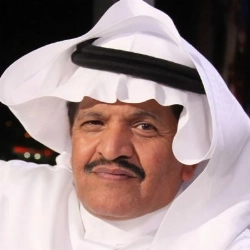
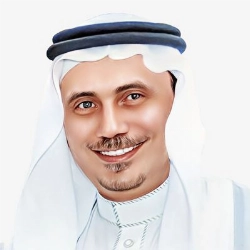
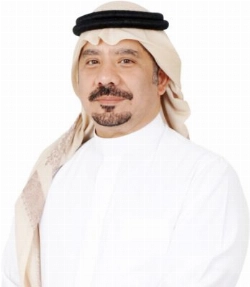
في زمن يتسابق فيه كثيرون نحو الأضواء والشهرة والمال، هناك أسماء تتوهج بهدوء وتعمل في صمت، بعيداً عن الصخب والضجيج الإعلامي، وتترك أثراً لا يُنسى، ومن بين هذه الأسماء يبرز الطبيب الفنان (هيثم محمود شاولي) شخصيةً استثنائيةً تركت بصمتها في أكثر من مجال دون أن تُغريها أضواء النجومية أو تستهويها مسارح الشهرة.
ما زال اسم «هيثم» يشكّل لغزاً بالنسبة لنا، كيف لرجل يمتلك كل هذه القدرات والموهبة أن يختار العطاء في صمت؟ وأن يجمع بين الطب والفن، والعلم والقلم، ويظل متخفياً عن الضجيج.
كلما تعمّقنا في هذه الشخصية اكتشفنا نموذجاً نادراً قلّ أن يتكرر، فهو طبيب جلدية، وباحث ساهم في اكتشاف علاج للإقلاع عن التدخين منذ 2007، تعرفنا على اكتشافه ذاك من خلال حوار أجراه معه الزميل محمد داوود في هذه الصحيفة. هو في الوقت ذاته فنان شامل يغني، يكتب الشعر، يُلحن، ويُخرج، ويوزّع الموسيقى، فهو مؤسس أول مركز سعودي تعليمي للفنون عام 2011.
ورغم انشغالاته الكثيرة إلا أنه لم يبتعد عن مجتمعه، إذ يكتب مقالات طبية واجتماعية في الصحف السعودية، وألّف كتاباً توعوياً عن التوعية الصحية للمجتمع، وأعدّ وقدم برنامجاً بعنوان «كيف الصحة»، الذي كان يهدف للتوعية الصحية والوقاية من الأمراض والمضاعفات، وقدّمه مجاناً على منصات التواصل الاجتماعي صدقةً جاريةً عن روح والده الوزير المفوّض (محمود بن عمر شاولي)، الذي كان له الدور الأكبر في بناء شخصية (هيثم) الفنية والأكاديمية، فقد زرع فيه حب الفن منذ الصغر مع الحرص على تنشئة أبنائه على القيم الإسلامية والالتزام الديني، لينشأوا فى بيئة سليمة معتدلة.
وعندما بدأ نجم (هيثم) الفني يلمع وهو لا يزال طالباً في كلية الطب بمصر، ومع خشية والده أن تسرق الأضواء ابنه عن هدفه الأكبر سأله: ما الذي تريده «الطب أم الفن»؟، فجاء الرد من ابنه: «أنا عاشق للطب، وهاوٍ للفن»، وهنا تعاهدا على أمر ليس بالسهل، وهو أن يواصل دراسته الطبية، وأن يمارس الفن هوايةً لا أكثر، ومنذ ذلك اليوم، لم يخل (هيثم) بوعده لوالده.
وبالطبع؛ غيابه الفني المتكرر جعله يبعد عن أضواء الشهرة، لكنه لم يندم أبداً، بل اختار طريقاً يرى أنه أكثر سمواً وهو طريق الخير ودعوات المرضى وابتسامات البسطاء، التي يراها أعظم من تصفيق الجماهير.
في بداية حياته العملية؛ عُيّن طبيباً في بلدة صغيرة نائية، رغم شهرته الكبيرة حينها بعد إطلاق ثلاث من أنجح أغانيه (أحلى الأشواق، بتغرب، ما تسألنيش)، كنا حينها نعتقد بأنه فنان من مصر التي تشرب فيها الطب والفن، وحين عرفنا أنه سعودي زاد إعجابنا به.
لم تكن هذه الإنجازات عابرة، فهو أول فنان سعودي وخليجي يُعتمد في لجنة الإذاعة المصرية عام 1993، وأول من استخدم تقنيات الكمبيوتر (جرافيك) والرسوم المتحركة والفيديو كليب، التي صُنّفت ضمن أفضل الأغاني المصوّرة عالمياً.
ورغم كل هذه الإنجازات، اختار (هيثم) أن يترك الأضواء جانباً، ويعمل طبيباً عامّاً في تلك البلدة الصغيرة، ويخدم أهلها البسطاء، وبعدها عاد إلى جدة ليواصل رسالته الطبية دون أن يكون لشهرته أي تأثير على بساطته وتواضعه، وعلى مدى ربع قرن، بقي- كما هو- إنساناً وطبيباً للناس.
ربما لا يزال الإعلام حائراً في فك شفرة هذه الشخصية، التي تسير عكس التيار، شخصية لا تبحث عن الألقاب، ولا تهتم بالأضواء، فكل ما يسعى إليه هيثم الشاولي هو أن يكون إنساناً نافعاً، يزرع الخير بصمت.
لقد أدرك الطبيب هيثم الشاولي المعنى الحقيقي للسعادة، وهو أن تساعد وتخدم الآخرين بصمت وتواضع من غير مقابل، وهذا ما فعله؛ وفاءً لوعدٍ قطعه على نفسه أمام والده، رحمه الله.
ختاماً..
ليست كل الأضواء برّاقة، وليست كل الشهرة دليلاً على العظمة، فكثير من العظماء يمشون بيننا في هدوءٍ، يخدمون، يعطون، ويصنعون الفرق دون أن نلاحظهم، وهذا ما يجعلهم أكثر تألقاً من الجميع، وهكذا هو الطبيب الفنان (هيثم شاولي).

«الشاولي».. فنان وطبيب اختار نور القلوب على «أضواء الشهرة»
13 أغسطس 2025 - 21:04
|
آخر تحديث 13 أغسطس 2025 - 21:04


تابع قناة عكاظ على الواتساب
علي فقندش
In an era where many rush towards fame, spotlight, and wealth, there are names that shine quietly and work in silence, away from the noise and media clamor, leaving an unforgettable mark. Among these names stands out the artist-doctor (Haitham Mahmoud Shawli), an exceptional personality who has left his imprint in more than one field without being tempted by the lights of stardom or enchanted by the stages of fame.
The name "Haitham" still remains a mystery to us. How can a man with all these abilities and talents choose to give in silence? How can he combine medicine and art, science and writing, while remaining hidden from the noise?
Every time we delve deeper into this personality, we discover a rare model that is seldom repeated. He is a dermatologist and a researcher who contributed to discovering a treatment for quitting smoking since 2007. We learned about this discovery through an interview conducted with him by colleague Mohammed Dawood in this newspaper. At the same time, he is a comprehensive artist who sings, writes poetry, composes, directs, and arranges music. He founded the first educational arts center in Saudi Arabia in 2011.
Despite his many commitments, he has not distanced himself from his community, as he writes medical and social articles in Saudi newspapers, authored an educational book on health awareness for the community, and prepared and presented a program titled "How's Health," which aimed at health awareness and disease prevention. He presented it for free on social media platforms as a continuous charity for the soul of his father, the Minister Plenipotentiary (Mahmoud bin Omar Shawli), who played the biggest role in shaping (Haitham)'s artistic and academic personality, instilling in him a love for art from a young age while ensuring that his children were raised with Islamic values and religious commitment, so they would grow up in a sound and moderate environment.
When (Haitham)'s artistic star began to shine while he was still a medical student in Egypt, and with his father's fear that the spotlight might divert his son from his greater goal, he asked him: "What do you want, medicine or art?" The response from his son was: "I am passionate about medicine and an amateur in art." Here, they made a pact that was not easy, which was for him to continue his medical studies and to practice art as a hobby, nothing more. Since that day, (Haitham) has never broken his promise to his father.
Of course, his repeated absence from the artistic scene kept him away from the lights of fame, but he has never regretted it. Instead, he chose a path he sees as more noble, which is the path of goodness and the prayers of patients and the smiles of the simple, which he considers greater than the applause of the crowds.
At the beginning of his professional life, he was appointed as a doctor in a small remote town, despite his great fame at the time after releasing three of his most successful songs ("Ahlā Al-Ashwāq," "Bitghurub," "Ma Tis'alnīsh"). At that time, we thought he was an artist from Egypt, which is a place where medicine and art intertwine, and when we learned that he was Saudi, our admiration for him increased.
These achievements were not fleeting; he was the first Saudi and Gulf artist to be recognized by the Egyptian Radio Committee in 1993, and the first to use computer graphics, animation, and music videos, which were classified among the best music videos globally.
Despite all these achievements, (Haitham) chose to set the spotlight aside and work as a general practitioner in that small town, serving its simple people. He later returned to Jeddah to continue his medical mission without allowing his fame to affect his simplicity and humility. For a quarter of a century, he remained - as he is - a person and a doctor for the people.
Perhaps the media is still puzzled by decoding this personality, which swims against the current. A personality that does not seek titles and does not care about the spotlight. All that Haitham Shawli strives for is to be a beneficial person, planting goodness in silence.
Doctor Haitham Shawli has realized the true meaning of happiness, which is to help and serve others quietly and humbly without expecting anything in return. This is what he has done, fulfilling a promise he made to himself before his father, may he rest in peace.
In conclusion..
Not all lights are bright, and not all fame is a sign of greatness. Many great people walk among us quietly, serving, giving, and making a difference without us noticing them. This is what makes them shine brighter than everyone else, and this is how the artist-doctor (Haitham Shawli) is.
The name "Haitham" still remains a mystery to us. How can a man with all these abilities and talents choose to give in silence? How can he combine medicine and art, science and writing, while remaining hidden from the noise?
Every time we delve deeper into this personality, we discover a rare model that is seldom repeated. He is a dermatologist and a researcher who contributed to discovering a treatment for quitting smoking since 2007. We learned about this discovery through an interview conducted with him by colleague Mohammed Dawood in this newspaper. At the same time, he is a comprehensive artist who sings, writes poetry, composes, directs, and arranges music. He founded the first educational arts center in Saudi Arabia in 2011.
Despite his many commitments, he has not distanced himself from his community, as he writes medical and social articles in Saudi newspapers, authored an educational book on health awareness for the community, and prepared and presented a program titled "How's Health," which aimed at health awareness and disease prevention. He presented it for free on social media platforms as a continuous charity for the soul of his father, the Minister Plenipotentiary (Mahmoud bin Omar Shawli), who played the biggest role in shaping (Haitham)'s artistic and academic personality, instilling in him a love for art from a young age while ensuring that his children were raised with Islamic values and religious commitment, so they would grow up in a sound and moderate environment.
When (Haitham)'s artistic star began to shine while he was still a medical student in Egypt, and with his father's fear that the spotlight might divert his son from his greater goal, he asked him: "What do you want, medicine or art?" The response from his son was: "I am passionate about medicine and an amateur in art." Here, they made a pact that was not easy, which was for him to continue his medical studies and to practice art as a hobby, nothing more. Since that day, (Haitham) has never broken his promise to his father.
Of course, his repeated absence from the artistic scene kept him away from the lights of fame, but he has never regretted it. Instead, he chose a path he sees as more noble, which is the path of goodness and the prayers of patients and the smiles of the simple, which he considers greater than the applause of the crowds.
At the beginning of his professional life, he was appointed as a doctor in a small remote town, despite his great fame at the time after releasing three of his most successful songs ("Ahlā Al-Ashwāq," "Bitghurub," "Ma Tis'alnīsh"). At that time, we thought he was an artist from Egypt, which is a place where medicine and art intertwine, and when we learned that he was Saudi, our admiration for him increased.
These achievements were not fleeting; he was the first Saudi and Gulf artist to be recognized by the Egyptian Radio Committee in 1993, and the first to use computer graphics, animation, and music videos, which were classified among the best music videos globally.
Despite all these achievements, (Haitham) chose to set the spotlight aside and work as a general practitioner in that small town, serving its simple people. He later returned to Jeddah to continue his medical mission without allowing his fame to affect his simplicity and humility. For a quarter of a century, he remained - as he is - a person and a doctor for the people.
Perhaps the media is still puzzled by decoding this personality, which swims against the current. A personality that does not seek titles and does not care about the spotlight. All that Haitham Shawli strives for is to be a beneficial person, planting goodness in silence.
Doctor Haitham Shawli has realized the true meaning of happiness, which is to help and serve others quietly and humbly without expecting anything in return. This is what he has done, fulfilling a promise he made to himself before his father, may he rest in peace.
In conclusion..
Not all lights are bright, and not all fame is a sign of greatness. Many great people walk among us quietly, serving, giving, and making a difference without us noticing them. This is what makes them shine brighter than everyone else, and this is how the artist-doctor (Haitham Shawli) is.