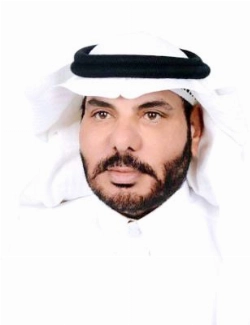
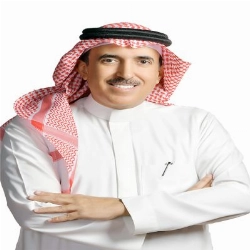
في كل مسيرة مهنية هناك محطات فارقة، أشخاص وتجارب تشكل وعي الإنسان، وتعيد صياغة علاقته مع المعرفة، والهوية، والتاريخ. واحدة من هذه المحطات الفريدة في حياتي كانت عملي المباشر مع البروفيسور سعد الصويان في تأسيس وحدة الذاكرة السعودية بمركز الملك فيصل للبحوث والدراسات الإسلامية. كانت تجربة جمعت بين العمل التقني والتوثيقي من جهة، والتعلم العميق من مفكر سعودي فذ من جهة أخرى.
اختيار لا أنساه: حين وضع ثقته بي
أفتخر كثيرًا بأنني، نايف آل نمرة، الاسم الذي اختاره البروفيسور سعد الصويان بترشيح كريم من صاحبة السمو الملكي الأميرة مها بنت محمد الفيصل «نائب الأمين العام آنذاك والأمين العام للمركز حالياً» وسعادة الدكتور عبدالله المنيف المشرف العام على المكتبات والمعلومات للمركز آنذاك للعمل معه لإدارة هذا المشروع الوطني الطموح.
لم يكن اختياري مجرّد ترشيح وظيفي، بل كان تجربة اختبار حقيقية لقدرتي على تحمّل المسؤولية، والصبر على الضغوط، والالتزام بمعايير علمية دقيقة بعد أن وضع عدة شروط للعمل معه، أذكر منها أن يكون شاباً نشيطاً وباحثاً لا يقل عن درجة الماجستير، وأن يكون شاعرًا، وأيضاً أن يكون بدوي الأصل لمعرفة اللهجات والعادات والتقاليد، وكل منها لها معانٍ عميقة بالنسبة له أدركت عمقها لاحقًا.
فمنذ اليوم الأول، شعرت أنني أمام تحدٍ حقيقي. التحدي لم يكن فقط في حجم العمل، بل في حجم الثقة التي منحني إياها هذا الرجل الذي لا يرضى بأقل من الإتقان. كانت التجربة غنية، وشاقة، وملهمة في آنٍ معًا. تحملت ضغوطًا متراكمة، سواء على مستوى الأداء أو التوثيق أو التفاعل مع مادة حساسة كالذاكرة الشفهية. ومع كل مرحلة، كنت أشعر أنني لا أقدم عملاً إداريًا أو تقنيًا فحسب، بل أشارك في كتابة جزء من التاريخ الثقافي الوطني.
البروفيسور سعد الصويان: عقلية أنثروبولوجية فريدة تجاوزت محيطها
البروفيسور سعد الصويان ليس مجرد باحث في التراث أو الأنثروبولوجيا، بل هو عقل ناقد، يمتلك رؤية حادة تجاه التاريخ الشفهي، ويتعامل معه كمنجم معرفي لا يقل أهمية عن الوثائق المكتوبة.
ولعل من أصدق الشهادات على مكانته الثقافية والعلمية فوزه المستحق بجائزة شخصية العام الثقافية ضمن مبادرة الجوائز الثقافية الوطنية في دورتها الرابعة لعام 1446هـ/2024م، تقديراً لإسهاماته البحثية في توثيق تراث شبه الجزيرة العربية، وهي جائزة تُمنح لقامات أثرت المشهد الثقافي السعودي بشكل نوعي. جاء هذا التكريم تتويجًا لمسيرة حافلة بالبحث الميداني، والتأليف، والجهود المتواصلة لحفظ الذاكرة الجمعية السعودية. وقد زادني هذا التقدير احترامًا لقيمة ما كنا نعمل عليه معه، وإدراكًا أعمق لجدية المشروع الذي كنا جزءًا من، وأيضاً جائزة الشيخ زايد للكتاب عام 2014 عن كتابه «ملحمة التطور البشري»، وجائزة أمين مدني للبحث في تاريخ الجزيرة العربية عام 2017 بالمناصفةً.
التسجيلات الشفهية: ما بين الصوت والذاكرة
كنا نعمل على جمع التسجيلات الشفهية، وتفريغها، وتحويلها إلى صيغ رقمية (MP3)، لتكون جزءًا من أرشيف حيّ لذاكرة الوطن. بدا الأمر في البداية معه كعمل تقني بحت: مقابلات، تسجيلات، تفريغ، وتنسيق. لكن ما لبث أن تحول هذا العمل إلى رحلة اكتشاف ثقافي واجتماعي، بفضل إشراف وتوجيه الدكتور سعد الصويان.
كان يحثني دومًا على الاستماع العميق، لا مجرد التفريغ الحرفي. أن نفهم السياق، النغمة، الدلالة الثقافية، ما وراء الكلمات. كان يردد: «الرواية الشفهية ليست نصًا فقط، بل مشهد اجتماعي، ونفسٌ ثقافي، ولا يمكن تفريغها دون وعي بذلك».
من التفريغ إلى الفهم: التعلم من الحكايات
خلال تفريغ المقابلات، وجدت نفسي أمام شخصيات تنتمي إلى عوالم متعددة داخل الوطن الواحد: بدو، حضر، زراع، تجار، شيوخ... كلٌ يروي ذاكرته، رؤيته، تأريخه الخاص. بدأت أتعامل مع كل مقابلة كقطعة فسيفساء في لوحة وطنية كبيرة.
تعلمت منه أن:
• كل قصة تستحق أن تُروى، حتى تلك التي تبدو بسيطة.
• الرواة ليسوا «مصادر»، بل شركاء في صنع التاريخ.
• علينا أن نتعامل مع اللهجة، والمفردات، والعادات داخل النص، لا أن نقوم بتهذيبها أو تسييسها.
• تحويل الصوت إلى نص لا يعني اختزال التجربة، بل يتطلب حسًا لغويًا وثقافيًا عاليًا لفهم النبرة والدلالة.
التقنية في خدمة الهوية
من المهام التي كنت مسؤولًا عنها أيضًا: تحويل التسجيلات إلى صيغة MP3، وفهرستها بطريقة تسهل أرشفتها وإتاحتها للباحثين مستقبلاً. ورغم أن هذا العمل بدا تقنيًا، إلا أنه حمل بعدًا رمزيًا عميقًا.
فكل ملف MP3 كنا ننتجه، لم يكن مجرد «صوت»، بل ذاكرة محفوظة من الضياع. وكل عملية تسمية وتنظيم للأرشيف كانت بالنسبة للدكتور الصويان خطوة نحو بناء هوية معرفية للوطن. علمنا أن التقنية ليست بديلاً عن الفكر، لكنها أداة عظيمة إذا ما وُظفت لخدمة مشروع وطني حقيقي.
التواضع العلمي والصرامة البحثية
من السمات التي أثّرت بي بعمق في شخصية البروفيسور سعد الصويان، هي الجمع بين التواضع العلمي والصرامة البحثية. لم يكن يقبل بتقديم عمل ناقص، أو تدوين معلومة غير مدققة، لكنه في الوقت ذاته كان يشجعنا على المبادرة والتجريب وكانت جملته الشهيرة لي «شمر يديك يا بن نمره».
كان يراجع النصوص بنفسه، ويطرح الأسئلة الدقيقة، دون أن يفرض وصايته الفكرية، بل كان يسعى إلى فتح الأفق لاكتشاف أبعاد جديدة في النصوص والروايات.
ما بقي معي بعد التجربة
انتهى المشروع، لكن ما تعلمته بقي حيًا في داخلي:
• أهمية الإصغاء للتاريخ، لا قراءته فقط.
• أن الرواية الشفهية ليست «بديلة» عن التاريخ الرسمي، بل مكمّلة ومصحّحة له أحيانًا.
• أن الُهوية لا تُصنع من فوق، بل تُبنى من قصص المجتمع المحلي.
• أن التوثيق مسؤولية، تتطلب النزاهة والدقة والاحترام.
• أن الثقة التي تُمنح لك من شخصية بحجم الدكتور الصويان ليست مجاملة، بل اختبارًا حقيقيًا لمسارك المهني والفكري.
خاتمة
العمل مع البروفيسور سعد الصويان لم يكن مجرد تجربة مهنية، بل كان تكوينًا فكريًا وإنسانيًا تعلمت من خلاله كيف أُصغي، وأوثّق، وأفهم، وأسأل، وأسجّل، وأبحث بالميدان، لا من أجل الأرشفة فقط، بل من أجل الحفاظ على ذاكرة وطن بأكمله.
وكل مرة أفتح فيها أحد الملفات التي عملنا عليها، أسمع أكثر من صوت: صوت الراوي، وصوت التاريخ، وصوت الدكتور الصويان، وصوت داخلي آخر يقول: لقد اجتزت التحدي يا نايف، وكنت على قدر الثقة.
وفي الختام، هذا أقل واجب ممكن أن أقدمه لشخصية تستحق الشكر والثناء، ولا يسعني إلا أن أرفع أكفّ الدعاء بأن يمنّ الله على أستاذنا الجليل البروفيسور سعد الصويان بالشفاء العاجل، وأن يمتّعه بالصحة والعافية، ويجزيه عن الوطن والعلم والثقافة خير الجزاء.

نايف آل نمرة
ما تعلمته خلال عملي من البروفيسور سعد الصويان في علم اَلْأَنْثْرُوبُولُوجِيَا
3 سبتمبر 2025 - 12:21
|
آخر تحديث 3 سبتمبر 2025 - 16:49


تابع قناة عكاظ على الواتساب
In every professional journey, there are pivotal moments, people, and experiences that shape a person's consciousness and redefine their relationship with knowledge, identity, and history. One of these unique milestones in my life was my direct work with Professor Saad Al-Suwaiyan in establishing the Saudi Memory Unit at the King Faisal Center for Research and Islamic Studies. It was an experience that combined technical and documentary work on one hand, and deep learning from an exceptional Saudi thinker on the other.
A Choice I Will Never Forget: When He Placed His Trust in Me
I take great pride in being Naif Al-Nimrah, the name chosen by Professor Saad Al-Suwaiyan upon the kind recommendation of Her Royal Highness Princess Maha bint Mohammed Al-Faisal "then Deputy Secretary-General and currently Secretary-General of the Center" and His Excellency Dr. Abdullah Al-Munif, the General Supervisor of Libraries and Information at the Center at that time, to work with him in managing this ambitious national project.
My selection was not merely a job nomination; it was a real test of my ability to bear responsibility, endure pressure, and adhere to precise scientific standards after he set several conditions for working with him. I remember that I had to be an active young researcher with at least a master's degree, a poet, and also of Bedouin origin to understand dialects, customs, and traditions, each of which held deep meanings for him that I later came to understand.
From the very first day, I felt I was facing a real challenge. The challenge was not only in the volume of work but also in the level of trust this man, who demands nothing less than perfection, placed in me. The experience was rich, arduous, and inspiring all at once. I endured accumulated pressures, whether in terms of performance, documentation, or interacting with sensitive material like oral memory. With each phase, I felt that I was not just performing administrative or technical work, but participating in writing a part of the national cultural history.
Professor Saad Al-Suwaiyan: A Unique Anthropological Mind That Transcended Its Surroundings
Professor Saad Al-Suwaiyan is not just a researcher in heritage or anthropology; he is a critical mind with a sharp vision regarding oral history, treating it as a knowledge mine no less important than written documents.
Perhaps one of the most genuine testimonies to his cultural and scientific stature is his well-deserved win of the Cultural Personality of the Year award within the National Cultural Awards initiative in its fourth cycle for the year 1446 AH/2024 AD, in recognition of his research contributions to documenting the heritage of the Arabian Peninsula. This award is given to prominent figures who have significantly influenced the Saudi cultural scene. This honor came as a culmination of a journey rich in field research, authorship, and continuous efforts to preserve the Saudi collective memory. This recognition deepened my respect for the value of what we were working on with him and provided a deeper understanding of the seriousness of the project we were part of, as well as the Sheikh Zayed Book Award in 2014 for his book "The Epic of Human Evolution," and the Amin Madani Award for Research in the History of the Arabian Peninsula in 2017, which he shared.
Oral Recordings: Between Voice and Memory
We were working on collecting oral recordings, transcribing them, and converting them into digital formats (MP3) to be part of a living archive of the nation's memory. Initially, this seemed like purely technical work: interviews, recordings, transcriptions, and formatting. However, this work soon transformed into a journey of cultural and social discovery, thanks to the supervision and guidance of Dr. Saad Al-Suwaiyan.
He always encouraged me to listen deeply, not just to transcribe literally. To understand the context, tone, cultural significance, and what lies beyond the words. He would repeat: "The oral narrative is not just a text; it is a social scene and a cultural psyche, and it cannot be transcribed without awareness of that."
From Transcription to Understanding: Learning from Stories
While transcribing the interviews, I found myself in front of characters belonging to multiple worlds within one nation: Bedouins, urban dwellers, farmers, traders, sheikhs... each narrating their memory, vision, and personal history. I began to treat each interview as a piece of mosaic in a large national tapestry.
I learned from him that:
• Every story deserves to be told, even those that seem simple.
• The narrators are not "sources," but partners in making history.
• We must engage with the dialect, vocabulary, and customs within the text, rather than refining or politicizing them.
• Converting voice to text does not mean reducing the experience; it requires a high linguistic and cultural sensitivity to understand tone and significance.
Technology in Service of Identity
Among the tasks I was also responsible for was converting the recordings to MP3 format and indexing them in a way that facilitates archiving and making them available to researchers in the future. Although this work seemed technical, it carried a profound symbolic dimension.
Every MP3 file we produced was not just "sound," but a memory preserved from loss. Each naming and organizing process of the archive was, for Dr. Al-Suwaiyan, a step towards building a cognitive identity for the nation. He taught us that technology is not a substitute for thought, but a great tool when employed to serve a true national project.
Scientific Humility and Research Rigor
One of the traits that deeply influenced me in Professor Saad Al-Suwaiyan's personality is the combination of scientific humility and research rigor. He would not accept presenting incomplete work or recording unverified information, yet at the same time, he encouraged us to take initiative and experiment, and his famous phrase to me was "Roll up your sleeves, O Ibn Nimrah."
He would review the texts himself and ask precise questions, without imposing his intellectual guardianship, but rather seeking to open horizons for discovering new dimensions in the texts and narratives.
What Remains with Me After the Experience
The project has ended, but what I learned remains alive within me:
• The importance of listening to history, not just reading it.
• That oral narrative is not a "substitute" for official history, but sometimes complements and corrects it.
• That identity is not made from above, but built from the stories of the local community.
• That documentation is a responsibility that requires integrity, accuracy, and respect.
• That the trust granted to you by a figure like Dr. Al-Suwaiyan is not a courtesy, but a real test of your professional and intellectual path.
Conclusion
Working with Professor Saad Al-Suwaiyan was not just a professional experience, but an intellectual and human formation through which I learned how to listen, document, understand, ask, record, and research in the field, not just for archiving, but to preserve the memory of an entire nation.
Every time I open one of the files we worked on, I hear more than one voice: the voice of the narrator, the voice of history, the voice of Dr. Al-Suwaiyan, and another inner voice saying: You have passed the challenge, Naif, and you were worthy of the trust.
In conclusion, this is the least I can offer to a personality deserving of thanks and praise, and I can only raise my hands in prayer that God grants our esteemed professor Saad Al-Suwaiyan a speedy recovery, and blesses him with health and wellness, and rewards him for his contributions to the nation, knowledge, and culture.
A Choice I Will Never Forget: When He Placed His Trust in Me
I take great pride in being Naif Al-Nimrah, the name chosen by Professor Saad Al-Suwaiyan upon the kind recommendation of Her Royal Highness Princess Maha bint Mohammed Al-Faisal "then Deputy Secretary-General and currently Secretary-General of the Center" and His Excellency Dr. Abdullah Al-Munif, the General Supervisor of Libraries and Information at the Center at that time, to work with him in managing this ambitious national project.
My selection was not merely a job nomination; it was a real test of my ability to bear responsibility, endure pressure, and adhere to precise scientific standards after he set several conditions for working with him. I remember that I had to be an active young researcher with at least a master's degree, a poet, and also of Bedouin origin to understand dialects, customs, and traditions, each of which held deep meanings for him that I later came to understand.
From the very first day, I felt I was facing a real challenge. The challenge was not only in the volume of work but also in the level of trust this man, who demands nothing less than perfection, placed in me. The experience was rich, arduous, and inspiring all at once. I endured accumulated pressures, whether in terms of performance, documentation, or interacting with sensitive material like oral memory. With each phase, I felt that I was not just performing administrative or technical work, but participating in writing a part of the national cultural history.
Professor Saad Al-Suwaiyan: A Unique Anthropological Mind That Transcended Its Surroundings
Professor Saad Al-Suwaiyan is not just a researcher in heritage or anthropology; he is a critical mind with a sharp vision regarding oral history, treating it as a knowledge mine no less important than written documents.
Perhaps one of the most genuine testimonies to his cultural and scientific stature is his well-deserved win of the Cultural Personality of the Year award within the National Cultural Awards initiative in its fourth cycle for the year 1446 AH/2024 AD, in recognition of his research contributions to documenting the heritage of the Arabian Peninsula. This award is given to prominent figures who have significantly influenced the Saudi cultural scene. This honor came as a culmination of a journey rich in field research, authorship, and continuous efforts to preserve the Saudi collective memory. This recognition deepened my respect for the value of what we were working on with him and provided a deeper understanding of the seriousness of the project we were part of, as well as the Sheikh Zayed Book Award in 2014 for his book "The Epic of Human Evolution," and the Amin Madani Award for Research in the History of the Arabian Peninsula in 2017, which he shared.
Oral Recordings: Between Voice and Memory
We were working on collecting oral recordings, transcribing them, and converting them into digital formats (MP3) to be part of a living archive of the nation's memory. Initially, this seemed like purely technical work: interviews, recordings, transcriptions, and formatting. However, this work soon transformed into a journey of cultural and social discovery, thanks to the supervision and guidance of Dr. Saad Al-Suwaiyan.
He always encouraged me to listen deeply, not just to transcribe literally. To understand the context, tone, cultural significance, and what lies beyond the words. He would repeat: "The oral narrative is not just a text; it is a social scene and a cultural psyche, and it cannot be transcribed without awareness of that."
From Transcription to Understanding: Learning from Stories
While transcribing the interviews, I found myself in front of characters belonging to multiple worlds within one nation: Bedouins, urban dwellers, farmers, traders, sheikhs... each narrating their memory, vision, and personal history. I began to treat each interview as a piece of mosaic in a large national tapestry.
I learned from him that:
• Every story deserves to be told, even those that seem simple.
• The narrators are not "sources," but partners in making history.
• We must engage with the dialect, vocabulary, and customs within the text, rather than refining or politicizing them.
• Converting voice to text does not mean reducing the experience; it requires a high linguistic and cultural sensitivity to understand tone and significance.
Technology in Service of Identity
Among the tasks I was also responsible for was converting the recordings to MP3 format and indexing them in a way that facilitates archiving and making them available to researchers in the future. Although this work seemed technical, it carried a profound symbolic dimension.
Every MP3 file we produced was not just "sound," but a memory preserved from loss. Each naming and organizing process of the archive was, for Dr. Al-Suwaiyan, a step towards building a cognitive identity for the nation. He taught us that technology is not a substitute for thought, but a great tool when employed to serve a true national project.
Scientific Humility and Research Rigor
One of the traits that deeply influenced me in Professor Saad Al-Suwaiyan's personality is the combination of scientific humility and research rigor. He would not accept presenting incomplete work or recording unverified information, yet at the same time, he encouraged us to take initiative and experiment, and his famous phrase to me was "Roll up your sleeves, O Ibn Nimrah."
He would review the texts himself and ask precise questions, without imposing his intellectual guardianship, but rather seeking to open horizons for discovering new dimensions in the texts and narratives.
What Remains with Me After the Experience
The project has ended, but what I learned remains alive within me:
• The importance of listening to history, not just reading it.
• That oral narrative is not a "substitute" for official history, but sometimes complements and corrects it.
• That identity is not made from above, but built from the stories of the local community.
• That documentation is a responsibility that requires integrity, accuracy, and respect.
• That the trust granted to you by a figure like Dr. Al-Suwaiyan is not a courtesy, but a real test of your professional and intellectual path.
Conclusion
Working with Professor Saad Al-Suwaiyan was not just a professional experience, but an intellectual and human formation through which I learned how to listen, document, understand, ask, record, and research in the field, not just for archiving, but to preserve the memory of an entire nation.
Every time I open one of the files we worked on, I hear more than one voice: the voice of the narrator, the voice of history, the voice of Dr. Al-Suwaiyan, and another inner voice saying: You have passed the challenge, Naif, and you were worthy of the trust.
In conclusion, this is the least I can offer to a personality deserving of thanks and praise, and I can only raise my hands in prayer that God grants our esteemed professor Saad Al-Suwaiyan a speedy recovery, and blesses him with health and wellness, and rewards him for his contributions to the nation, knowledge, and culture.