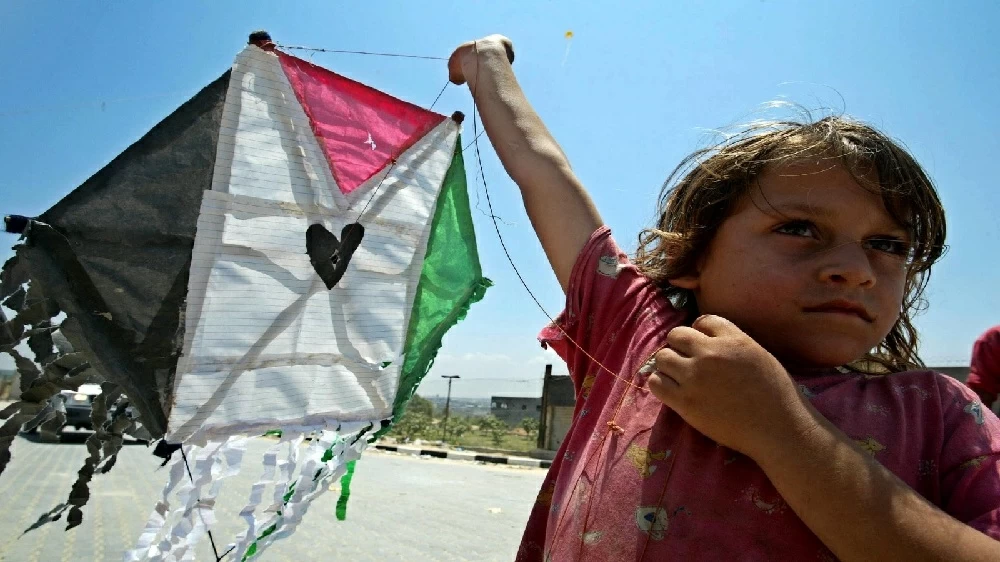
تحولت طائرات ورقية أُطلقت من قطاع غزة إلى أزمة أمنية في إسرائيل، بعدما هدد بنيامين نتنياهو ووزير دفاعه يسرائيل كاتس بتكثيف الاغتيالات وإخلاء مناطق سكنية في القطاع ردًا عليها.
وخلال الأيام الأخيرة، أفادت وسائل إعلام إسرائيلية بسقوط عدة طائرات ورقية في مستوطنات محاذية لقطاع غزة، فيما قال الجيش الإسرائيلي «إن عمليات الفحص لم تكشف وجود مواد مشبوهة أو متفجرات فيها».
ورغم ذلك، تصاعدت اللهجة الإسرائيلية تجاه الظاهرة، إذ قال كاتس «إن إسرائيل ستتعامل مع إطلاق الطائرات الورقية والبالونات من غزة؛ باعتباره تهديدًا أمنيًا، موجّهًا الجيش إلى التحرك ضد ما وصفهم بالمسؤولين عن عمليات الإطلاق».
وفي بيان مشترك، هدد نتنياهو وكاتس بتكثيف استهداف المسؤولين عن عمليات الإطلاق، إلى جانب إخلاء السكان من المناطق التي قالا إنها تُستخدم لإطلاق الطائرات الورقية والمسيّرات والبالونات باتجاه إسرائيل.
ورقي
طائرات ورقية بلا متفجرات.. فلماذا كل هذا التصعيد؟
وأعلن الجيش العثور على طائرات ورقية في محيط مستوطنة ناحل عوز، مؤكدًا بعد فحصها عدم العثور على مواد مشبوهة، وأنها لم تشكل خطرًا على الجمهور. كما لم يقدم البيان العسكري دليلًا يثبت أنها أُرسلت عمدًا إلى المستوطنات.
وتشير تقارير إلى أن بعض هذه الطائرات قد تكون ألعابًا يطلقها أطفال ومراهقون في غزة، قبل أن تحملها الرياح بعيدًا عن القطاع، خصوصًا مع قرب المناطق السكنية في غزة من المستوطنات الإسرائيلية المحاذية للقطاع.
وبحكم طبيعتها، تعتمد الطائرة الورقية على الرياح وخيط يمسك به الشخص الذي يطلقها، وبالتالي يمكن أن تفقد مسارها إذا انقطع الخيط أو تغير اتجاه الرياح، فتنتقل إلى مسافات لا يمكن التحكم فيها بدقة.
ورقيية
من «ألعاب الأطفال» إلى «عمل حربي»
وتنظر إسرائيل، في المقابل، إلى الظاهرة من زاوية أمنية مختلفة، إذ اعتبر كاتس أن الطائرات الورقية والبالونات القادمة من غزة تمثل تهديدًا، وربط بينها وبين الطائرات المسيّرة، قائلًا «إن التعامل معها لن يتوقف على ما إذا كانت تحمل متفجرات أم لا».
وبالتزامن مع ذلك، تصاعدت التحذيرات الإسرائيلية من اتخاذ إجراءات عسكرية ضد المناطق التي يُعتقد أن عمليات الإطلاق تأتي منها، ما أثار مخاوف من أن تتحول الطائرات الورقية إلى ذريعة لتوسيع نطاق العمليات داخل القطاع.
أما حركة حماس، فاعتبرت التهديدات الإسرائيلية محاولة لتبرير استمرار العمليات العسكرية وتهديد سكان القطاع، وقالت «إن الحديث يدور أساسًا عن ألعاب أطفال في مخيمات النزوح».
ورقيي
«أزمة ورق» تعيد مشهد 2018
وتعيد التطورات الحالية إلى الذاكرة ظاهرة الطائرات الورقية والبالونات الحارقة التي ظهرت من غزة خلال عام 2018، عندما استخدم فلسطينيون طائرات ورقية وبالونات حمل بعضها مواد حارقة باتجاه الأراضي الزراعية والمناطق المحاذية للقطاع؛ ما تسبب في اندلاع حرائق في مناطق إسرائيلية.
لكن التطورات الحالية تختلف في نقطة أساسية؛ إذ لم تعلن السلطات الإسرائيلية، حتى الآن، العثور على مواد متفجرة في الطائرات الورقية التي ضبطتها، وهو ما يزيد الجدل حول حجم التهديد الفعلي الذي تمثله.
ويرى منتقدون للسياسة الإسرائيلية أن رفع مستوى التهديد إلى الاغتيالات والإخلاء بسبب طائرات ورقية يثير تساؤلات حول ما إذا كانت إسرائيل تستعد لاستخدام الحادثة مبررًا لتصعيد عسكري جديد.
وفي المقابل، تقول إسرائيل إنها لن تسمح بعودة أي تهديد إلى مستوطناتها المحاذية لغزة، وتتعامل مع أي نشاط قادم من القطاع باعتباره مسألة أمنية تستوجب الرد.
Kite flying from the Gaza Strip has turned into a security crisis in Israel, after Benjamin Netanyahu and his Defense Minister Israel Katz threatened to intensify assassinations and evacuate residential areas in the Strip in response.
In recent days, Israeli media reported that several kites had fallen in settlements adjacent to the Gaza Strip, while the Israeli army stated, "Inspection operations did not reveal any suspicious materials or explosives in them."
Nevertheless, the Israeli rhetoric towards the phenomenon has escalated, with Katz stating, "Israel will treat the launching of kites and balloons from Gaza as a security threat, directing the army to act against those he described as responsible for the launches."
In a joint statement, Netanyahu and Katz threatened to intensify targeting those responsible for the launches, in addition to evacuating residents from areas they claimed were used to launch kites, drones, and balloons towards Israel.
ورقي
Kites Without Explosives.. So Why All This Escalation?
The army announced the discovery of kites in the vicinity of the Nahal Oz settlement, confirming after inspection that no suspicious materials were found, and that they did not pose a danger to the public. The military statement also did not provide evidence that they were intentionally sent to the settlements.
Reports suggest that some of these kites may be toys launched by children and teenagers in Gaza, before being carried away by the wind, especially given the proximity of residential areas in Gaza to the Israeli settlements adjacent to the Strip.
By their nature, kites rely on the wind and a string held by the person launching them, and thus can lose their trajectory if the string breaks or the wind direction changes, leading them to travel distances that cannot be precisely controlled.
ورقيية
From "Children's Toys" to "Warfare"
Israel, on the other hand, views the phenomenon from a different security angle, as Katz considered the kites and balloons coming from Gaza to represent a threat, linking them to drones, stating, "Dealing with them will not depend on whether they carry explosives or not."
Simultaneously, Israeli warnings have escalated regarding military actions against areas believed to be the source of the launches, raising fears that kites could become a pretext for expanding operations within the Strip.
Meanwhile, Hamas considered the Israeli threats an attempt to justify the continuation of military operations and to threaten the residents of the Strip, stating, "This is fundamentally about children's toys in displacement camps."
ورقيي
"Paper Crisis" Recalling the Scene of 2018
The current developments bring to mind the phenomenon of kites and incendiary balloons that emerged from Gaza during 2018, when Palestinians used kites and balloons, some carrying incendiary materials, towards agricultural lands and areas adjacent to the Strip, causing fires in Israeli territories.
However, the current developments differ in a fundamental point; the Israeli authorities have not yet announced finding explosives in the kites they have seized, which increases the debate about the actual threat they pose.
Critics of Israeli policy argue that raising the level of threat to assassinations and evacuations due to kites raises questions about whether Israel is preparing to use the incident as a justification for a new military escalation.
In contrast, Israel states that it will not allow any threat to return to its settlements adjacent to Gaza, treating any activity coming from the Strip as a security issue that requires a response.