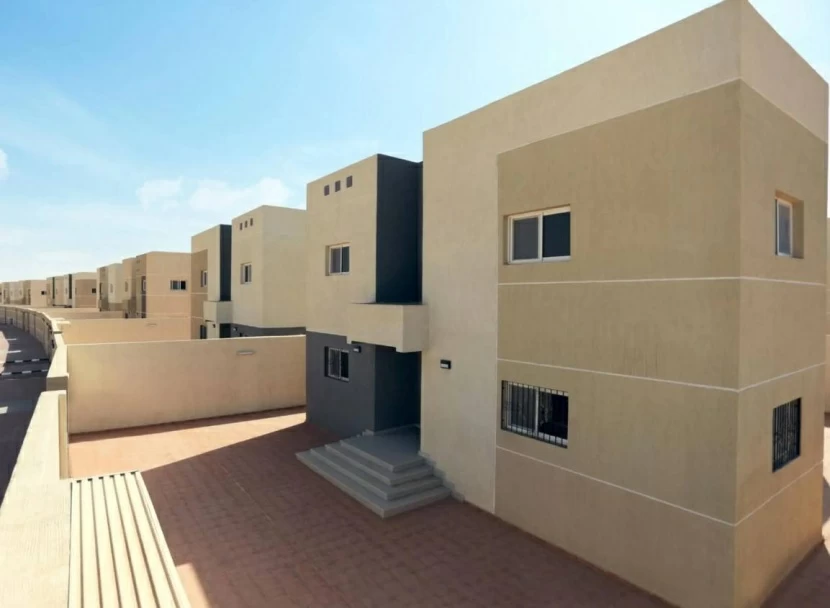
اعتمدت وزارة البلديات والإسكان، دليل الرقابة على التقسيم المخالف للوحدات السكنية بهدف توحيد إجراءات الرقابة والحد من التقسيمات غير النظامية التي تؤثر في سلامة المباني وجودة البيئة السكنية. ويحدد الدليل الأدوار والمسؤوليات وآليات رصد المخالفات والتحقق منها ومعالجتها، من خلال مطابقة البيانات والعقود الإيجارية مع التراخيص، والاستفادة من البلاغات المجتمعية، وتنفيذ الجولات الميدانية.
ويشمل الدليل جميع الوحدات السكنية والسكنية التجارية التي جرى تقسيمها بصورة مخالفة، مع توزيع المهمات بين الوزارة والأمانات والبلديات والجهات الشريكة، إضافة إلى ملاك العقارات والمستأجرين، بما يعزز كفاءة الرقابة والامتثال للأنظمة البلدية.
وأوضحت المحامية عبير دغريري لـ«عكاظ»، أن الدليل يمثل خطوة تنظيمية مهمة لضبط مخالفات تقسيم العقارات دون تراخيص أو بالمخالفة لاشتراطات البناء، مؤكدة أن المسؤولية النظامية تقع على مالك العقار، وقد تمتد إلى المستأجر إذا ثبتت مشاركته في المخالفة. وأشارت إلى أن العقوبات تبدأ بالغرامات المالية، وقد تصل إلى إزالة المخالفات أو هدم الأجزاء المخالفة، وإيقاف بعض الخدمات، وإحالة القضايا الخطرة إلى النيابة العامة.
The Ministry of Municipalities and Housing has adopted a guide for monitoring illegal divisions of residential units aimed at standardizing monitoring procedures and reducing irregular divisions that affect the safety of buildings and the quality of the living environment. The guide specifies roles and responsibilities, as well as mechanisms for detecting, verifying, and addressing violations, through matching data and rental contracts with licenses, utilizing community reports, and conducting field tours.
The guide includes all residential and commercial residential units that have been divided illegally, with the distribution of tasks among the ministry, municipalities, and partner entities, in addition to property owners and tenants, which enhances the efficiency of monitoring and compliance with municipal regulations.
Lawyer Abeer Daghriri explained to "Okaz" that the guide represents an important organizational step to control violations of property divisions without licenses or in violation of construction requirements, emphasizing that the legal responsibility falls on the property owner, and may extend to the tenant if their involvement in the violation is proven. She pointed out that penalties start with financial fines and may reach the removal of violations or demolition of the offending parts, suspension of some services, and referral of serious cases to the Public Prosecution.