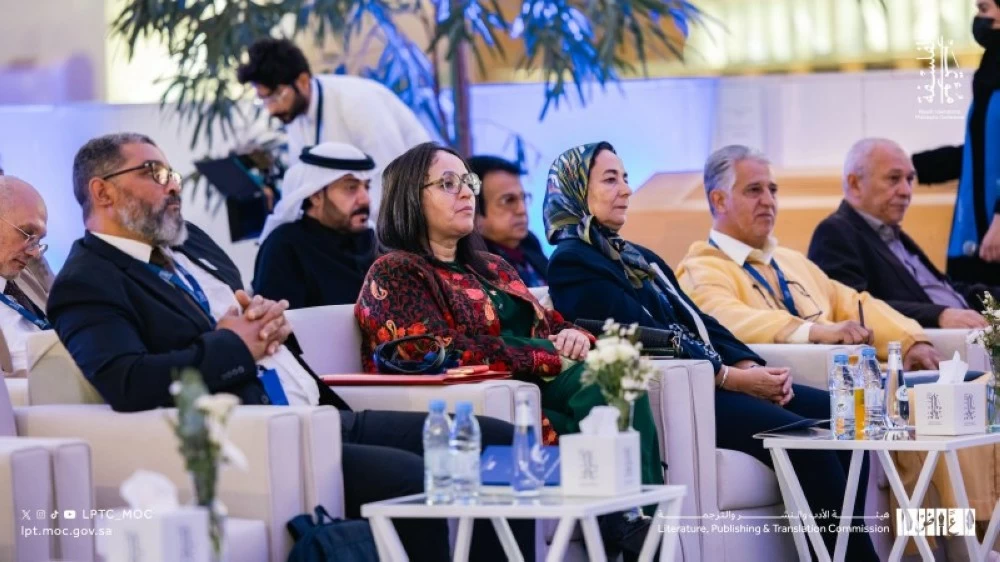
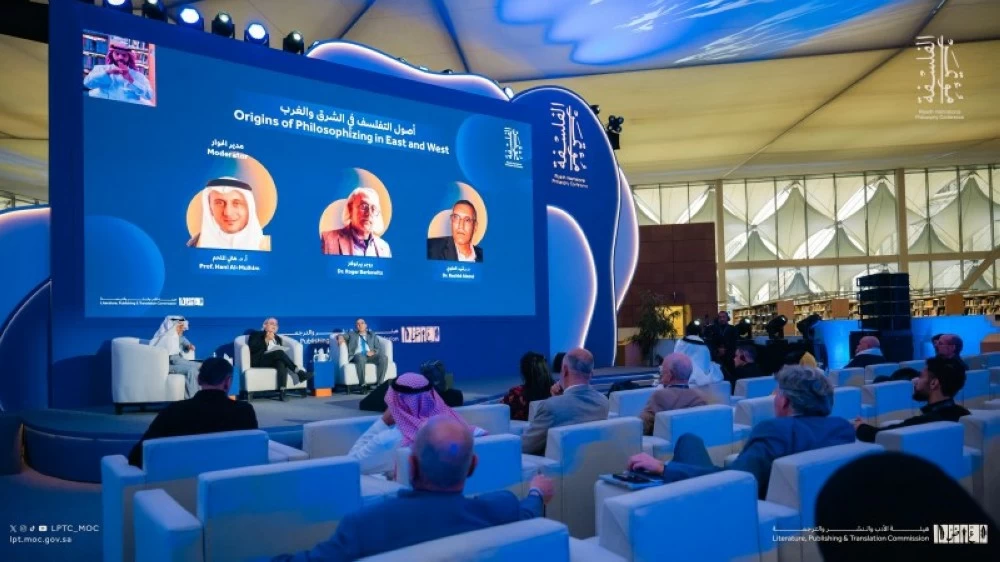
ناقشت أولى جلسات مؤتمر الرياض الدولي للفلسفة 2025، الذي تنظمه هيئة الأدب والنشر والترجمة تحت عنوان «الفلسفة بين الشرق والغرب: المفاهيم، والأصول، والتأثيرات المتبادلة»، موضوع طبيعة التفلسف وطرقه في الفكر الشرقي والغربي، وذلك ضمن البرنامج العلمي للمؤتمر في نسخته الخامسة. وشارك في الجلسة الدكتور محمد أبو الطاهر، فيما أدار الحوار نايف الفيصل.
واستعرض الدكتور محمد في مداخلته مفهوم المسافة بوصفه أحد المفاتيح المركزية لفهم الاختلاف بين الفكرين الشرقي والغربي، مشيرًا إلى أن المسافة ـ في الدلالة الفلسفية ـ ليست مجرد بُعد جغرافي أو فارق زمني، بل إطاراً نظرياً يعكس طريقة كل ثقافة في إدراك العالم وتأويل الظواهر. وأوضح أن مفهوم المسافة تطوّر عبر القراءات الفلسفية المختلفة، وأنه يشكّل اليوم أداة تحليلية تتقاطع فيها البنية الفكرية والوعي التاريخي.
وتطرّق إلى ما سماه التجربة المسافاتية باعتبارها عملية إدراكية تولّد مستويات متعددة لفهم الواقع، مبينًا أن المعاجم العربية قدّمت تفاسير عميقة للمسافة، تجمع بين البعد الحسي والدلالة الذهنية، وهو ما منح المفهوم حضورًا واسعًا في التراث العربي القديم.
كما تناول المتحدث المفاهيم والمداخل الفلسفية المعاصرة، مؤكّدًا أن الفكر الفلسفي الحديث يقوم بدرجة كبيرة على ما وصفه بـ «البنية المسافاتية»، وأن الفلسفة المعاصرة «مسافاتية بامتياز» لارتباطها بإعادة قراءة الحدود، والفوارق، ودرجات الاقتراب والابتعاد بين الظواهر، بما يعيد صياغة العلاقة بين الإنسان والعالم.
وفي جانب آخر، أشار الدكتور محمد إلى أن الوجود يُدرس اليوم عبر 3 أنماط متمايزة، وأن المسافة تمثّل — في هذه المقاربات — البنية الصامتة للوجود، أي تلك الخلفية غير المرئية التي تنظّم علاقة الفرد بذاته وبالآخر وبالواقع المحيط، وتشكّل الإطار الذي تُبنى عليه الأسئلة الفلسفية الكبرى.
وتتواصل أعمال المؤتمر ضمن برنامجه العلمي بمشاركة واسعة من الباحثين والمتخصصين من دول عدة، وبحضور يعكس تنامي الاهتمام بالحوار الفلسفي وتقاطعاته مع قضايا الإنسان المعاصر.
The first sessions of the Riyadh International Philosophy Conference 2025, organized by the Literature, Publishing, and Translation Commission under the title "Philosophy Between East and West: Concepts, Origins, and Mutual Influences," discussed the nature of philosophizing and its methods in Eastern and Western thought, as part of the scientific program of the conference in its fifth edition. Dr. Mohammed Abu Al-Tahir participated in the session, while Nayef Al-Faisal moderated the discussion.
In his intervention, Dr. Mohammed reviewed the concept of distance as one of the central keys to understanding the differences between Eastern and Western thought, noting that distance—in philosophical terms—is not merely a geographical dimension or a temporal difference, but rather a theoretical framework that reflects each culture's way of perceiving the world and interpreting phenomena. He explained that the concept of distance has evolved through various philosophical readings and that it today serves as an analytical tool where intellectual structure intersects with historical consciousness.
He also addressed what he termed the "distance experience" as a cognitive process that generates multiple levels of understanding reality, indicating that Arabic dictionaries have provided profound interpretations of distance, combining sensory dimensions and mental connotations, which has granted the concept a wide presence in ancient Arab heritage.
The speaker also discussed contemporary philosophical concepts and approaches, emphasizing that modern philosophical thought largely relies on what he described as the "distance structure," and that contemporary philosophy is "exclusively distance-oriented" due to its connection to re-reading boundaries, differences, and degrees of proximity and distance between phenomena, thereby reshaping the relationship between humans and the world.
In another aspect, Dr. Mohammed pointed out that existence is studied today through three distinct patterns, and that distance represents—in these approaches—the silent structure of existence, meaning that invisible background that organizes the individual's relationship with themselves, with others, and with the surrounding reality, forming the framework upon which major philosophical questions are built.
The conference continues its scientific program with wide participation from researchers and specialists from several countries, reflecting the growing interest in philosophical dialogue and its intersections with contemporary human issues.