لم تكتفِ طبيبة العظام الدكتورة ظافرة القحطاني بجبر آهات المرضى وتسكين الآمهم، بل تجاوزت ذلك بالجمع بين سماعة الطبيب وريشة الروائية المبدعة.
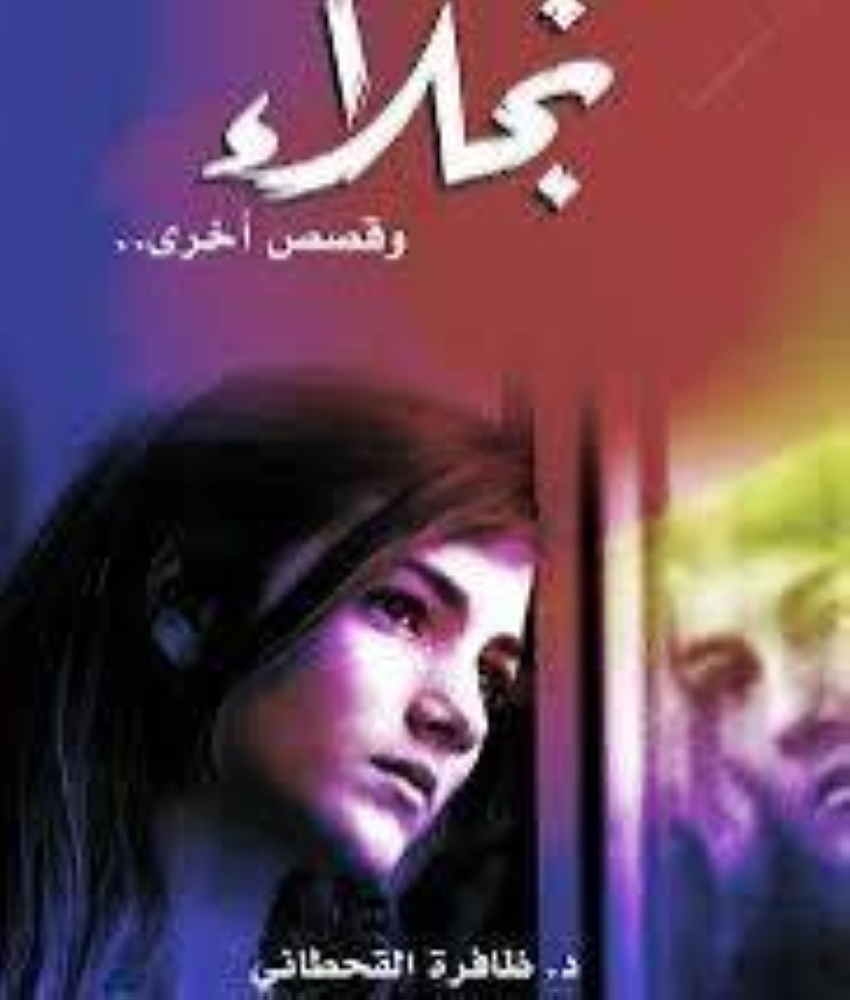
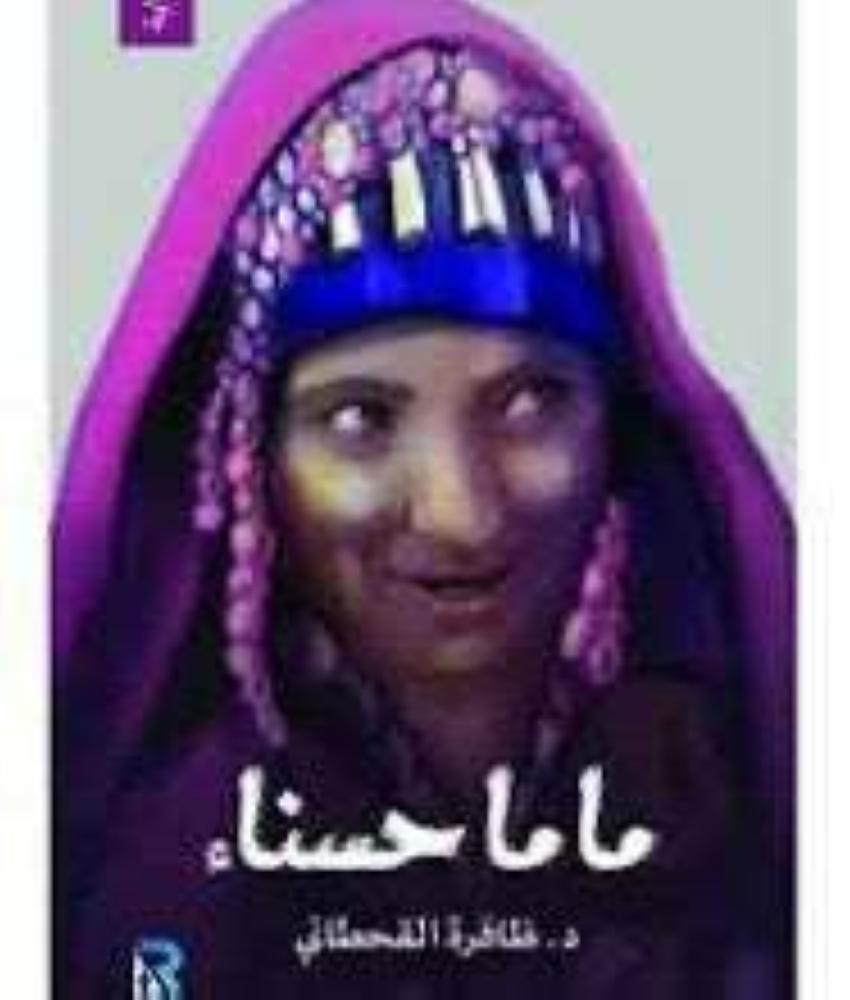
عرفت القحطاني في الوسط الأدبي بروايتها الجريئة «ومات خوفي» التي خطت فيها وجع الصحراء ومآسي الطفولة، وبرز اسمها في عالم الأدب الواقعي السحري بروايتها المؤثرة «ماما حسناء» المستوحاة من قصة حقيقية، إلى جانب أعمالها المتنوعة مثل «نجلاء» و«المكتبات والكتب» و«في السجن» و«بُناة الأمم»، وأخيراً روايتها المنتظرة «غربة» التي تترقبها الساحة الأدبية بفارغ الصبر.
تميزت ظافرة القحطاني بأسلوبها الذي يمزج الواقع بالخيال، والمرارة بالأمل، لتصنع من الألم أدباً واقعياً سحرياً ينثر الدهشة على صفحات القارئ. لم تكتفِ بأن تكون طبيبة للجسد، بل اختارت أن تعالج روح الحياة بنصوصها، فتغزل للقراء حكاياتٍ تنبض بالخيال المسكون بالوجع، وتغمس قلمها في ذاكرة صحراء خصبة بالحكايات.
من الطب إلى الأدب
ولأن الحكايات الجميلة تُحاك بتفاصيل غريبة فإن ظافرة، بعد أن أنهت سنة الامتياز بكلية الطب بتفوق، اجتمعت أسرتها ووالدها، الذي أبدى مع الأسرة اعتراضه القاطع على عملها طبيبة، وختم والده القرار قائلاً: «إن لبست ظافرة البالطو وعملت طبيبة، فسأطلق أمها». برًا بوالديها ووفاءً، حملت ظافرة ملفها الأخضر، وقدمت حلمها قربانًا لرضاهما، واتجهت به إلى ديوان الخدمة المدنية بالرياض، فتم تعيينها معلمة في إحدى قرى الجنوب، وهناك قضت سنواتها الأولى تزرع العلم وتداوي الحنين.
مرت الأعوام، وعادت إلى الرياض بعد رحيل والدها وزوجها، ونهضت ظافرة من جديد لتلاحق حلمها، فتقدمت بطلب العودة إلى الطب، لكنها أُجبرت على إعادة سنة الامتياز التي سبق أن أنهتها بتفوق. لبست المعطف الأبيض مرة أخرى، وها هي اليوم تجمع بين سماعة الطبيبة وريشة الروائية، تداوي العظام برفق وتسكب حبر الحكاية بلون مختلف يبهر القارئ ويعيد للرواية السعودية وهجها وألقها.
ذكريات الطفولة
حين تحدّثك ظافرة عن طفولتها، لا تسمع مجرد ذكريات، بل كأنك تسمع صحارى بيشة تحكي عبر ريحها عن طفلة كانت ترى الطبيب يجلس على مخدات القبيلة، وعن ملعقة وحيدة تتناقلها الأيدي لتطعم ضيفاً وطبيباً. تلك التفاصيل لم تكن مرويات عابرة بل بذوراً زُرعت في أرضها الداخلية، وسقتها دموعها حتى أينعت فناً وواقعاً سحرياً مدهشاً.
ماما حسناء
عرف جمهور الأدب والقراء الدكتورة ظافرة القحطاني ليس فقط من خلال «ومات خوفي»، بل أيضاً من خلال رواية «ماما حسناء» التي استوحتها من قصة إنسانية عميقة عايشتها. بعد أن فقدت زوجها فجأة في يوم عيد، وأسودت الدنيا في عينيها، اتجهت للعمل في أحد المراكز المعنية بكبار السن، وهناك قادتها الصدفة إلى لقاء «حسناء»، المرأة العجوز التي أنهكها المرض وأثقلها الإهمال من أقرب الناس إليها. كانت هذه القصة الواقعية الملهمة نواةً لرواية رسمت فيها ظافرة ملامح الألم والحنين والكرامة المهدورة، فجعلت من «حسناء» بطلة حكاية تمزج الواقع بالخيال، وتعيد للقراء الأمل بأن في قسوة الحياة قدراً من اللطف، وفي الحكايات الموجعة ومضات نور.
واقعية سحرية
أدب ظافرة يمتزج فيه الواقع بالخيال، الصحراء بألوانها القاسية والناعمة، والطفولة بحكاياتها المدهشة. حتى حادثة الكلب الأسود الأعمى الذي كان صديقها الصغير، حين التهمته النيران بفعل جهل صبي، لم تكن مجرد ذكرى، بل لحظة مفصلية زرعت فيها الحلم بأن تصبح طبيبة، وحين أخفقت الظروف، وجدت في الأدب علاجاً للوجع وأداة لصياغة الوجدان.
إشراقة جديدة
عندما تسأل ظافرة عن الواقعية السحرية التي تميزت بها رواياتها، تبتسم وتجيب: «ليست غريبة عني... بيئة البر، حكايات الجدات، وقراءاتي الكثيرة، كلها صنعت عالمي الأدبي».
اليوم، وبعد أعوام من الغياب، عادت ظافرة إلى الساحة الأدبية بقوة، تستعد لنشر روايتها الجديدة «غربة»، وتواصل كتابة تاريخ أدبي ينبض بالحياة. جمهورها السعودي ينتظر جديدها، ويترقب إبداعاتها التي تحمل في طياتها أصالة الصحراء ورؤية المرأة السعودية المعاصرة.
Dr. Dhafra Al-Qahtani, an orthopedic doctor, did not limit herself to mending the patients' sighs and alleviating their pains; she went beyond that by combining the doctor's stethoscope with the pen of a creative novelist.
Al-Qahtani is known in the literary community for her bold novel "And My Fear Died," in which she penned the pain of the desert and the tragedies of childhood. Her name emerged in the world of magical realism with her impactful novel "Mama Hasna," inspired by a true story, alongside her diverse works such as "Najla," "Libraries and Books," "In Prison," and "Builders of Nations," and finally her anticipated novel "Ghorba," which the literary scene eagerly awaits.
Dhafra Al-Qahtani is distinguished by her style that blends reality with fantasy, bitterness with hope, crafting from pain a magical realism that astonishes readers on the pages. She did not settle for being a doctor of the body; she chose to heal the spirit of life with her texts, weaving tales for readers that pulse with imagination haunted by pain, dipping her pen into the memory of a desert rich with stories.
From Medicine to Literature
And because beautiful stories are woven with strange details, Dhafra, after excelling in her internship year at the College of Medicine, gathered her family and her father, who expressed his firm objection to her working as a doctor. He concluded the decision by saying, "If Dhafra wears the coat and becomes a doctor, I will divorce her mother." Out of respect for her parents and loyalty, Dhafra took her green file and offered her dream as a sacrifice for their approval, heading to the Civil Service Bureau in Riyadh, where she was appointed as a teacher in one of the southern villages. There, she spent her early years planting knowledge and healing nostalgia.
The years passed, and she returned to Riyadh after the passing of her father and husband. Dhafra rose again to pursue her dream, applying to return to medicine, but she was forced to redo the internship year that she had previously completed with excellence. She donned the white coat once more, and today she combines the doctor's stethoscope with the novelist's pen, gently healing bones while pouring the ink of stories in a different color that dazzles readers and restores the glow and brilliance of Saudi literature.
Childhood Memories
When Dhafra talks to you about her childhood, you do not hear mere memories; it feels as if you are listening to the deserts of Bisha narrating through its winds about a girl who saw the doctor sitting on the cushions of the tribe, and about a single spoon passed around to feed a guest and a doctor. Those details were not fleeting tales but seeds planted in her inner land, watered by her tears until they blossomed into a stunning magical reality.
Mama Hasna
The literary audience and readers know Dr. Dhafra Al-Qahtani not only through "And My Fear Died," but also through the novel "Mama Hasna," which she drew from a profound human story she experienced. After suddenly losing her husband on a holiday, and the world darkening in her eyes, she turned to work at a center for the elderly, where chance led her to meet "Hasna," the elderly woman worn out by illness and burdened by neglect from those closest to her. This inspiring real-life story became the nucleus of a novel in which Dhafra depicted the features of pain, longing, and lost dignity, making "Hasna" the heroine of a tale that blends reality with fantasy, restoring to readers the hope that within the harshness of life lies a measure of kindness, and in painful stories, there are flashes of light.
Magical Realism
Dhafra's literature intertwines reality with fantasy, the desert with its harsh and soft colors, and childhood with its astonishing tales. Even the incident of the blind black dog that was her little friend, which was consumed by flames due to a boy's ignorance, was not just a memory but a pivotal moment that planted the dream of becoming a doctor. When circumstances failed her, she found in literature a remedy for pain and a tool to shape her emotions.
A New Dawn
When you ask Dhafra about the magical realism that characterizes her novels, she smiles and replies, "It's not strange to me... the environment of the desert, the tales of grandmothers, and my extensive readings all shaped my literary world."
Today, after years of absence, Dhafra has returned to the literary scene with strength, preparing to publish her new novel "Ghorba," and continues to write a literary history pulsating with life. Her Saudi audience awaits her new works, anticipating her creations that carry the authenticity of the desert and the vision of contemporary Saudi women.