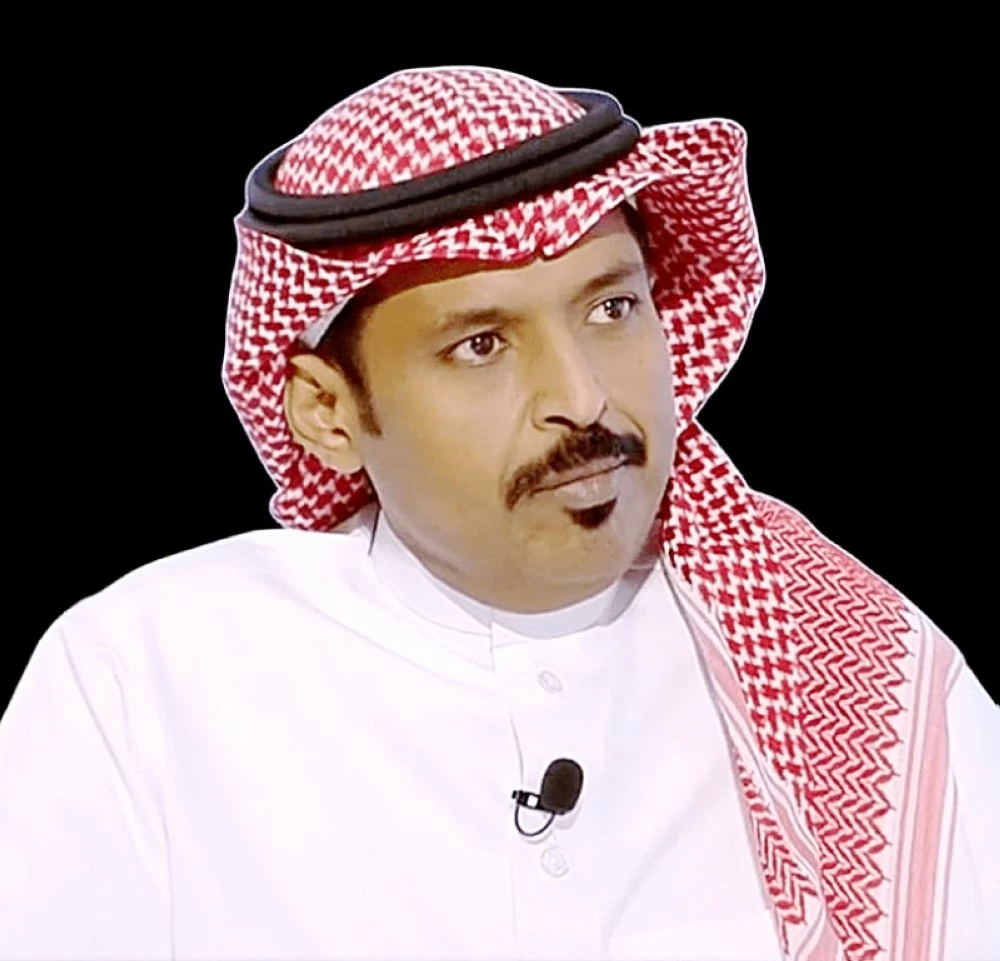
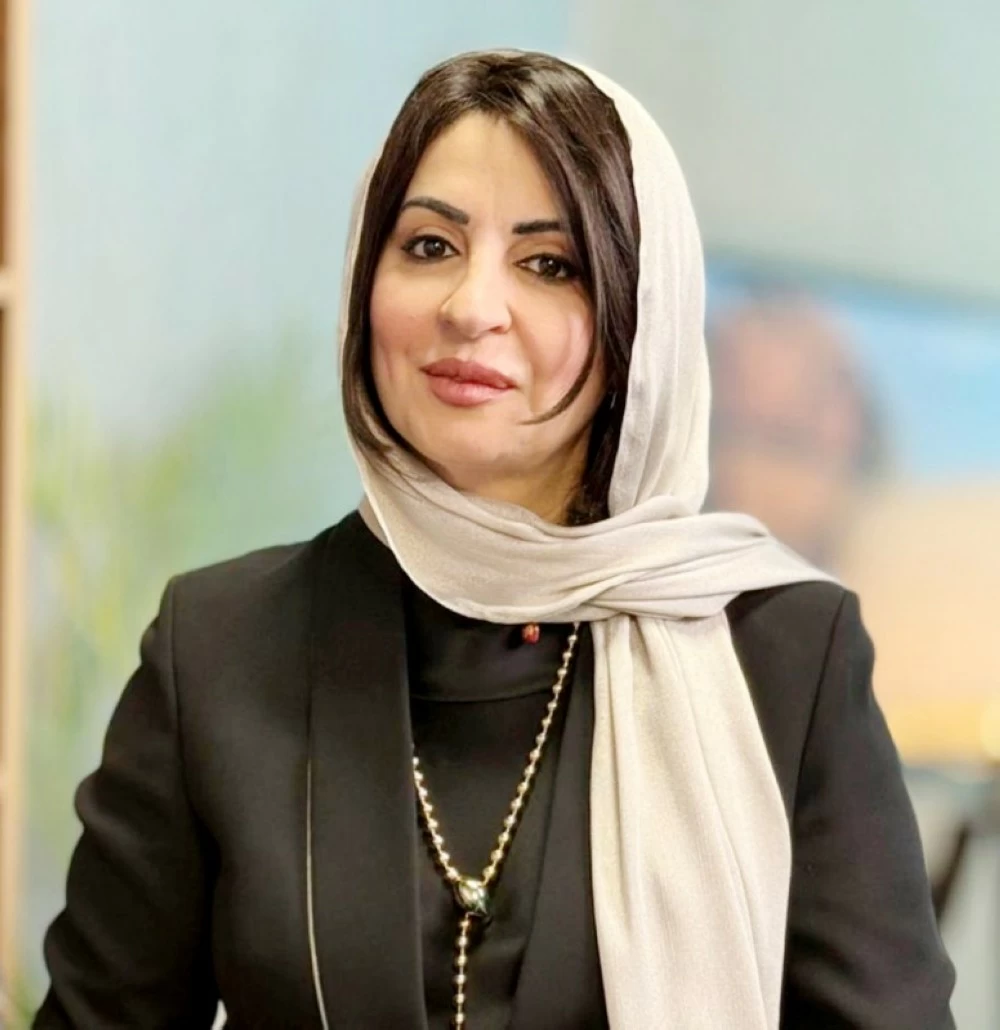
اشتعل فضاء التواصل الاجتماعي، وانشغل بتأجيج نار التفاعل بسبب آراء وتعليقات، وردود أفعال على رأي أورده الكاتب عبدالله بن بخيت، حول رواية (بنات الرياض) التي صدرت منذ عقدين، إذ عدّ البعضُ ما قاله بن بخيت في مقالات سابقة، وورقة عمل قدمها أخيراً «نقداً مشروعاً» لا يسع كاتبة تطمح لتطوير أدواتها وتجربتها إلا التسليم به، كونه من خبير يتطلّع إلى التناغم بين عمر الكاتبة والأحداث التي وثّقتها سرديّاً، فيما ذهب آخرون إلى أن الروائية رجاء الصانع، نجحت في كسر (تابوهات)، وسجّلت بروايتها وثيقة التحولات الأولى؛ بالاحتيال على الواقع، وتمريرها رسائل تحت عباءة الكتابة الغيرية، إضافةً إلى مهارتها في اختيار العنوان الدّال، وتوظيف الجندر (بنات) واستحضار رمزية الفضاء المكاني (الرياض) ما منح الرواية الجدليّة مساحةً أرحب، بدليل ترجمتها إلى لغات أجنبية عدة، وعدّوا نقد بن بخيت إثارة جدل فات عليها الزمن، وتطاولاً على شخص الكاتبة.
وترى الكاتبة ميسون أبو بكر في رجاء الصانع بطلة، سواء كتبت الرواية أو لم تكتبها، إذ كلما تحضر الرواية يحضر الجدل حولها، وذهبت إلى أنه عقب 20 عاماً، طرح الروائي عبدالله بن بخيت سؤاله المشروع في عالم الأدب والكتابة وتلقته الصانع بغضب وتهديد غير متوقع، إذ كان من الطبيعي أن تأخذ الأمر بسعة صدر، وتقبل النقد أيّاً كان، مؤكدةً أن الرواية أحدثت حراكاً وجدلاً وكان ينتظر مؤلفتها صباح كل جمعة الآلاف للتسلل على الأسوار التي ظلت عالية لزمن، مبدية إعجابها باقتباسات الجمل العذبة التي اختارتها من شعراء وأدباء.
وأضافت: ماذا لو غضّت رجاء الصانع الطرف عن كل هذا الصخب حولها؟ خصوصاً أنها تعود للظهور برواية يتيمة، وليس مستغرباً أن يتبع ظهورها كل ذلك الجدل، ولكون السجال لحكاية كاتبات طالهن التشكيك بأن هناك من كتب لهن، واستعادت جملة أحلام مستغانمي «يكفي أن تكتب امرأة واحدة لتتجه كل أصابع الاتهام إليها».
فيما أوضح الناقد رجاء بن ساير المطيري، أنه إنْ لم يتوفر دليل واضح، واعتراف من أي طرف له علاقة بالرواية؛ تغدو فكرة التشكيك بلا معنى، خصوصاً أنها العمل الأول، ولا توجد أعمال أخرى للكاتبة كي نستنبط منها أسلوب الكاتبة، ومن ثم نحاكمها، وعدّ الرواية بسيطة، ولا تحتمل كل الجدل المثار حولها.
وعدّ الناقد الدكتور مبارك الخالدي رجاء الصانع «محظوظة، وحظها يفلق الحجر» كما وصف. وقال: يفترض أن «المؤلف/المؤلفة» ميت، وعلاقته بالنص منقطعة منذ لحظة صدوره، وهذا في صالح القارئ الذي يحرره الموت من سلطة «المؤلف/المؤلفة».
فيما أرجع المستشار الثقافي الدكتور عبدالله الكعيد، اللغط الذي يدور اليوم حول رواية «بنات الرياض» للكاتبة رجاء الصانع، إلى خطوط الأحداث المتوازية عصوراً وأزماناً مختلفة، مؤكداً أنه يمكن أن يُلغي الكاتب بكل تقصّد في بعض الروايات عنصر التاريخ، فلا يشعر القارئ وهو يقرأ النص عن أي زمن يتحدث الروائي، ويُترك للقارئ حرية تركيب الزمان كما يريد ويتخيّل، موضحاً أن السارد يهتم في الغالب بتكثيف التصاعد الدرامي للأحداث، وربما يخلط الماضي بالحاضر ويتنبأ بالمستقبل، وبهذا يتلاشى الزمن. ولفت إلى أن الذين لا يُدركون اتساع آفاق السارد الخيالية ربما يتساءلون: كيف له أن يكتب عن أحداث وقعت قبل مئات وربما آلاف السنين وهو يعيش معنا وفي عصرنا؟ ويجيب: ذلك هو عنصر الخيال الرحب؛ إحدى أدوات السارد الرئيسية.
ويرى أنه لا يُفترض بالسارد (الكاتب) أن تقتصر كتابته على عصر عايشه باعتباره شاهداً على العصر، بل يُفترض به أن يُطلق العنان لخياله، فيكتب عن أحداثٍ لم يعايشها وصولاً إلى جدّه السابع عشر.
المحامية رباب المعبي: الحدّ الفاصل بين النقد والتشهير.. «النصّ»
أكدت المحامية الدكتورة رباب المعبي، أنه لمناقشة أي واقعة تمس حقوق الملكية الفكرية، فلا بد ابتداءً من ضبط المفاهيم والمصطلحات، وتحديد الإطار النظامي، الذي يحكمها، وصولاً إلى التكييف القانوني السليم، موضحة أن حقوق الملكية الفكرية تعني مجموعة الحقوق التي تحمي الفكر والإبداع الإنساني وتشمل حق المؤلف، والحقوق المجاورة، وبراءات الاختراع والعلامات التجارية، والنماذج الصناعية، والأصناف النباتية، والتصميمات التخطيطية للدارات المتكاملة.
وأشارت إلى أن المؤلف يتمتع بنوعين من الحقوق على مصنّفه؛ حقوق أدبية (معنوية) أبدية ولصيقة بشخصية المؤلف؛ منها حقّ المصنّف إليه (حق الأبوّة)، وحق تقرير نشره، وحق تعديله، وحق سحبه من التداول، وحق الاعتراض على أي اعتداء عليه، ومنها حقوق مالية مؤقتة يحدد النظام مدتها، تتيح للمؤلِف استغلال مصنّفه مالياً بجميع الصور، كالطباعة، والنشر، والترجمة، والترخيص للغير.
وعدّت الحقوق الأدبية مهمة كونها تحمي شخصية المؤلِف وسمعته الفكرية، ولا تقبل التنازل أو السقوط بالتقادم، باعتبارها امتداداً لشخصيته الإبداعية.
وأكدت أن حق الأبوّة (نسبة المصنّف إلى مؤلفه الحقيقي دون سواه) من أهم فروع الحق الأدبي، وتراه حقاً أبدياً لا يزول بمرور الزمن، ولا يجوز لغير المؤلف الادعاء به أو الاستيلاء عليه، لما يمثله من رابطة أخلاقية وقانونية بين المبدع وإنتاجه.
وذهبت إلى أن النقد الأدبي ينصب على النصّ ذاته لا على شخص المؤلِف، ويبدأ بالفهم والتحليل، ثم التفسير، وينتهي بالتقييم الموضوعي، دون تجريح أو إساءة، بعيداً عن النيل من السمعة أو التشكيك في النوايا.
ولفتت إلى أن نظام مكافحة الجرائم المعلوماتية، نصّ على تجريم التشهير بالآخرين، أو إلحاق الضرر بهم، عبر وسائل التقنية المختلفة، ولو كان ذلك تحت غطاء الرأي أو التعليق، مضيفةً أن الفيصل بين النقد المشروع والتشهير يتمثّل في توجيه الحديث إلى النصّ، لا إلى شخص المؤلف، مع الالتزام بالموضوعية، واللغة المهنية، وعدم المساس بالسمعة، أو الكرامة، أو النوايا.
وذهبت إلى أنه في حال توفر الأدلة القاطعة يمكن للناقد رفع شكوى للجنة، كما يحق للكاتبة المتضررة التقدم بشكوى للجنة لإنقاذ حقوقها الفكرية، فيما يظل الحق قائماً في رفع دعوى تشهير وإساءة السمعة مستقلاً، متى ما توافرت أركانها.
وقالت: كفل النظام السعودي حرية التعبير في إطار الشريعة والأنظمة، وفي الوقت ذاته يولي حماية السمعة والكرامة الشخصية أهمية قصوى، التزاماً بمبدأ براءة المتهم حتى تثبت إدانته بحكم قضائي نهائي، كون حرية التعبير ليست رخصة للإساءة، كما أن النقد ليس مبرراً للتشهير، وكل ذلك محكوم بضوابط تحقق التوازن بين حرية الرأي وصون الحقوق.
القيسي: القصيبي لم يَجنِ على الكاتبة.. ولن تطاله الشكوك
نفى الناقد الدكتور أحمد القيسي، أن يكون الراحل غازي القصيبي جنى على كاتبة (بنات الرياض) بتقديمه العمل والثناء عليه، وأوضح أن (بنات الرياض) كان عملاً جديداً ورياديّاً في ذلك الوقت، من حيث بنيته القائمة على «التفاعلية»، ومن حيث فكرته التي صادمت الواقع المنغلق على أسراره آنذاك، وإنْ لم يكن عملاً «فضائحياً» كما يشاع، فالأحداث طبيعية، ونقاط الصدام فيها لم تتجاوز العتبات الأولى، لافتاً إلى أنه لا يمكن أن نغفل جانباً إبداعيّاً في هذه الرواية، تمثل في نقلها من المحضن الرقمي (المجموعة البريدية) في ظل تعلّق الجمهور بالمحضن الورقي، وعدّها مهمة ليست باليسيرة على المبدع، خصوصاً في ما يتعلق بالحفاظ على حبكة النص.
ويرى أن حق العمل، أن يُقدم للجمهور تقديماً يليق به، لا كما تُعامل مئات الروايات التي تصدر سنوياً ولا تُعرَف، مثمّناً ما فعله مشكوراً الأديب الراحل غازي القصيبي بتسليط الضوء عليها، ولم يكن في حسبانه أن ثمّة مَن سيشكك في موقفه النبيل الداعم لمبدعة في أول الدرب.
وأضاف القيسي: أنا مع فكرة تقديم كبار النقاد والأدباء للأعمال الأدبية والنقدية الجادة التي تعد إضافة للمكتبة العربية، كونه تشجيعاً على الإبداع، ومن مهمات الناقد الحقيقي في إبراز العمل الذي يستحق.
وعدّ الوزير السفير غازي القصيبي نبيلاً، لا يمكن إدانته ببعض الشكوك أو النيل منه، إذ أدى دوره الحقيقي مع هذه الرواية، وهو غني عن القيام بأي عمل ينافي أخلاقيات الكتابة الأدبية.
The social media space has ignited, preoccupied with fueling the fire of interaction due to opinions, comments, and reactions to a statement made by the writer Abdullah bin Bakheet regarding the novel "Girls of Riyadh," which was published two decades ago. Some considered what bin Bakheet said in previous articles and a recent paper he presented as "legitimate criticism" that any writer aspiring to develop her tools and experience must accept, as it comes from an expert looking for harmony between the age of the writer and the events she documented narratively. Meanwhile, others argued that the novelist Rajaa Alsanea succeeded in breaking taboos and recorded in her novel a document of initial transformations by manipulating reality and passing messages under the cloak of otherness writing, in addition to her skill in choosing a significant title, employing the gender term (girls), and evoking the symbolism of the spatial context (Riyadh), which granted the novel a broader argumentative space, evidenced by its translation into several foreign languages. They considered bin Bakheet's criticism as stirring up a debate that has long passed its time and an affront to the writer's character.
The writer Maysoun Abu Bakr sees Rajaa Alsanea as a heroine, whether she wrote the novel or not, as every time the novel is mentioned, the debate around it resurfaces. She noted that after 20 years, the novelist Abdullah bin Bakheet posed his legitimate question in the world of literature and writing, which Alsanea received with unexpected anger and threats. It would have been natural for her to take the matter with an open mind and accept criticism, whatever its nature, emphasizing that the novel sparked movement and debate, and its author was expected every Friday morning by thousands to sneak past the high walls that had stood for a long time, expressing her admiration for the sweet quotes she chose from poets and writers.
She added: What if Rajaa Alsanea turned a blind eye to all this commotion around her? Especially since she returns with a solitary novel, and it is not surprising that such a debate follows her emergence, given the discourse surrounding the stories of female writers who have been doubted about who wrote for them. She recalled the phrase by Ahlam Mosteghanemi: "It is enough for one woman to write for all fingers of accusation to point at her."
Meanwhile, the critic Rajaa bin Sayir Al-Mutairi clarified that if there is no clear evidence or acknowledgment from any party related to the novel, the idea of doubt becomes meaningless, especially since this is the writer's first work, and there are no other works to derive the writer's style from and then judge her. He considered the novel simple and not deserving of all the controversy surrounding it.
The critic Dr. Mubarak Al-Khaldi regarded Rajaa Alsanea as "lucky, and her luck can split stones," as he described. He said: It should be assumed that "the author" is dead, and their relationship with the text is severed from the moment of its publication, which is in favor of the reader who is liberated from the authority of "the author."
Meanwhile, the cultural advisor Dr. Abdullah Al-Ka'id attributed the commotion surrounding the novel "Girls of Riyadh" by writer Rajaa Alsanea to the parallel lines of events across different eras and times, emphasizing that a writer can deliberately eliminate the element of history in some novels, so the reader does not feel which time the novelist is talking about, leaving the reader the freedom to construct time as they wish and imagine. He explained that the narrator is mostly concerned with intensifying the dramatic escalation of events, and may mix the past with the present and predict the future, thus time fades away. He pointed out that those who do not grasp the vast horizons of the narrator's imagination may wonder: How can they write about events that occurred hundreds or even thousands of years ago while living among us in our time? He answers: That is the element of expansive imagination; one of the narrator's main tools.
He believes that the narrator (the writer) should not limit their writing to an era they have lived through as a witness to the time, but should unleash their imagination to write about events they have not experienced, reaching back to their seventeenth ancestor.
Lawyer Rabab Al-Ma'bi: The dividing line between criticism and defamation... "the text"
Lawyer Dr. Rabab Al-Ma'bi confirmed that to discuss any incident affecting intellectual property rights, it is essential to start by defining concepts and terms, and determining the regulatory framework governing them, leading to the correct legal qualification. She explained that intellectual property rights refer to a set of rights that protect human thought and creativity, including copyright, neighboring rights, patents, trademarks, industrial designs, plant varieties, and layout designs of integrated circuits.
She pointed out that the author enjoys two types of rights over their work; moral (spiritual) rights that are eternal and inseparable from the author's personality, including the right of attribution (paternity right), the right to decide on its publication, the right to modify it, the right to withdraw it from circulation, and the right to object to any infringement upon it, along with temporary financial rights defined by the system, allowing the author to exploit their work financially in all forms, such as printing, publishing, translation, and licensing to others.
She considered moral rights important as they protect the author's personality and intellectual reputation and cannot be waived or extinguished by the passage of time, as they are an extension of their creative personality.
She confirmed that the right of attribution (attributing the work to its true author and no one else) is one of the most important branches of moral rights, viewing it as an eternal right that does not fade with time, and no one other than the author may claim it or seize it, due to the moral and legal bond it represents between the creator and their production.
She stated that literary criticism focuses on the text itself, not on the author's personality, starting with understanding and analysis, then interpretation, and concluding with objective evaluation, without disparagement or offense, away from harming reputation or questioning intentions.
She pointed out that the Anti-Cyber Crime Law criminalizes defamation of others or causing harm to them through various technological means, even if under the guise of opinion or commentary, adding that the distinction between legitimate criticism and defamation lies in directing the discussion to the text, not to the author, while adhering to objectivity, professional language, and not infringing on reputation, dignity, or intentions.
She noted that if conclusive evidence is available, the critic can file a complaint with the committee, and the affected writer has the right to submit a complaint to the committee to protect their intellectual rights, while the right to file a defamation and reputation damage lawsuit remains independent, whenever its elements are met.
She said: The Saudi system guarantees freedom of expression within the framework of Sharia and regulations, while also placing utmost importance on protecting reputation and personal dignity, adhering to the principle of the presumption of innocence until proven guilty by a final judicial ruling, as freedom of expression is not a license for abuse, and criticism is not a justification for defamation, all of which is governed by regulations that achieve a balance between freedom of opinion and safeguarding rights.
Al-Qaisi: Al-Qusaybi did not wrong the writer... and doubts will not reach him
The critic Dr. Ahmad Al-Qaisi denied that the late Ghazi Al-Qusaybi wronged the writer of "Girls of Riyadh" by presenting the work and praising it. He explained that "Girls of Riyadh" was a new and pioneering work at that time, in terms of its structure based on "interactivity," and its idea that confronted the closed reality of its secrets back then. Although it was not a "scandalous" work as rumored, the events were natural, and the points of conflict did not exceed the initial thresholds. He pointed out that we cannot overlook the creative aspect of this novel, represented in its transition from the digital incubator (the mailing list) while the audience was attached to the paper incubator, considering it a task not easy for the creator, especially regarding maintaining the text's plot.
He believes that the work has the right to be presented to the audience in a manner befitting it, not as hundreds of novels that are published annually and go unnoticed, appreciating what the late writer Ghazi Al-Qusaybi did by shedding light on it, as he did not anticipate that there would be those who would question his noble position supporting a creative individual at the beginning of her journey.
Al-Qaisi added: I support the idea of prominent critics and writers presenting serious literary and critical works that add to the Arabic library, as it encourages creativity and is one of the true critic's tasks to highlight the work that deserves it.
He regarded the minister and ambassador Ghazi Al-Qusaybi as noble, who cannot be condemned by some doubts or be undermined, as he played his true role with this novel, and he is beyond the need to engage in any actions that contradict the ethics of literary writing.