


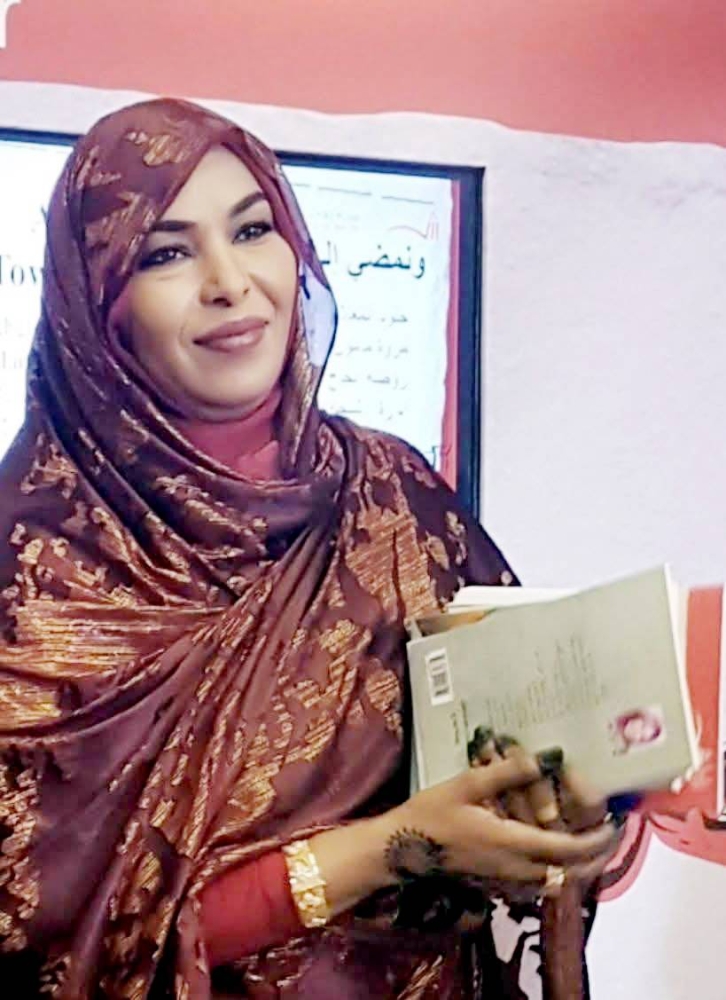
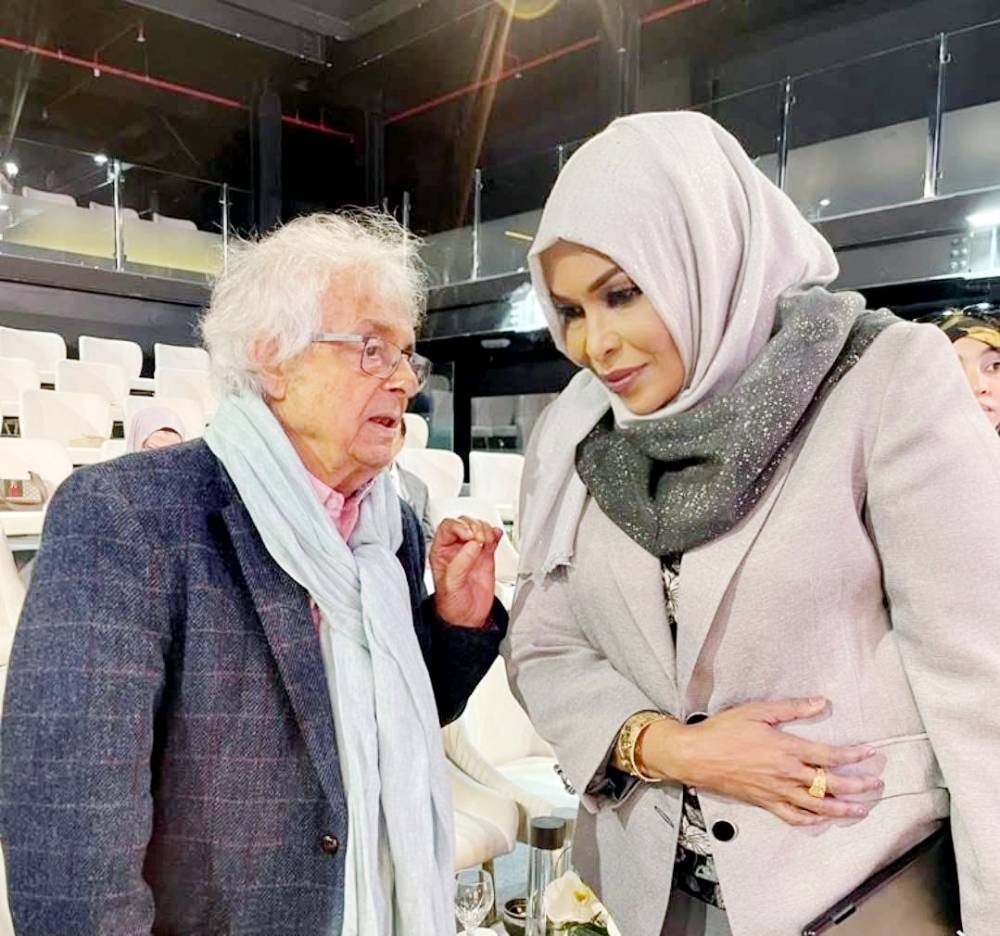
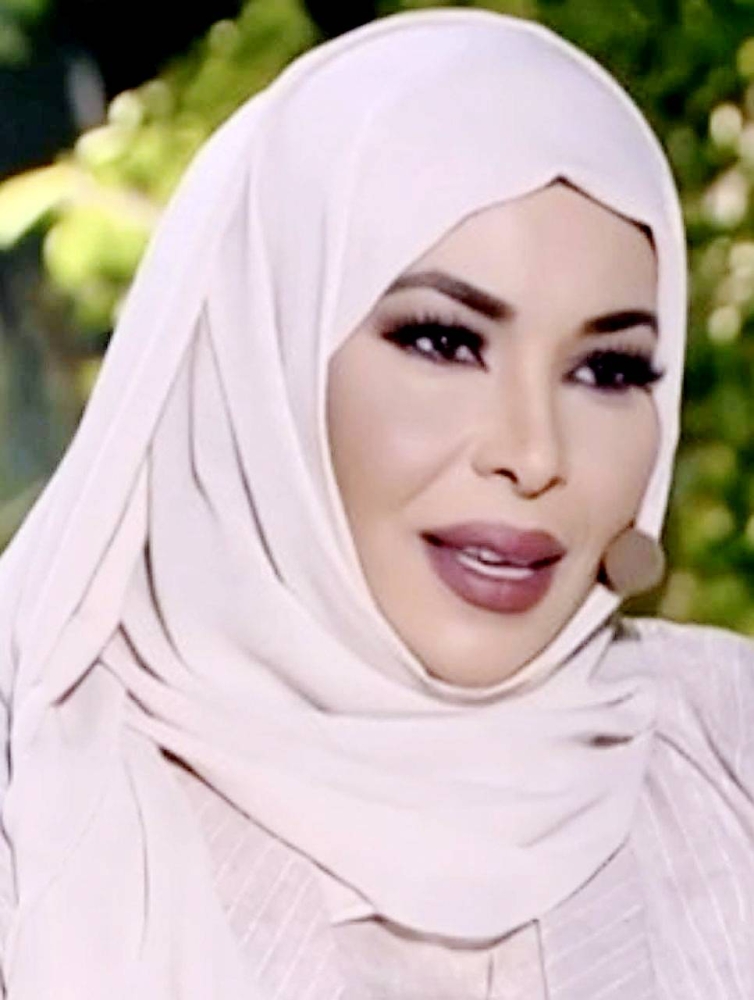
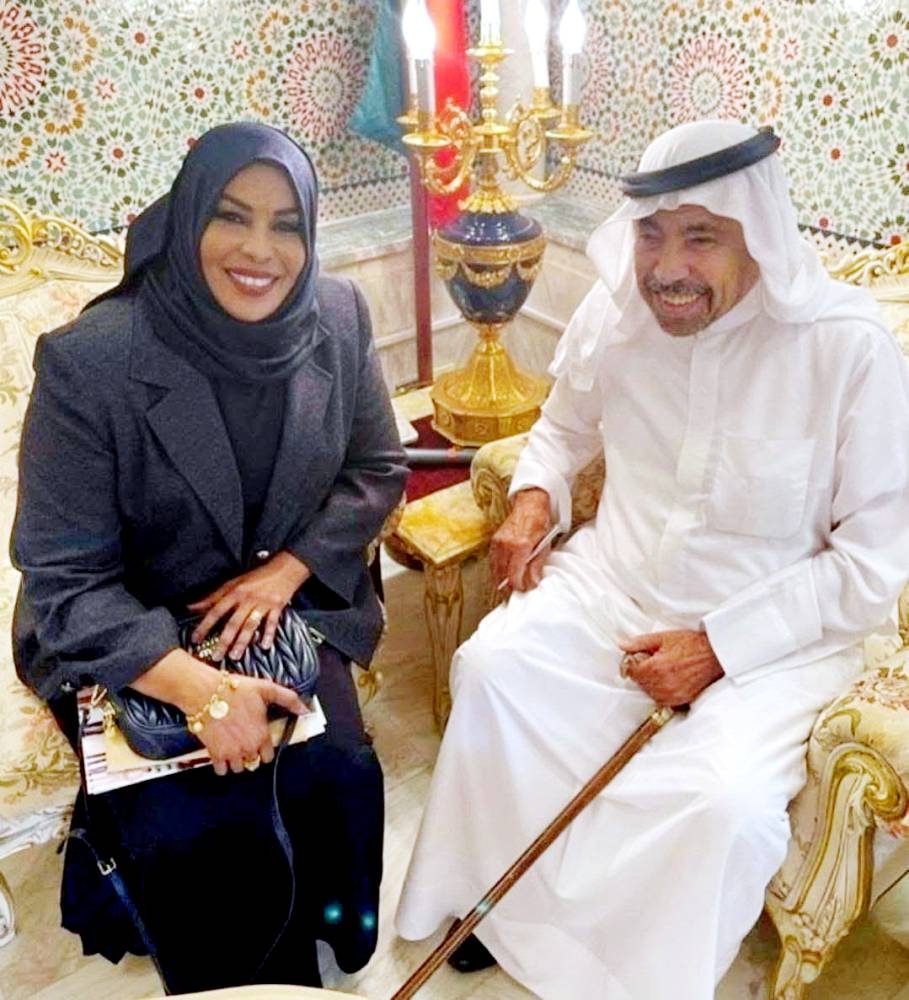
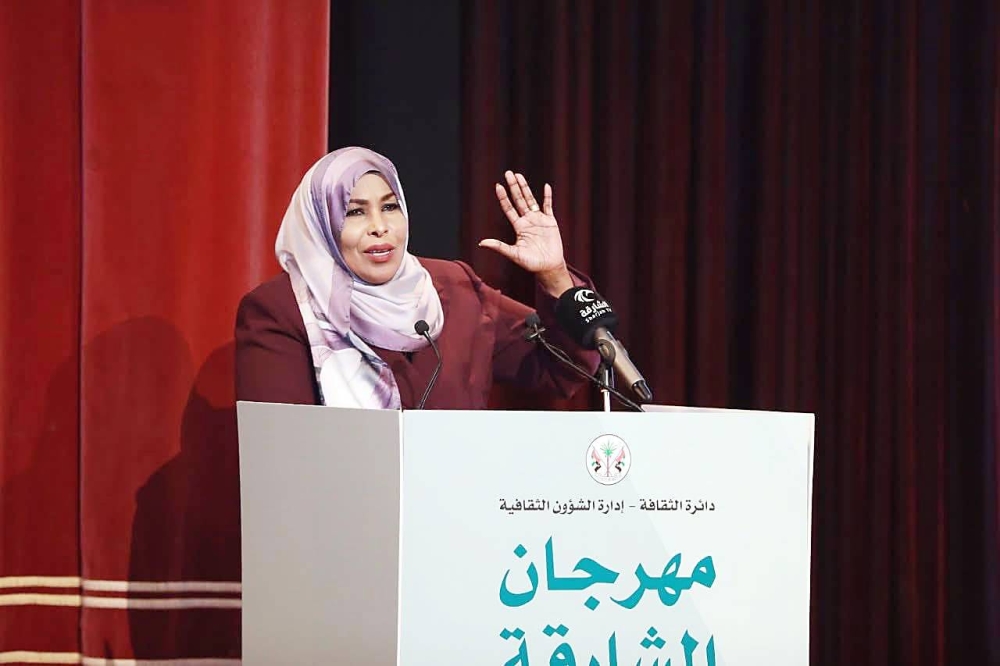
إن كان للسودان نيلان «الأبيض والأزرق»، فإنّ الشاعرة روضة الحاج، نيلُ إضافي ثالث، نراه بالبصيرة، ونسبح فيه بالذائقة، ونُبحر معه بالخيال، إلى آفاق تعتّقت بأحضان الجمال، وقلّ ما انصاعَ الشعرُ طواعية لشاعرة، إلا أنه أذعن لها مختاراً لاستشعارها هيبته، وتبتلها في محرابه، لتغدو ناطقةً رسميّةً وشعبيّةً باسمه، والشاهد ما حظيت به قصيدتها من اهتمام ومتابعة، كما أنها سيّدة منبر، وأيقونة إلقاء تذيب كل الحواجز بينها وبين قصيدتها. وهنا نصّ الحوار الذي حاول أن يُلم بجوانب تجربة من أثرى التجارب الشعرية في الوطن العربي، واستنطاق ثقافة شاعرة لا تشبه إلا شعرها.
• غلب على المثقفين في السودان الشقيق كتابة الرواية والقصة، ربما الشعراء في القرن الماضي قِلة؛ ألم يستهوك السرد؟
•• أعتقد أن العكس هو الأصح؛ إذ غلب الشعر بفصيحه وعاميه فتسيَّد الوجدان السوداني ولعله ما زال يفعل. وأحسب أن الذائقة السودانية بُنيت على الشعر بدرجة كبيرة، رغم أن القص والسرد جزءٌ أصيل من طفولة كل سوداني تقريباً، وبالتالي جزء من وجدانه بالضرورة. أما بالنسبة لسؤالك عن السرد، فأنا بدأت ساردة! وكانت محاولتي الأولى لدخول فضاء الكلمة مع القصة، وليست مع الشعر. لكنها لم تطُلْ، فقد اكتشفت الشعر فهجرت السرد وكل أشكال الكتابة عداه، ولم أعد إليه إلا مؤخراً عبر رواية لم أنشرها بعد.
• ماذا عن جينات الشعر الوراثية، أم أنت شاعرة بلا أسلاف؟
•• لا أدري إلى أي حد أوافقك على أمر الجينات هذا، لكن يمكنني موافقتك على الفضاء الشعري الذي ربما يستدرجك بطريقة واعية أو لا واعية للشعر، وتوفر لي هذا الفضاء عبر والدي (رحمه الله)، وهو يجعل من الشعر الشعبي السوداني وشعر البادية السودانية جزءاً أساسياً في حياتنا اليومية، فهو يتمثله في كل شيء تقريباً، ثم علمت لاحقاً أن أجدادي كانوا كذلك، فبينه وبين أخواله «مجادعات» كثيرة، وهي عبارة عن حوار شعري ماتع لم يزل يُمارس في قرى وبوادي السودان.
• هل انتبهت مبكراً للخط الفاصل بين النظم والشعر؟
•• أعتقد أن كلَّ ذي موهبة حقيقية سينتبه بفطرته للخط العريض والكبير والشاسع بيت النظم والشعر، بل حتى المتلقي صاحب الذائقة العالية سيلمح فوراً المسافة الضوئية الهائلة بينهما.
• هل حمّلك الشعر مسؤولية ما؟
•• أعتقد أنه فعل، الشعر يحمّل كل الشعراء مسؤولية الدفاع عن الجمال، وتوسيع رقعته وفضائه في الحياة، وهي مهمة شاقة، خصوصاً في زماننا هذا، إن لم تكن مستحيلة.
• لأي عصر تنتمي قصيدتك، وعن من تعبّر؟
•• تنتمي لعصرها، وتحاول أن تعبر عن كاتبتها وبنات جنسها وعن الإنسان بشكل عام.
• كم ذات داخل الذات الشاعرة؟
•• لا أكاد أحصيهن! كنت أحسبهن 3 أو 4، لكن مع العمر والأيام والتجارب اكتشفت أن العدد أكثر وأكبر.
• من هو صاحب الفضل على شاعريتك؟
•• من الصعب أن أسمي أحداً فأقصي آخرين، لكن أعتقد أن بيتنا البسيط المكون من والدي ووالدتي وإخوتي، شكّل خطوتي الأولى، وعزز هذا الشغف وغذّاه بشكل أو بآخر، وكذلك فعلت مدرستي في مراحلي التعليمية المختلفة.
• هل للحظ دور في هذه المسيرة؟
•• أعتقد أن الإجابة نعم، فما أسميه بـ«الإفساح الزمكاني» هو أعلى درجات الحظ في ظني.
• كيف تأتي القصيدة، وهل تكتبيها دفعةً واحدة؟
•• في بداياتي كانت القصيدة عبارة عن لحظة شعرية واحدة وقصيرة من أول النص لآخره، لكن مع العمر والتجربة تعلمت «المراوغة الشعرية» و«المطال الشعري»!
• ما أوّل قصيدة بنت جسراً بينك وبين المُتلقي؟
•• أعتقد أنها قصيدة عِشْ للقصيد.
• متى شعرتِ أنه تم الاعتراف بك شعرياً؟
•• منذ أول نصٍ قرأته على الناس وأنا في الحادية عشرة من عمري!
• متى شعرتِ أن قصيدة التفعيلة خيارٌ فني؟
•• أعتقد أن هذا هو زمان قصيدة التفعيلة، ورغم قلة السالكين طريقها حالياً، إلا أنني أعتقد أنها ستتألق في زمان قادم؛ لقدرتها الفائقة على أن تكون صوت الإنسان في هذا الزمان المعقد المليء بالتفاصيل والتحديات والشجون. ولأن هذا وقتها وفقاً للصيرورة التاريخية الشعرية فلا أعتقد أن «تطور الشعر» سيحدث بهذا «التسامي» فينتقل من العمودي إلى النثر مثلاً كانتقال بعض العناصر من الصلابة للغازية مباشرة دون المرور بمرحلة السيولة! التفعيلة لغة ووزن وإيقاع وحرية وزنية وصور لا تحدها القافية وقدرات فنية وتعبيرية هائلة ومن حقها أن تعمر لألف عام على الأقل قبل التفكير في إيجاد بديل آخر لها!
• ما موقفك من قصيدة النثر، الهايكو، الشعر المنثور، الشذرات؟
•• كانت بيني وبين هذا النوع من الكتابات جفوة لوقت طويل، لكنني انتبهت لحقيقة مهمة وهي أن الشعر موجود في كل الفنون والآداب، وكلما كان حضوره عالياً ارتقى العمل الفني والإبداعي وزادت قيمته، ففي اللوحة التشكيلية شعر، وفي القصة شعر، وفي الرواية شعر، وفي الموسيقى شعر، إلخ.. فلماذا لا نعترف بشعرية النثر أيضاً؟ نعم توجد شعرية في النثر لكن يبقى الشعر قصة أخرى!
• ماذا أضافت لك ألقاب «أميرة الشعراء، شاعرة عكاظ، شاعرة النيلين»، وماذا أخذت منك؟
•• الألقاب تقدير «مؤقت» غالباً يولد في ظروف معينة ويجب أن يفهم في هذا السياق حتى لا يتحول إلى عبء أو إلى شعور زائف بالتفوق أو التميز، وأنا أعي ذلك وأفهمه داخل هذه السياقات.
• هل يخضع الفوز بجائزة شعريّة لمعايير غير فنيّة؟
•• نعم يحدث ذلك طوال الوقت في تقديري وسيحدث دائماً، هذه هي طبيعة الجوائز، سواء كانت شعرية أو غيرها، وعلى من يتقدم لها أن يعي ذلك وأن يتقبله، هناك موازنات ومقاربات ومجاملات وحظوظ.
• ماذا عن الناقد الساكن داخلك كيف تتفاهمين معه؟
•• مزعج جداً، خصوصاً تجاه ما أكتبه، لكنه قادر على اكتشاف الجمال مهما كان قدره ضئيلاً في نصوص الآخرين!
• كيف تعامل النقاد مع شاعريتك ونصك؟•• أعتقد أنني «أكرمت» نقدياً إلى حد كبير، وأن ظهور تجربتي على مسرح الشعر الذي كانت به أسماء نسائية قليلة جداً وقتها أسهم في تسليط الكثير من الضوء على تجربتي.
• ما رأيك بتثقيل النص الشعري بالحمولات الأيديولوجية والسياسية؟
•• السياسة جزء أساسي من الحياة لا يمكن فصلها عن سياق حركة الأدب والثقافة بشكل عام، فالتقاطعات كثيرة، المهم في هذه العلاقة أن يتقدم الأدب السياسة لا أن يصبح عربة خلفية في قطارها الطويل. أما تثقيل النص سواء بحمولات السياسة أو الأيديولوجيا أو غيرها فهو إبطاء لإيقاعه الجمالي وحصار لطاقته الإبداعية، الحمولة الوحيدة المسموح بزيادتها في النص الشعري هي الحمولة الشعرية الجمالية!
• ألا تتشوه صورة الشاعر بتحمله مسؤولية عامة؟
•• إطلاقاً، فالشاعر هو الأقدر على تحمل المسؤولية العامة؛ لأنه الأكثر شعوراً بالناس وقضاياهم، والأعف يداً فيما يخص المال العام، وهذا مربط فرس المسؤولية العامة! سجن الشعراء في الصورة الذهنية النمطية التي غذتها الأساطير والحكايات والسير الذاتية لبعض الشعراء والتي خلقت هالة من الارتياب والتشكيك حول قدراتهم غير الشعرية وأعني القدرات الإدارية والفكرية والعلمية وغيرها سجن آن وقت هدمه وبناء صورة حقيقية. الشعر بقدراته العالية قادر على الإضافة لكل شيء في الحياة والصعود به إلى أقصى ما يمكن من الإبداع والإتقان والفرادة. والشعراء هم الأكثر تأهيلاً لقيادة التغيير نحو الأفضل في مجتمعاتهم. وهناك من يحرصون على إبقاء المثقفين والنقاد والكتاب والشعراء والمبدعين عموماً بعيداً عن معترك المسؤولية العامة؛ لأنهم إذا دخلوه فسيتجاوزون الجميع عطاءً وإبداعاً وقدرةً وتميزاً.
أكدت أن للجوائز موازنات ومقاربات ومجاملات وحظوظاً..
روضة الحاج: قصيدتي تنتمي لعصرها وهذا زمن قصيدة التفعيلة
30 مايو 2025 - 08:09
|
آخر تحديث 30 مايو 2025 - 08:09


تابع قناة عكاظ على الواتساب
حاورها: علي الرباعي Al_ARobai@
If Sudan has two rivers, the "White" and the "Blue," then poet Rawda Al-Haj is a third additional river, one that we see with insight, swim in with taste, and sail with imagination to horizons that have aged in the embrace of beauty. Rarely has poetry willingly submitted to a poet, yet it has willingly yielded to her, sensing her reverence and devotion in its sanctuary, making her its official and popular spokesperson. The evidence lies in the attention and following her poetry has garnered. She is also a master of the podium, an icon of recitation who melts away all barriers between her and her poetry. Here is the text of the dialogue that attempts to encompass aspects of one of the richest poetic experiences in the Arab world, and to voice the culture of a poetess who resembles only her poetry.
• It seems that novel and story writing has dominated the intellectuals in brotherly Sudan; perhaps poets were few in the last century. Did narrative not entice you?
•• I believe the opposite is true; poetry, both classical and colloquial, has prevailed and has perhaps continued to dominate the Sudanese sentiment. I think the Sudanese taste has been largely built on poetry, even though storytelling and narrative are an integral part of almost every Sudanese's childhood, and thus a necessary part of their sentiment. As for your question about narrative, I started as a storyteller! My first attempt to enter the realm of words was through storytelling, not poetry. However, it didn't last long; I discovered poetry and abandoned narrative and all forms of writing except for it, and I only returned to it recently through a novel I have not yet published.
• What about the genetic traits of poetry? Are you a poet without ancestors?
•• I don't know to what extent I agree with you on this matter of genetics, but I can agree with you on the poetic space that perhaps lures you, consciously or unconsciously, to poetry. This space was provided to me by my father (may he rest in peace), who made Sudanese folk poetry and the poetry of the Sudanese desert an essential part of our daily lives; he embodied it in almost everything. Later, I learned that my ancestors were the same, as there were many "debates" between him and his uncles, which are delightful poetic dialogues still practiced in the villages and deserts of Sudan.
• Did you notice early on the dividing line between verse and poetry?
•• I believe that anyone with true talent will instinctively notice the broad and vast line between verse and poetry, and even a recipient with a refined taste will immediately perceive the enormous light-years of distance between them.
• Has poetry placed any responsibility on you?
•• I believe it has; poetry imposes on all poets the responsibility to defend beauty and to expand its presence and space in life, which is a daunting task, especially in our time, if not impossible.
• To which era does your poetry belong, and what does it express?
•• It belongs to its era and tries to express its writer, her fellow women, and humanity in general.
• How many selves exist within the poetic self?
•• I can hardly count them! I used to think there were 3 or 4, but with age, days, and experiences, I discovered that the number is larger and greater.
• Who is the one who has contributed to your poetry?
•• It is difficult to name one person without excluding others, but I believe that my simple home, consisting of my father, mother, and siblings, formed my first step and nurtured this passion in one way or another, as did my school during my various educational stages.
• Does luck play a role in this journey?
•• I believe the answer is yes; what I call "spatial-temporal openness" is the highest degree of luck in my opinion.
• How does the poem come to you? Do you write it all at once?
•• In my early days, the poem was a single short poetic moment from the beginning of the text to the end. However, with age and experience, I learned "poetic evasion" and "poetic extension"!
• What was the first poem that built a bridge between you and the recipient?
•• I believe it was the poem "Live for the Poem."
• When did you feel that you were recognized poetically?
•• Since the first text I read to people when I was eleven years old!
• When did you feel that the free verse poem was an artistic choice?
•• I believe this is the time for the free verse poem, and despite the few who are currently following its path, I think it will shine in a coming time due to its exceptional ability to be the voice of humanity in this complex time filled with details, challenges, and concerns. And because this is its time according to the historical poetic evolution, I don't think that "the evolution of poetry" will occur with this "transcendence," moving from classical to prose, for example, as some elements transition directly from solid to gaseous without passing through a liquid phase! Free verse is language, rhythm, and freedom of weight, and images not limited by rhyme, with immense artistic and expressive capabilities, and it deserves to thrive for at least a thousand years before considering finding another alternative for it!
• What is your stance on prose poetry, haiku, free verse, and fragments?
•• There was a long estrangement between me and this type of writing, but I became aware of an important truth: poetry exists in all arts and literature, and the higher its presence, the more the artistic and creative work ascends in value. In a painting, there is poetry; in a story, there is poetry; in a novel, there is poetry; in music, there is poetry, etc. So why don't we also acknowledge the poetic nature of prose? Yes, there is poetry in prose, but poetry is another story!
• What have the titles "Princess of Poets," "Poet of Okaz," and "Poet of the Two Niles" added to you, and what have they taken from you?
•• Titles are often a "temporary" appreciation that arises under certain circumstances and should be understood in this context so that they do not turn into a burden or a false sense of superiority or distinction. I am aware of this and understand it within these contexts.
• Does winning a poetry prize adhere to non-artistic criteria?
•• Yes, this happens all the time in my opinion and will always happen; this is the nature of awards, whether poetic or otherwise. Those who apply for them must be aware of this and accept it; there are balances, approaches, courtesies, and fortunes.
• What about the critic residing within you? How do you communicate with him?
•• He is very annoying, especially regarding what I write, but he is capable of discovering beauty, no matter how minimal, in the texts of others!
• How have critics dealt with your poetry and your text?•• I believe I have been "honored" critically to a large extent, and the emergence of my experience on the stage of poetry, which had very few female names at the time, contributed to shedding much light on my experience.
• What is your opinion on weighing the poetic text with ideological and political burdens?
•• Politics is an essential part of life that cannot be separated from the context of the movement of literature and culture in general; the intersections are many. The important thing in this relationship is that literature should advance politics, not become a rear carriage in its long train. As for weighing the text with political or ideological burdens or others, it slows down its aesthetic rhythm and confines its creative energy; the only burden allowed to be increased in the poetic text is the aesthetic poetic burden!
• Does the image of the poet become distorted by bearing a general responsibility?
•• Not at all; the poet is the most capable of bearing general responsibility because they are the most sensitive to people and their issues and the most honorable when it comes to public funds. This is the crux of general responsibility! The imprisonment of poets in the stereotypical mental image fed by myths, tales, and autobiographies of some poets has created an aura of suspicion and doubt around their non-poetic abilities, meaning administrative, intellectual, scientific, and other capabilities. It is time to dismantle this and build a true image. Poetry, with its high capabilities, can add to everything in life and elevate it to the utmost of creativity, perfection, and uniqueness. Poets are the most qualified to lead change for the better in their societies. There are those who strive to keep intellectuals, critics, writers, and poets, and creators in general, away from the arena of public responsibility because if they enter it, they will surpass everyone in giving, creativity, ability, and distinction.
• It seems that novel and story writing has dominated the intellectuals in brotherly Sudan; perhaps poets were few in the last century. Did narrative not entice you?
•• I believe the opposite is true; poetry, both classical and colloquial, has prevailed and has perhaps continued to dominate the Sudanese sentiment. I think the Sudanese taste has been largely built on poetry, even though storytelling and narrative are an integral part of almost every Sudanese's childhood, and thus a necessary part of their sentiment. As for your question about narrative, I started as a storyteller! My first attempt to enter the realm of words was through storytelling, not poetry. However, it didn't last long; I discovered poetry and abandoned narrative and all forms of writing except for it, and I only returned to it recently through a novel I have not yet published.
• What about the genetic traits of poetry? Are you a poet without ancestors?
•• I don't know to what extent I agree with you on this matter of genetics, but I can agree with you on the poetic space that perhaps lures you, consciously or unconsciously, to poetry. This space was provided to me by my father (may he rest in peace), who made Sudanese folk poetry and the poetry of the Sudanese desert an essential part of our daily lives; he embodied it in almost everything. Later, I learned that my ancestors were the same, as there were many "debates" between him and his uncles, which are delightful poetic dialogues still practiced in the villages and deserts of Sudan.
• Did you notice early on the dividing line between verse and poetry?
•• I believe that anyone with true talent will instinctively notice the broad and vast line between verse and poetry, and even a recipient with a refined taste will immediately perceive the enormous light-years of distance between them.
• Has poetry placed any responsibility on you?
•• I believe it has; poetry imposes on all poets the responsibility to defend beauty and to expand its presence and space in life, which is a daunting task, especially in our time, if not impossible.
• To which era does your poetry belong, and what does it express?
•• It belongs to its era and tries to express its writer, her fellow women, and humanity in general.
• How many selves exist within the poetic self?
•• I can hardly count them! I used to think there were 3 or 4, but with age, days, and experiences, I discovered that the number is larger and greater.
• Who is the one who has contributed to your poetry?
•• It is difficult to name one person without excluding others, but I believe that my simple home, consisting of my father, mother, and siblings, formed my first step and nurtured this passion in one way or another, as did my school during my various educational stages.
• Does luck play a role in this journey?
•• I believe the answer is yes; what I call "spatial-temporal openness" is the highest degree of luck in my opinion.
• How does the poem come to you? Do you write it all at once?
•• In my early days, the poem was a single short poetic moment from the beginning of the text to the end. However, with age and experience, I learned "poetic evasion" and "poetic extension"!
• What was the first poem that built a bridge between you and the recipient?
•• I believe it was the poem "Live for the Poem."
• When did you feel that you were recognized poetically?
•• Since the first text I read to people when I was eleven years old!
• When did you feel that the free verse poem was an artistic choice?
•• I believe this is the time for the free verse poem, and despite the few who are currently following its path, I think it will shine in a coming time due to its exceptional ability to be the voice of humanity in this complex time filled with details, challenges, and concerns. And because this is its time according to the historical poetic evolution, I don't think that "the evolution of poetry" will occur with this "transcendence," moving from classical to prose, for example, as some elements transition directly from solid to gaseous without passing through a liquid phase! Free verse is language, rhythm, and freedom of weight, and images not limited by rhyme, with immense artistic and expressive capabilities, and it deserves to thrive for at least a thousand years before considering finding another alternative for it!
• What is your stance on prose poetry, haiku, free verse, and fragments?
•• There was a long estrangement between me and this type of writing, but I became aware of an important truth: poetry exists in all arts and literature, and the higher its presence, the more the artistic and creative work ascends in value. In a painting, there is poetry; in a story, there is poetry; in a novel, there is poetry; in music, there is poetry, etc. So why don't we also acknowledge the poetic nature of prose? Yes, there is poetry in prose, but poetry is another story!
• What have the titles "Princess of Poets," "Poet of Okaz," and "Poet of the Two Niles" added to you, and what have they taken from you?
•• Titles are often a "temporary" appreciation that arises under certain circumstances and should be understood in this context so that they do not turn into a burden or a false sense of superiority or distinction. I am aware of this and understand it within these contexts.
• Does winning a poetry prize adhere to non-artistic criteria?
•• Yes, this happens all the time in my opinion and will always happen; this is the nature of awards, whether poetic or otherwise. Those who apply for them must be aware of this and accept it; there are balances, approaches, courtesies, and fortunes.
• What about the critic residing within you? How do you communicate with him?
•• He is very annoying, especially regarding what I write, but he is capable of discovering beauty, no matter how minimal, in the texts of others!
• How have critics dealt with your poetry and your text?•• I believe I have been "honored" critically to a large extent, and the emergence of my experience on the stage of poetry, which had very few female names at the time, contributed to shedding much light on my experience.
• What is your opinion on weighing the poetic text with ideological and political burdens?
•• Politics is an essential part of life that cannot be separated from the context of the movement of literature and culture in general; the intersections are many. The important thing in this relationship is that literature should advance politics, not become a rear carriage in its long train. As for weighing the text with political or ideological burdens or others, it slows down its aesthetic rhythm and confines its creative energy; the only burden allowed to be increased in the poetic text is the aesthetic poetic burden!
• Does the image of the poet become distorted by bearing a general responsibility?
•• Not at all; the poet is the most capable of bearing general responsibility because they are the most sensitive to people and their issues and the most honorable when it comes to public funds. This is the crux of general responsibility! The imprisonment of poets in the stereotypical mental image fed by myths, tales, and autobiographies of some poets has created an aura of suspicion and doubt around their non-poetic abilities, meaning administrative, intellectual, scientific, and other capabilities. It is time to dismantle this and build a true image. Poetry, with its high capabilities, can add to everything in life and elevate it to the utmost of creativity, perfection, and uniqueness. Poets are the most qualified to lead change for the better in their societies. There are those who strive to keep intellectuals, critics, writers, and poets, and creators in general, away from the arena of public responsibility because if they enter it, they will surpass everyone in giving, creativity, ability, and distinction.


